Segonzac Castle: A Medieval Noble Manor in France
Site at a Glance
- Popularity
- Medium
- Country
- France
- Primary era
- Medieval
- Eras represented
- Medieval
- Civilizations
- Duchy of Aquitaine, English
- Site type
- Domestic
- Remains
- Elite Residence
History
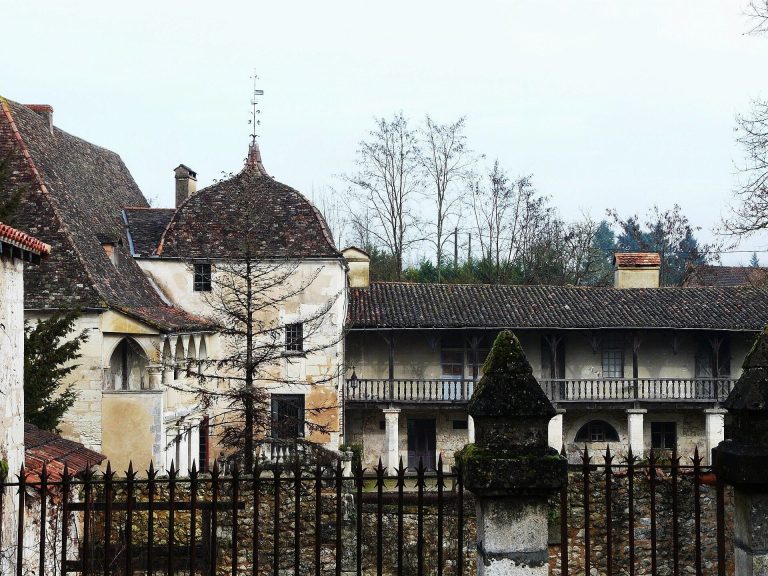
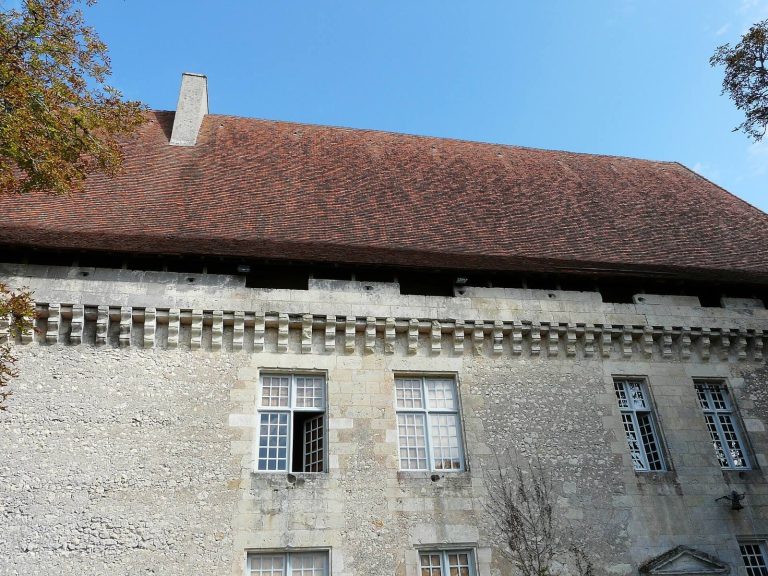
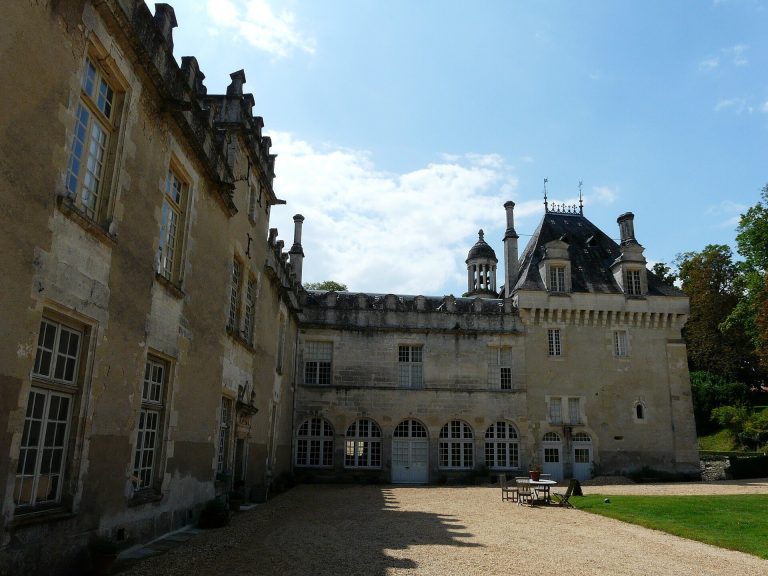
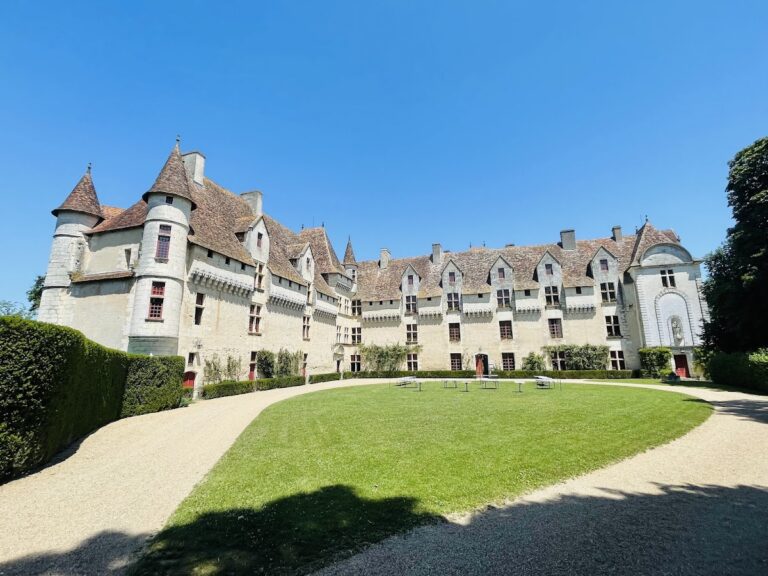
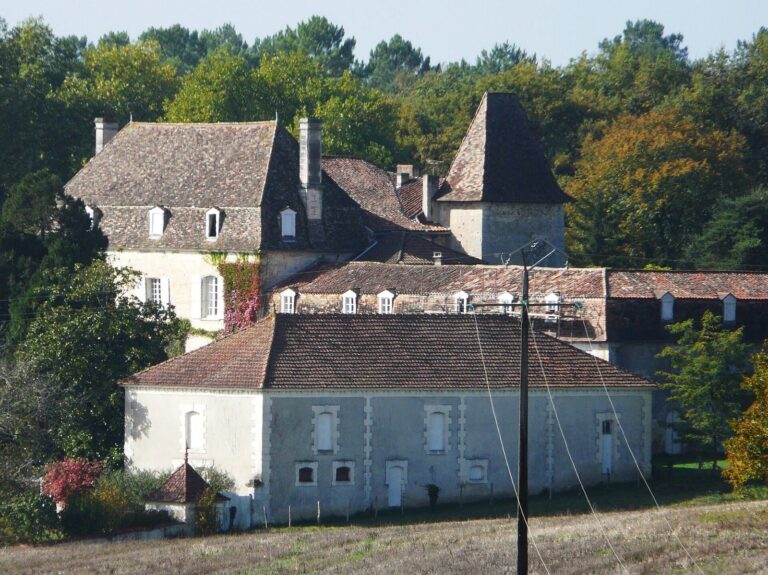
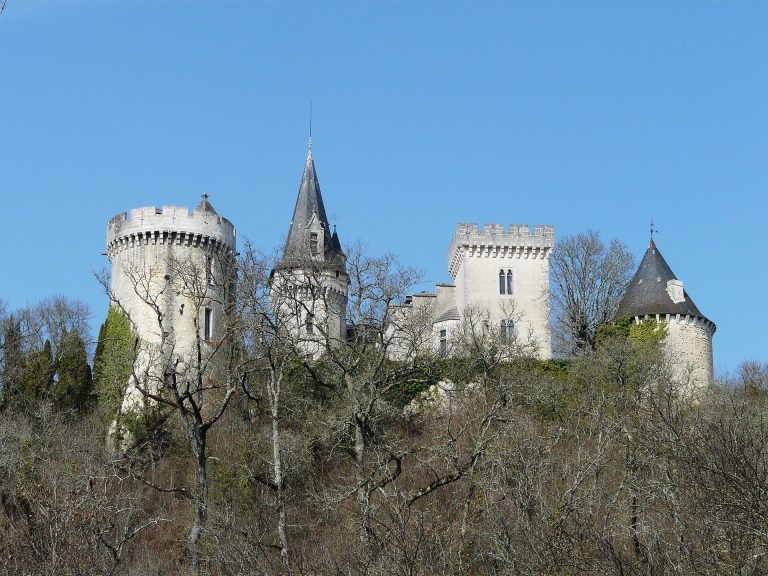
Segonzac Castle is a noble manor in France whose construction began in the thirteenth century. A noble manor was a residence associated with a noble household and its estate.
Medieval Origins and the Bardon Family
The Bardon family is recorded in Périgord, a historic region in southwestern France, from the late Middle Ages, initially in the parish of Lussac. Its known lineage begins with Guillaume de Bardon, who became lord of Migofolquier through his marriage to Géraude de Mercat in the early fifteenth century.
The Segonzac branch descended from Raymond de Bardon, a younger member of the family. He inherited the manor through marriage to an heiress of the Viguier family and was established there by 1584. On 19 October that year, a marriage contract was concluded at the castle between Léonard du Mas, a squire and lord of Segonzac who lived at the manor of Gragniac in Grignols, and Anne de Bardon. Anne was the daughter of Geoffroy de Bardon and Marthe de Carbonnières, and Raymond’s sister.
Barony and Later Works
In February 1623, Louis XIII, king of France, granted Marc de Bardon, Raymond’s son and Count of Bardon, the title of Baron of Segonzac. The grant made the land and lordship a barony, a lordship associated with the title of baron. It recognized Marc’s military service in the Béarn campaign, at the sieges of Saint-Jean-d’Angély, Clairac, Montravel, and Tonneins, and during the Huguenot rebellion, an uprising involving French Protestants. It also cited the service of his predecessors to the Crown. The royal letters patent, formal sovereign grants, were registered by the Parlement of Bordeaux, a senior royal court, on 12 May 1623.
The Bardon family carried out major works at the manor on the eve of the French Revolution, which began in 1789 and brought major political and social changes to France. The castle is privately owned today.