Fort of Santo António de Belixe: A Coastal Defense in Portugal
Site at a Glance
- Popularity
- Medium
- Country
- Portugal
- Primary era
- Early Modern
- Eras represented
- Early Modern, Modern
- Civilizations
- Portuguese
- Site type
- Military
- Remains
- Fort
On this page6 sections
History
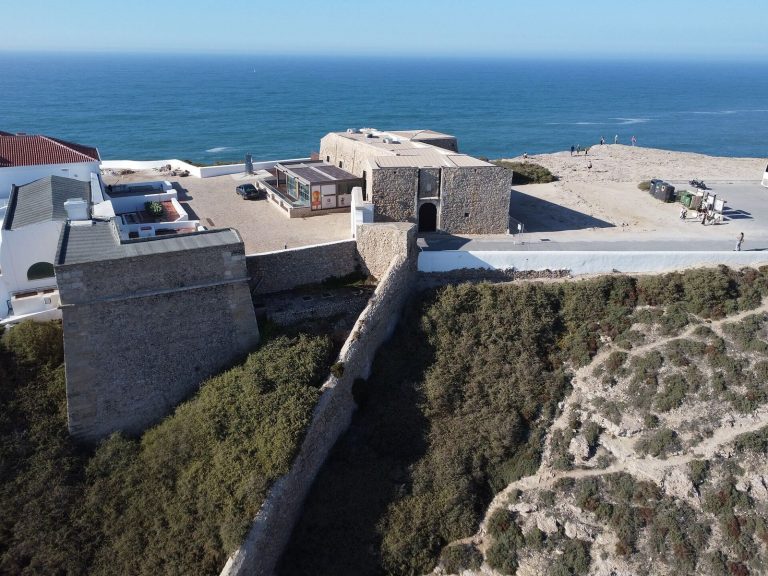
The Fort of Santo António de Belixe is a coastal fort on Cape St. Vincent in Portugal, between the cape and the Fortress of Sagres. It formed part of Portugal’s sixteenth-century defenses against piracy. King Sebastian’s coat of arms at the fort indicates that it was standing by that century, although its precise construction date remains uncertain. One proposal places its construction during the reign of Manuel I or his successor John III, between 1495 and 1557, but this attribution is tentative.
Sixteenth- and seventeenth-century defenses
In 1587, the English naval commander Francis Drake, whom the Portuguese regarded as a privateer, attacked the fort and caused serious damage. Philip III of Portugal ordered major repairs and rebuilding, and the fort reopened in 1632.
Earthquake damage and later changes
The 1755 earthquake and tsunami badly damaged the fort. Rebuilding followed in preparation for 1960 commemorations marking 500 years since the death of Henry the Navigator, a Portuguese prince associated with the early voyages of exploration. Around that time, the fort’s interior was remodeled and parts were rebuilt. The fort is designated a Property of Public Interest, a Portuguese heritage-protection status.
Remains
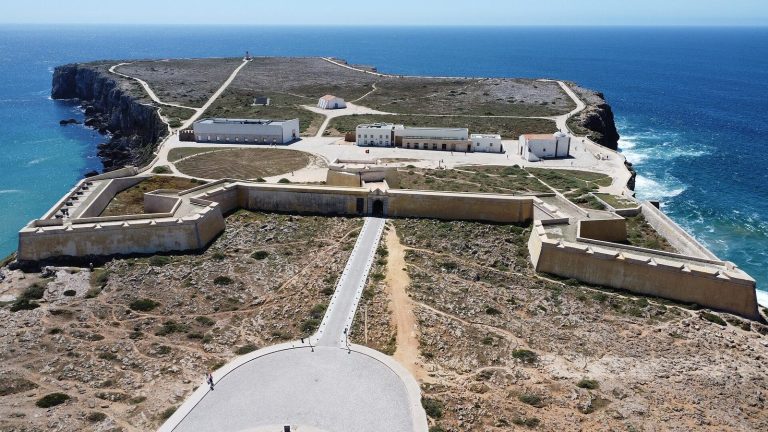
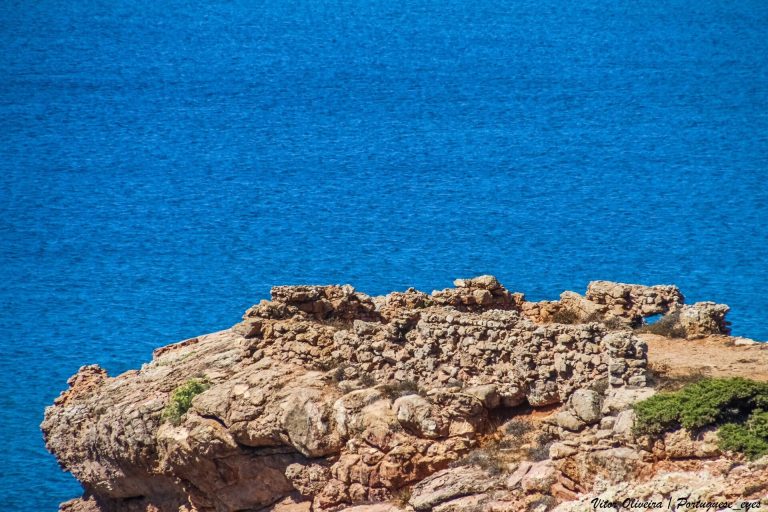
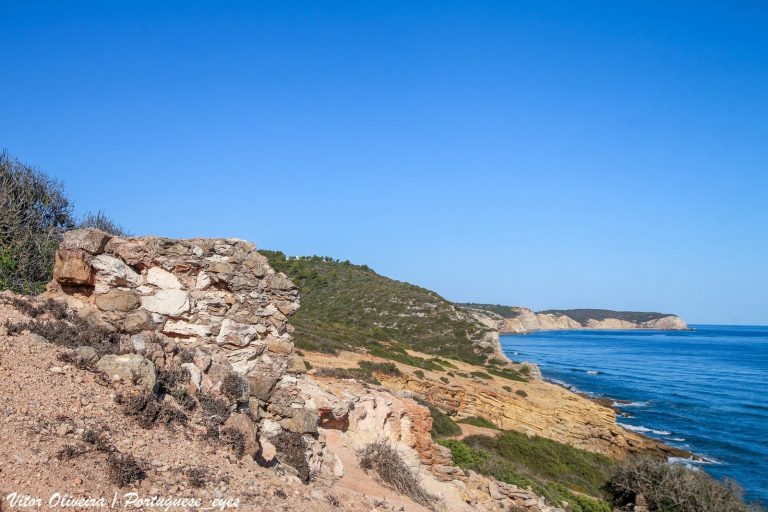
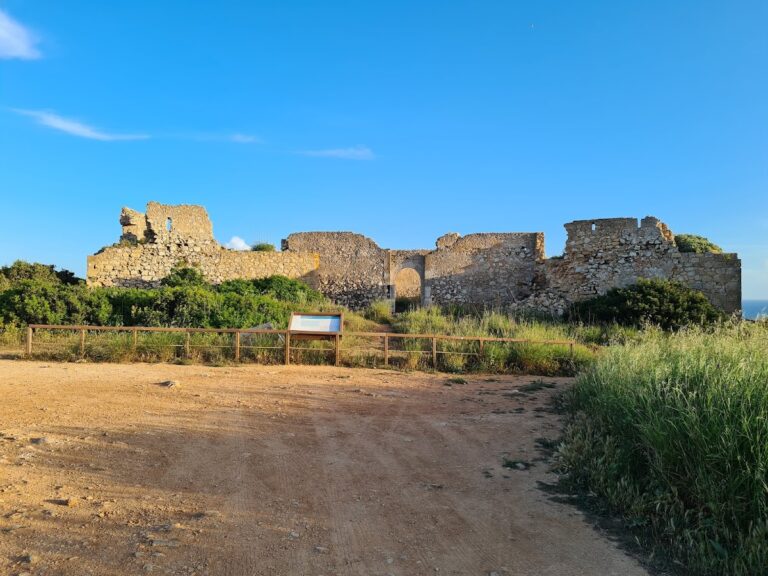
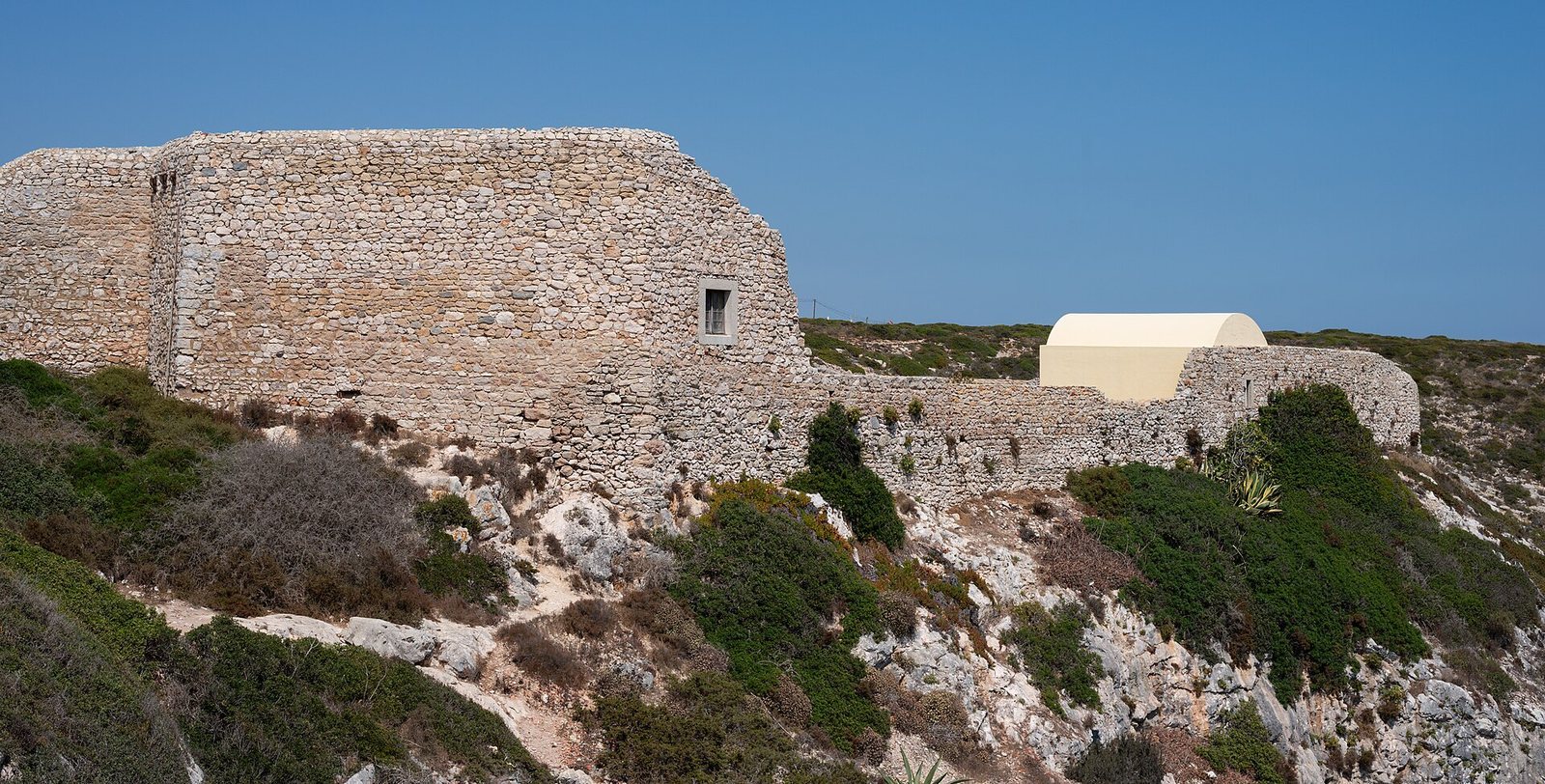
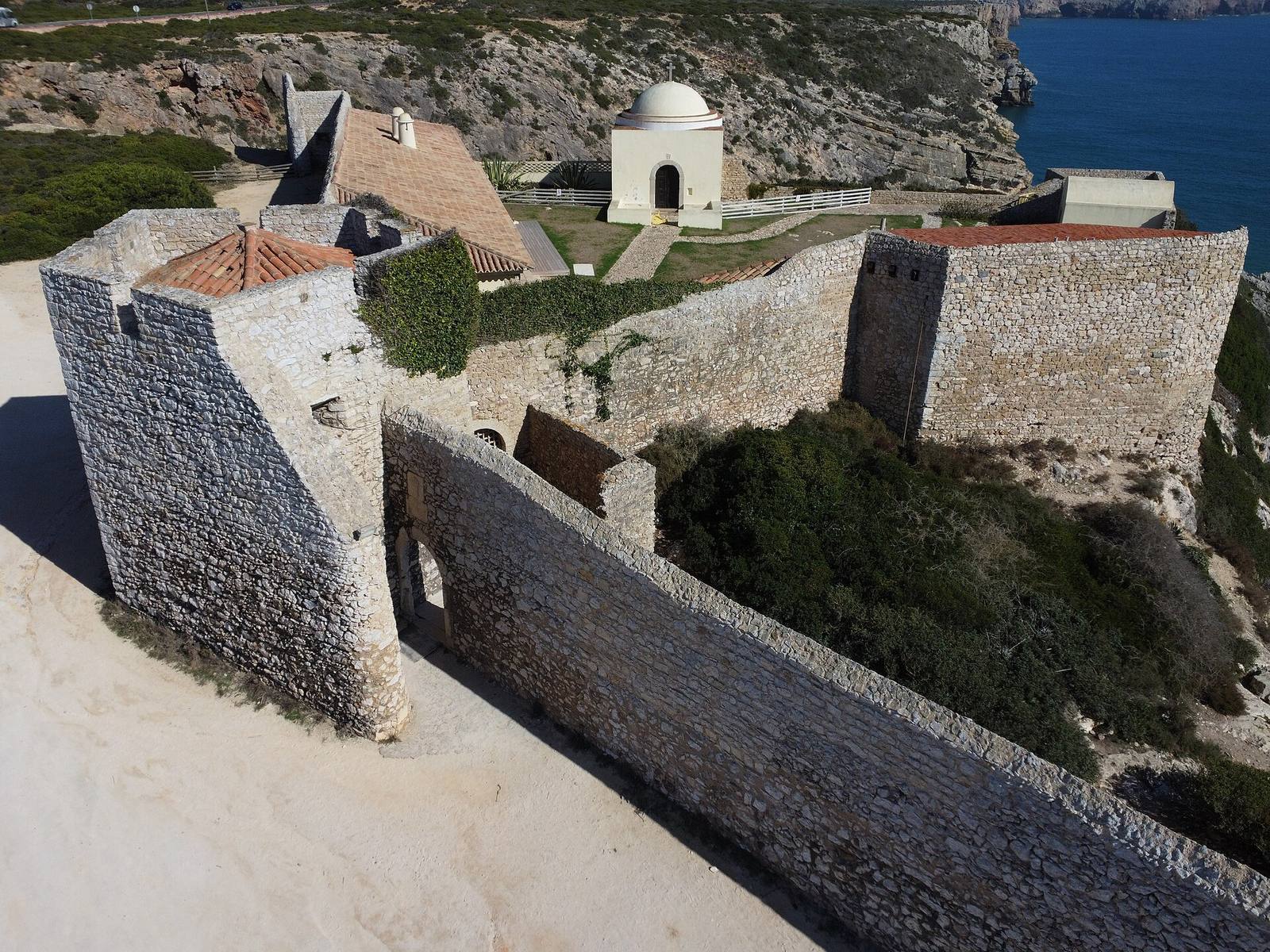
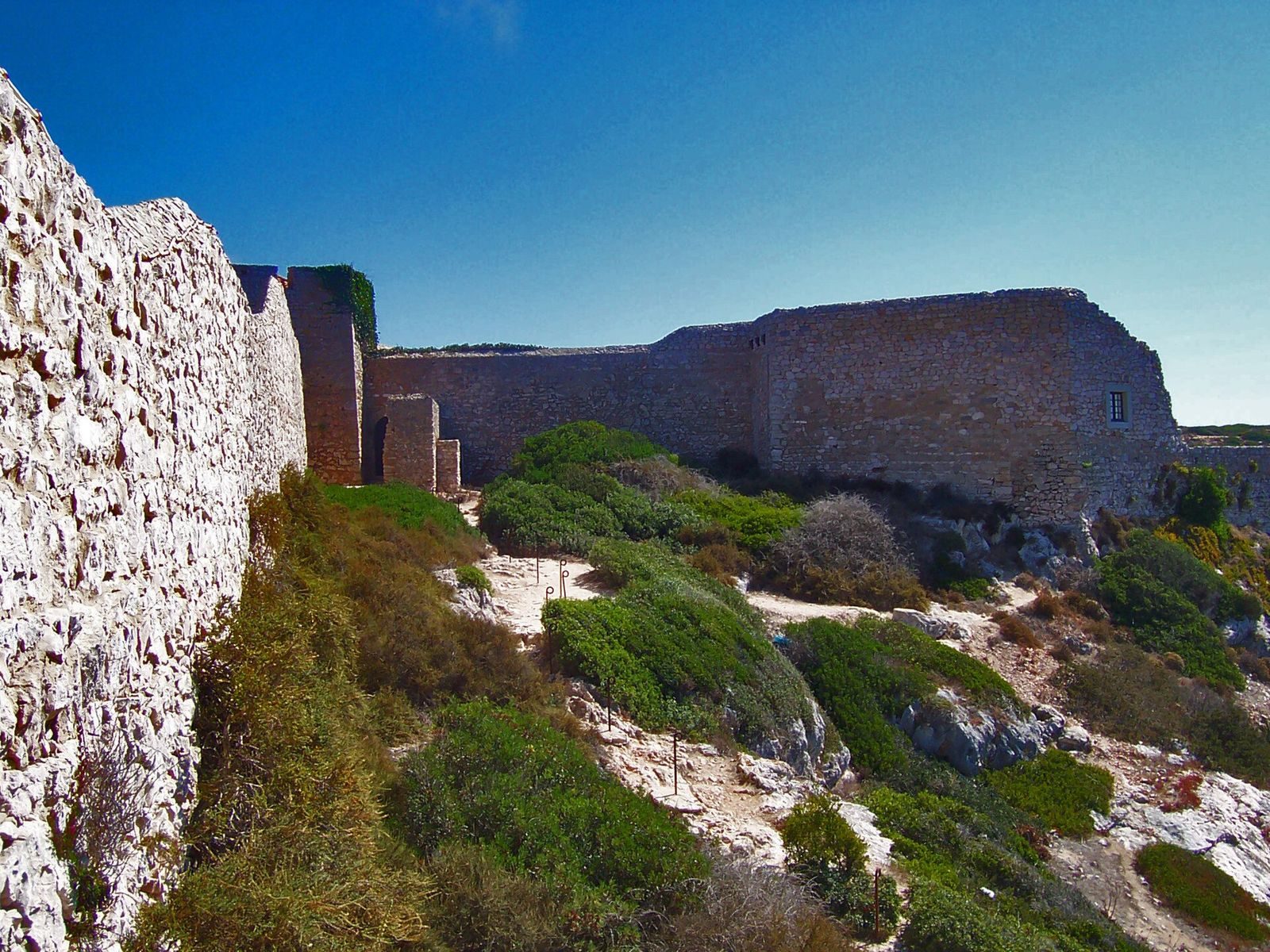
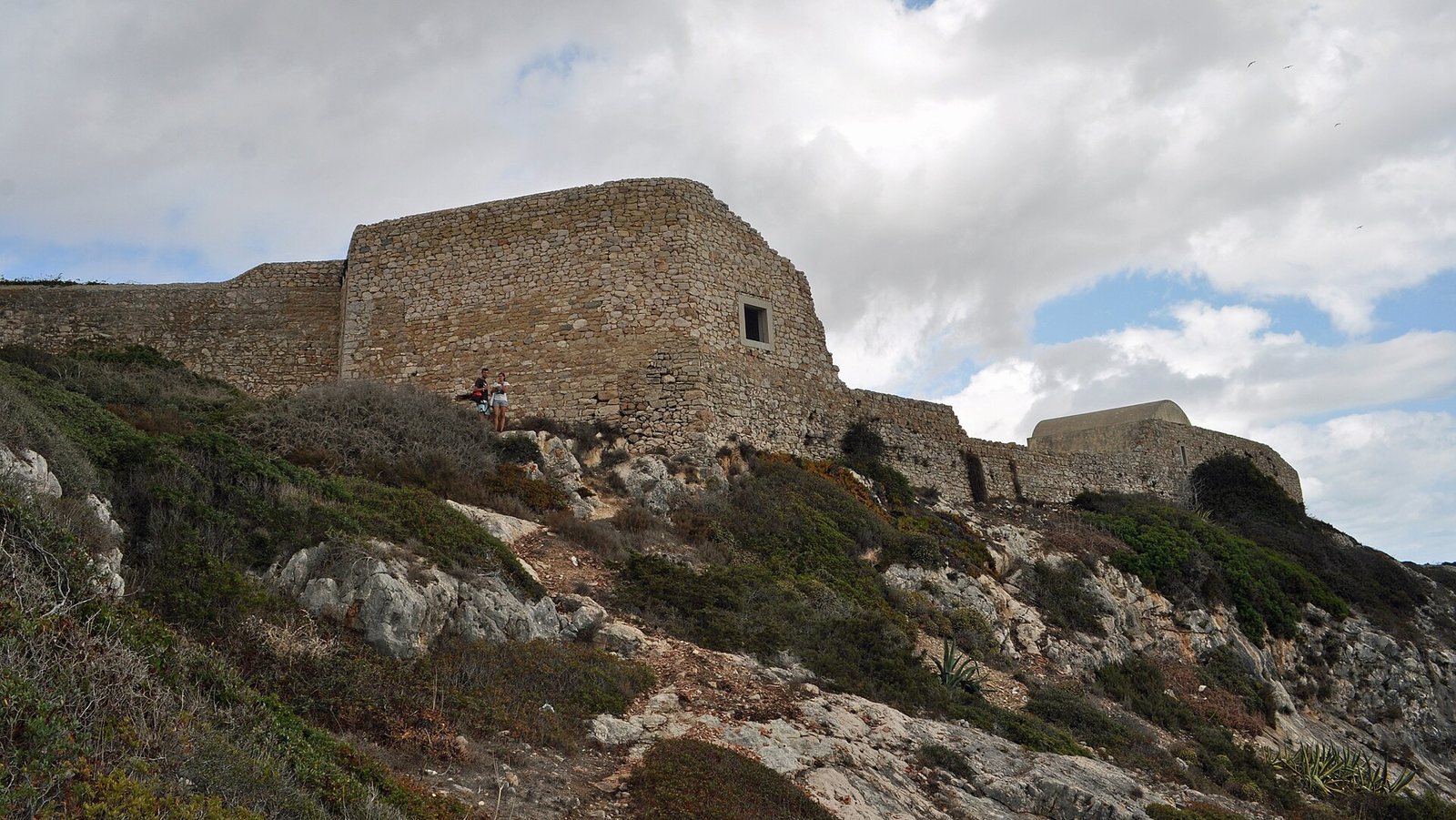
The fort stands at an elevation of 86 metres on a cliff about 50 metres high, overlooking Beliche Bay and Belixe Velho beach. Its plan is a star-shaped polygon, with gun batteries facing the sea. A long staircase connects the fort to the beach. Sections of the original wall survive alongside restored batteries and bunkers. Continuing coastal erosion affects the cliff and the fort’s fabric.
Chapel
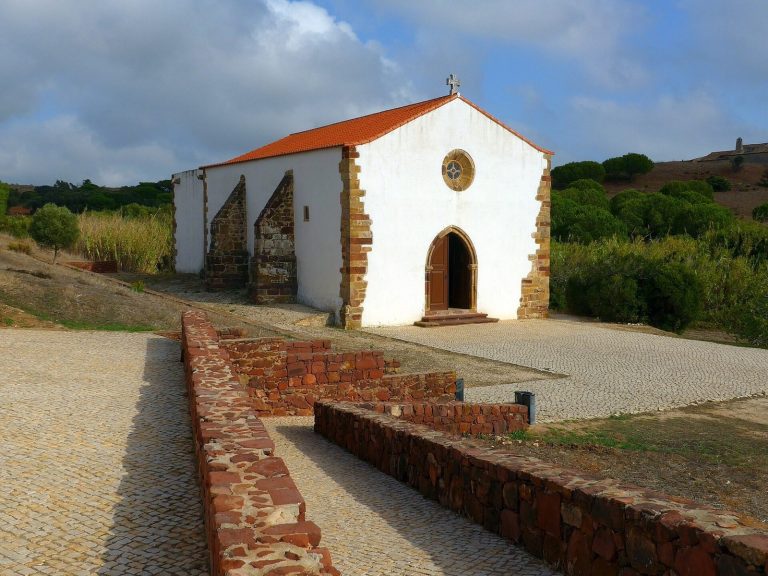
A small chapel occupies the fort’s eastern wing. Known as the Chapel of St. Catherine, it was first dedicated to St. Catherine and later rededicated to St. Anthony. Its ornate Baroque altarpiece, in a European artistic style that developed from the late sixteenth century, was moved in late 1997 to the Church of Our Lady of Grace in the nearby Fortress of Sagres.
Former barracks and tea house
A tea house was built around 1960 on the foundations of the former barracks.