Achaemenid Sites: Explore Persian Palaces, Royal Tombs and Fortified Settlements
Achaemenid sites include the palace terraces of the Persian kings, tombs cut into cliffs and settlements in the empire’s western territories. In Iran, column bases, stone doorways and carved staircases preserve the layouts and decoration of royal residences. Examples in Cyprus and Turkey add fortified palaces and Lycian burial monuments, showing the different building traditions found within the empire.
The collection brings together places associated with Achaemenid rule, including cities whose buildings span several periods. The examples below focus on the royal architecture and local remains that belong to that setting.
Primary Function: All
Type: All
Country: All
Popularity: All
Rating: All
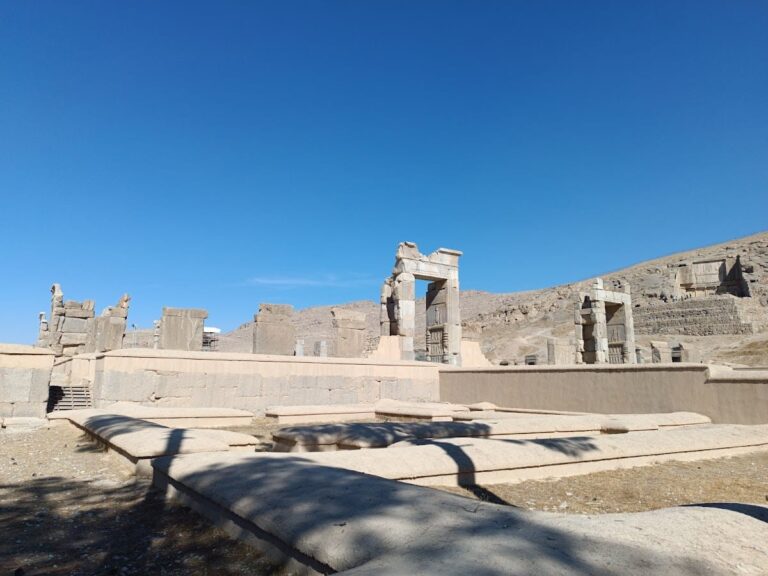
Persepolis was an Achaemenid royal capital established by Darius I in the late sixth century BC. Its terraces, palaces, reliefs, archives, gardens,…
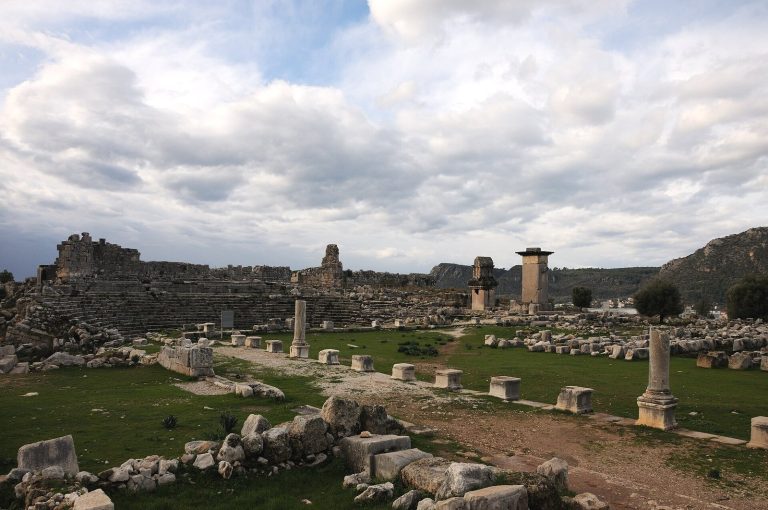
Xanthos was an ancient Lycian city and regional center whose history spans Persian, Greek, Hellenistic, Roman, and Byzantine rule. Its inscriptions,…
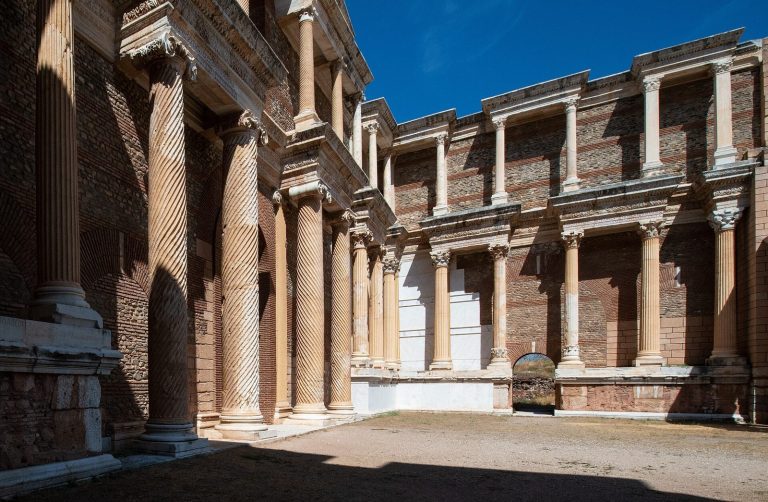
Sardis in western Türkiye developed from a Late Bronze Age settlement into the capital of Lydia, a Persian provincial center, and an important Roman…
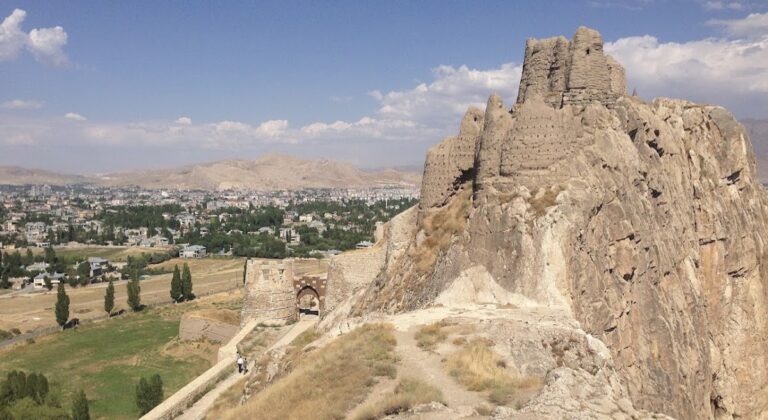
Van Fortress is a major Urartian stone citadel in Türkiye, built between the ninth and seventh centuries BCE above Tushpa, the kingdom’s capital. Its…
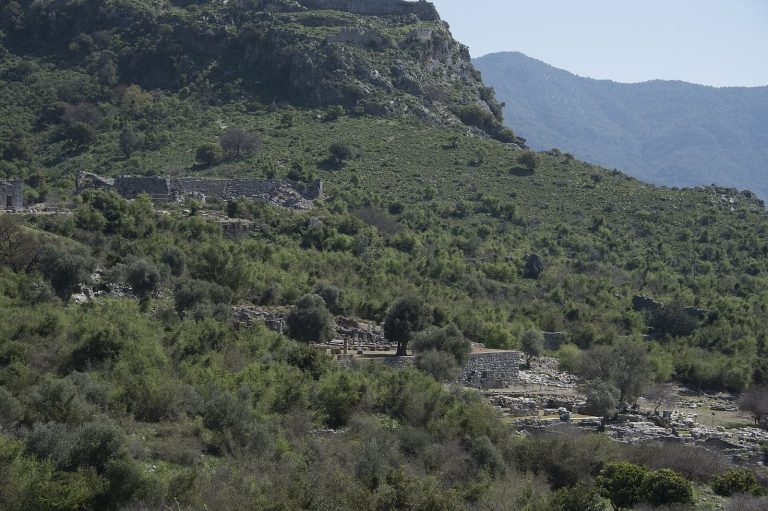
Kaunos was an ancient Carian port near Dalyan that passed through Persian, Hellenistic, Roman, Byzantine, and Turkish periods. Its remains include…
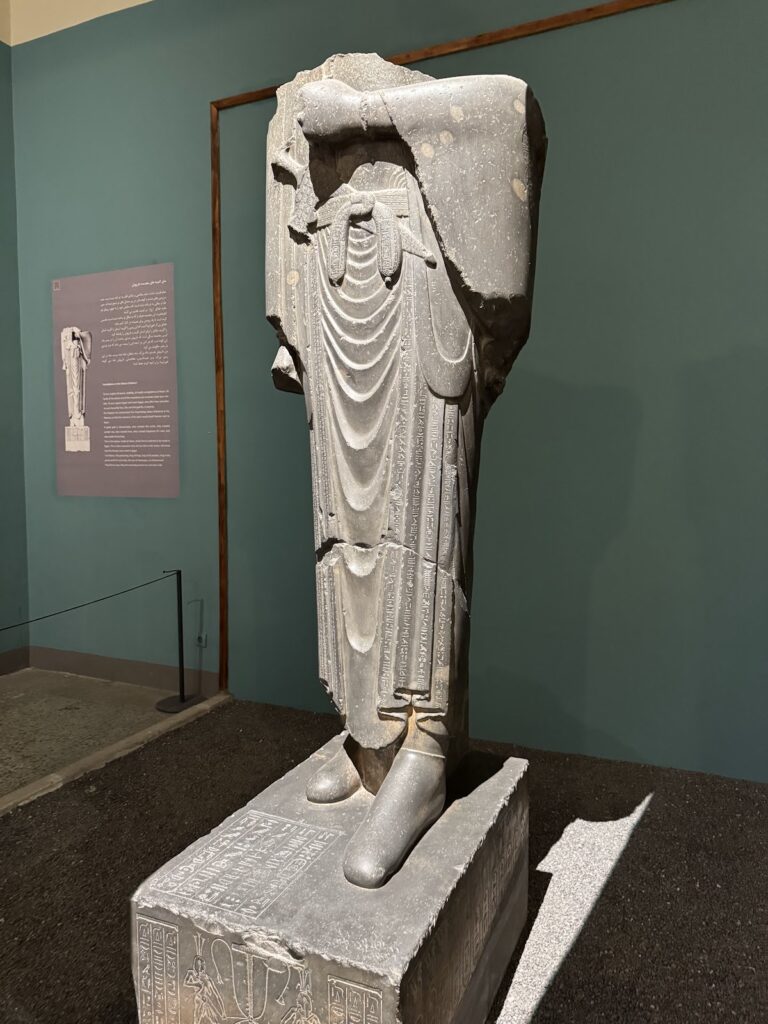
Established in Tehran in 1937, the National Museum of Iran preserves and displays archaeological finds and material culture from Iran’s ancient and…

Naqsh-e Rustam in Fars Province preserves Achaemenid royal tombs, Sasanian reliefs and inscriptions, and earlier Elamite sculpture. Used from about…
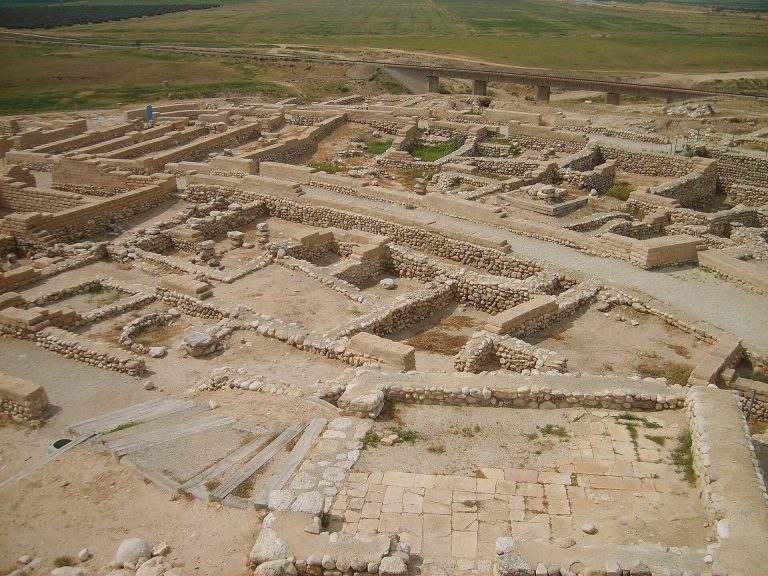
Tel Be'er Sheva preserves the remains of an ancient settlement identified with biblical Beersheba, including a fortified Iron Age city, a…
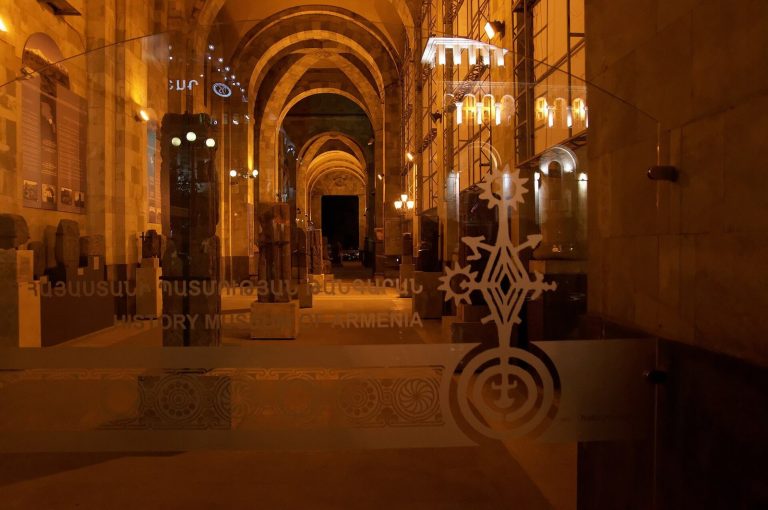
The History Museum of Armenia traces the country’s history from the Paleolithic era to the present through archaeological, ethnographic, numismatic,…
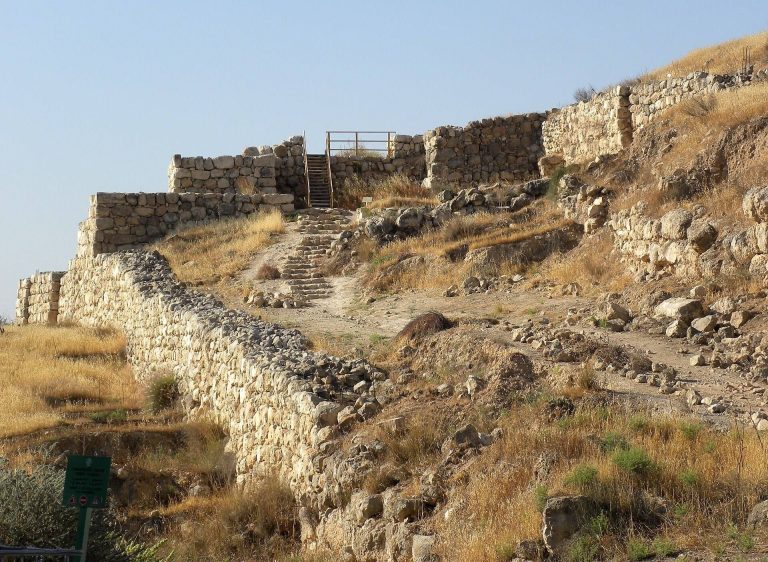
Lachish was a major city of the southern Levant, developing from Neolithic occupation into a fortified Canaanite and Judahite stronghold. Its remains…
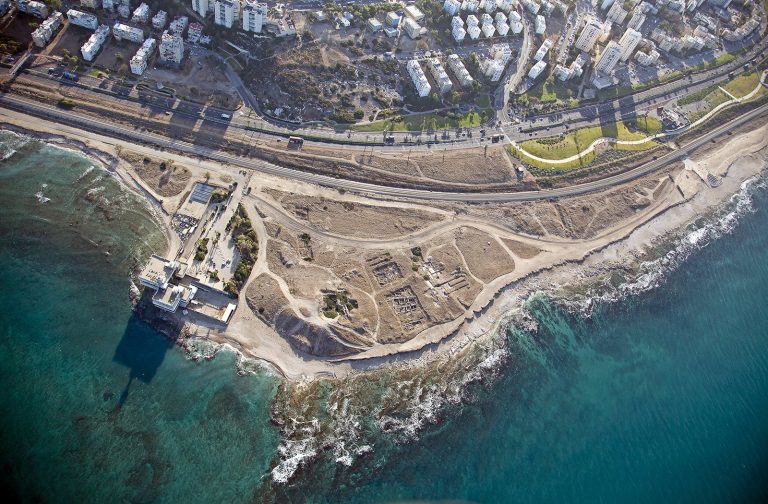
Tel Shikmona was a long-lived coastal settlement on Israel’s Carmel coast, known for maritime trade, olive-oil production, and large-scale Iron Age…
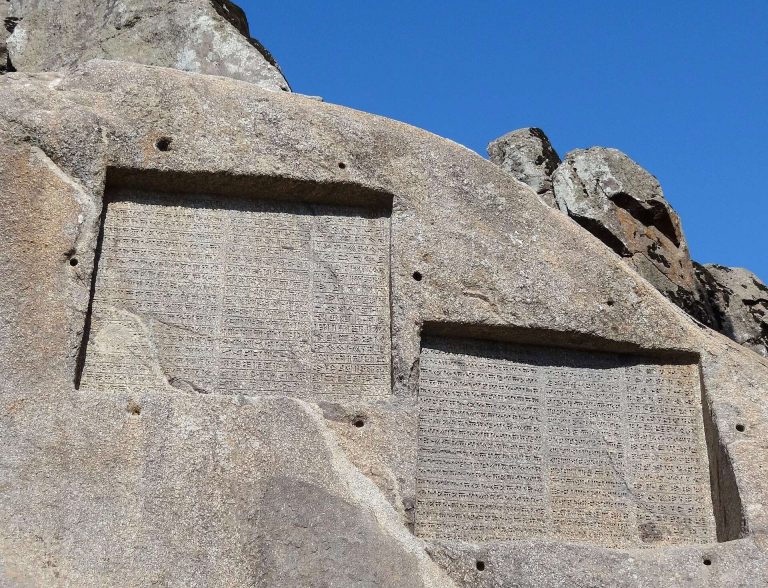
The Ganj Nameh inscriptions are two Achaemenid royal texts carved around 500 BC on Mount Alvand near Hamadan, Iran. Associated with Darius I and…
For details on how to use the maps, which sites are included, how popularity and ratings are determined, and how sites are classified, see the help page.
On this page5 sections
Palaces and audience halls
At Persepolis, the stairways of the Apadana audience hall carry processions of delegations approaching the king with animals, vessels and other gifts. Differences in clothing, headgear and what each group carries distinguish the figures along the stone panels. These reliefs place the peoples of the empire directly on the approaches to its royal halls.
Standing columns, carved doorframes and palace platforms survive above the terrace. Much of the mud-brick walling and the timber roofs have disappeared, leaving the stone elements to mark entrances and the divisions between ceremonial spaces. Traces of pigment show that the sculpture and architecture were once coloured.
Susa preserves a second royal palace layout, established by Darius I and rebuilt under Artaxerxes II. Its excavated courts lead towards an audience hall whose roof was supported by six rows of six columns. The foundations and column remains trace the arrangement of a residence built on a large artificial terrace. The famous glazed-brick archers and lions recovered here are now in the Louvre; their original setting was the palace’s decorated walls.
Royal gardens and freestanding tombs
At Pasargadae, the tomb of Cyrus stands on six broad steps, with a small gabled burial chamber above. Its compact limestone structure survives separately from the more widely spaced palace buildings, whose platforms and column remains extend across the plain.
Stone-lined water channels connect the palace garden areas. Small basins inserted along them slowed the flow and collected sediment, combining irrigation with the ordered arrangement of water around the royal buildings. These excavated channels make the garden plan readable even though the planting and most of the pavilions have gone.
Fortified palaces and courtyard water supplies
Vouni Palace occupies a high coastal plateau in Cyprus. Its early fifth-century BC foundation is associated with a local ruler aligned with Persia and the control of nearby Soloi. The excavated complex contains reception spaces, stores, kitchens and bathing rooms, with a temple of Athena on the highest ground.
The palace had to collect rainwater in its exposed position. Roof drainage fed a courtyard cistern, placing water storage within the arrangement of the residence. The surviving room plans show how domestic services and supplies fitted into a fortified palace beyond the Persian heartland.
Rock-cut tombs and pillar monuments
The rock faces at Naqsh-e Rustam carry four Achaemenid royal tombs. Above the carved palace-like portico on each façade, the king appears before a fire altar, standing on a platform supported by rows of figures representing the empire’s peoples. The scene extends the royal imagery found at Persepolis into the setting of a burial monument.
Behind the high entrances are comparatively plain chambers with spaces for burials. The tomb of Darius I is identified by its inscription. The large Sassanid reliefs lower on the cliff were added centuries later and belong to a different Persian dynasty.
At Xanthos, tall stone burial monuments preserve a local Lycian tradition from the period of Persian rule. Pillar tombs lift their burial chambers or sarcophagi well above ground level. Two were retained beside the theatre when that part of the city was developed in later centuries.
The Harpy Tomb carries relief panels around its elevated chamber. Replicas occupy the positions of the originals, which are held in the British Museum. These monuments belong to Lycian rulers and communities; their form differs from the cliff tombs of the Achaemenid kings in Iran.
Explore the collection
Explore sites on the map or in the grid. Map icons reflect each site’s primary function, helping you identify different kinds of places at a glance. Narrow the results by country, primary function, site type or era, with additional filters for popularity and rating. Select a map marker to view the site’s details and open its article, or open the article from its grid entry.