Shinjō Castle: Seat of the Shinjō Domain in Japan
Site at a Glance
- Country
- Japan
- Primary era
- Early Modern
- Eras represented
- Early Modern
- Civilizations
- Tokugawa
- Site type
- Military
- Remains
- Castle
On this page8 sections
History
Shinjō Castle was a flatland castle built by the Tozawa clan in Japan during the 1620s. It became the seat of the Shinjō Domain and its ruling family for most of the Edo period.
Foundation and domain rule
After the Tokugawa shogunate, Japan’s military government during the Edo period, subdued the regional Mogami warrior house, Tozawa Masamori moved from Hitachi-Matsuoka Domain to Dewa Province in September 1622. Dewa was a historical province. Masamori, a daimyō (territorial lord), had previously governed a domain assessed at 40,000 koku, a measure of rice yield used to express a domain’s income. His new territory, covering present-day Mogami District and part of Murayama District, brought in 60,000 koku, later rising to 68,200.
Masamori first occupied Sakenobe Castle, a hilltop stronghold he judged too small and inconveniently placed. He obtained permission from the shogunate to build a castle on the plain, and construction followed in the 1620s. The project also altered routes into town. The Eastern Road, which had followed foothills, was redirected through the castle town. A route from Shōnai that had passed along the river and through settlements was shifted over a pass. Shops gathered along the highway, while craft quarters were established elsewhere in the town.
Fire, war, and abandonment
In 1636, lightning set fire to the castle, destroying its three-story tower. The tower was not rebuilt.
In 1868, during the Boshin War, the civil conflict associated with the end of Tokugawa rule and the Meiji Restoration, Shinjō Domain first joined the Ōuetsu Reppan Dōmei, an alliance of northeastern domains supporting the shogunate. The domain left the alliance after Kubota Domain defected. Neighboring Shōnai Domain then invaded, and the Battle of Shinjō destroyed the castle and much of the castle town in a fire. The domain lord fled to Kubota. Shōnai forces remained until September and then withdrew. Shinjō regained control, but the castle was abandoned and abolished that year.
Remains
Castle layout and surviving features
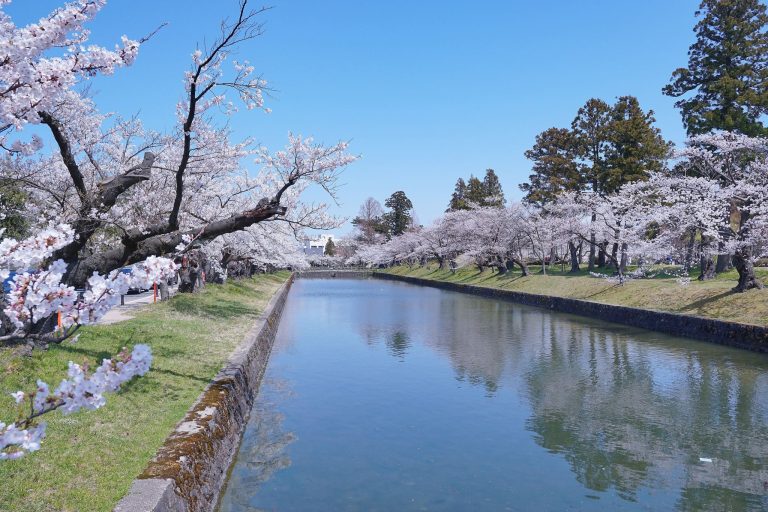
The castle followed a ring-style plan, with outer fortified sections surrounding inner ones. Its main enclosure, a fortified section of the castle, stood beside a smaller second enclosure to the south; a third enclosure enclosed both. A river north of the castle supplied water to the moats.
Enclosures and defenses
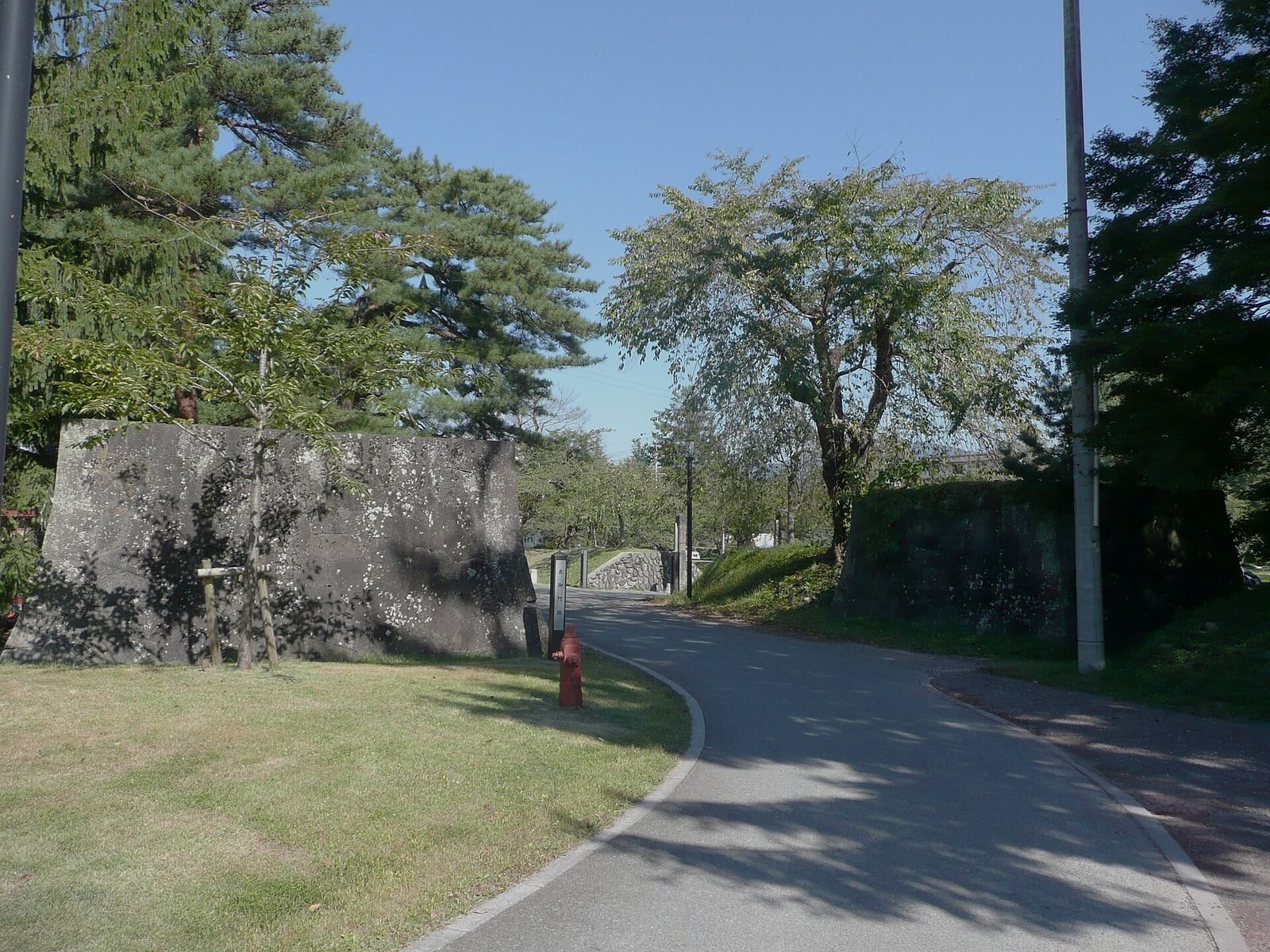
The main enclosure held a palace and the three-story castle tower, while government offices occupied the third enclosure. Earthworks, moat sections, walls, and foundations survive, including foundations identified as belonging to a castle gate. Traces of the third enclosure’s moat have been found near the city’s elderly-welfare and health centers. The moat outside the third enclosure was also known as the second moat. Beyond it, in present-day Horibatamachi, stood samurai residences, including homes of senior retainers.
Shrines and parkland
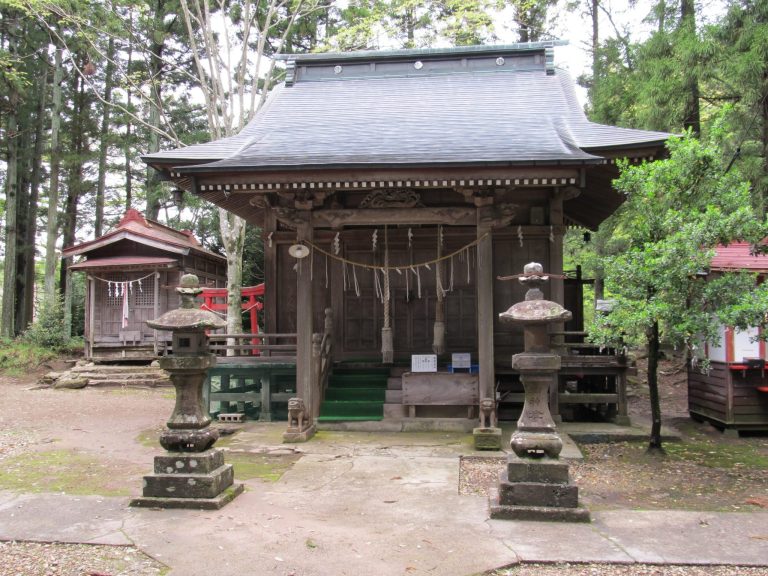
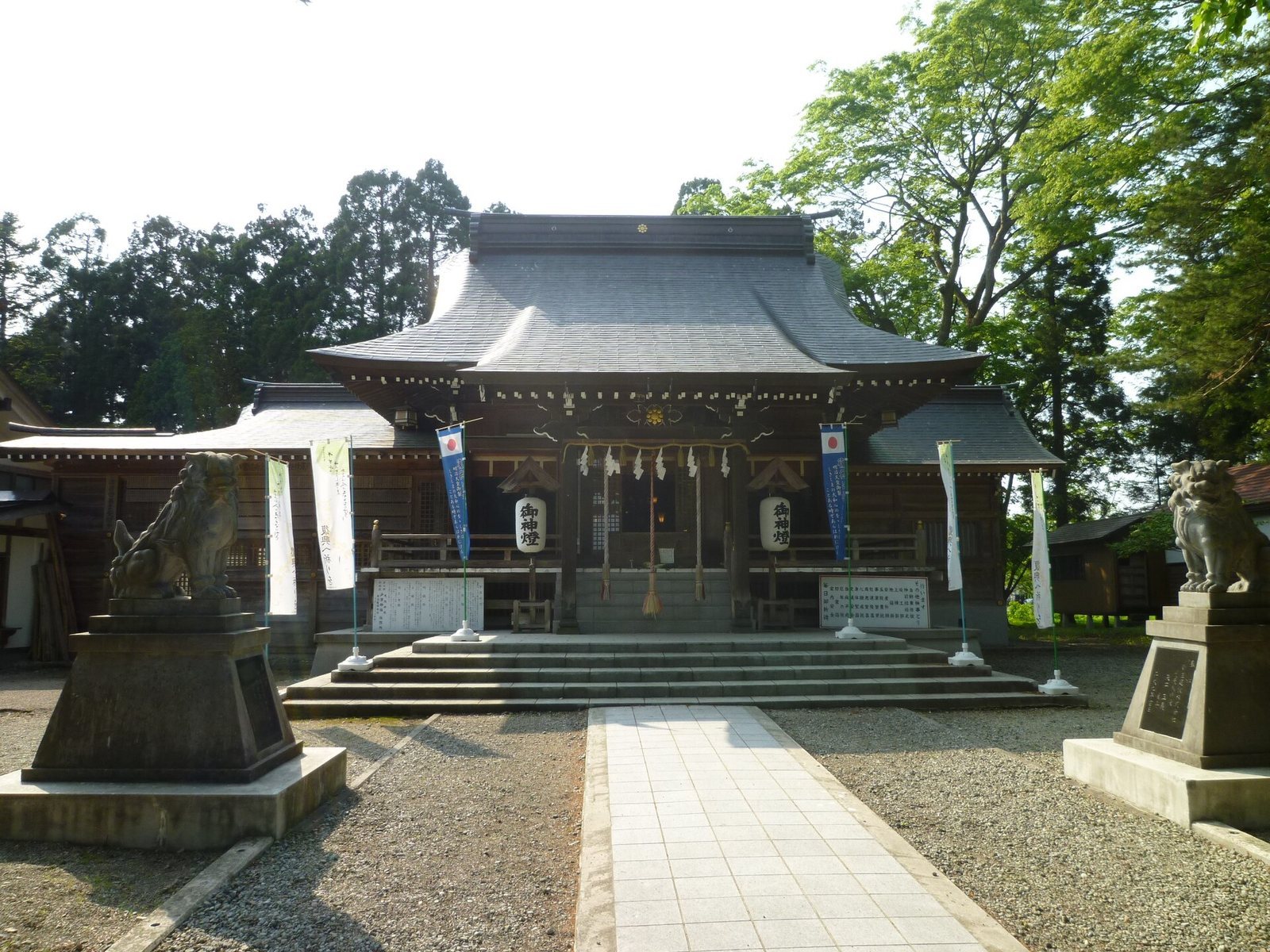
The former main enclosure and second enclosure now form part of Mogami Park, and the former tower site lies within the public park. Four shrines stand on the main-enclosure grounds: Tozawa Shrine, Gokoku Shrine, Inari Shrine, and Temman-gu Shrine. Shinto is Japan’s indigenous religious tradition; Gokoku shrines commemorate war dead, and Inari is a deity associated with rice and agriculture.
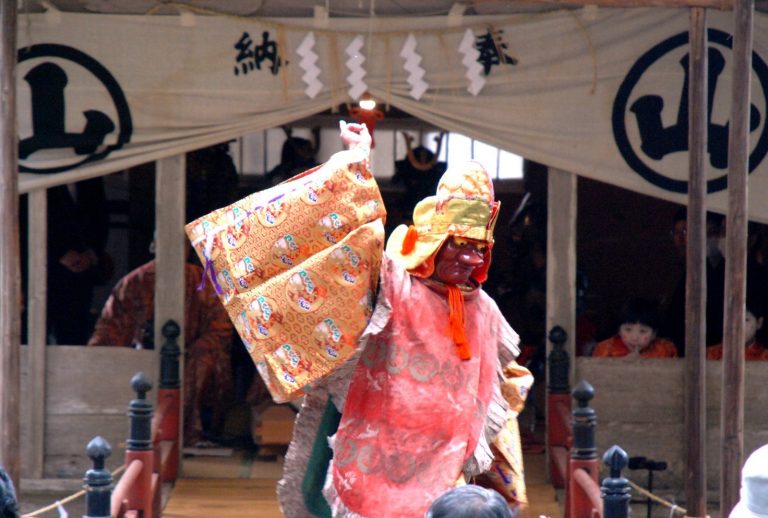
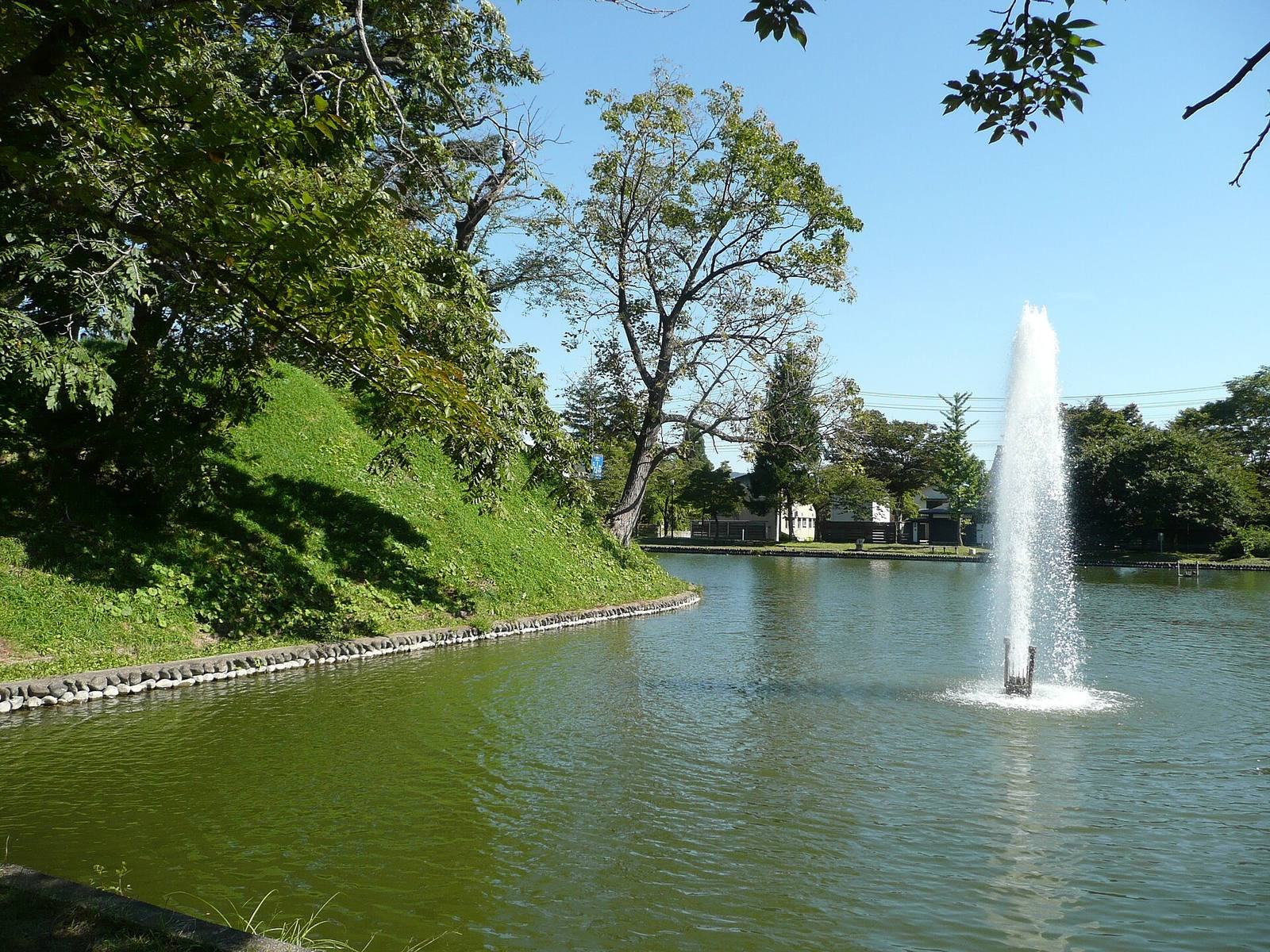
Temman-gu, the Tozawa clan’s guardian shrine, has stood on the site since the domain period and is the only original castle building to survive. The summer Shinjō Festival is associated with the shrine. A pond in the park is shaped like the character for “heart” and was designed by a person born in Shinjō. A history museum occupies part of the former third enclosure.
Castle-town streets
Some parts of the former castle town retain their historic street pattern, including winding roads and T-junctions.