Château de Flers: A Seventeenth-Century Rural Residence in Villeneuve-d’Ascq
Site at a Glance
- Rating
- 5
- Popularity
- Very Low
- Country
- France
- Primary era
- Early Modern
- External website
- Open
- Eras represented
- Early Modern
- Civilizations
- French
- Site type
- Domestic
- Remains
- Castle
On this page7 sections
History
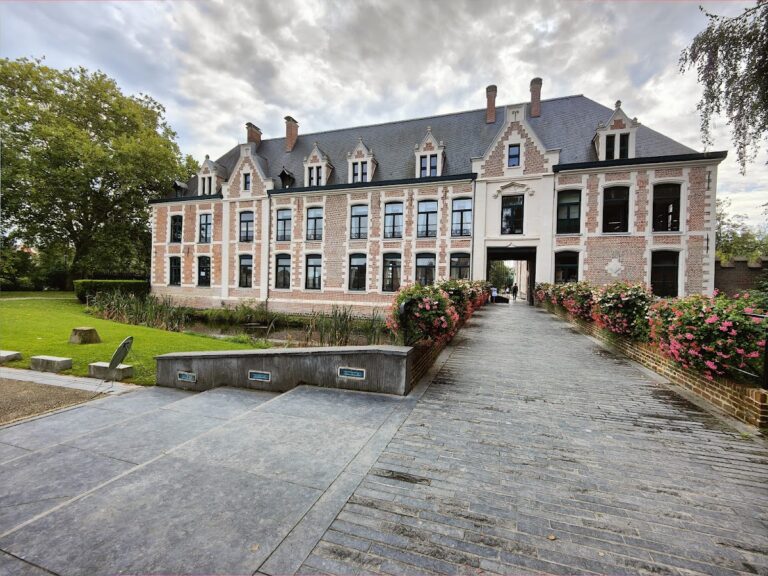
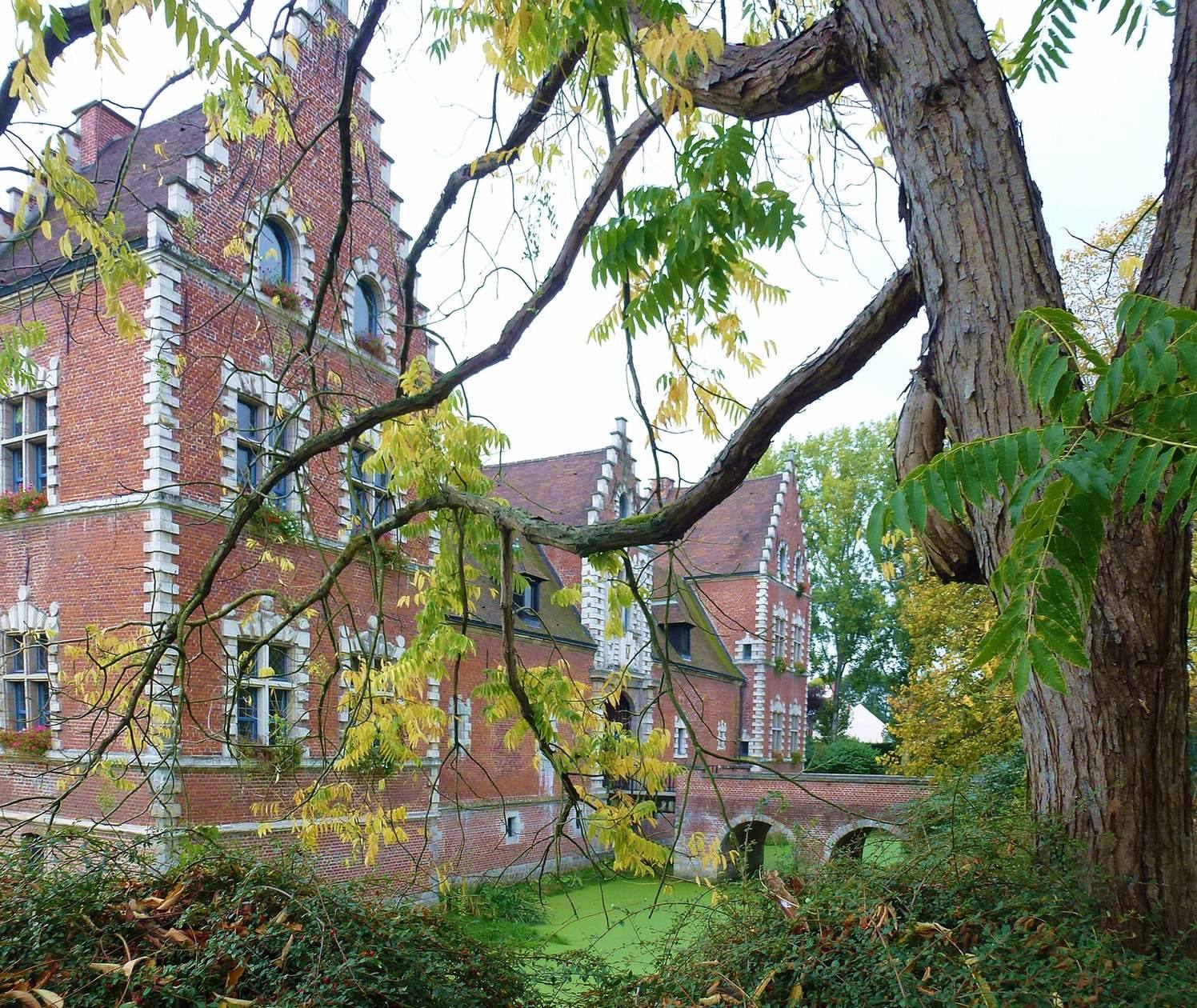
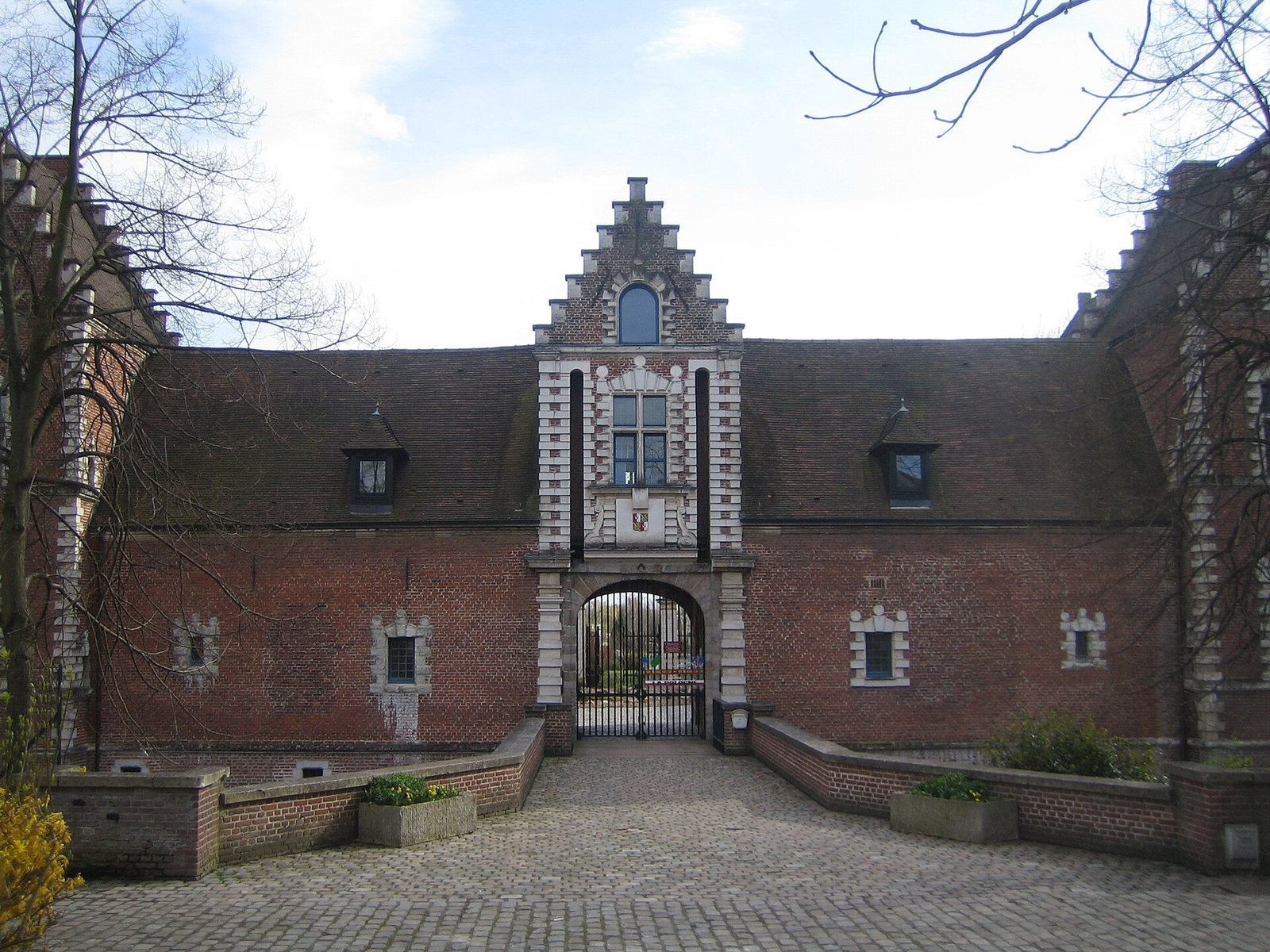
Château de Flers is a seventeenth-century rural residence in Villeneuve-d’Ascq, France, built in the Flemish rural architectural tradition and completed in 1661. In the early seventeenth century, the village of Flers belonged to the viscounty of Croix, a territory associated with a viscount. An illustrated record of places linked to the Croÿ family, made in 1603, depicts a manor-like building that may be the present château.
Origins and the De Kessel family
In 1656, Bonne Françoise de Haynin received the residence known as the Domaine de Mastaing from her parents, Henri de Haynin and Marie de Louvel. She brought it as her dowry when she married Michel de Kessel in 1661. The estate was altered or demolished to make way for the château, completed that year. The De Kessel family, lords of Flers, owned it from 1667 to 1747. A land register belonging to the Priory of Fives, a religious house governed by a prior, also lists the château in 1733.
In 1745, Philippe Charles de Kessel gave the county of Wattignies to his maternal uncle, Charles de Lannoy. Philippe Charles died without children, and his possessions and lordships returned to the House of Kessel. In 1747, the château passed to his cousin Philippe André de Baudequin, lord of Sainghin.
Baudequin, Diesbach, and the Revolution
Marie Claire Josèphe de Baudequin married Swiss Count Ladislas de Diesbach in 1770. An officer in the Swiss Guards serving the French king, he inherited the château after her death in 1791 and became the last lord of Flers, although he did not live there. The building was altered around 1787.
During the French Revolution, two of the count’s aunts returned to Switzerland. The château was first placed in the care of bailiff Lerouge, who fled, and then of gardener Ridez. It was devastated but not confiscated because it belonged to a foreigner.
Farm use and public ownership
During the nineteenth century, the château became a farm known as Ferme d’en Bas, or Lower Farm. The name Château de Flers refers to the nearby former village of Flers-lez-Lille. Paul Delesalle-Dewas acquired the agricultural estate in 1936 and 1937. The château received French Historic Monument status in 1951, a form of legal heritage recognition and protection, and faced the threat of demolition in 1965.
The French state acquired the building in 1969 in connection with an eviction related to EPALE, the public development authority responsible for planning the Lille-Est area. Ownership passed to the urban community in 1973 and to the municipality of Villeneuve-d’Ascq in 1986. Preservation work took place in 1974–75 and again in 1979. Since 1991, the château has housed the town’s tourism office and municipal services.
Remains
Plan and exterior
The château’s surviving plan consists of north and west wings meeting at right angles; its original arrangement also included a third wing on the east. The two preserved wings contain the main residential building. A later bridge replaced the original drawbridge and remains in place. The gallery of arches dates to around 1787.
Interiors and basement
Alterations around 1787 included removing the dividers between windows, replacing ceilings with exposed beams with ceilings divided into recessed panels, and installing new chimneys. The interiors of the two preserved wings were restored between 1986 and 1991. Four basement rooms have housed an archaeological museum since 1991, with temporary exhibitions on archaeology, local history, and regional ethnography.