Museo civico archeologico Monte Rinaldo: An Archaeological Museum in Italy
Site at a Glance
- Country
- Italy
- Primary era
- Medieval
- Eras represented
- Medieval, Early Modern
- Civilizations
- Papal States
- Site type
- Religious
- Remains
- Church
On this page10 sections
History
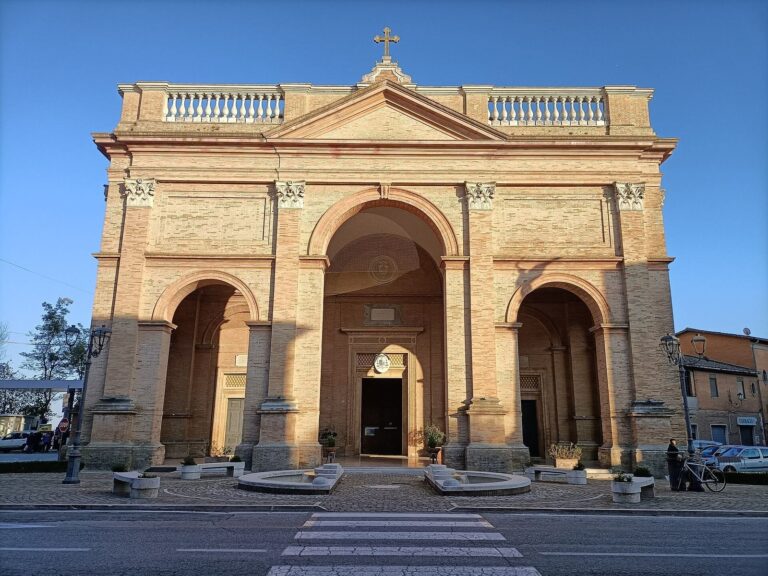
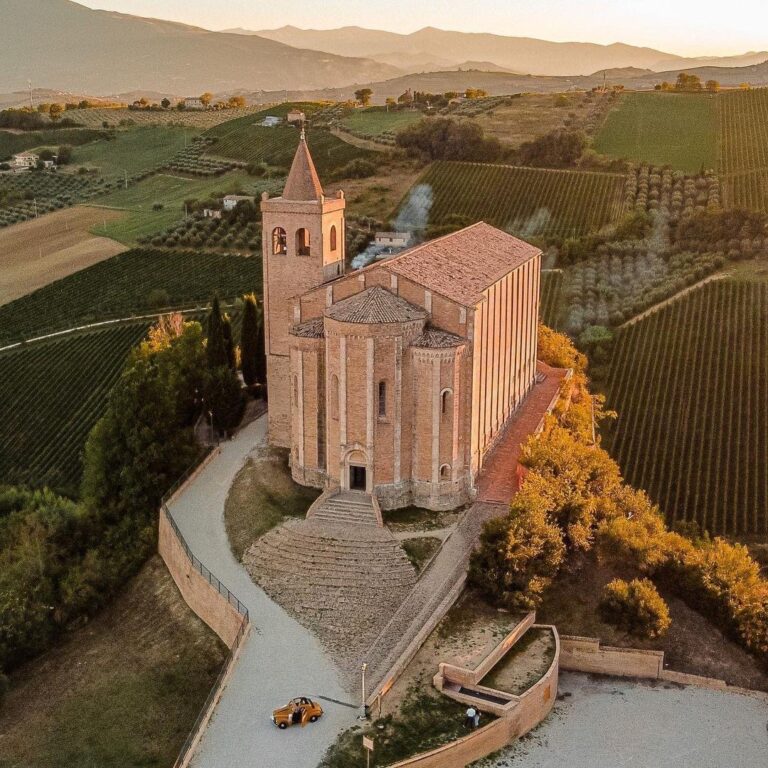
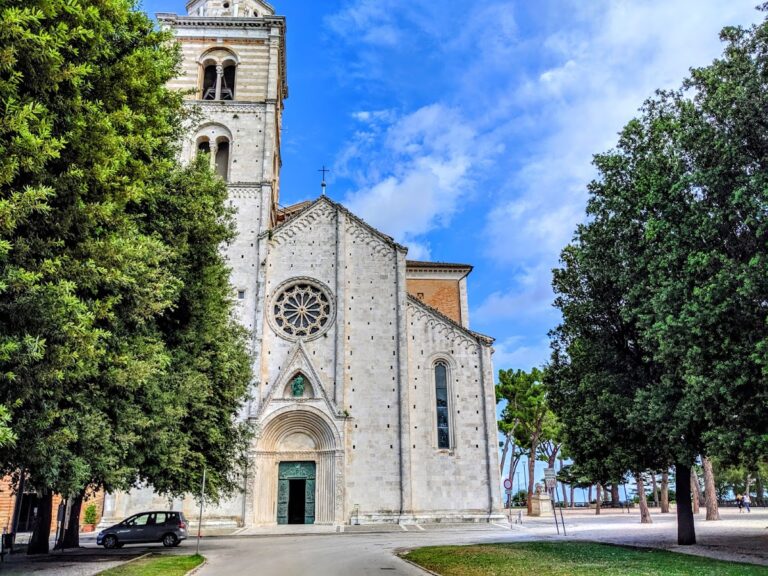
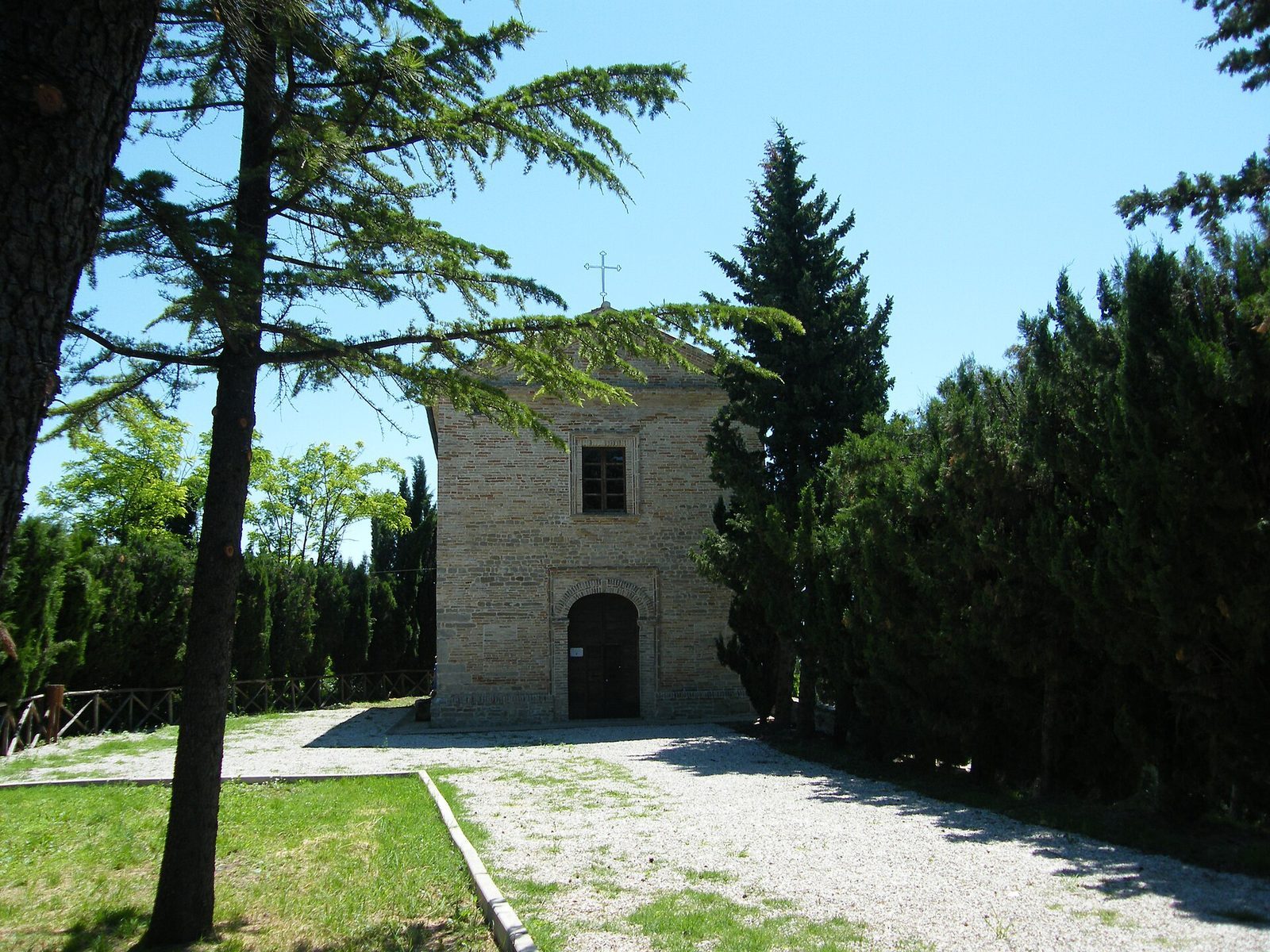
The Museo civico archeologico Monte Rinaldo is an archaeological museum in Monte Rinaldo, Italy. It occupies the former Romanesque Church of the Holy Crucifix, built in the first half of the 12th century and rebuilt in 1662.
The sanctuary at La Cuma
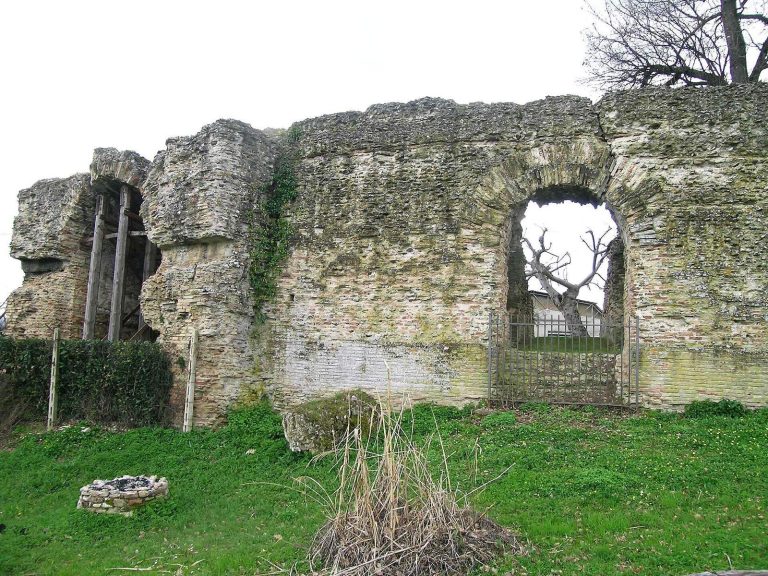
The museum presents finds from the Hellenistic-Roman sanctuary at La Cuma, an extra-urban place of worship outside a town. The objects shed light on religious practice and life at a sanctuary in central Italy, as well as its importance during a period of alliance between Rome and the Piceni, an ancient people of the Adriatic region. Some offerings were dedicated to gods in appeals for healing or the protection of health. The sanctuary’s deity has not been identified, though the offerings have prompted the suggestion that healing was part of its cult.
Excavation and museum
Excavations at La Cuma took place in the 1950s and 1960s. Since 2008, the museum has displayed some of the finds in its church setting and has formed part of the Sibillini Museum Network. Other objects from the sanctuary are held by the National Archaeological Museum of the Marche in Ancona.
Remains
The museum combines the Romanesque church interior with a collection arranged by object type and date, helping relate the finds to where they were discovered.
The former church
Large sandstone blocks, probably taken from the archaeological area at La Cuma, are built into the church façade. Inside are two Baroque altars decorated with stucco and another altar carved entirely from wood.
Sanctuary material
Terracotta architectural decoration
Terracotta panels from the sanctuary retain traces of vivid original color. They once protected horizontal beams, sloping roof surfaces, and the ends of roof beams. Shallow carvings of plant forms date to the 2nd century BC and have parallels at sanctuaries along the Adriatic. Floral panels with shallow or more strongly raised designs date to the 1st century BC and resemble examples from central Italy. One panel, made by hand rather than in a mould, shows bell-shaped flowers and a dove.
Roof-edge ornaments
Decorative plaques called antefixes, fixed along a roof edge, portray Hercules and Potnia Theron. Hercules, a hero of Greek and Roman mythology, is shown with a lion skin covering his head and shoulders, an attribute associated with his strength. Potnia Theron, meaning “Mistress of Animals,” appears as a winged female figure in a long garment holding the paws of two panthers. This imagery was widespread in Latium and Abruzzo from the 3rd to the 2nd century BC.
Temple sculpture
Free-standing sculptures once decorated the triangular upper end of the temple roof. The surviving pieces include male and female heads and fragments of drapery and limbs, dated to the 2nd century BC and noted for their artistic quality. They have been compared with the reliefs of the Pergamon Altar, a major Hellenistic monument whose sculptures are now in Berlin’s Pergamonmuseum. The artistic models reached central Italy through Etruscan traditions, which adapted them to local taste.
Ceramics and other finds
The collection includes plates, containers, and cups from different periods. An inscribed plate is dedicated to Jupiter, a principal god of Roman religion; some scholars have suggested that it may refer to the deity worshipped at the temple. Other finds include Roman coins, one associated with Cornelius Scipio Asiagenus, and an unvarnished cylindrical lamp. Bronze fibulae, ancient pins used to fasten clothing, stamped roof tiles, and finely detailed female figurines of the Tanagra type are also displayed. The figurines take their name from models associated with Tanagra, an ancient town in Boeotia.