Kōnomine Castle: A Mōri Stronghold in Yamaguchi
Site at a Glance
- Country
- Japan
- Primary era
- Early Modern
- Eras represented
- Early Modern
- Civilizations
- Mōri
- Site type
- Military
- Remains
- Castle
On this page5 sections
History
Kōnomine Castle is a mountain castle in Yamaguchi, Japan, whose construction began in 1556 under Ōuchi Yoshinaga to defend the Ōuchi clan’s residence. After the Ōuchi fell, the castle became a base for Mōri rule in Yamaguchi.
The Ōuchi crisis and construction
The castle was built amid a struggle for control of the Ōuchi house. In 1551, the Tainei-ji Incident, a coup that overthrew and killed clan head Ōuchi Yoshitaka, brought Yoshinaga to power. Sue Harukata and other retainers installed him as the new head. After the 1555 Battle of Itsukushima, a major clash between Mōri and Sue forces, Sue was defeated and killed, leaving the Ōuchi badly weakened. The threat posed by Yoshimi Masayori of Iwami and Mōri Motonari helped prompt the castle’s construction.
When Mōri forces invaded Yamaguchi in 1557, the castle was unfinished. Yoshinaga sought refuge there, but he and his senior retainer Naitō Takayo soon abandoned it and fled to Katsuyama Castle in Nagato. Both later died by suicide.
Mōri rule and the 1569 siege
After the Ōuchi clan’s fall, the Mōri resumed construction and completed the castle. Ichikawa Tsuneyoshi, a member of the Kikkawa clan, served as its governor.
In 1569, Ōuchi Teruhiro invaded Suō from Bungo with support from Ōtomo Yoshishige, the ruler of Bungo, and Ōuchi loyalists. After taking Yamaguchi, Teruhiro besieged Kōnomine Castle while Tsuneyoshi was campaigning in Kyushu. Tsuneyoshi’s wife directed the defense, which held. Teruhiro failed to capture the castle and later killed himself after Mōri forces returned from Kyushu and defeated him.
From regional stronghold to dismantling
Following the 1600 Battle of Sekigahara, a decisive conflict in Japan’s early modern political transition, the Mōri were left with the provinces of Suō and Nagato. Mōri Terumoto proposed Kōnomine, along with sites at Hagi and Hofu, as a possible new headquarters. The shogunate refused to allow the move to strategically important Yamaguchi, and Hagi Castle became the Mōri headquarters instead.
A shogunal policy issued in 1615, known as the One-Country-One-Castle order, restricted each province to a single castle and required Kōnomine to be dismantled. The site was abandoned in 1638 and later used as a defensive stronghold for Yamaguchi Castle. In 1959, the castle site was designated a National Historic Site as part of the Ōuchi clan sites, together with the ruins of Ryūunji Temple. In 2017, it was selected with the Ōuchi clan residence for the Continued Top 100 Japanese Castles list, at number 174.
Remains
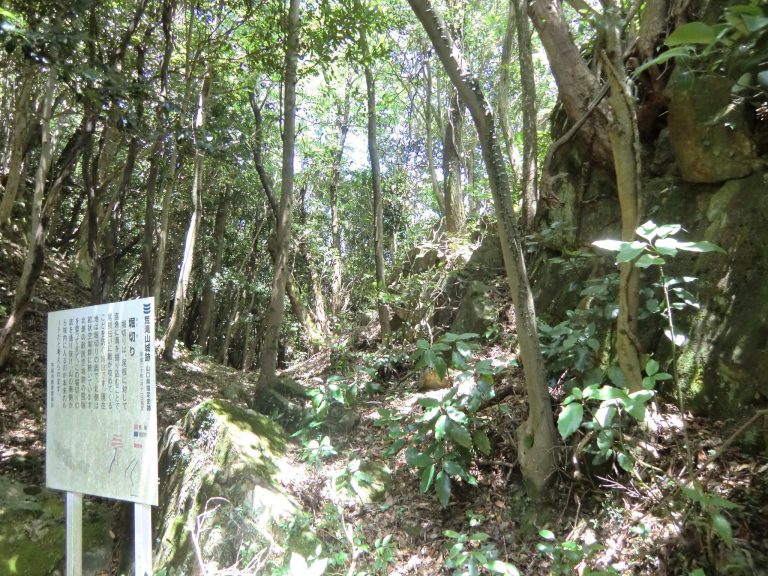
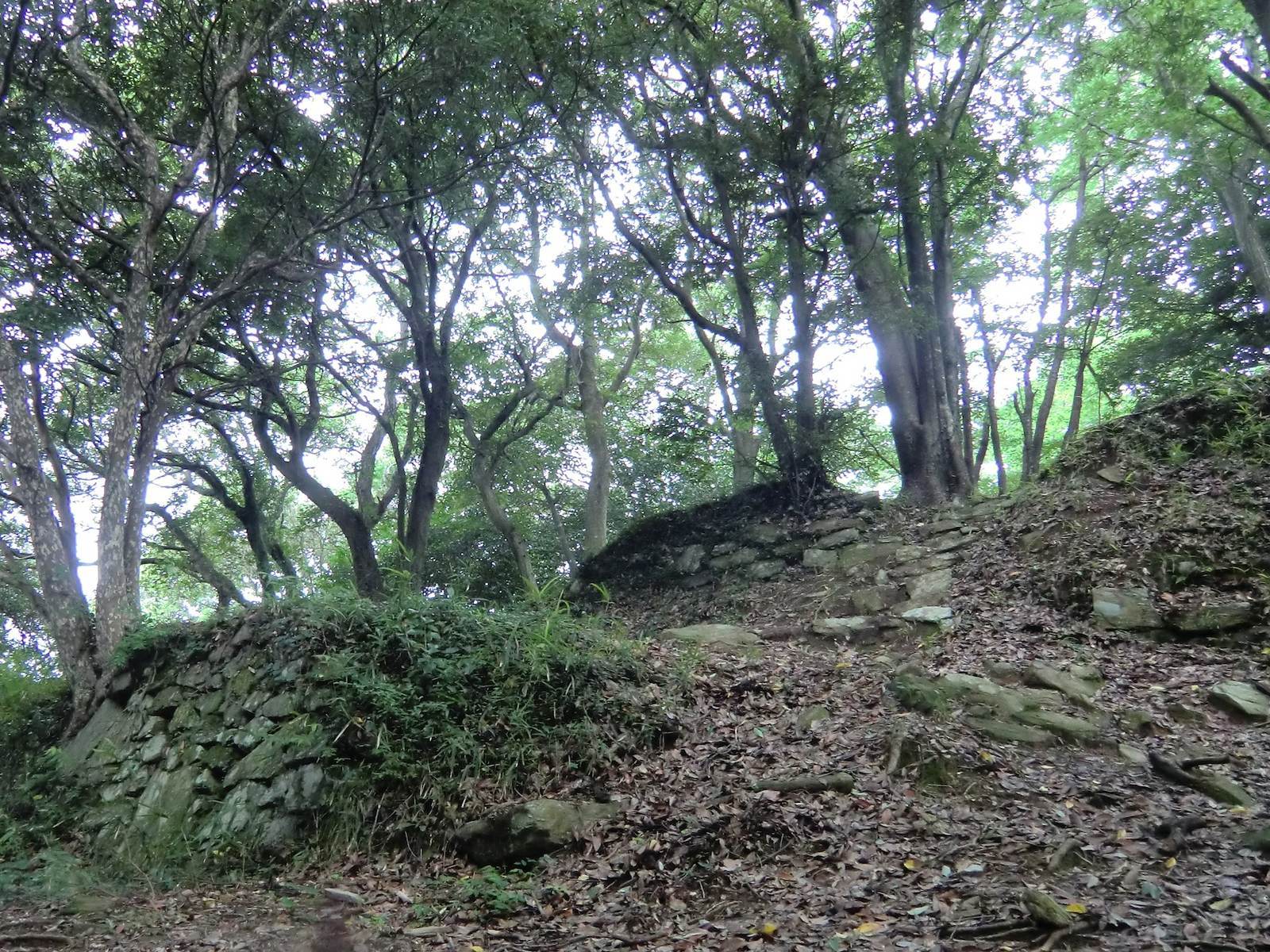
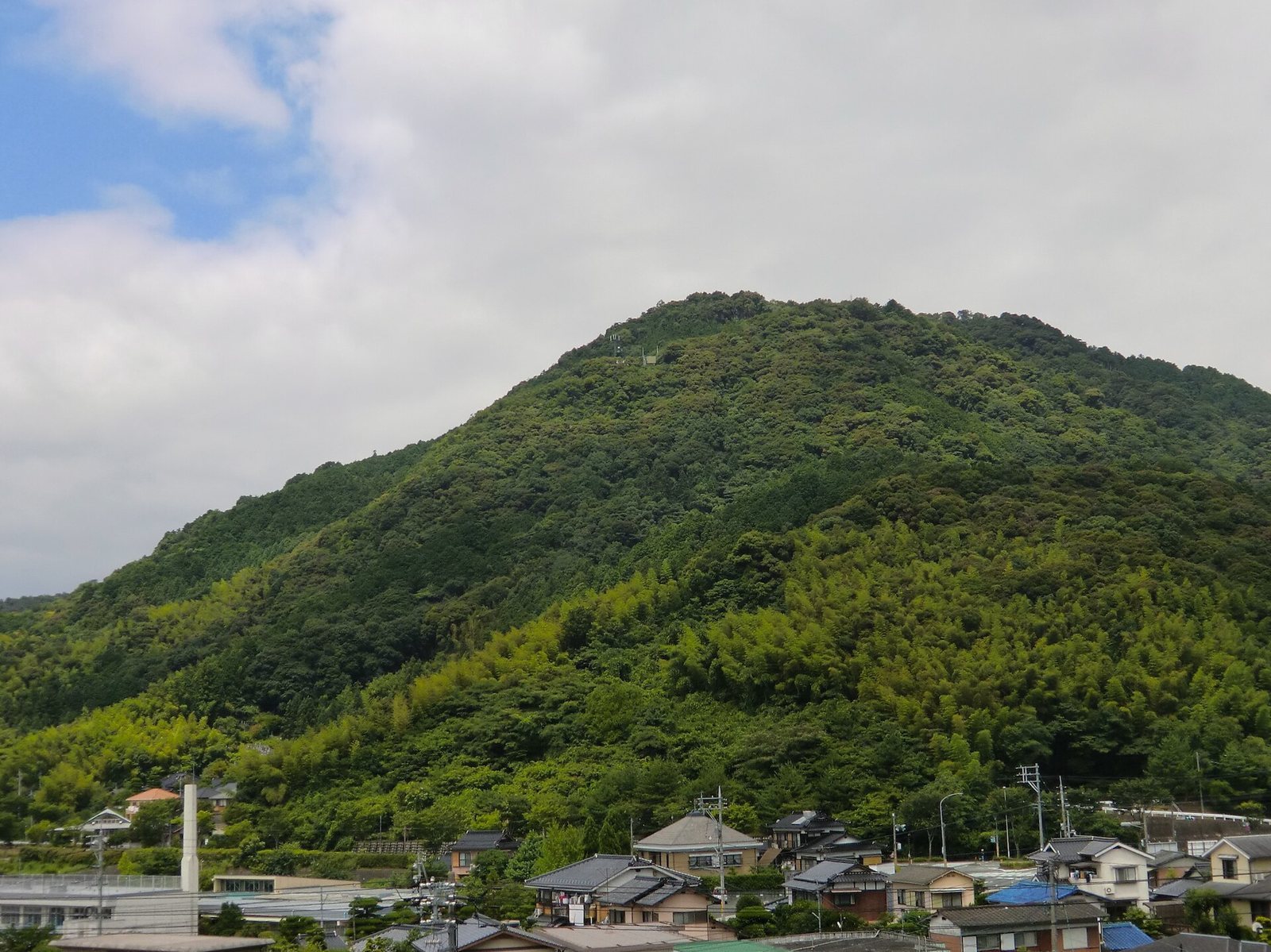
Kōnomine Castle occupied a peak 338 metres high. Its main enclosed area stood at the summit, with further enclosures extending along ridges in four directions. Stone walls surrounded the summit area, and foundation stones and roof tiles have been excavated. Surviving features include stone walls, enclosures, a well, and sections of moat; the stone remains are well preserved.
The Ōuchi clan residence and Tsukiyama residence lie south of the peak, while other major Ōuchi strongholds occupied nearby mountains. Mōri-built Nagayama Castle was also nearby, though it was never completed. Its site is now Kameyama Park.