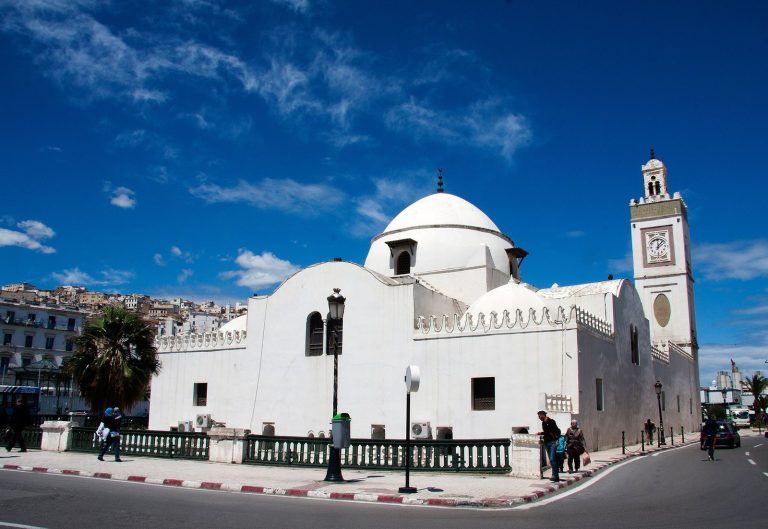
Zawiyet Sidi Boushaki: A Sufi Religious and Educational Center in Algeria
Site at a Glance
- Country
- France
- Primary era
- Medieval
- Eras represented
- Medieval, Modern
- Civilizations
- French
- Site type
- Religious
- Remains
- Sufi Lodge
On this page9 sections
History
Foundation and religious teaching
Zawiyet Sidi Boushaki is a historic religious and educational institution at Soumaa, also called Thala Oufella, south of Thénia in Algeria. It was a zawiya, a North African Sufi institution combining worship, spiritual instruction, and broader teaching. Founded by the scholar Sidi Boushaki, also known as Sidi Ibrahim bin Faïd al-Boushaki, in 1442, it began under Zayyanid rule, an era when rulers based at Tlemcen governed the central Maghreb. Its first stone was laid in 1440. The institution grew from a mosque and its complex is classified as Moorish in style, while the mosque itself followed Berber architectural style.
Boushaki taught at the mosque for eleven years before it was expanded with additional buildings. The institution’s main purpose was religious education. Students studied the Quran, Islamic sciences, Hadith (reports about the Prophet Muhammad), and Maliki jurisprudence, a Sunni tradition of Islamic law. Teaching texts included Malik ibn Anas’s Al-Muwatta, Khalil ibn Ishaq’s Mukhtasar Khalil, Ibn Abi Zayd al-Qayrawani’s Risala al-Fiqhiya, and Ibn Ashir’s Matn Ibn Ashir. Boushaki’s Tafsir Az Zaouaoui, also called Tafsir Sidi Boushaki, was the authorized Quran commentary. During a spiritual journey in the eastern Arab lands, he also wrote three commentaries on Mukhtasar Khalil.
Arabic grammar was taught through works including Ibn Malik’s Al-Alfiyya, the Al-Ajurrumiyya, and Ibn Hisham al-Ansari’s Qatr al-Nada. Boushaki wrote an explanation of Al-Alfiyya, and Arabic and Amazigh were both languages of instruction. The zawiya trained Quran memorizers and religious teachers who served mosques in Lower Kabylia. During Ramadan, its reciters were associated with the Warsh tradition of Quranic recitation in Tarawih, additional prayers performed during the month.
At its foundation, the institution followed the Qadiriyya, a Sufi order, or community shaped by a spiritual tradition. It later adopted the Rahmaniyya, which spread in Kabylia after the Sufi leader Sidi M’hamed Bou Qobrine returned to the region in 1768. Its other religious affiliations included Sunni Islam, Ash’ari theology, the Maliki school of law, and Junaydi Sufism, a tradition of spiritual teaching associated with al-Junayd. Instruction also included dhikr, devotional remembrance of God, and the prescribed practices known as wird and wazifa. Religious guides and order representatives initiated skilled Quran memorizers and reciters into roles associated with spiritual attainment and devoted religious learning. The institution also assisted people in need and those preparing for marriage, and held circumcision ceremonies.
Resistance and destruction in the nineteenth century
During the French conquest of Algeria, disciples of the zawiya joined resistance actions. These included the 1830 Dellys shipwreck, the 1837 raid on Reghaïa, and fighting at the Col des Beni Aïcha, Boudouaou, and Issers. In an engagement near the village in 1837, local fighters prevented French forces under General Maximilien Joseph Schauenburg from reaching the upper villages, helping spare the zawiya from destruction at that time. Its disciples also fought at the Col des Beni Aïcha in 1846 and at the Col and Boudouaou in 1871.
Emir Abdelkader, the Algerian religious and political leader of resistance to French conquest, stopped at the zawiya during a journey through the region in 1839. The religious leaders welcomed him with celebratory gunfire and a meal. He left after nightfall rather than sleep there, seeking to avoid possible French spies, and warned the village before his departure that peace with France remained fragile.
In 1844, during fighting at the Col des Beni Aïcha under French commander Thomas Robert Bugeaud, French forces attacked villages of the local Kabyle community and demolished homes and religious institutions. Thala Oufella was left in ruins, and the zawiya was not rebuilt until after 1880. In 1890, Ali Boushaki, son of the imam and Rahmaniyya representative Muhammad Boushaki, rebuilt and enlarged it. Muhammad, also known as Mouh Ouali, had survived the 1844 attack, later became an imam and religious jurist in Lower Kabylia, and served as a Rahmaniyya representative around Aith Aïcha.
Reconstruction and the Algerian War of Independence
The zawiya continued to supply imams to local mosques during the Algerian War of Independence. Members of its community also joined the struggle. Yahia Boushaki became a prominent leader in the Fourth Historic Wilaya, one of the independence movement’s territorial command regions. He was killed near Meftah on 28 December 1960 while his unit prepared an attack. Imam Ibrahim Boushaki also took part in the Battle of Algiers.
After the independence movement’s Soummam Conference in August 1956, which organized the liberation effort, French forces devastated villages in the area. In 1957, artillery destroyed Thala Oufella and razed the zawiya. Several fighters sheltering in its cellar died beneath the rubble. Other members of its Sufi community were detained and tortured at the Ferme Gauthier detention center near Oued Isser, where some died. French troops also evacuated village elders, women, and children. Across the Thénia and Souk el Had mountains, the destruction and displacement were associated with about 1,000 deaths.
After Algerian independence, many residents of the surrounding mountain villages had moved away, including to Algiers and its suburbs, and the zawiya was not rebuilt. Some families returned to Thénia and Souk el Had. In 2008, the site entered Algeria’s supplementary inventory of cultural heritage under the country’s 1998 heritage-protection law. Volunteers cleaned the site in 2011.
Remains
Site and architectural layout
The site occupies a summit of the Tell Atlas, on the northeastern heights of the Khachna Massif, at about 410 metres above sea level. It overlooks Oued Meraldene and Oued Isser, watercourses below the site, and lies east of the Issers plain. The complex is classified as Moorish in style, with the mosque described as Berber in architectural style.
Prayer and commemorative buildings
The complex included a mosque with a tiled roof, the zawiya’s principal building, a sheikh’s house, and a mausoleum honoring Sidi Boushaki. The design of the rebuilt complex included a spacious prayer hall.
Teaching and residential spaces
Separate teaching rooms served boys and girls. The complex also provided accommodation for disciples and residences for teachers of the Quran and religious sciences.
Basement and well
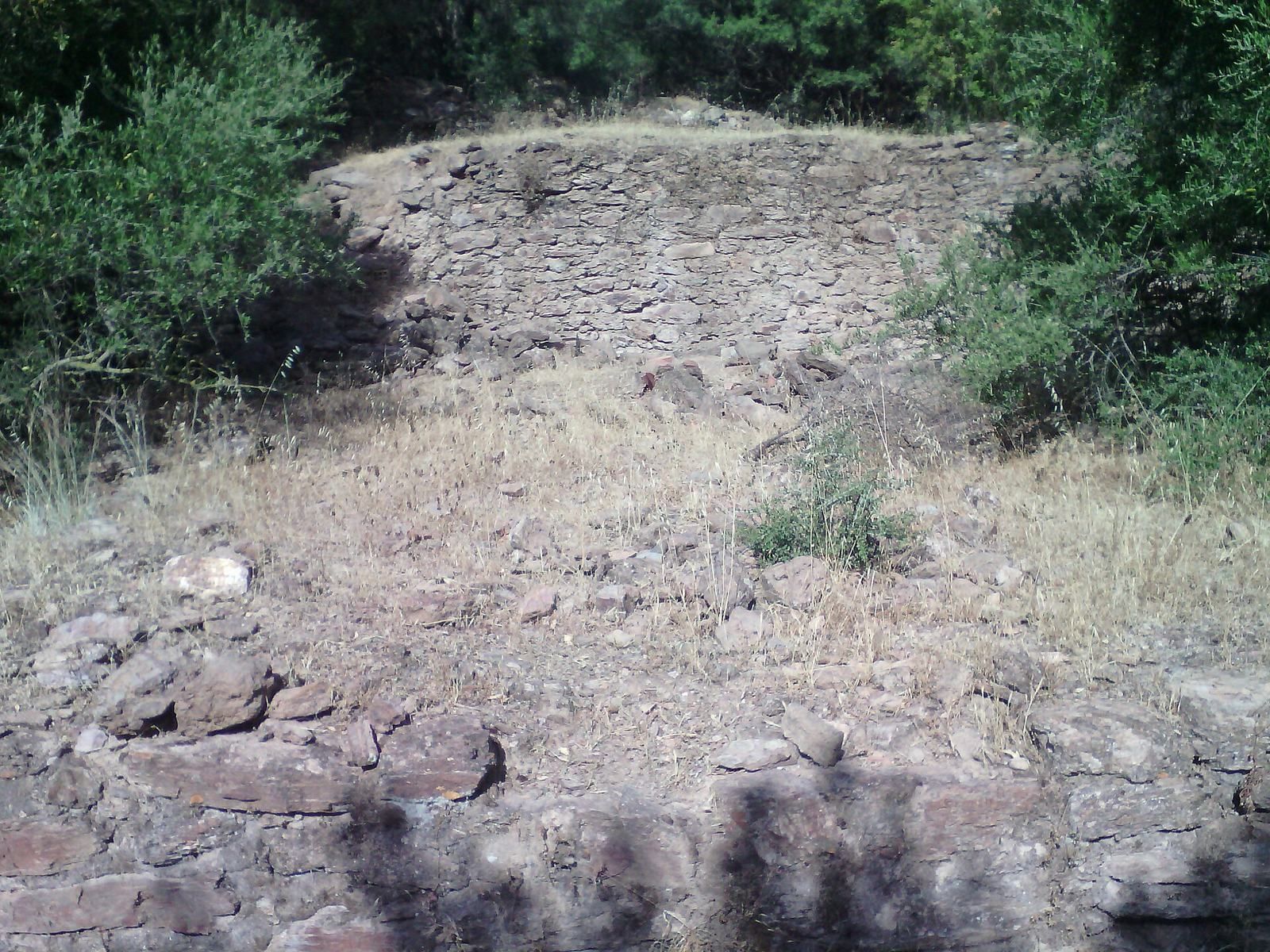
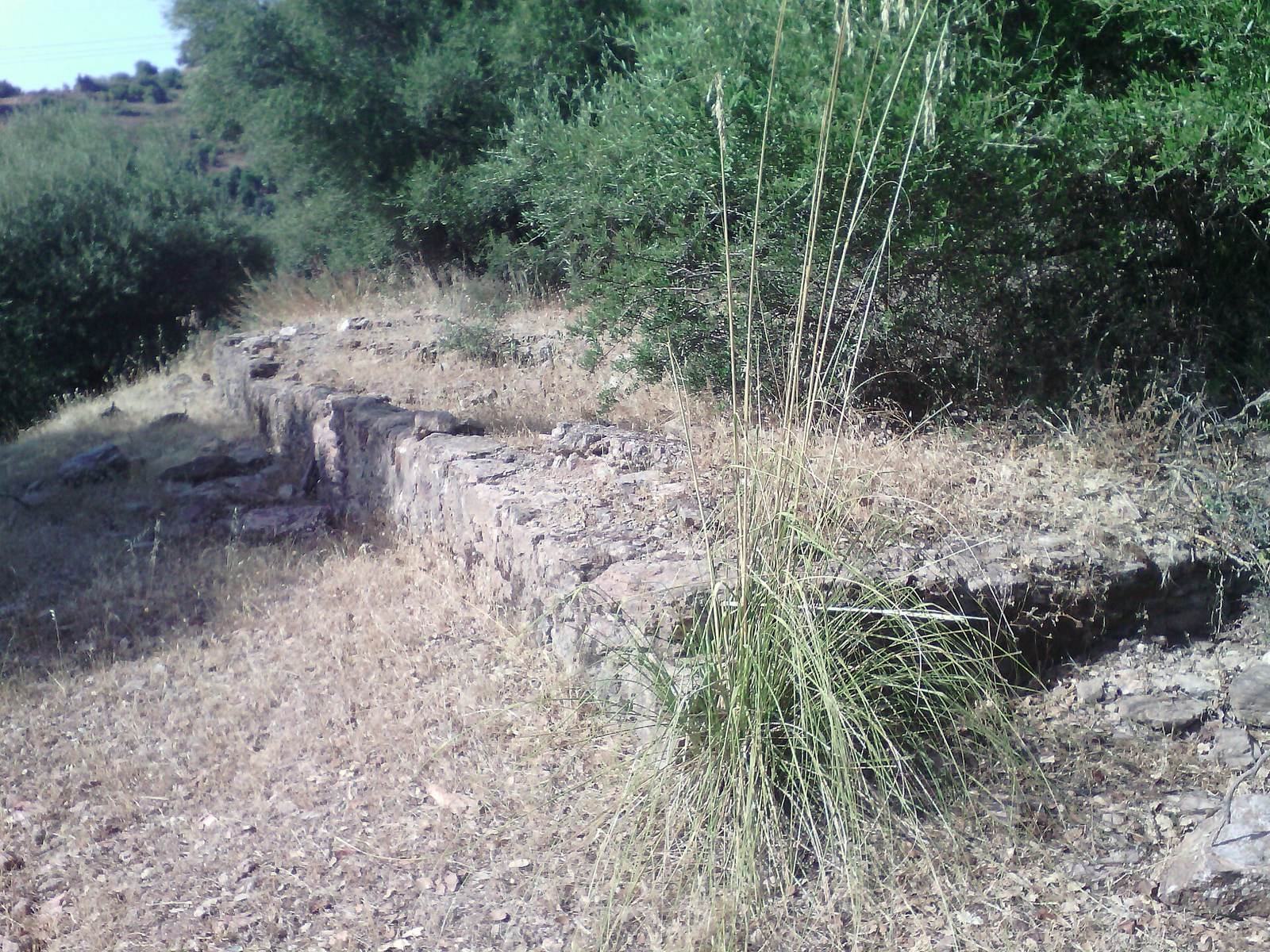
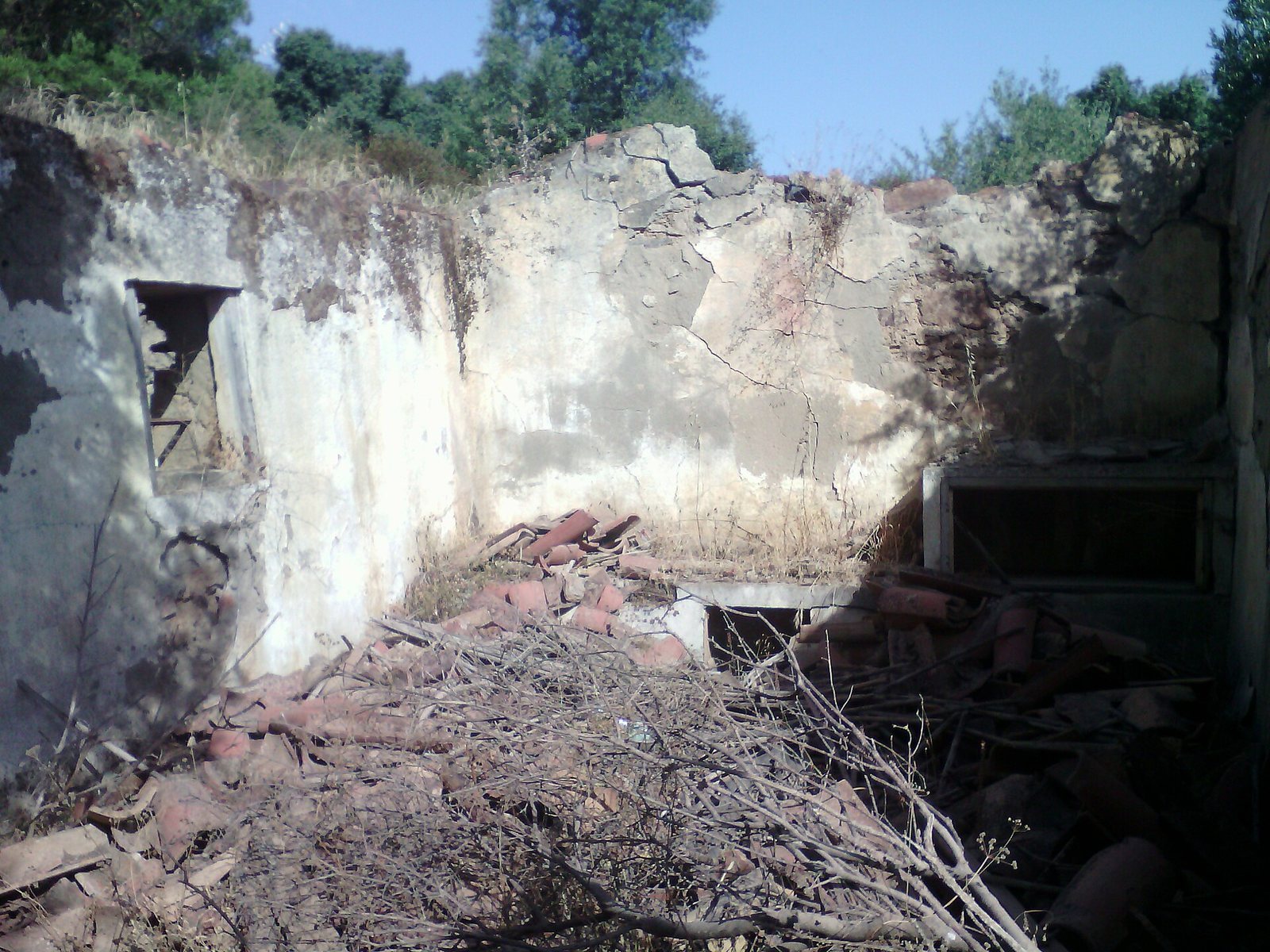
A basement beneath the complex contained a well. The site is now in ruins following the destruction of the buildings during the Algerian War of Independence.