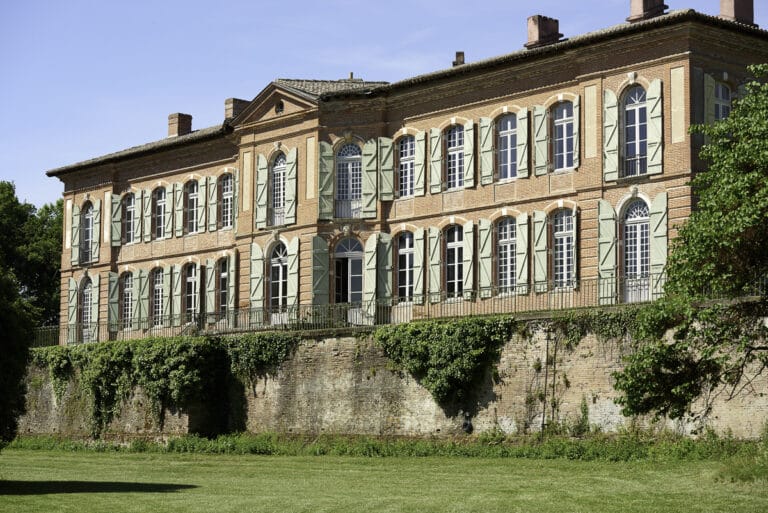
Reyniès Castle: A Riverside Stronghold in France
Site at a Glance
- Country
- France
- Primary era
- Medieval
- Eras represented
- Medieval, Early Modern
- Civilizations
- French
- Site type
- Domestic
- Remains
- Castle
On this page8 sections
History
Foundation and succession
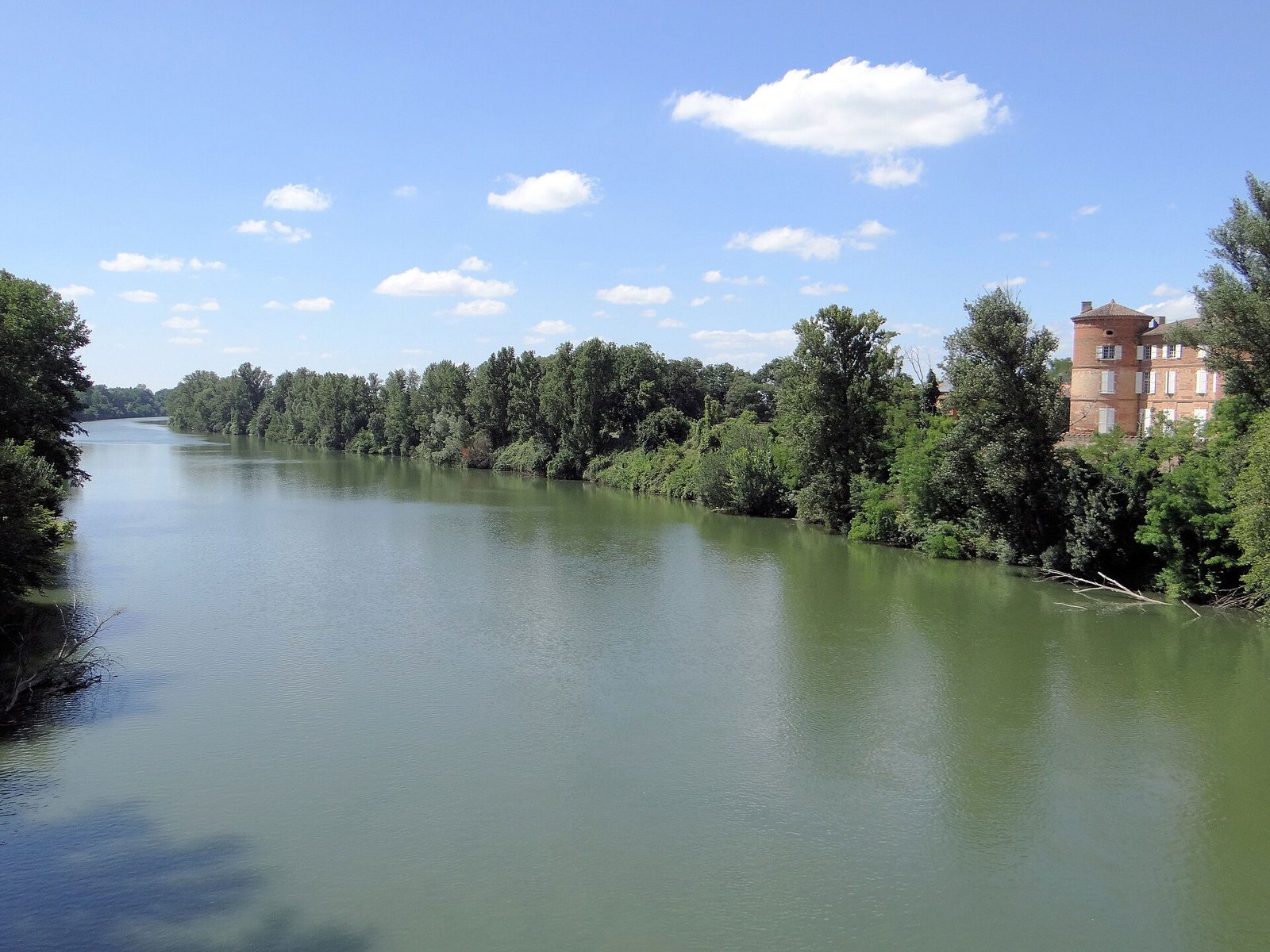
Reyniès Castle stands beside the Tarn in France; Raymond de Grimoard built it in 1289. Its position helped control busy river traffic between Gaillac and Bordeaux. The present building was rebuilt around 1650 in the Louis XIII style, a French architectural mode in which Renaissance forms developed toward the Baroque, and altered in the eighteenth century.
After Raymond, ownership passed to Rogal de Comminges, lord of Bruniquel, and then to Augier de Rupé, lord of Saint-Nauphary. Jean de Prenhan held the castle from 1375 until his death in 1388. His widow, Navarre de Castelnau, sold it in 1416 to Arnaud de Baille, lord of Noaillac. Arnaud and his wife, Anne de La Tour, began the La Tour family’s residence there. The family later became known as Seguin de Reyniès and remains identified as the castle’s owner.
Warfare in 1592 and 1621–1622
In 1592, Antoine de La Tour, baron of Reyniès and lord of Noalhac, served as lieutenant in Quercy for the Protestant princes. After his side defeated Marshal de Monluc at Peu-Blanc, its forces captured several towns, including Villemur-sur-Tarn. When the Duke of Joyeuse advanced to besiege Villemur, Antoine overran a guard post and entered the town with about sixty men to reinforce its defense. Villemur was saved, but Joyeuse’s forces retaliated by plundering Reyniès Castle and setting part of it alight.
In 1621, the castle belonged to Pierre de La Tour, a Protestant noble and military officer. During Louis XIII’s siege of Montauban, Pierre defended three bastions, projecting defensive works in a fortification, with eight companies. The king’s army had twenty-seven regiments and fired four hundred cannon shots at Montauban’s citadel. Royal troops also besieged and captured Reyniès, which remained in their hands. On 11 October, talks between Louis XIII and the Duke of Rohan, a leading French Protestant commander, took place at the castle but failed. The Duke of Luynes then lifted the siege of Montauban. Monsieur de l’Olmède, commander of the company stationed at Reyniès, refrained from plundering it out of regard for the family.
On 6 August 1622, Montauban’s governor retook the castle, and it was pillaged. The Duke of Vendôme later recaptured it for the royal army and had it blown up and burned, as he did at the castle of Moulis.
Rebuilding and the revolutionary era
After Pierre de La Tour de Reyniès died, his daughter Jeanne inherited the castle. She married Jean de Seguin des Bros, also known as Jean de Lasbros, who had it rebuilt around 1650. In 1786, Étienne-Trophime-François-Pierre de Seguin, the fifth Marquis of Reyniès, added another storey.
Opposed to the French Revolution, Étienne-Trophime-François-Pierre left Reyniès for Germany on 13 May 1791, following part of the royal family. In 1792, the castle and the Saint-Nauphary estate were declared national property, placed under state control for sale. His wife, Marguerite Françoise Paule, née de La Porte de Larnagol, bought back the castle, while the Saint-Nauphary properties were sold. The castle was listed as a historic monument in 1928.
Remains
Surviving fabric
Main building
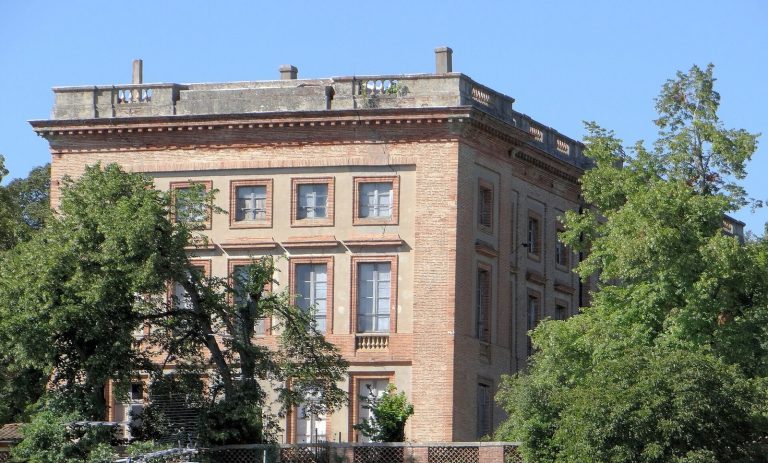
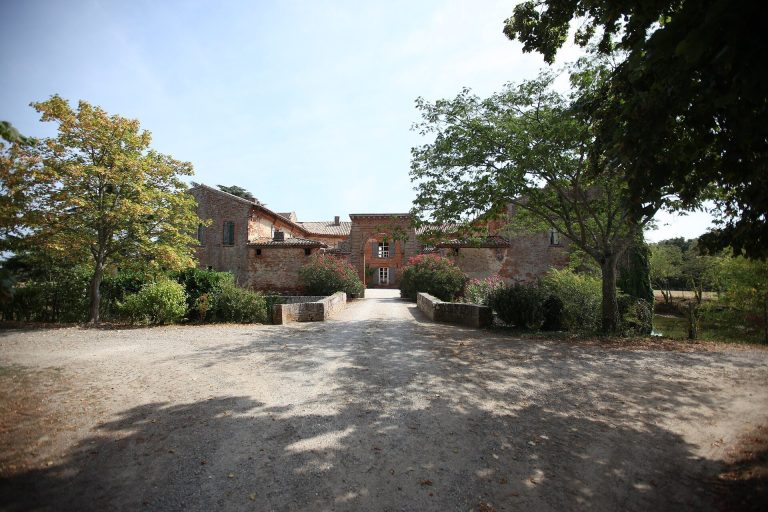
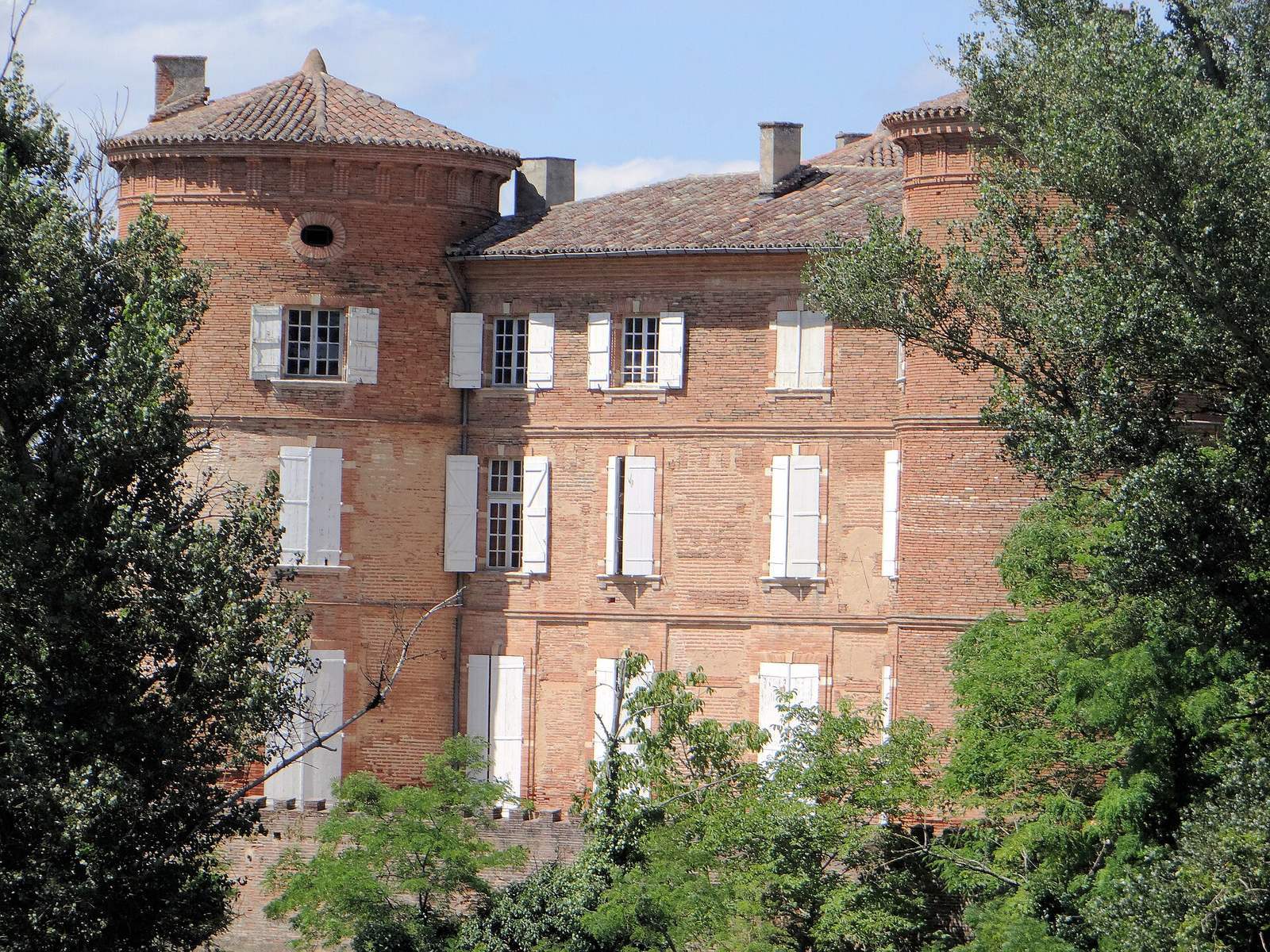
The castle has three towers and an exterior of exposed, large-format regional brickwork with decorative stone elements. The towers give the building a feudal appearance, while its architectural style is Louis XIII. The rebuilt structure stands on the original foundations, and one tower from the earlier castle survives.
Chapel
A chapel in Gothic style, a medieval architectural style associated with pointed arches and ribbed vaults, was altered in the nineteenth century.