Amroth Castle: A Castle-Style Country House in Pembrokeshire
Site at a Glance
- Rating
- 5
- Popularity
- Very Low
- Country
- United Kingdom
- Primary era
- Modern
- Eras represented
- Medieval, Early Modern, Modern
- Civilizations
- British, English
- Site type
- Domestic
- Remains
- Castle
On this page5 sections
History
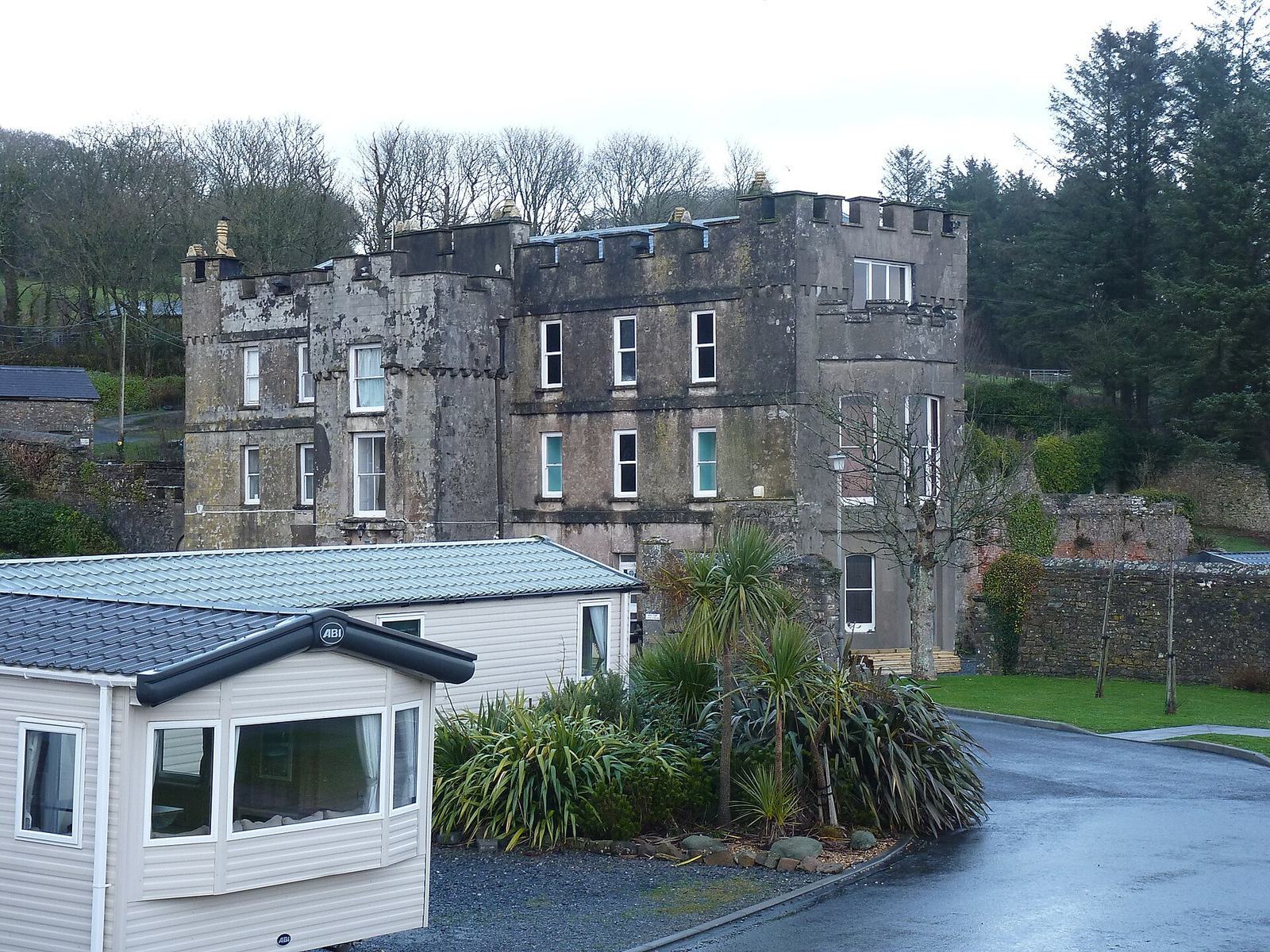
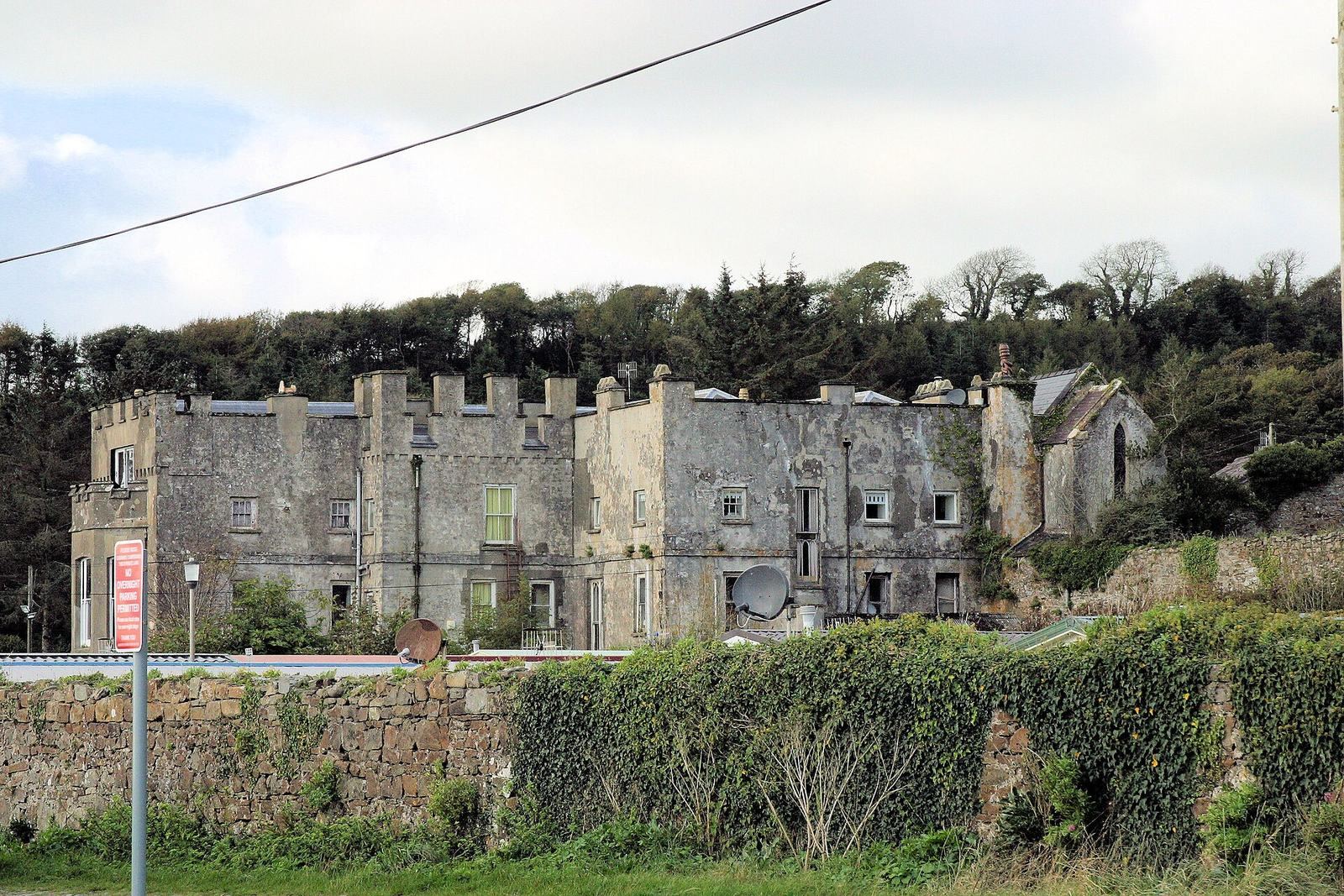
Amroth Castle is a country house in Narberth, Pembrokeshire, Wales, United Kingdom. Its present form dates to the 19th century and uses mock-castle styling, which imitates castle features without necessarily making a building a medieval fortress.
Early history and rebuilding
The property served as a feudal residence in the early medieval period, a home connected with landholding and social obligations. A small stone castle may have stood on the site in the 12th century, while a separate earlier castle stood half a mile to the north. The Elliott family acquired the property in the 14th century.
In 1690, John Elliott held the estate, locally known as Eareweare, which was assessed at five hearths. Fenton recorded the assessment in 1810. Extensive rebuilding followed in the early 18th century.
Country house and changing uses
Colonel Ackland, a senior military officer, acquired the property in 1790 and made further alterations and additions. It later passed through the Biddulph and Bevan families. From 1851 to 1856, Dr John Howard Norton used the house as a private asylum for people then diagnosed with mental illness. The Fussell family held the property in 1861.
Philipps and later history
Shipping magnate Owen Colby Philipps bought the property in 1898 and lived there from 1904 to 1920. He later acquired the White Star Line, a British shipping company, and in 1923 became Baron Kylsant of Carmarthen and Amroth, a rank in the British peerage. The property passed to his daughter Nesta, who had married George Coventry, a grandson of the 9th Earl of Coventry, another British peerage rank. They moved out in 1930, when George inherited the title and estates, and the building became a farmhouse.
During the Second World War, a global conflict, the government took over the castle for official use, and the building was mistreated during this period. It was listed Grade I in 1951, the highest category of listed-building protection in Wales. Purchased in 1969, it was converted to holiday accommodation and remained in that use under the same ownership in 2025.
Remains
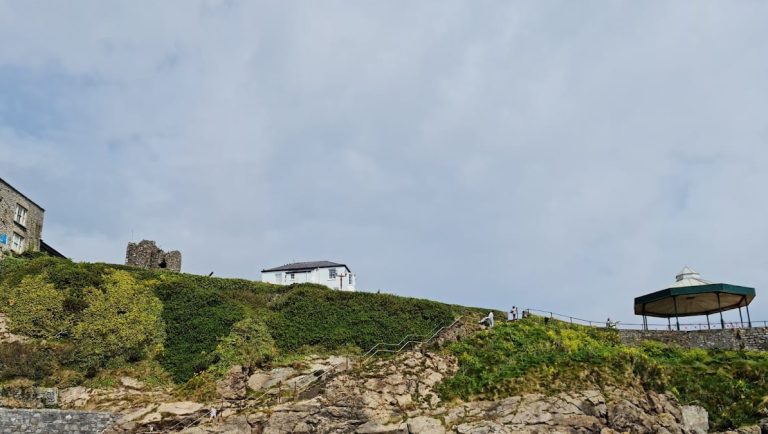
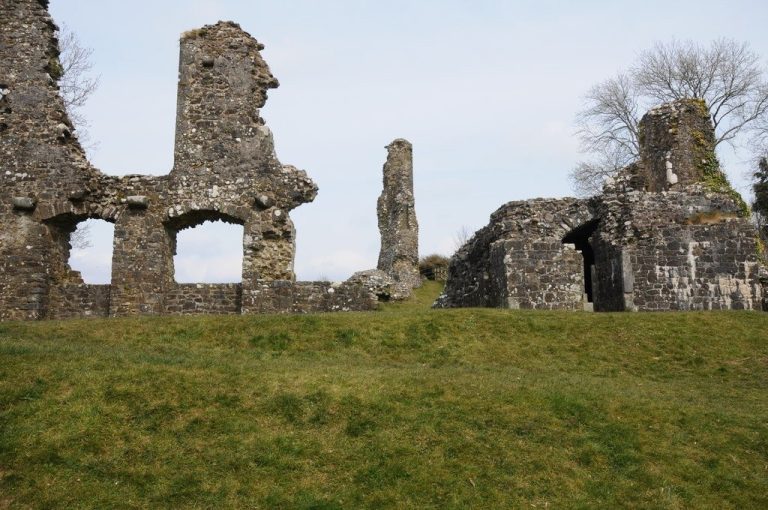
The ruinous house, designed in a castle-like country-house style, stands within a high enclosing wall. An entrance archway is set at the wall’s southwest corner. Elements of the building probably dating to the 15th century survive, and the gatehouse has been much restored.