Tung Chung Battery: A Qing Coastal Fortification on Lantau Island
Site at a Glance
- Country
- China
- Primary era
- Early Modern
- Eras represented
- Early Modern
- Civilizations
- Qing
- Site type
- Military
- Remains
- Fort
On this page7 sections
History
Qing coastal defense
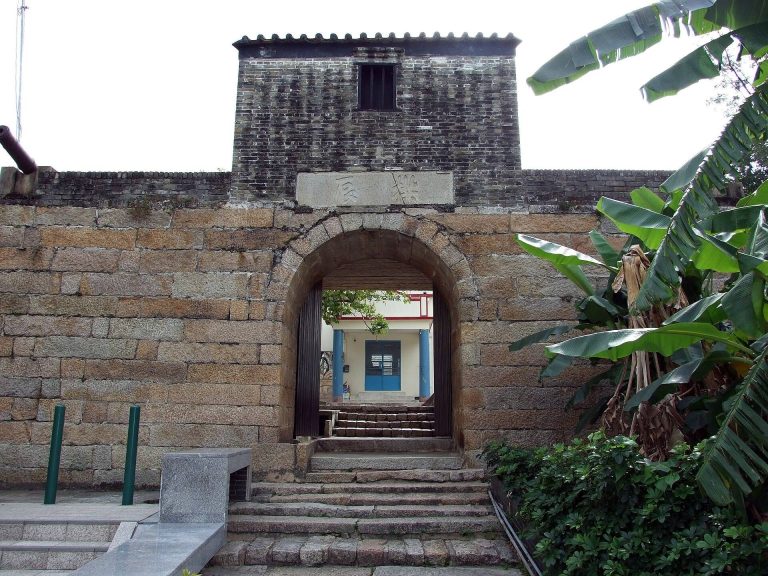
Tung Chung Battery is a coastal fortification built under China’s Qing dynasty on Lantau Island in Hong Kong, China, and completed in 1817. It was intended to protect Tung Chung Bay from pirates threatening the waters and coasts of southern China. Because the Qing dynasty did not have a large navy, coastal forts offered an alternative form of defense. The battery was completed during the reign of the Jiaqing Emperor, who ruled from 1796 to 1820, and 24 years before Britain took possession of Hong Kong. The Guangdong Annals, a regional chronicle, records the construction of two forts at the foot of a hill whose name translates as Rocky Lion.
Rediscovery and protection
The battery was later abandoned and became covered by dense vegetation for about a century. It was rediscovered in 1980, after which the Hong Kong government carried out restoration work. In 1983, it was declared a monument, a status that protects sites under Hong Kong’s heritage legislation.
Remains
Fortification and surviving fabric
Original defenses
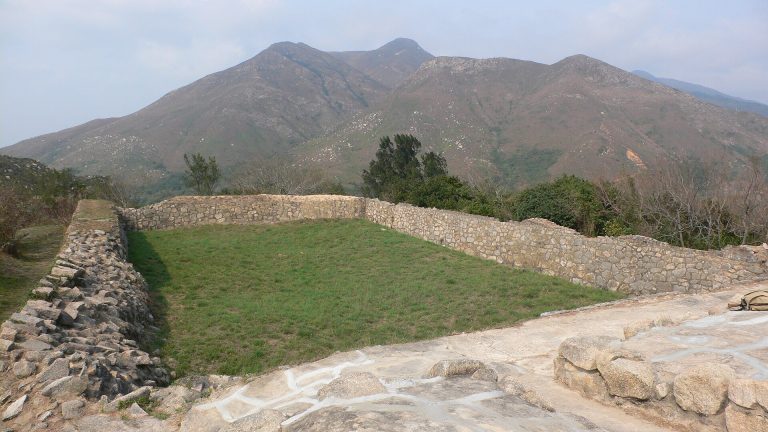
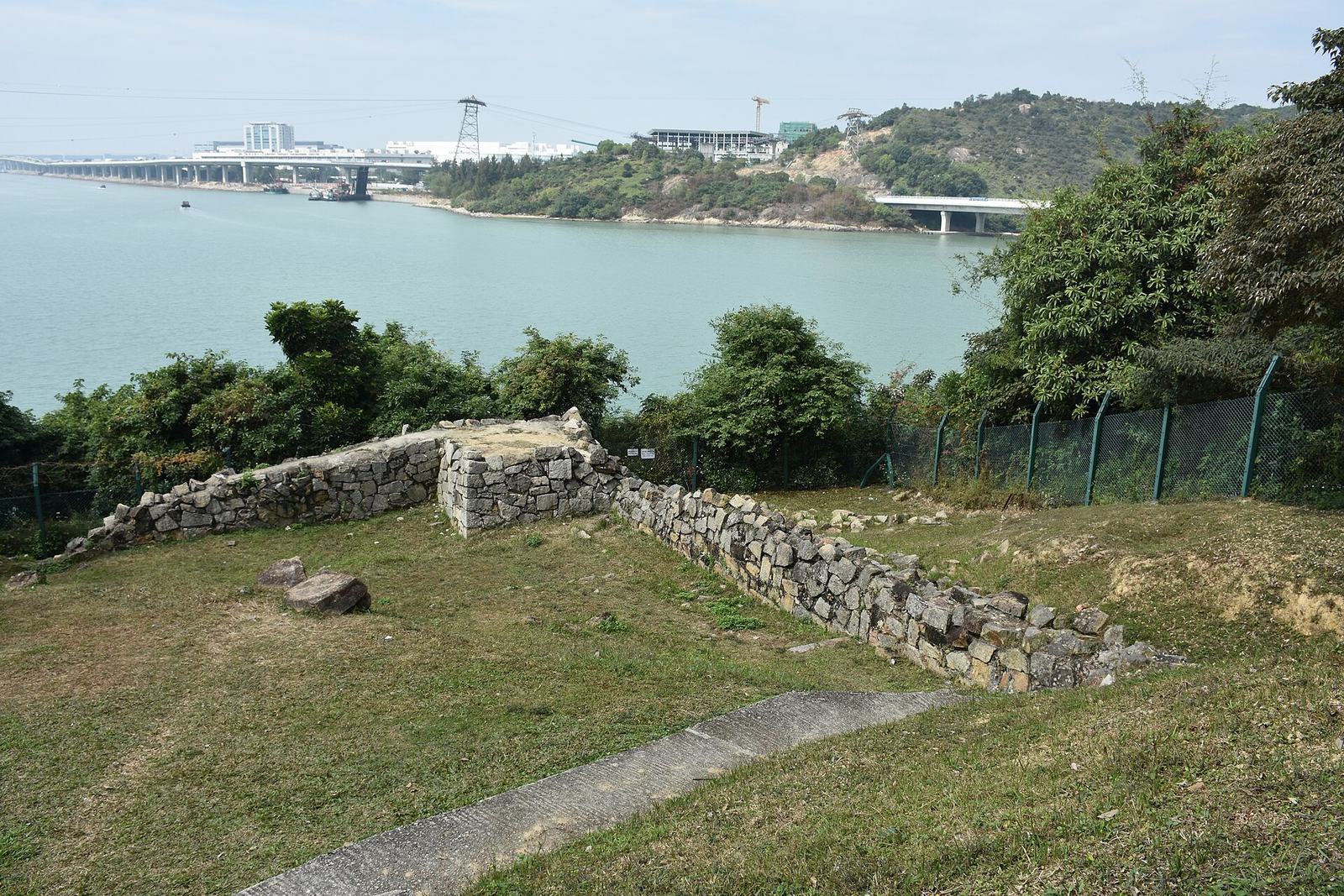
The battery occupied a cliff overlooking Tung Chung Bay. Its coastal defenses comprised two gun positions intended to guard the bay and seven guardhouses. The elevated position provided views over the water and potential naval approaches. Land reclamation associated with the Airport Core Programme, a major infrastructure project linked to airport development, changed the surrounding landscape. The battery now faces Hong Kong International Airport rather than the formerly open bay and Chek Lap Kok Island.
L-shaped wall and platform
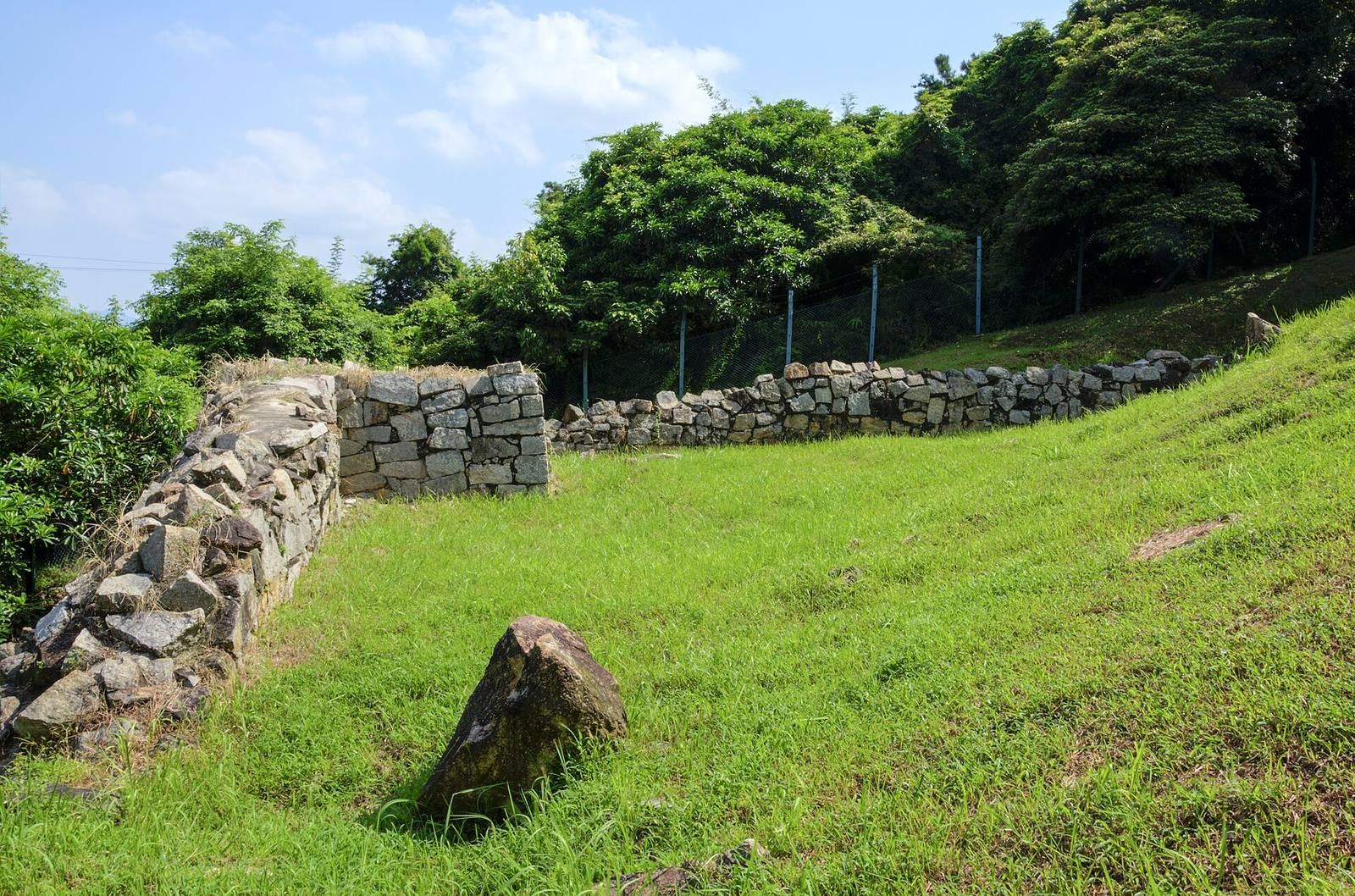
When the battery was rediscovered, its surviving remains included an L-shaped wall with a platform at the corner. Hong Kong’s Antiquities and Monuments Office considered the platform very likely to have been a prepared position for a gun.