Przewodziszowice Castle: A Medieval Watchtower in Poland
Site at a Glance
- Country
- Poland
- Primary era
- Medieval
- Eras represented
- Medieval
- Civilizations
- Kingdom of Poland
- Site type
- Military
- Remains
- Castle
On this page8 sections
History
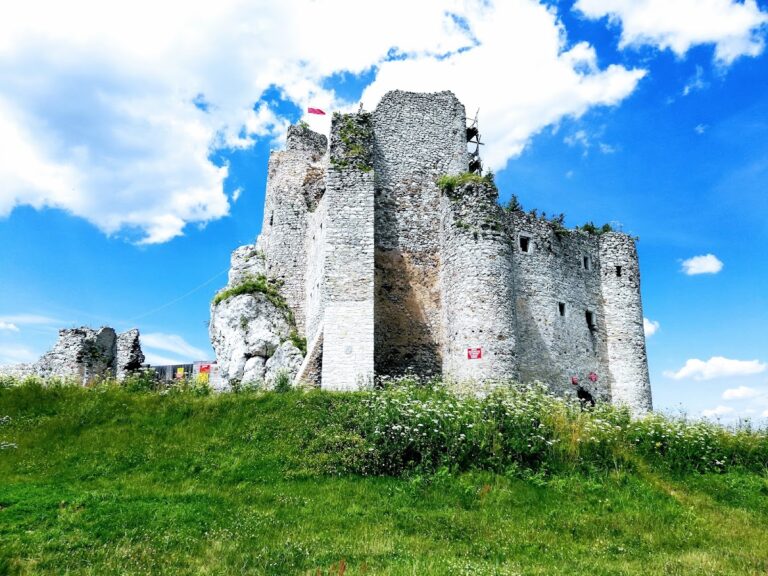
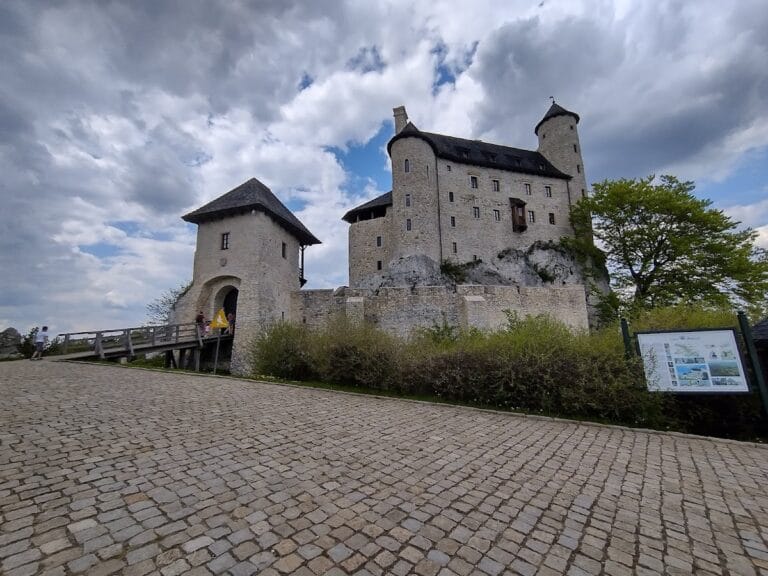
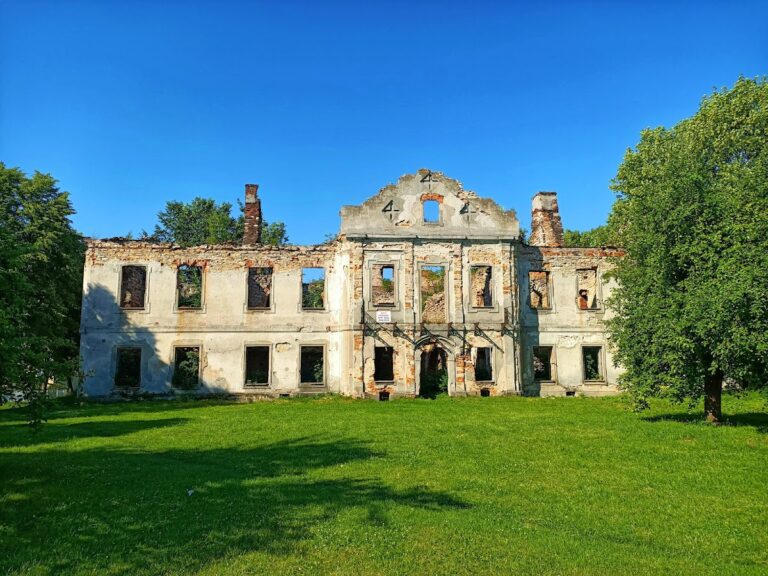
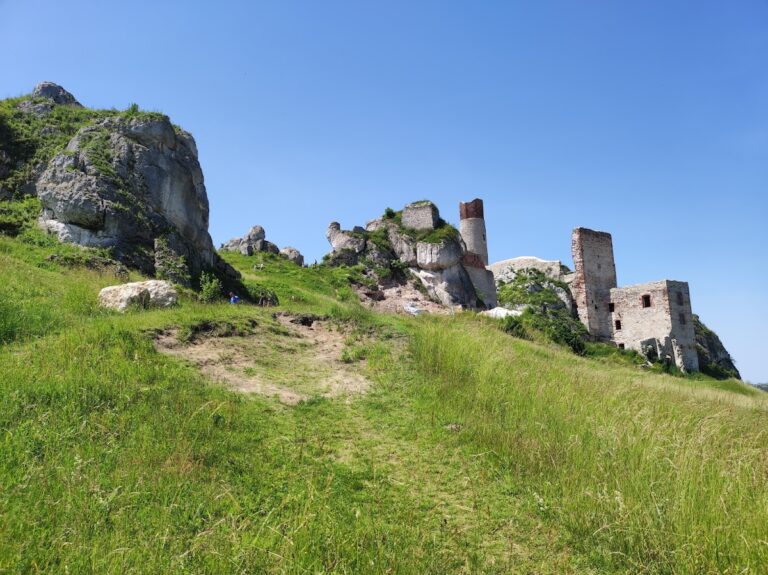
Przewodziszowice Castle is a medieval watchtower ruin near the former village of Przewodziszowice, now part of Żarki, Poland. Probably built in the fourteenth century or around the turn of the fourteenth and fifteenth centuries, it was Gothic in style and may have helped defend the surrounding area.
Origins and defensive role
The watchtower’s origins are disputed. One interpretation credits Casimir III the Great, a fourteenth-century king of Poland, with ordering its construction. Another attributes it to Władysław II of Opole, a Silesian duke said to have built it to protect territories he held as fiefs. The village of Przewodziszowice belonged to Władysław in 1382.
Along with Suliszowice Fortress, the watchtower may have formed an outlying defensive position that strengthened the defenses of Ostrężnik Castle.
Mikołaj Kornicz Siestrzeniec
From 1426 to 1454, the fortress served as the residence of Mikołaj Kornicz Siestrzeniec, a Polish knight described as a highwayman. He was said to have targeted wealthy merchants and magnates, earning sympathy among local peasants. Legend says he concealed his stolen treasure in hard-to-reach clefts in the rock or in the castle well.
Remains
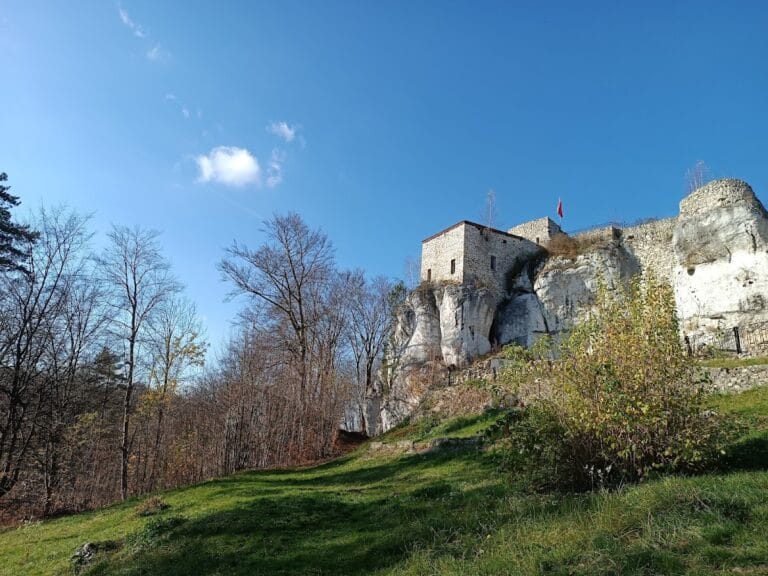
The Gothic complex was arranged around a masonry watchtower on a limestone outcrop, with a probable fortified area at the rock’s foot.
Watchtower and defenses
Surviving wall
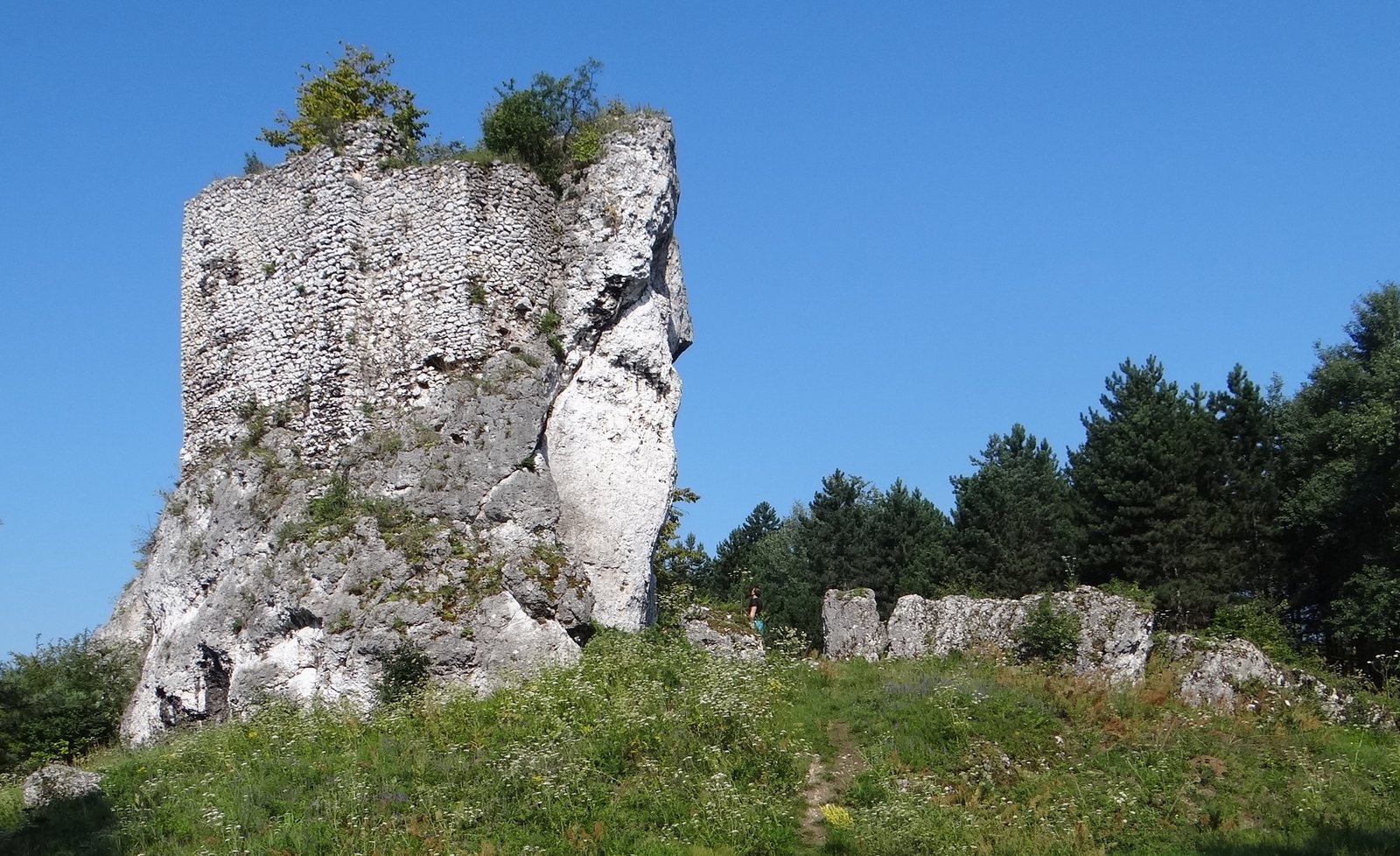
The watchtower’s masonry ruins include a partly reconstructed wall measuring 26 metres long, up to 10 metres high and, in places, up to 1.8 metres thick.
Fortified outer area
A fortified area probably stood below the rock. A rampart and moat are thought to have protected it.
Limestone outcrop
The outcrop stands 12 to 17 metres high in a small clearing. Its limestone faces slope, rise vertically or overhang, and include chimneys, cracks, pillars and corners. A small cave in the rock is known as the Shelter Beneath the Watchtower.