Nanzen-in: A Buddhist Subtemple of Nanzen-ji in Kyoto
Site at a Glance
- Country
- Japan
- Primary era
- Medieval
- Eras represented
- Medieval, Modern
- Civilizations
- Ashikaga shogunate, Japanese, Kamakura shogunate
- Site type
- Religious
- Remains
- Monastery
On this page15 sections
History
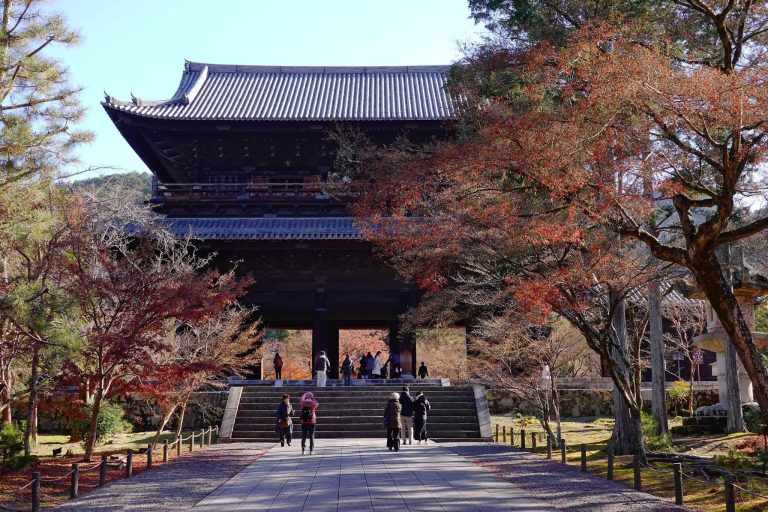
Nanzen-in is a Buddhist subtemple of Nanzen-ji in Kyoto, Japan, and belongs to the Nanzen-ji branch of Rinzai, a school of Zen Buddhism. It is regarded as the place where Nanzen-ji originated.
Palace and temple foundation
Emperor Kameyama, Japan’s 90th emperor, built the detached palace Zenrinji-den on this site in 1264, south of Zenrinji. The palace had an Upper Palace and a Lower Palace. In 1287, Kameyama established Nanzen-in as his personal Buddhist chapel in the Upper Palace.
Kameyama became a Buddhist monk at the site in 1289. In 1291, he converted the palace into a temple, with the Japanese Rinzai monk Mukan Fumon as its founding priest, and named it Ryoanzan Zenrin-ji. As the temple grew, it became known as Nanzen-ji, while Nanzen-in became one of its subtemples.
Fires, war, and decline
Nanzen-in burned in 1393. Sleeping quarters from the Kitayama Imperial Palace were moved to the site in 1420, but the temple burned again during the Great Nanzen-ji Fire of 1447. It fell into ruin after the Ōnin War, a major civil war in fifteenth-century Japan.
Revival and later history
In 1703, Keisho-in and a nun connected to a member of the Kinoshita family helped revive Nanzen-in. Keisho-in was the mother of Tokugawa Tsunayoshi, the fifth shogun, or military ruler, of the Tokugawa government.
A tomb-restoration campaign funded by Nishi Honganji, a Jodo Shinshu Pure Land Buddhist institution, included repairs to Kameyama’s mausoleum. The work was connected with a tradition that Kameyama had protected Otani Honganji, another institution in that Buddhist tradition, and designated it a temple for prayers on behalf of the imperial household. The Imperial Household Agency, the government body responsible for the imperial household and its mausoleums, now manages the mausoleum.
The garden is designated a National Historic Site and Place of Scenic Beauty. The wooden seated portraits of Kameyama and Issan Ichinei are Important Cultural Properties.
Remains
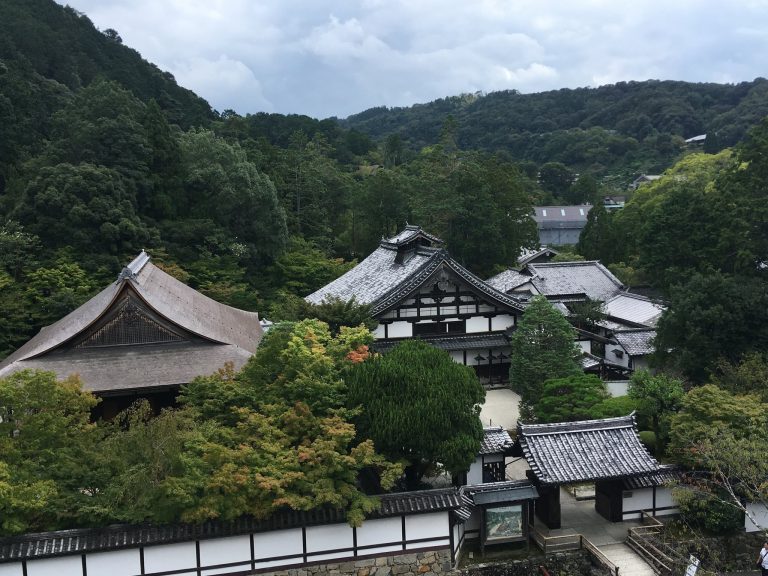
Nanzen-in’s grounds include the main hall, supporting monastic buildings, a pond garden, and memorial features. An aqueduct stands in front of the temple precinct.
Temple buildings and garden
Hōjō and supporting buildings
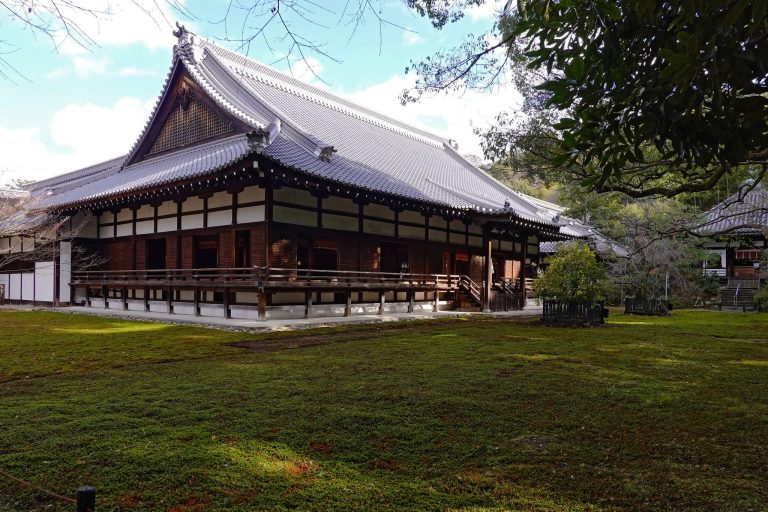
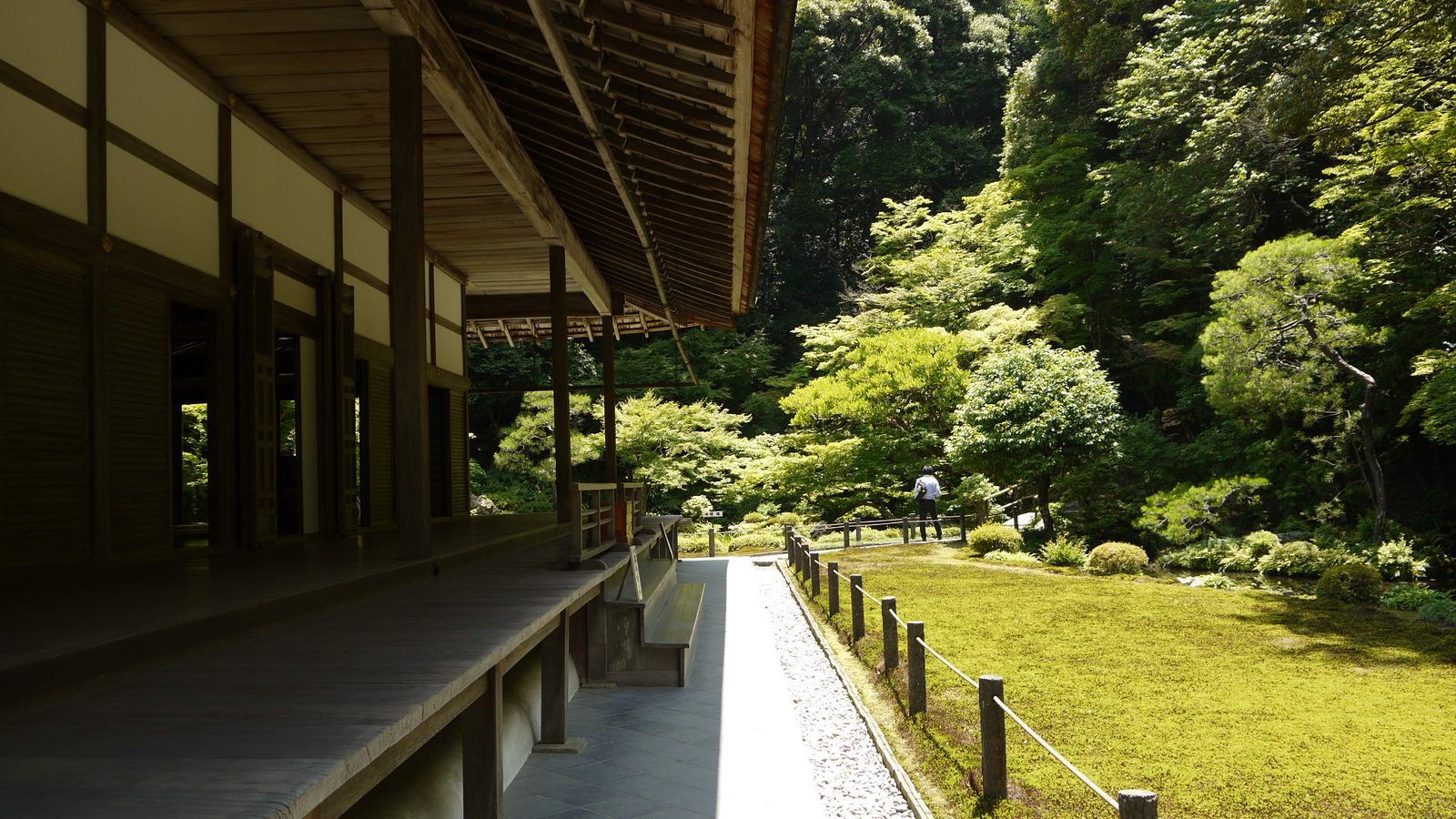
The Hōjō serves as the main hall and the abbot’s quarters. Its sliding-door paintings are by Kanō Tsunenobu, a painter of the Kanō school, and his sons. The grounds also contain a temple kitchen, monks’ quarters, and a tea room built during the Taisho period (1912–1926).
Pond garden
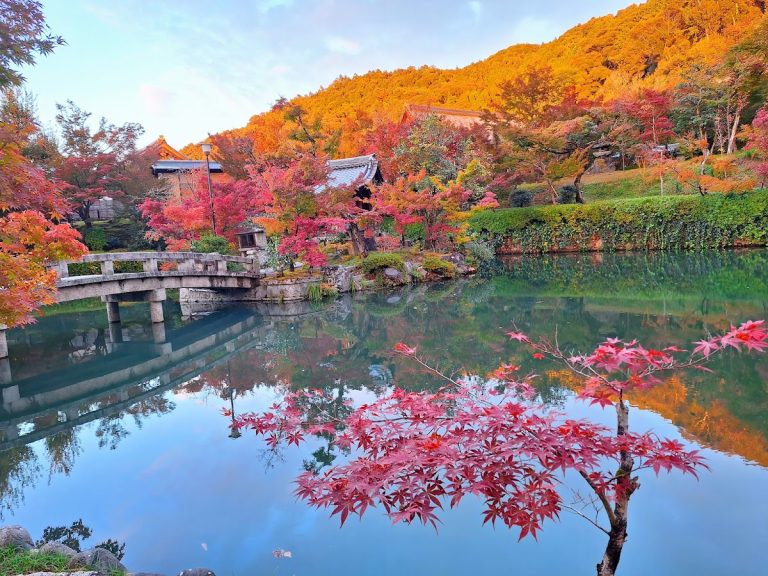
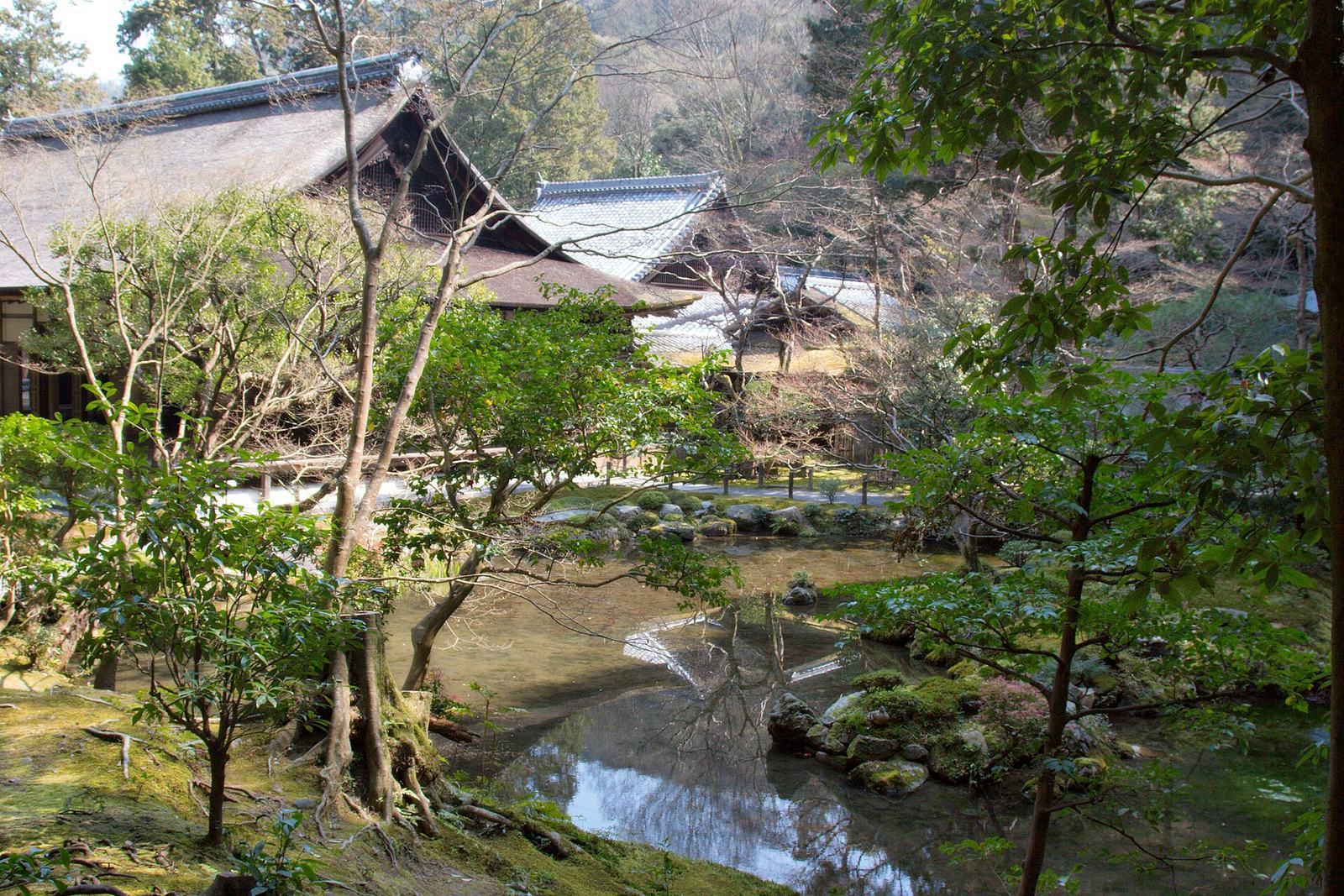
The garden lies in front of the Hōjō and is arranged around a pond for strolling. Tradition credits Emperor Kameyama with designing it during the Kamakura period and the Zen monk and garden designer Muso Soseki with completing it in the later Muromachi period, which followed the Kamakura era. It is one of Kyoto’s oldest surviving gardens and is counted among the city’s three renowned historic scenic gardens, alongside those at Tenryu-ji and Saiho-ji.
Memorial features
Kameyama mausoleum
The Kameyama mausoleum stands in the garden’s southeastern corner. A portion of the emperor’s remains was placed there in accordance with his wishes.
Issan Ichinei’s grave
The grounds also contain the grave of Issan Ichinei, a Buddhist monk who came to Japan as an envoy of the Yuan dynasty, a Mongol-founded dynasty that ruled China.
Portrait sculptures
Kameyama portrait
The wooden seated statue of Kameyama is a portrait sculpture from the Kamakura period. It is the oldest surviving sculptural portrait of a Japanese emperor.
Issan Ichinei portrait
Nanzen-in holds a wooden seated portrait of Issan Ichinei, believed to have been made shortly after his death. It is the only surviving medieval portrait of him and was originally kept at his memorial temple, Daiun-an.
Canal aqueduct
Built in 1888 as part of the Lake Biwa Canal project, the aqueduct runs in front of Nanzen-in.