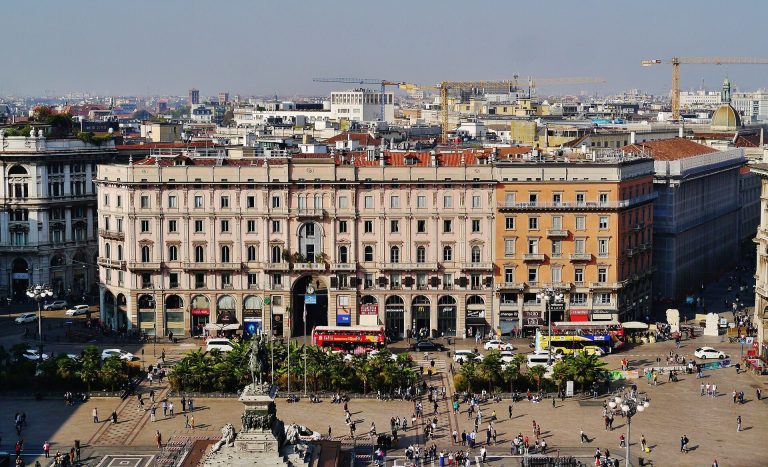
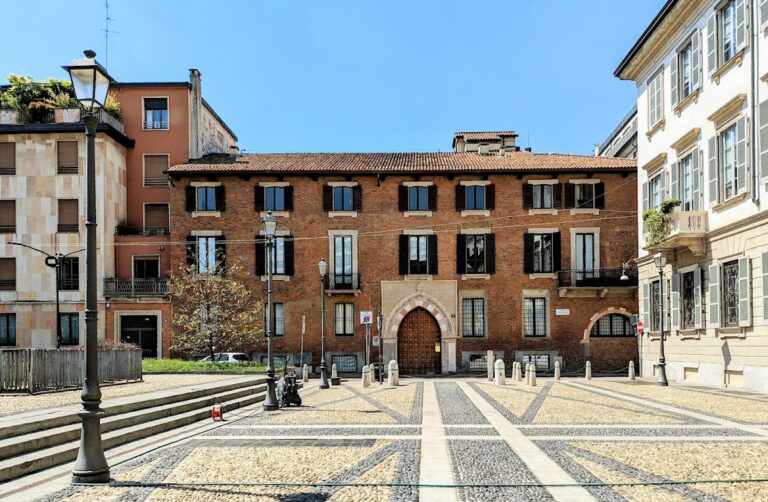
Palazzo della Banca d’Italia: Bank of Italy Headquarters in Milan
Site at a Glance
- Country
- Italy
- Primary era
- Modern
- Eras represented
- Classical, Modern
- Civilizations
- Italian, Roman
- Site type
- Civic
On this page6 sections
History
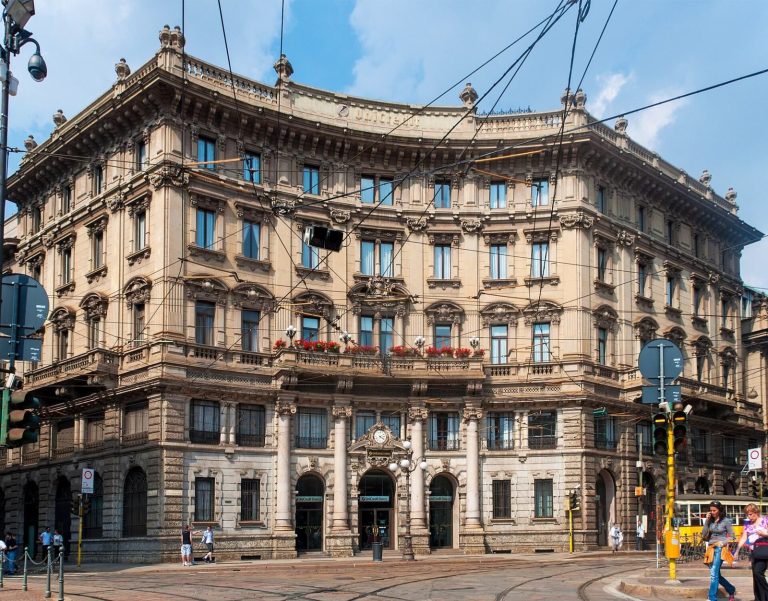
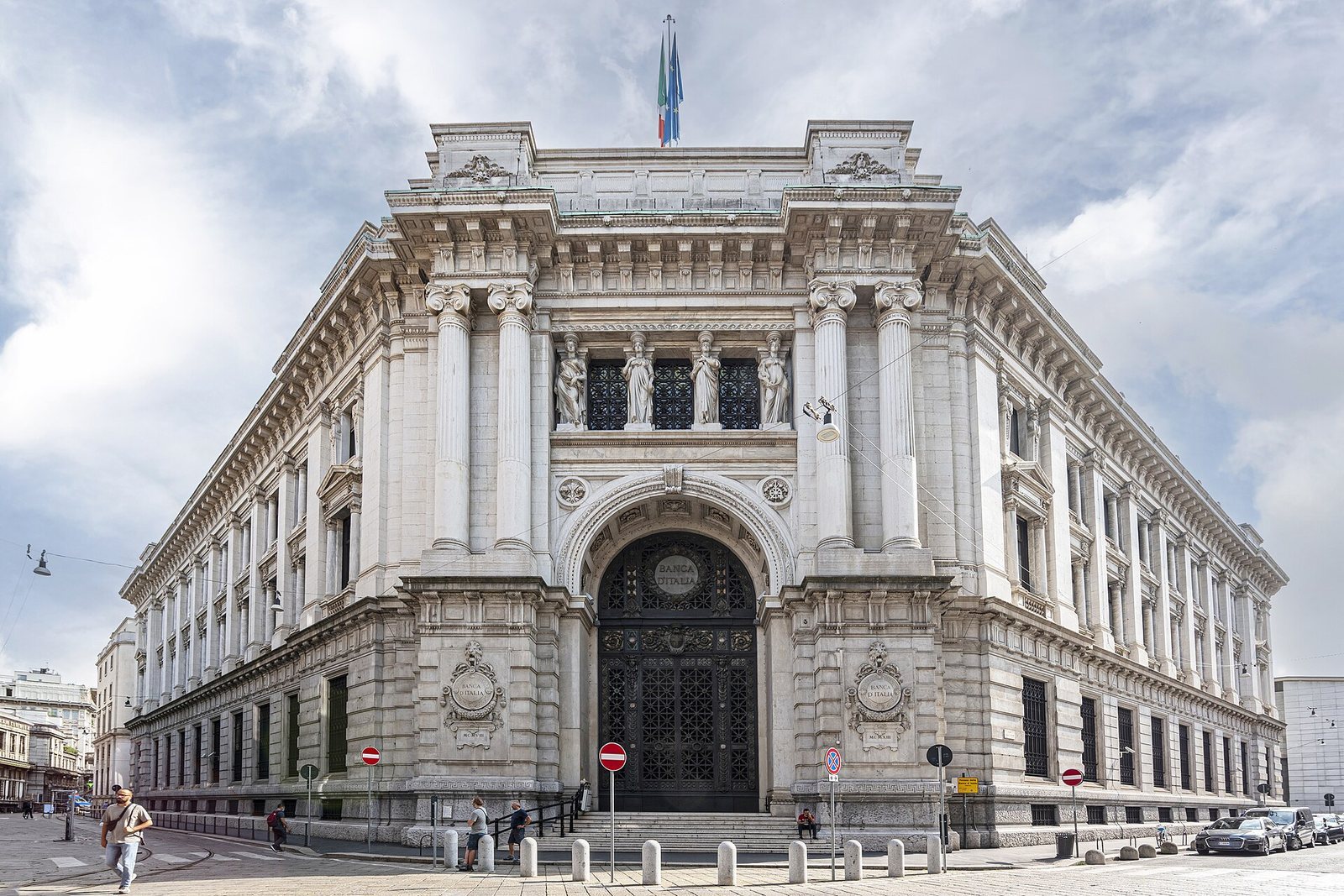
Palazzo della Banca d’Italia in Milan, Italy, was built between 1907 and 1912 as the new Milan headquarters of the Bank of Italy, the country’s central bank. Italian architects Luigi Broggi and Cesare Nava designed the building in an eclectic, monumental style, drawing inspiration from the Vittoriano in Rome, a monument associated with Victor Emmanuel II and Italian unification, as well as contemporary German banking institutions.
Piazza Tommaso Edison was laid out in the late nineteenth century after the former state-owned area of the Bocchetto convent was cleared. The square soon became associated with institutional buildings in Milan’s emerging business district. The new headquarters replaced an earlier palazzo on Via degli Omenoni, which was demolished when the project was planned.
Excavations for the building in 1908 uncovered Roman remains on elevated ground associated with the development of Milan’s earliest settlement through interaction between Celtic and Roman traditions. The building remains in use.
Remains
Building layout and fittings
Entrance and facade
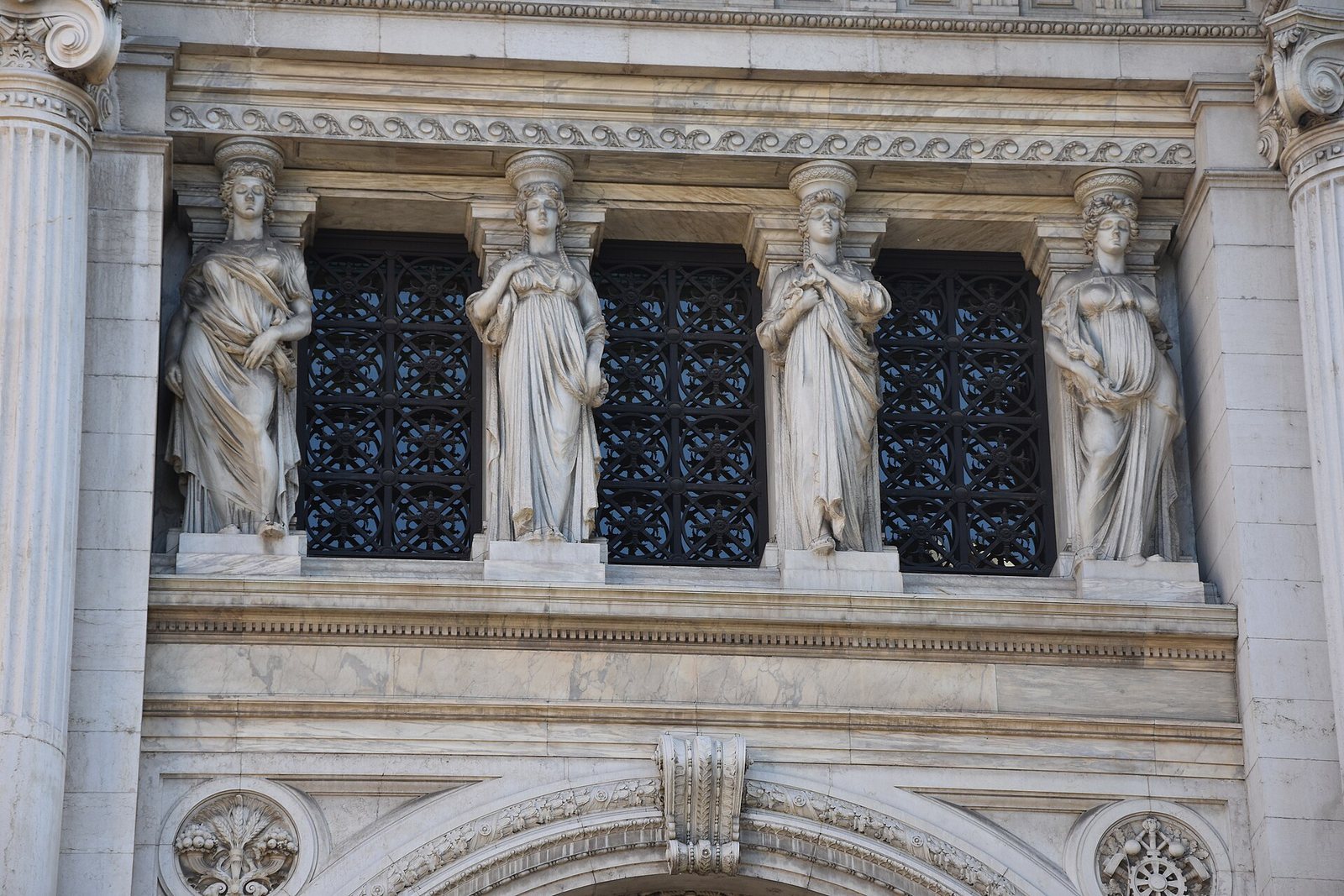
The palazzo has an approximately square plan, with its monumental entrance facing Piazza Tommaso Edison. Four colossal Ionic columns, using a classical Greek column style, frame the entrance. Above it are four caryatids, sculpted figures serving as architectural supports, inspired by those of the Erechtheion, an ancient Greek temple on the Acropolis of Athens. Bronze worker Giovanni Lomazzi made the imposing entrance gate, and wrought iron was used for the entrance door.
Central hall
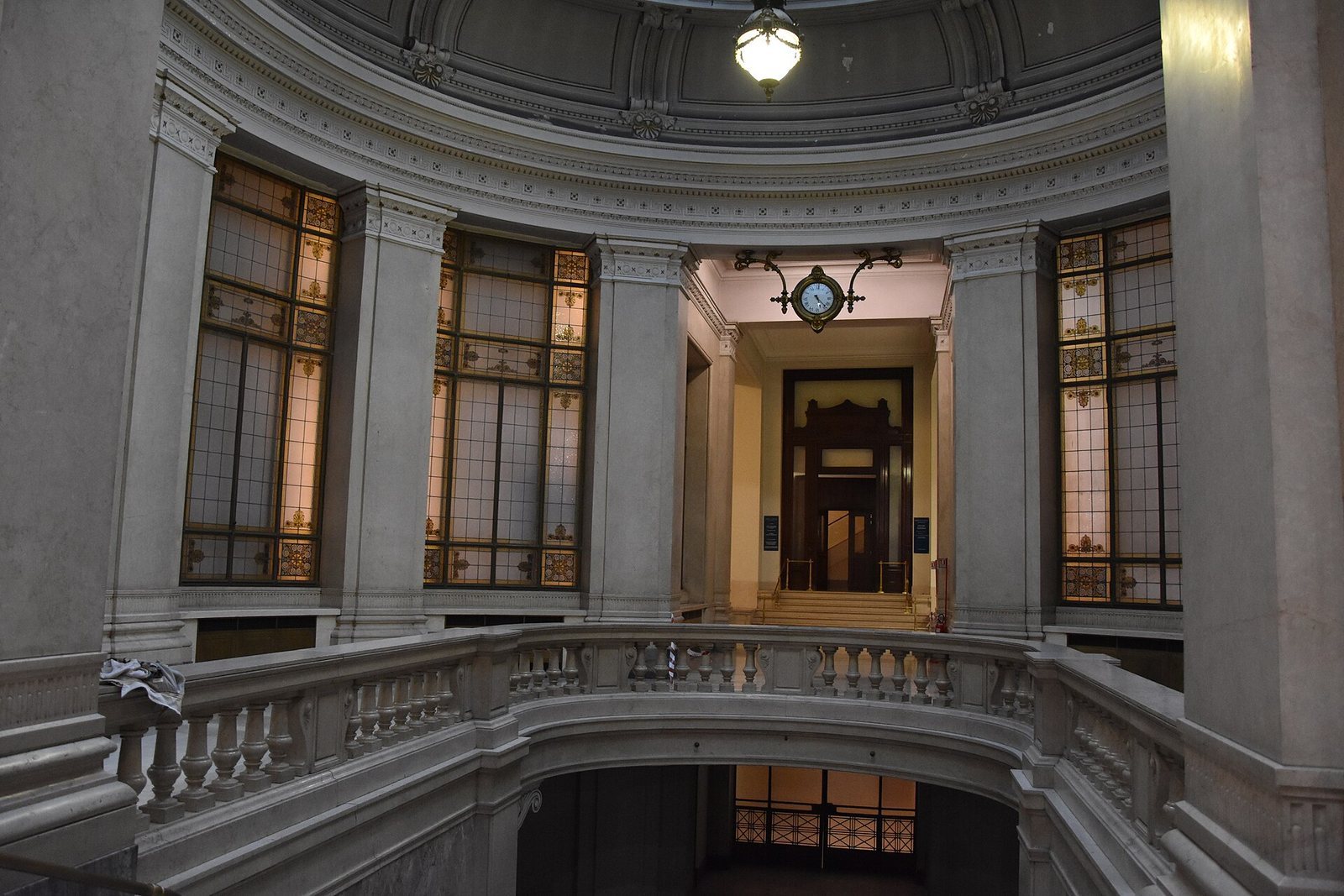
The central hall contains original period furnishings and a sculpture by Italian artist Giò Pomodoro. Its stained-glass windows were made in 1913 by the painter Carlo Bazzi.
Roman remains
Excavations uncovered a large Roman building that may have been a mint. At a depth of seven metres, they also found evidence of a temple measuring 44 metres across. Its extent reached across the blocks associated with Via Armorari and Via Moneta as far as Via dell’Ambrosiana.