Musée départemental de l’Oise: Museum in the Former Bishops’ Palace of Beauvais
Site at a Glance
- Country
- France
- Primary era
- Early Modern
- Eras represented
- Classical, Medieval, Early Modern
- Civilizations
- French, Roman
- Site type
- Religious
- Remains
- Palace
On this page13 sections
History
The Musée départemental de l’Oise is a museum in the former palace of the Bishops of Beauvais, in Beauvais, France. The palace began in the 12th century and acquired much of its later character through a Renaissance rebuilding that retained Gothic ornament. The bishops also held the titles of Counts of Beauvais and peers of France, one of the kingdom’s highest-ranking dignities.
Episcopal palace and rebuilding
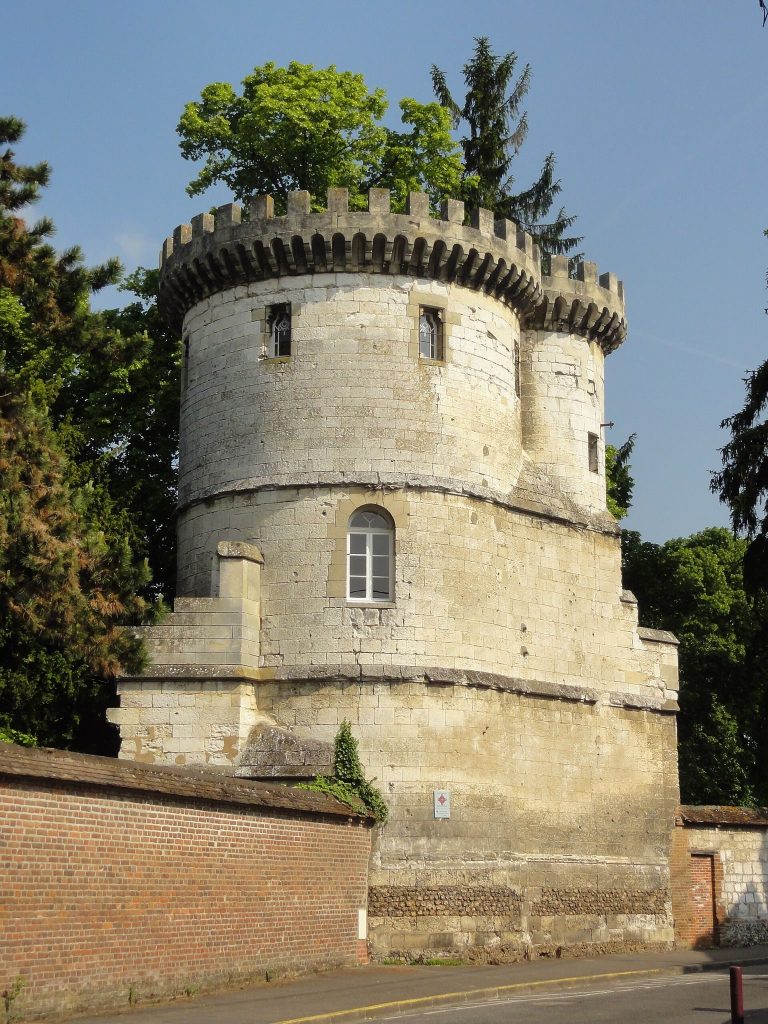
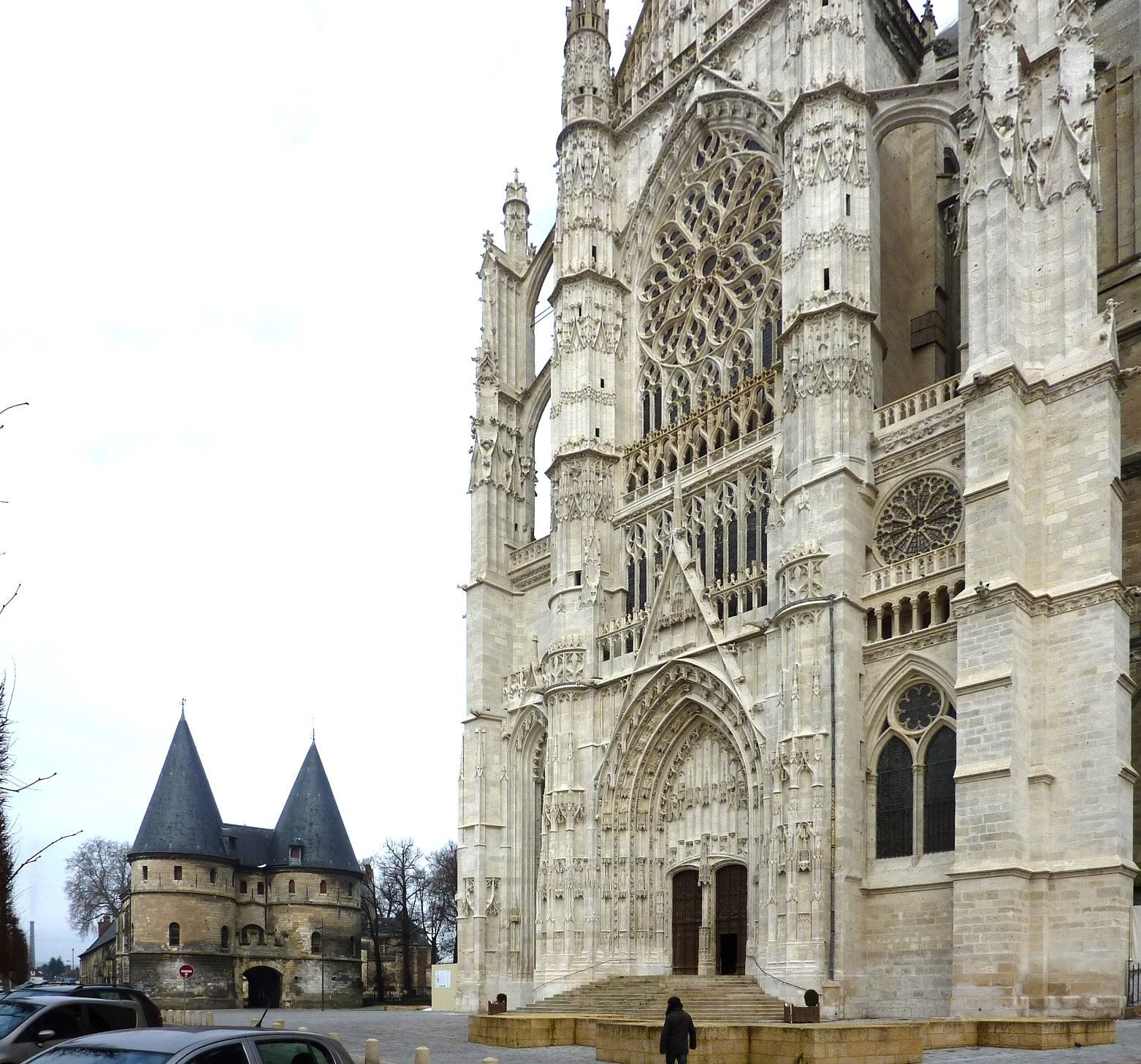
Henry of France, Bishop of Beauvais from 1149 to 1161, built the original palace. A son of King Louis VI, Henry entered the clergy before becoming a bishop. In 1305, after a riot in Beauvais, the king ordered the town’s burghers to compensate Simon de Nesle, the episcopal lord, a landholder whose authority was associated with the bishopric. Simon used the payment to construct a fortified gatehouse for the palace.
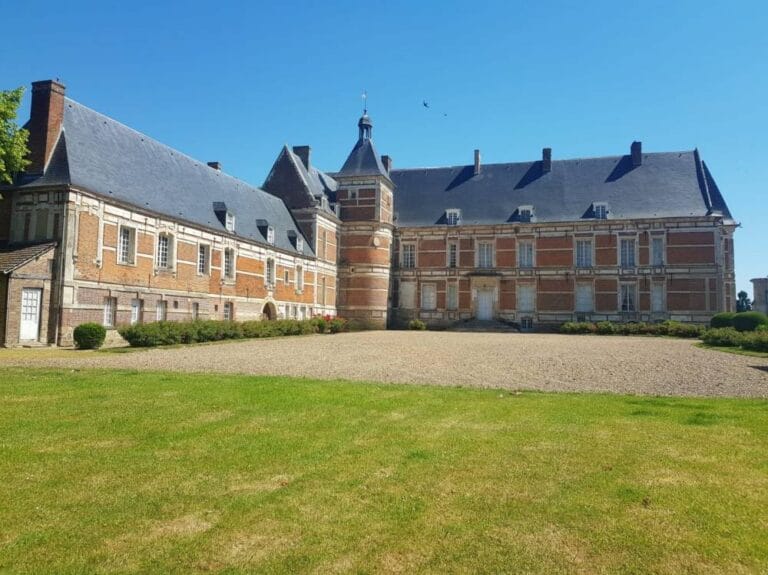
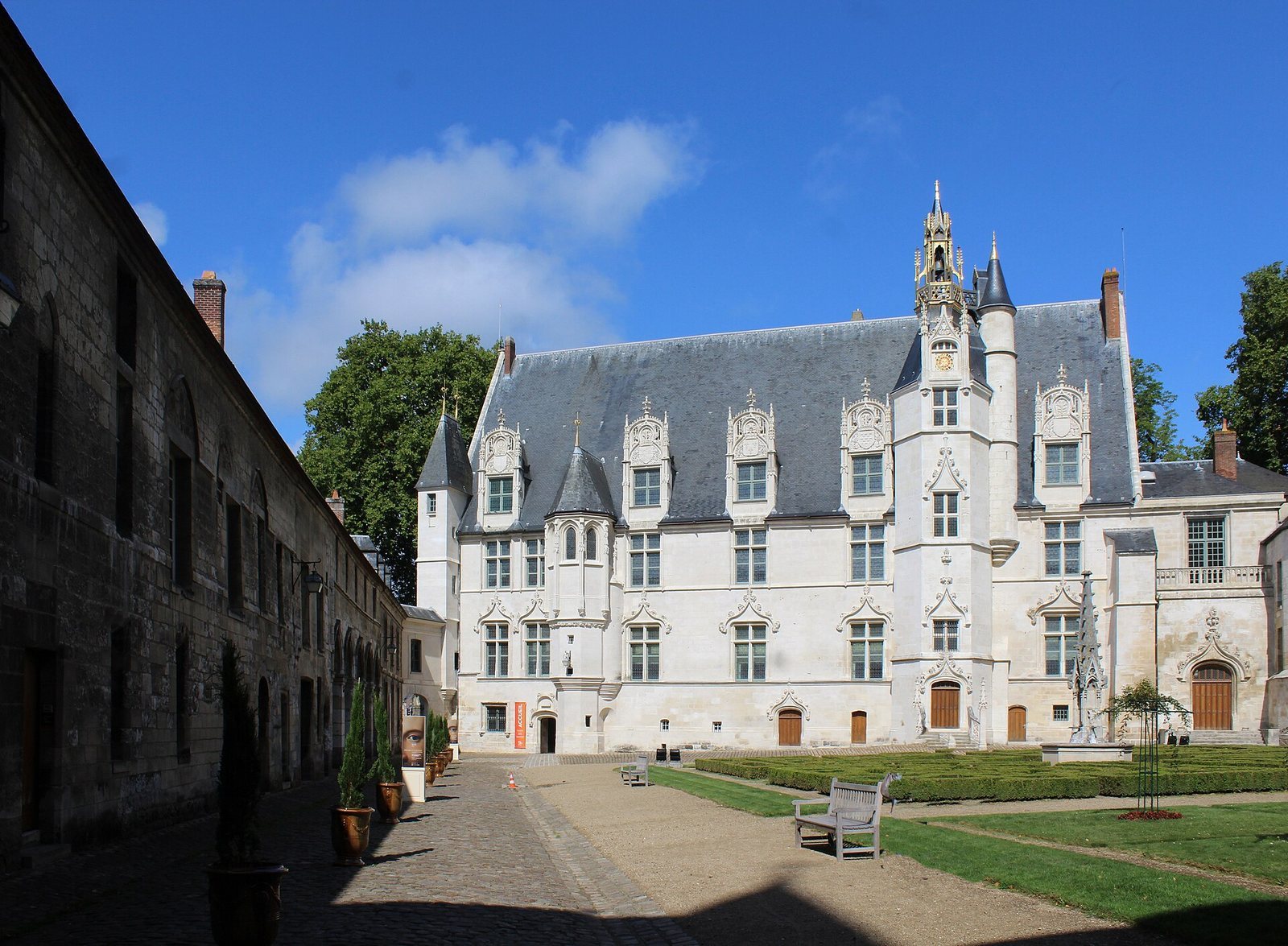
In the early 16th century, Bishop Louis de Villiers de L’Isle-Adam rebuilt the main palace in Renaissance style, drawing on classical forms while retaining Gothic ornament associated with pointed arches and elaborate decoration. He had windows added despite protests from the town. The work shaped much of the building’s appearance, which was later altered during 19th-century restoration.
Changing uses and the museum’s beginnings
After the French Revolution, the palace became a prefecture in the early 19th century. It returned to the bishopric in the early 1820s, then served as a courthouse by the middle of the century. In 1848, writer and historic-monument inspector Prosper Mérimée placed it on the historic-monument list. The palace was classified as a historic monument in 1862.
The museum collection began in 1841, when historian Louis Graves and the Société académique de l’Oise, a learned society focused on the region’s history and culture, brought together objects of artistic or historical interest. The collection first occupied municipal premises, which eventually became too small. In 1908, Beauvais and the society offered it to the departmental council; the following year, the department acquired a large building north of the cathedral to house it.
War, loss, and installation in the palace
The museum was evacuated temporarily in 1918 during the First World War. In June 1940, bombing destroyed most of the collection in the building north of the cathedral. Surviving works and later acquisitions were moved to the attic of the former palace, and the collection that remained was installed there in 1960.
The courthouse moved to a new building in 1973, allowing the department to take over the palace. A restoration and conversion led by architect Jean-Pierre Paquet was completed in June 1981. Structural problems, especially in the roof framing, led to gallery closures in 1997, although temporary exhibitions continued in sound parts of the building. That year, the museum also received a substantial gift of work by Polish-born French artist and sculptor Jean Lambert-Rucki from his daughters.
The daughter of painter and collector Maurice Boudot-Lamotte (1878–1958) gave the museum a collection containing both his work and pieces he had collected. It was presented in an exhibition from November 1979 to February 1980. A further renovation project began in 2013, and the palace closed again in 2020. Work undertaken in the early 2020s produced a revised display of 19th-century art and a new display devoted to the 20th century.
Remains
The museum occupies a complex below Beauvais Cathedral, built over Roman-era fortifications. Its buildings include the palace, an inner courtyard, and a fortified entrance flanked by two matching towers. The architecture reflects the palace’s Renaissance rebuilding alongside its retained Gothic ornament.
Palace and fortified entrance
Gatehouse
The 14th-century gatehouse passage contains representations of musician sirens on its ground floor and fragments of paving on the first floor. Graffiti covers the walls of the north tower, recalling its use as a prison. A room on the lower level of the south tower was formerly used for storage.
Main palace
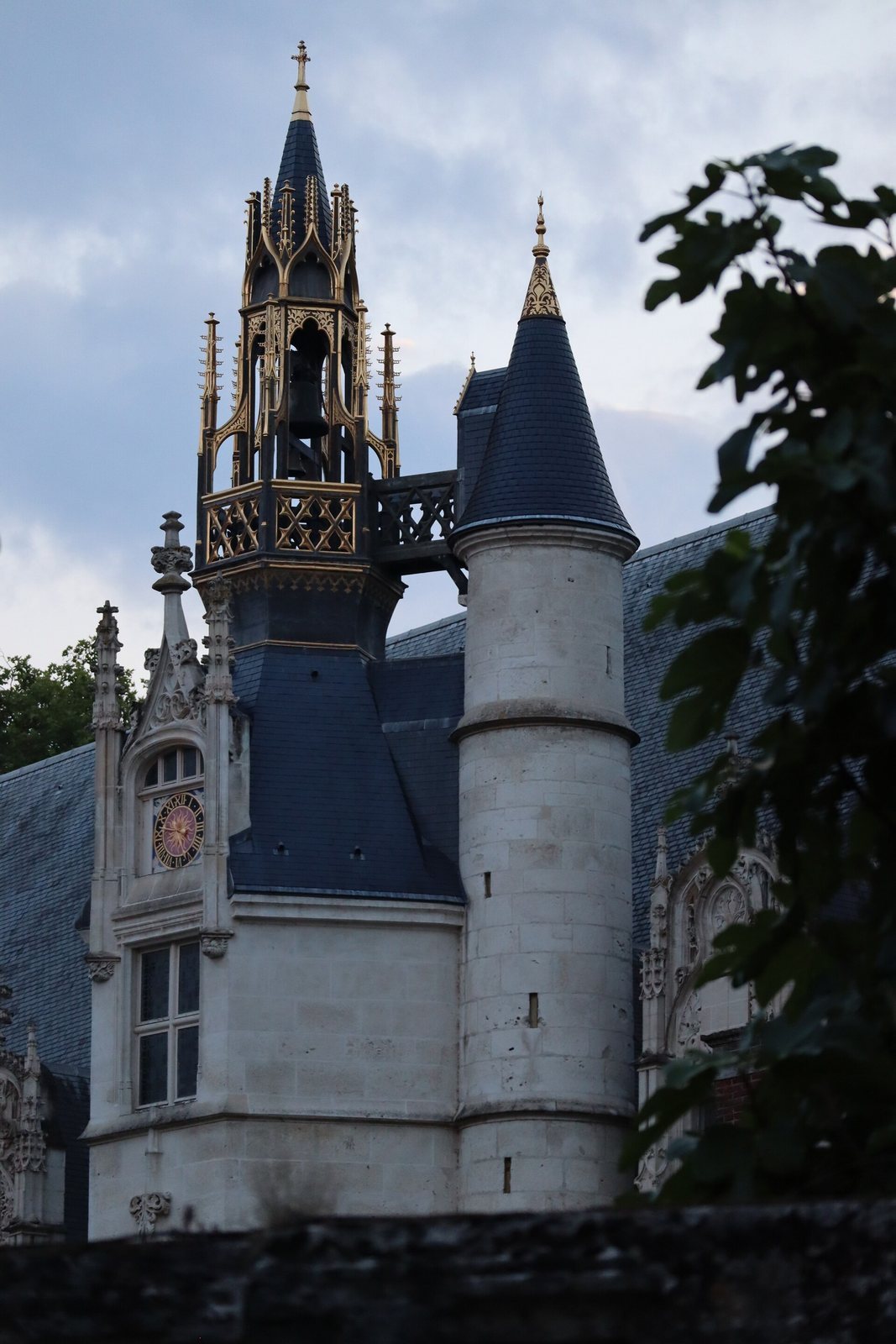
The palace façade includes a turret containing a spiral staircase, a small pepperpot-shaped turret, and a bell tower. Three bells are held in the bell tower, including one dated to 1506.
Collections and displays
Archaeology, early paintings, and sculpture
The collections include archaeology, ceramics, painting, and sculpture. Ceramics range in date from the 16th to the 20th century. Older paintings include French and Italian works from the 17th and 18th centuries by artists such as Baciccio, Giuseppe Bazzani, Il Morazzone, Leonardo Coccorante, Gaspare Diziani, Nicola Maria Rossi, Quentin Varin, Claude Vignon, Charles Le Brun, Sébastien Bourdon, and Jean Barbault. French Renaissance painting is represented by Antoine Caron. The sculpture collection includes medieval sculptural groups and a 17th-century marble funerary sculpture of Charles de Fresnoy, attributed to Michel Bourdin the Younger.
19th-century art
Displayed on the palace’s first floor, the 19th-century collection includes Thomas Couture’s Enlistment of the Volunteers of 1792, along with works by Jean-Auguste-Dominique Ingres, Théodore Chassériau, Joseph-Nicolas Robert-Fleury, Hippolyte Flandrin, Camille Corot, Alfred Sisley, Henri-Eugène Le Sidaner, Paul Huet, and Prosper Marilhat. Decorative works by Alexis-Joseph Mazerolle and Pierre-Victor Galland, as well as ceramics by Jules-Claude Ziegler, are also represented. The thematic displays address religious art, the relationship between art and power, Orientalism, and the development of landscape painting.
20th-century art
The second floor presents European art from the 1900s through the 1960s and 1970s, including painting, sculpture, furniture, and decorative arts. Artists represented include Raoul Dufy, Félix Vallotton, Francis Picabia, Jean Dupas, Tristan Klingsor, Edgard Maxence, Max Blondat, André Devambez, and Marthe Flandrin. The display also includes Maurice Denis’s painted staircase decoration The Golden Age and Tamara de Lempicka’s Mother and Child and Round Madonna.
Graphic and decorative arts
Other collections include graphic works, an Art Nouveau dining room designed by Gustave Serrurier-Bovy, and ceramics by Auguste Delaherche. Art Nouveau is a decorative-art movement. The museum also holds a bust of Delaherche by Pierre Félix Masseau and a substantial collection of Delaherche’s ceramics.