Abbey of Froidmont: A Cistercian Monastery in France
Site at a Glance
- Rating
- 4.6
- Popularity
- Low
- Country
- France
- Primary era
- Medieval
- External website
- Open
- Eras represented
- Medieval, Modern
- Civilizations
- French
- Site type
- Religious
- Remains
- Monastery
On this page12 sections
History
The Abbey of Froidmont is a former Cistercian monastery in France, near Hermes, founded in 1134 on land donated by Alix, lady of Achy and Bulles. About twelve monks from Notre-Dame d’Ourscamp, led by Manasses, first occupied a small hermitage on Mont César while a new monastery was built beside the Trye River at the foot of Mont Hermes. The church and monastery were completed by 1136 and consecrated by Odon, bishop of Beauvais.
Foundation and Cistercian development
The community was initially called Notre-Dame de Trye, but adopted the name Froidmont during the 1150s. It was a daughter house of Notre-Dame d’Ourscamp within the Cistercian filiation of Clairvaux. The Cistercians were a reform branch of Western monasticism that stressed strict religious observance, communal life, and self-supporting agricultural estates.
A charter issued in 1137 placed the abbey under the protection of King Louis VI and exempted it from secular authority. In August 1147, a papal bull confirmed the foundation, exempted its lands from tithes, and threatened excommunication against anyone who attacked the community or its property. Pope Innocent III confirmed its possessions and protection in 1204, and Louis IX renewed royal protection in 1258.
The first hermitage on Mont César was later converted into a farm known as the Vieille Abbaye. By 1164, Froidmont possessed seven agricultural estates, or granges, at Vieille Abbaye, Gouy, Mauregard, Grand Mesnil, Brunvillers-la-Motte, La Verrière, and Porfondeval. A grange was a large monastic farm with fields, livestock, buildings, and resident lay workers. These estates were operated by lay brothers.
Growth, learning, and wealth
Donations from local lords enabled the abbey to expand. In 1224 its estates held 255 cattle, 5,000 sheep, and 134 plough horses, supported by 227 servants. The religious community numbered about 150 people, including approximately 100 lay brothers. This agricultural base supported the monastery’s religious life and helped make Froidmont an important local institution.
The abbey also had literary associations. Hélinand of Froidmont became a monk there and composed The Verses of Death between 1194 and 1197. Thomas of Beverley, a twelfth-century writer, is also recorded as having lived at the monastery.
War and institutional strain
During the Great Jacquerie of 1358, a major peasant uprising in northern France, the abbey was burned. Its lands were devastated and its livestock was stolen. The monks took refuge at the abbey’s residence in Beauvais and returned two years later. Later English incursions led to the digging of ditches around the monastic buildings as a defensive measure.
These upheavals weakened observance of the monastic rule and reduced the number of new vocations, although the abbot’s standard of living remained high. In 1528 Francis I appointed Claude de Beze as Froidmont’s first commendatory abbot. A commendatory abbot received the revenues of an abbey, often without residing there or directly supervising its monks. Claude rebuilt much of the complex, including the church, which was consecrated on 5 June 1534.
Odet de Coligny succeeded Claude but did not live at Froidmont. Exceptional financial demands from the crown created serious difficulties, and the monks repeatedly fled during the Wars of Religion, the conflicts that divided France between Catholics and Protestants in the sixteenth century. In 1598 Henry IV granted the community letters of protection.
Reform and decline in the early modern period
Relations between the resident monks and the commendatory abbots remained difficult during the seventeenth century. After a lawsuit in 1646, the monks secured a more favourable division of the abbey’s revenues, especially for the maintenance of its buildings. In 1666 Louis XIV established six low masses for the soul of his mother, Anne of Austria.
Charles-Joachim Colbert de Croissy became abbot in 1684 and helped restore observance of the rule. He was associated with Jansenism, a Catholic reform movement that stressed strict moral discipline and divine grace. In 1769 Étienne-Charles de Loménie de Brienne became abbot of a poorly maintained monastery. Royal permission granted in 1774 allowed the demolition of the most ruined structures, including Saint Margaret’s Chapel, part of the enclosure wall, and several farms.
In 1781 the Parlement of Paris, a high court of the French monarchy, prohibited the abbey from distributing alms on Holy Thursday because the practice attracted too many people. The decision reflected the continuing public role of the monastery shortly before the end of its institutional life.
Revolution and later preservation
An inventory of the abbey’s property was made on 5 May 1790 during the French Revolution. Only ten religious and four servants remained, while the library contained 950 books and 20 manuscripts. The monks were expelled on 1 January 1791, and the buildings were offered for sale in September and October of that year.
After the sales, the gardens, woodwork, and other church furnishings were removed. Buildings were demolished and their materials sold. By 1870, the Basse-Cour farm and the grange remained from the former complex. The commons, porch, sheepfolds, and enclosure wall were registered for heritage protection in 1988, while the grange was classified in 1995.
Remains
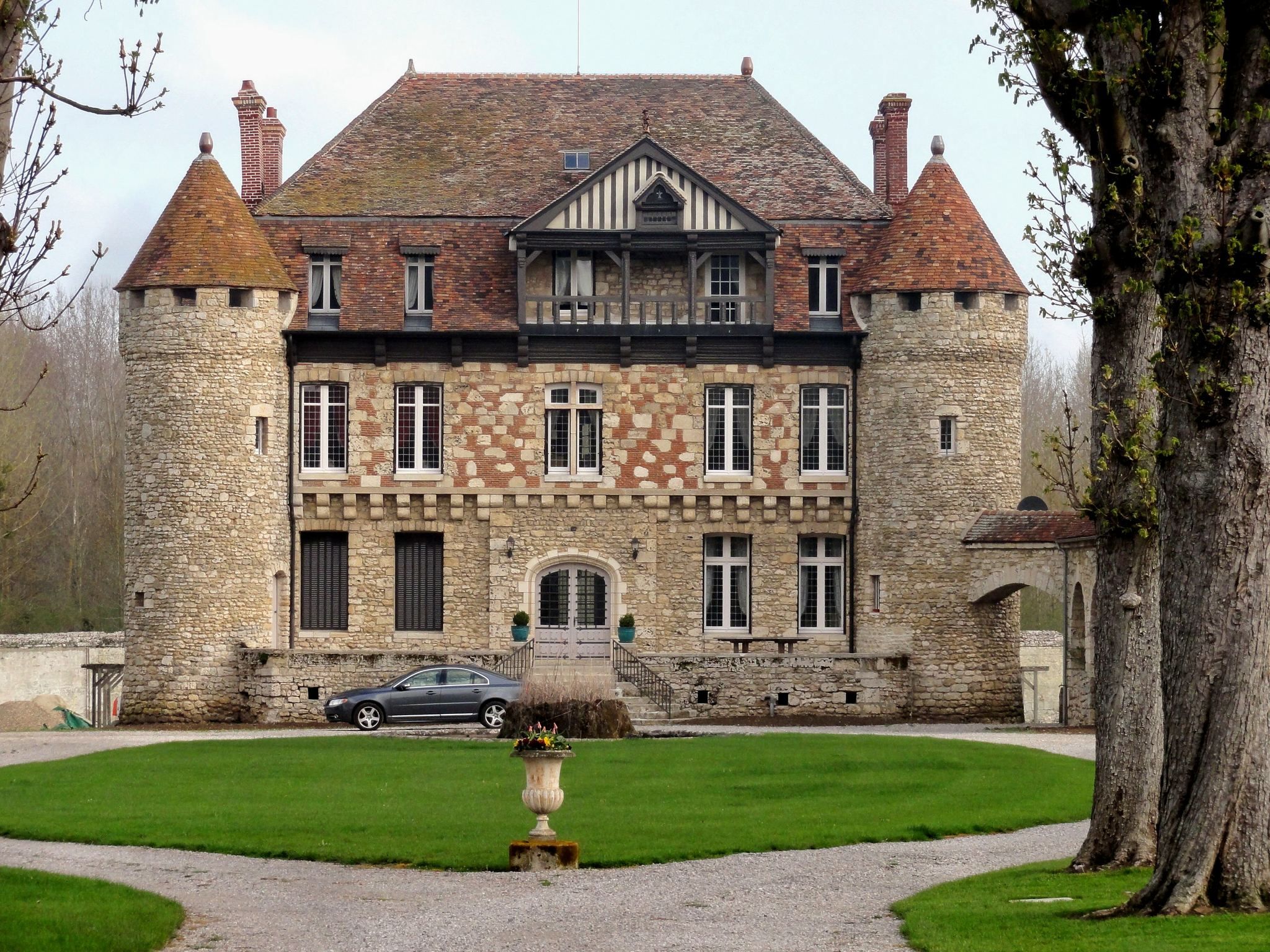
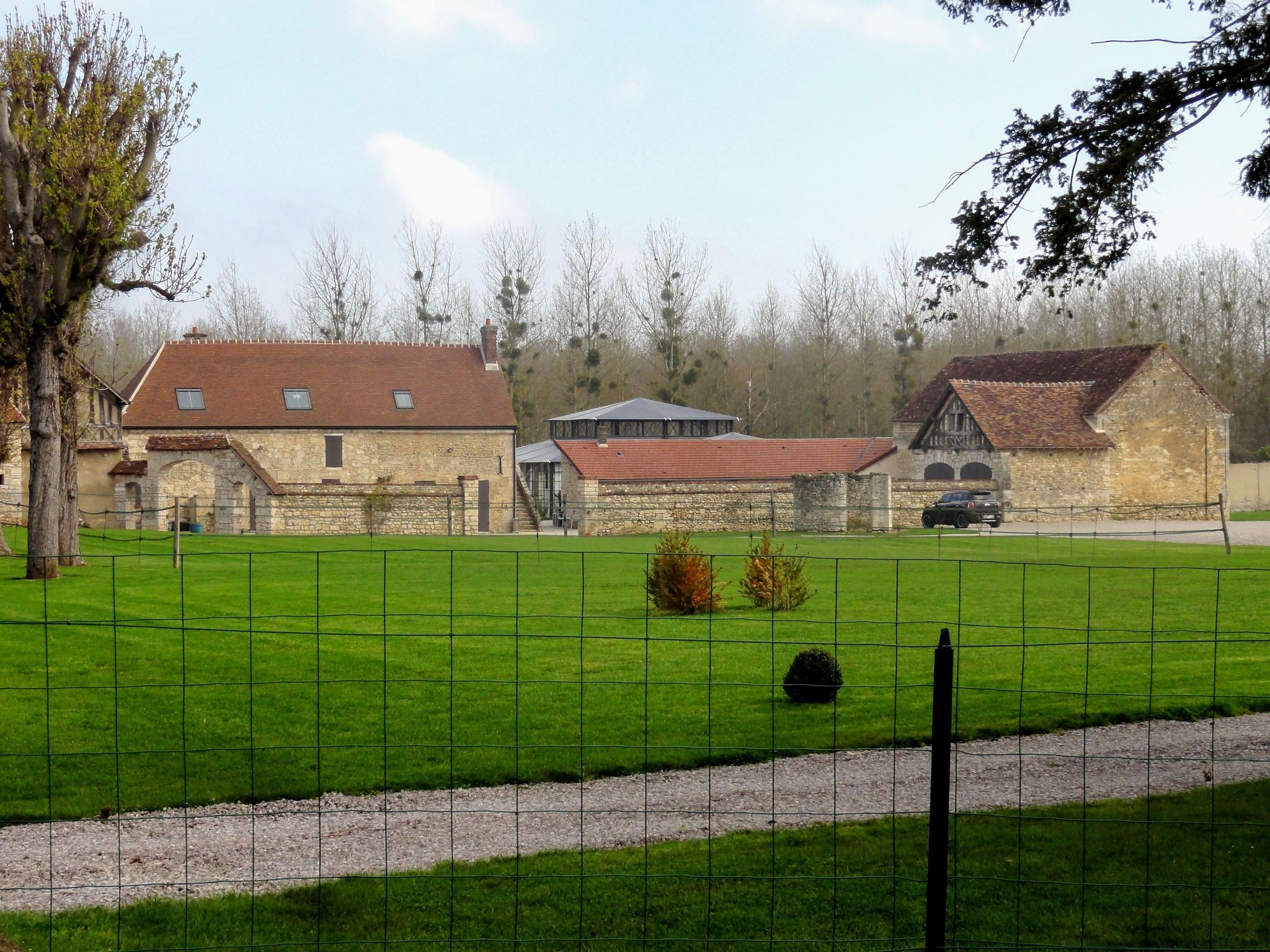
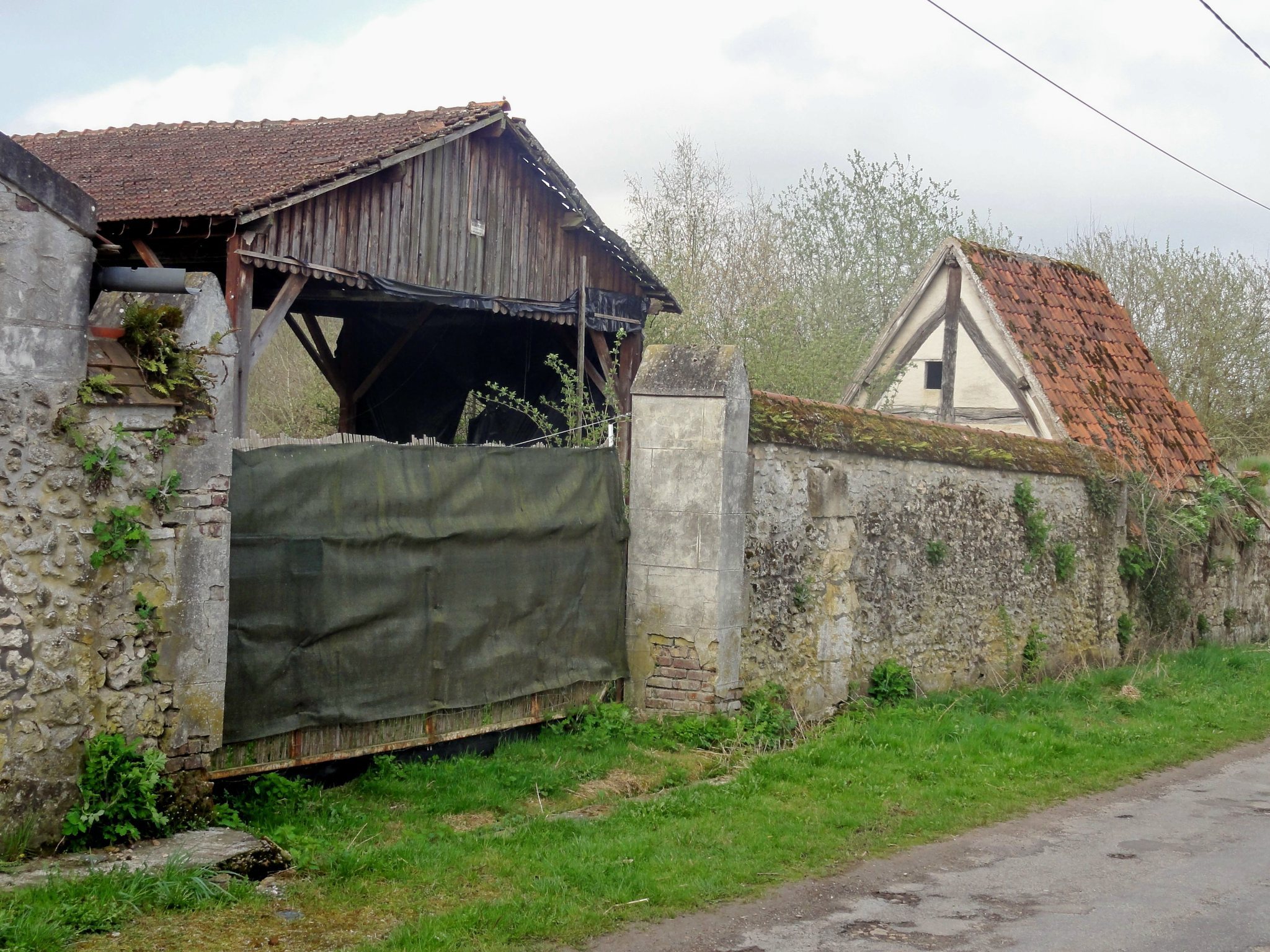
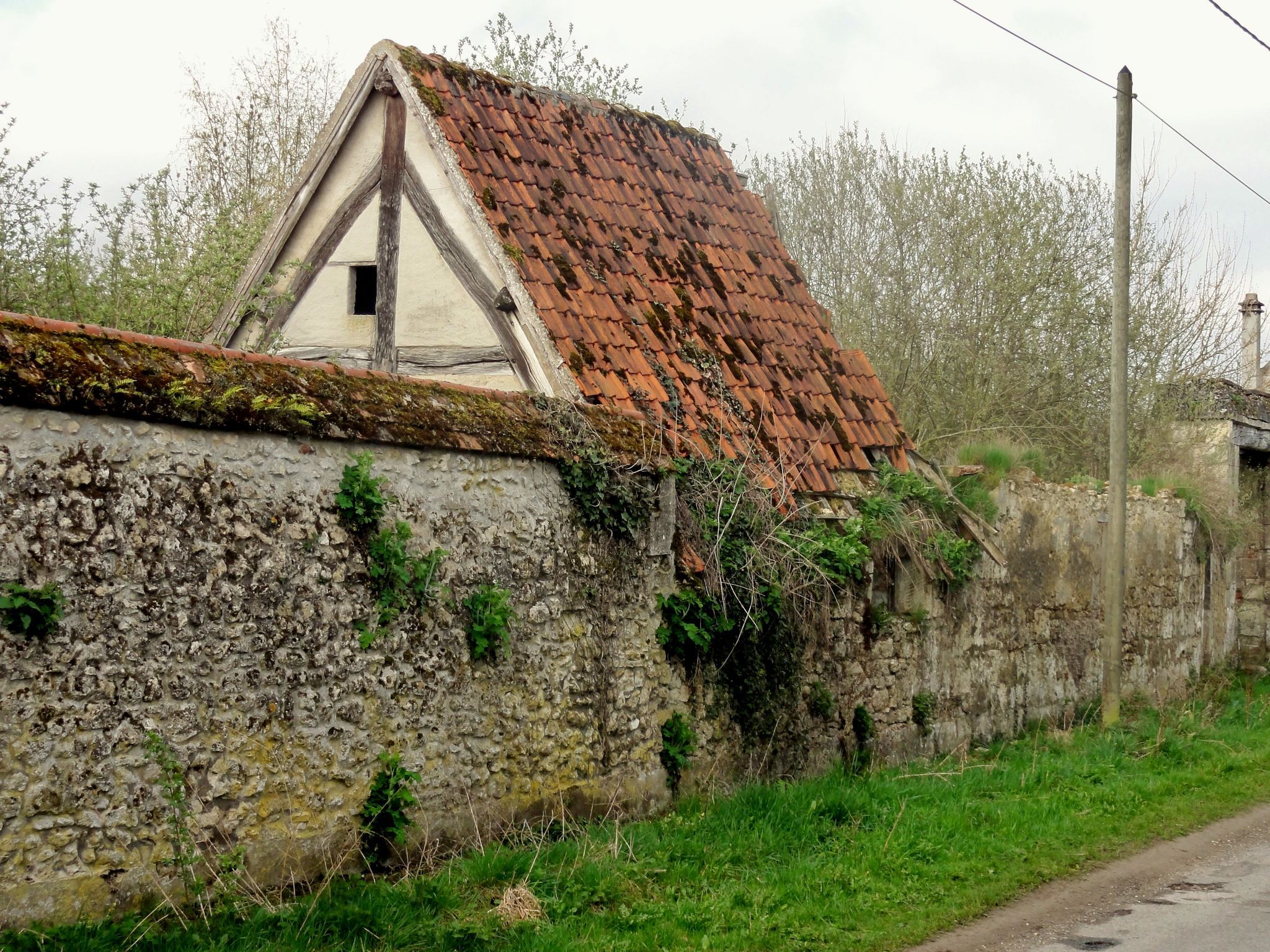
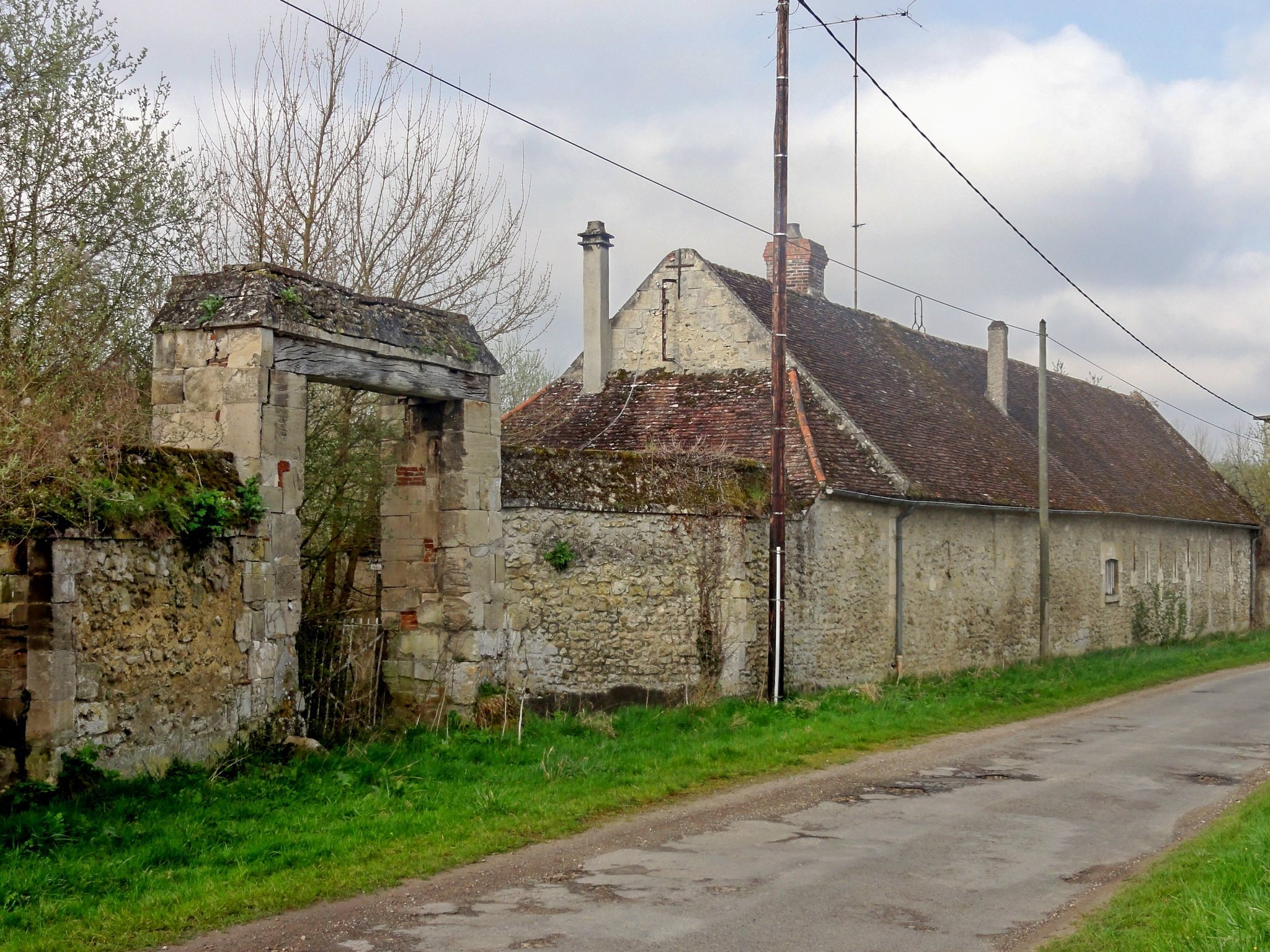
The former abbey stood beside the Hez-Froidmont Forest, near Froidmont and Hermes in the Oise. The surviving complex is centered on agricultural and service buildings, including the medieval monastic grange, commons, pigeon house, and enclosure wall. Together they preserve elements of the estate that supported the Cistercian community.
Surviving enclosure and farm buildings
Enclosure wall
The enclosure wall dates in part from the twelfth century and remains in good condition. Ditches were later dug around the monastic buildings when English incursions threatened the area. The wall formed part of the boundary of the abbey’s working and residential complex.
Monastic grange
The surviving grange is a medieval agricultural building dated to the thirteenth and fourteenth centuries. Its roof structure is made of oak. The building represents the farming infrastructure through which the abbey managed its estates and livestock.
Pigeon house
The pigeon house is a tall, narrow brick tower dated to 1870. Its two-colour bricks form alternating horizontal courses, while an older limestone substructure supports the tower. Vertical stepped stone quoins frame the elevations and are interrupted near the top by a stringcourse.
Several openings align on a single axis, including the basement door, ground-floor door, first-floor door, and a flight opening facing the farm courtyard. Except for the flight opening, these entrances are framed with irregular stepped stonework. Further flight openings appear on the rear elevation at every other bay. The tower is covered by a conical roof of flat tiles, finished with a ridge ornament carrying a pigeon-shaped finial.
Dependent agricultural estates
Froidmont’s wider agricultural network included the Vieille Abbaye at Bailleul-sur-Thérain, Gouy at Noyers-Saint-Martin, Mauregard at Reuil-sur-Brêche, Grand Mesnil at Campremy, Brunvillers-la-Motte, La Verrière at Thury-sous-Clermont, and Porfondeval at Montreuil-sur-Thérain. The Mauregard grange survives at Reuil-sur-Brêche. The Porfondeval grange later became a priory dependent on Beaubec Abbey, while remains of the Grandmesnil grange, dated to 1210, survive at Campremy.