Gyeyangsanseong Fortress: A Three Kingdoms-Period Mountain Stronghold in South Korea
Site at a Glance
- Country
- South Korea
- Primary era
- Classical
- Eras represented
- Classical
- Civilizations
- Baekje
- Site type
- Military
- Remains
- Fort
On this page12 sections
History
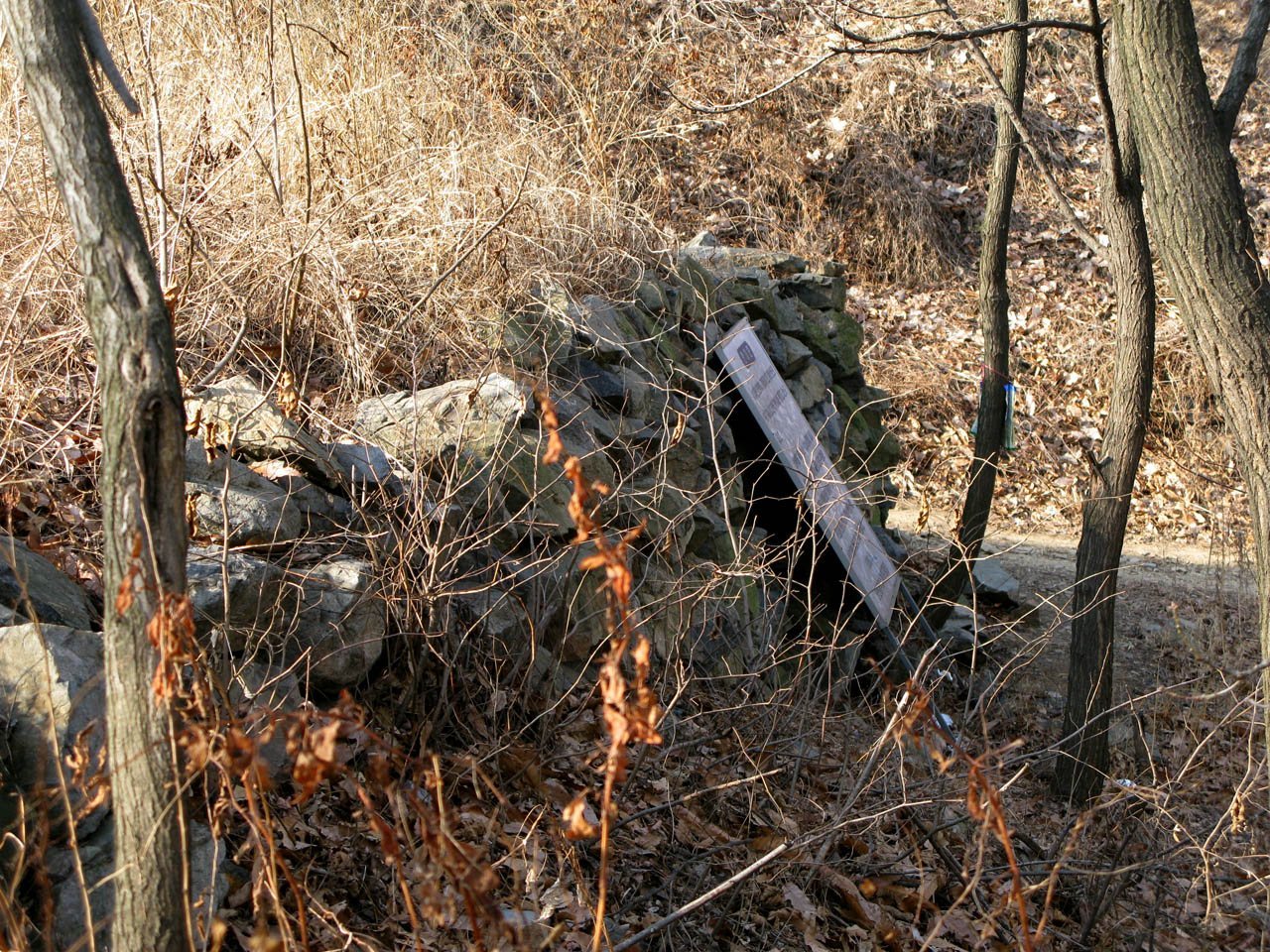
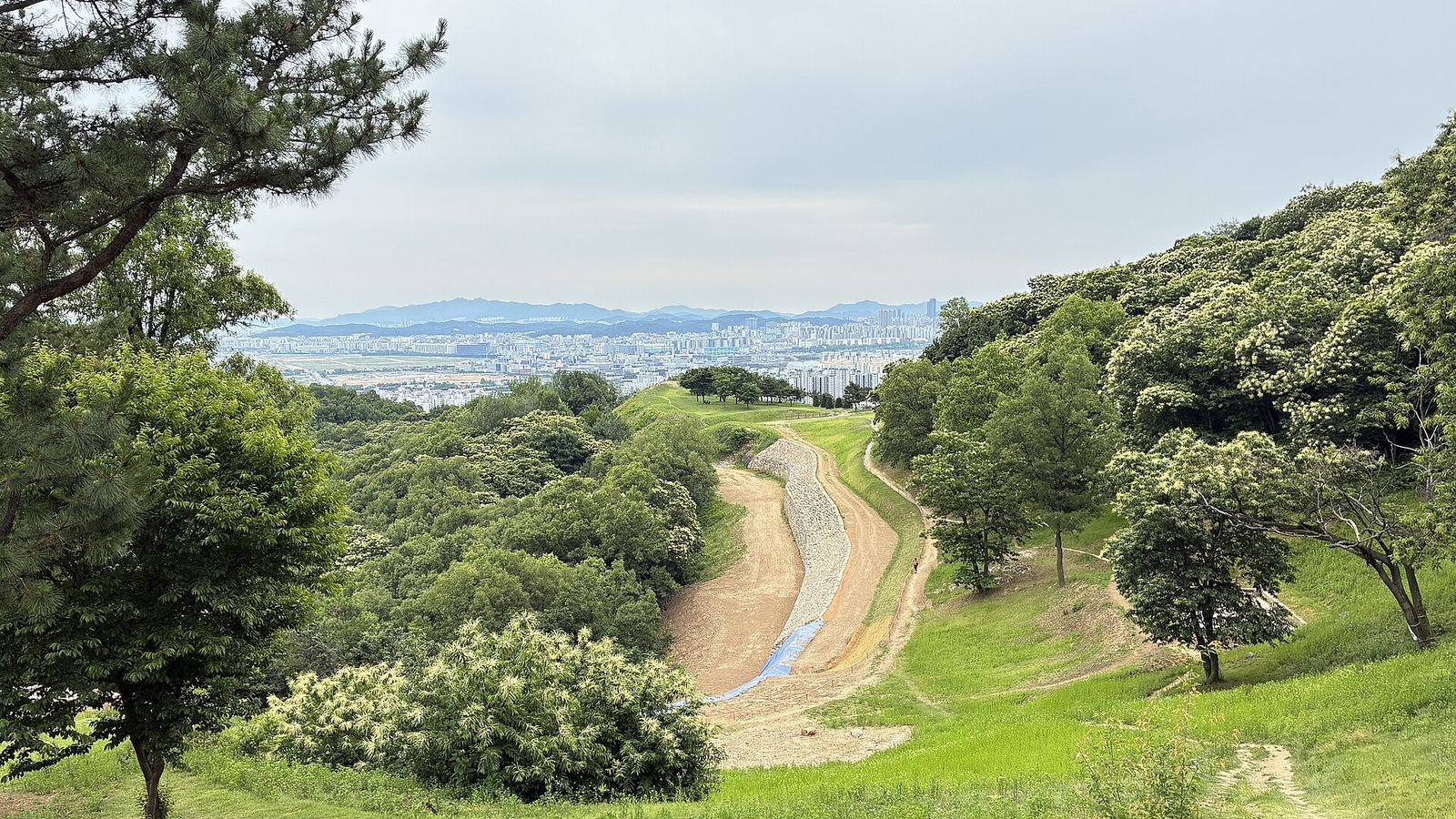
Gyeyangsanseong Fortress is a Three Kingdoms-period mountain stronghold on the eastern ridge of Gyeyang Mountain in Gyeyang district, Incheon, South Korea. Its exact construction date is unknown, although Baekje is considered its likely builder. The fortress was a representative stronghold south of the lower Han River, where individual hills offered defensive positions in a landscape with few high mountains, including the Gimpo and Paju plains.
Early history and Baekje
A local polity existed in the area during the Proto-Three Kingdoms period, before Baekje, Goguryeo, and Silla competed for territory across the Korean peninsula. The area was later incorporated into Baekje as Jubuto County.
Goguryeo subsequently controlled the lower Han River region. In 551, Baekje and Silla joined forces to drive Goguryeo out. After Silla’s victory at the Battle of Gwansanseong in 554, the region came under Silla rule.
Later use and changing names
The fortress’s military importance probably declined after the Three Kingdoms period. The name Gyeyang came into use after Goryeo King Gojong established a regional prefecture there during his reign, from 1213 to 1259. Under Joseon, a later Korean dynasty, the fortress was also called Gosan Fortress. A geographical gazetteer published in 1530 described it as a stone-built fortification with a circumference of 1,937 cheok, a traditional Korean unit of length, and noted that it was already in ruins.
During the Japanese invasions of Korea, or Imjin War (1592–1598), the fortress again became a battlefield, including in clashes between Ming Chinese forces and Japanese armies.
Archaeology and conservation
By modern times, extensive collapse had made the fortress’s outline difficult to discern. Ten archaeological excavation campaigns took place between 2003 and 2020. The site became an Incheon Metropolitan City Monument in 1992 and a national Historic Site in 2020, and restoration work began in 2021.
Remains
Layout and defenses
The fortress encloses a peak on Gyeyang Mountain’s eastern ridge, at about 202 metres above sea level, rather than surrounding the mountain’s summit. Its plan combines higher ground with an eastern slope that encloses a lower, flatter area. The arrangement has been compared to the shape of a traditional official’s hat. Builders set timber posts upright, compacted earth in layers, and faced the outer wall with stone.
Western wall
The western wall measures about 4 metres between its inner and outer faces, and its outer side rises roughly 6.5 metres above the base. A foundation layer of compacted yellow earth and rubble is about 20 centimetres thick. Above it, rectangular stones measuring approximately 70 by 30 centimetres or 50 by 30 centimetres form staggered courses.
Eastern wall
At the eastern wall, compacted earth lies over bedrock, with stones measuring about 20 by 30 centimetres built above it. This construction method is characteristic of Baekje mountain fortresses.
North gate
At the northern gate, the defensive passage made a right-angle turn, and a gate pavilion stood at the entrance.
Buildings, water installations, and finds
Building remains and water installations
Excavations uncovered several water-drawing installations and substantial building remains. Recorded features include one building site and eight pits, as well as nine building remains, three pits, two underfloor-heating installations, and other features. Excavators also recovered assorted stone materials, pottery, and roof tiles.
Inscriptions and objects
A roof tile from the second excavation campaign bears the name Jubuto, linking the fortress area with the historical county. Finds also include iron swords and axes, large quantities of pottery, a fishing net, spindle whorls, and a wooden tablet bearing text from The Analects, a foundational Confucian text. The tablet and pottery are considered possibly Baekje in origin.