Assyrian Sites: Explore Royal Cities, Reliefs and Waterworks
Assyrian remains include the plans of royal cities, rock-cut inscriptions and substantial traces of water engineering. The collection is concentrated in the Near East and also includes museum holdings. The examples below focus on archaeological places and monuments, identifying their Assyrian contribution within longer histories of occupation.
Primary Function: All
Type: All
Country: All
Popularity: All
Rating: All
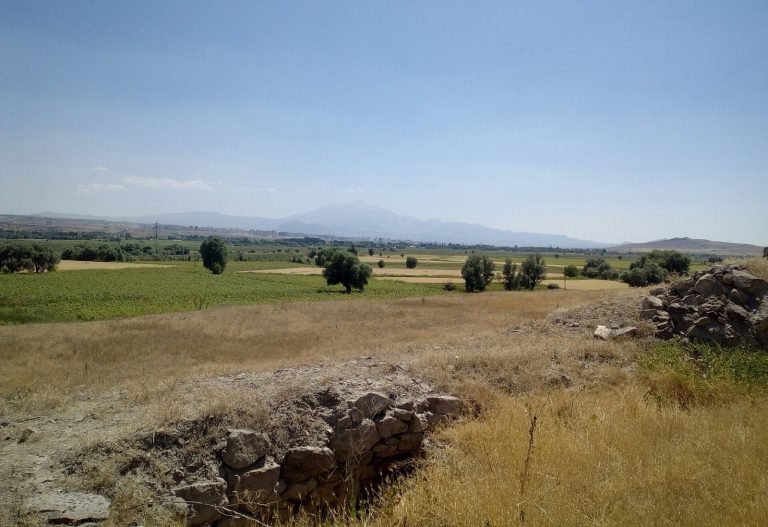
Kültepe, ancient Kaneš, was a political center and Assyrian trading hub whose archives illuminate commerce, law, and family life in Bronze Age…
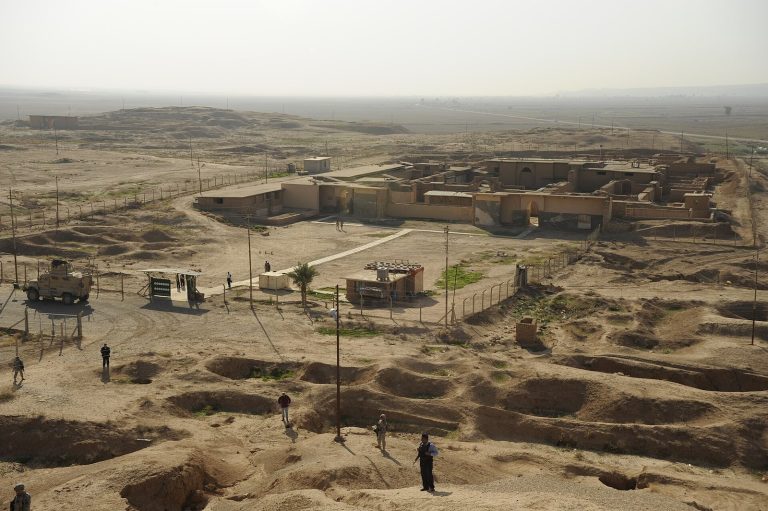
Nimrud is the site of Kalhu, an Assyrian city rebuilt as an imperial capital by Ashurnasirpal II. Its history includes centuries of royal use,…
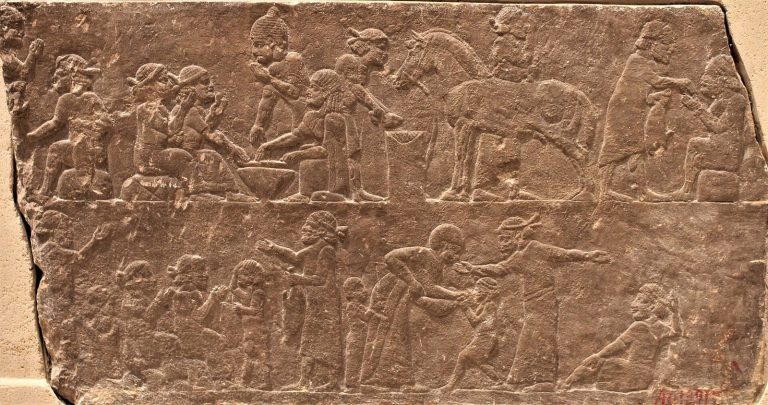
Nineveh developed over millennia into the Assyrian Empire’s capital and royal center. Its remains preserve evidence of ancient urban life, imperial…
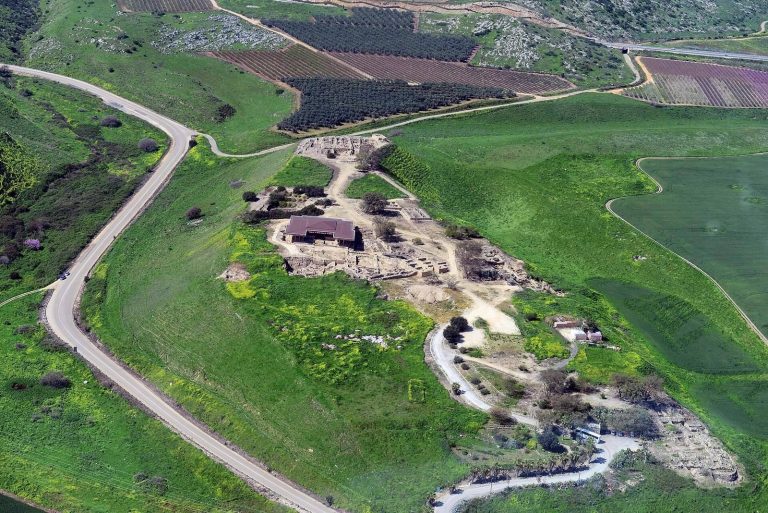
Tel Hazor was a major fortified city in Upper Galilee, with extensive Bronze and Iron Age remains that trace its growth, destruction, rebuilding, and…
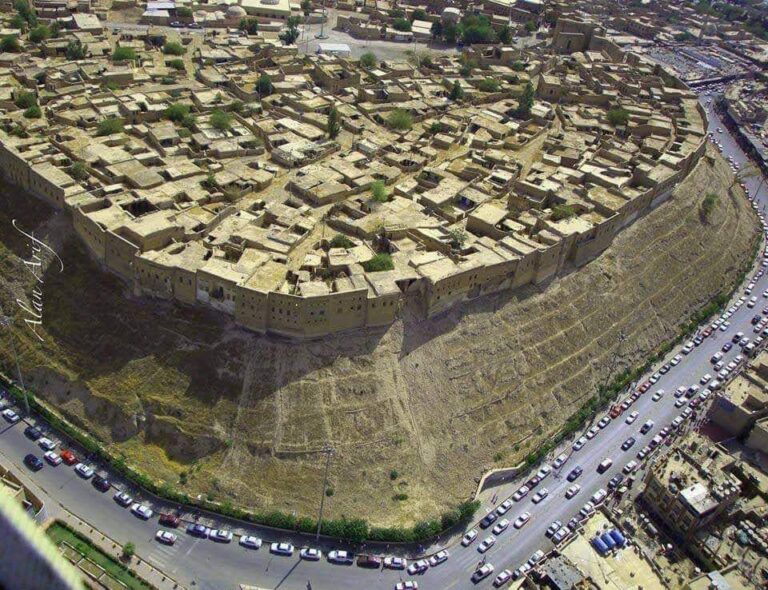
The Citadel of Erbil is a deeply layered settlement mound whose history extends from the fifth millennium BC through Sumerian, Assyrian, Islamic, and…
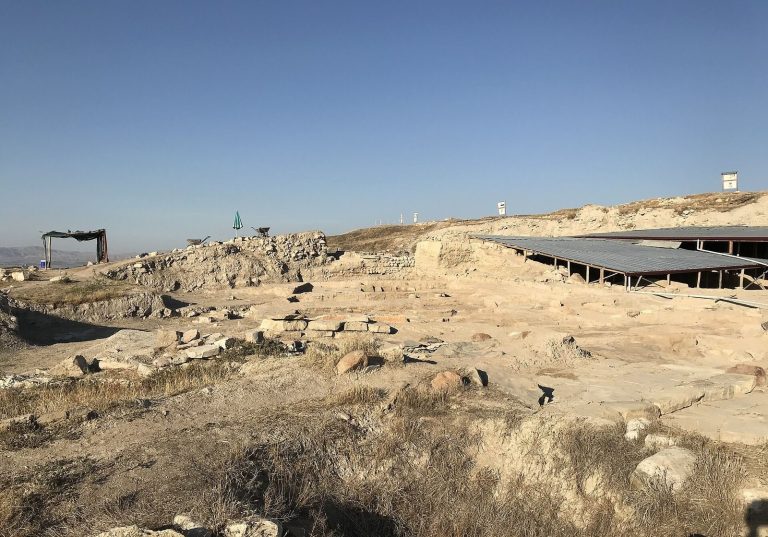
Occupied from at least the sixth millennium BCE, Arslantepe developed into a major center on the Malatya Plain. Its remains reveal successive…
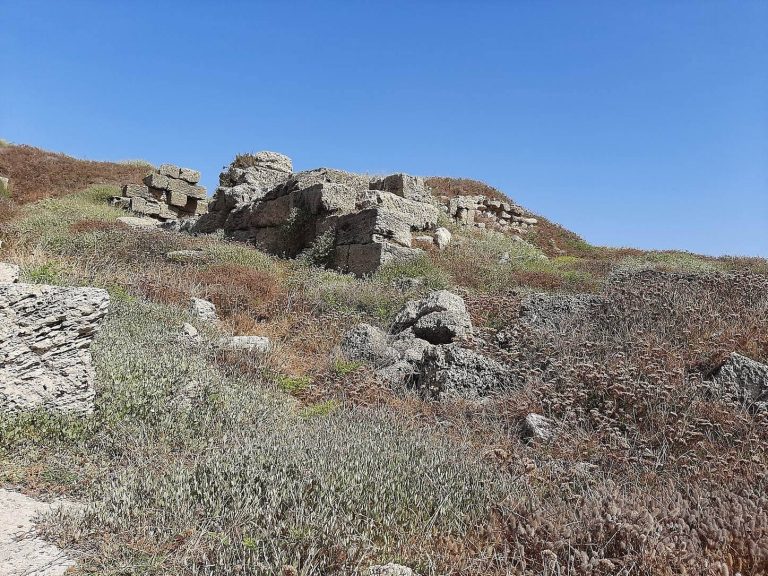
Dora, the ancient city of Dor, developed around a sheltered harbor on Israel’s Carmel coast. Its remains trace centuries of Canaanite, Phoenician,…
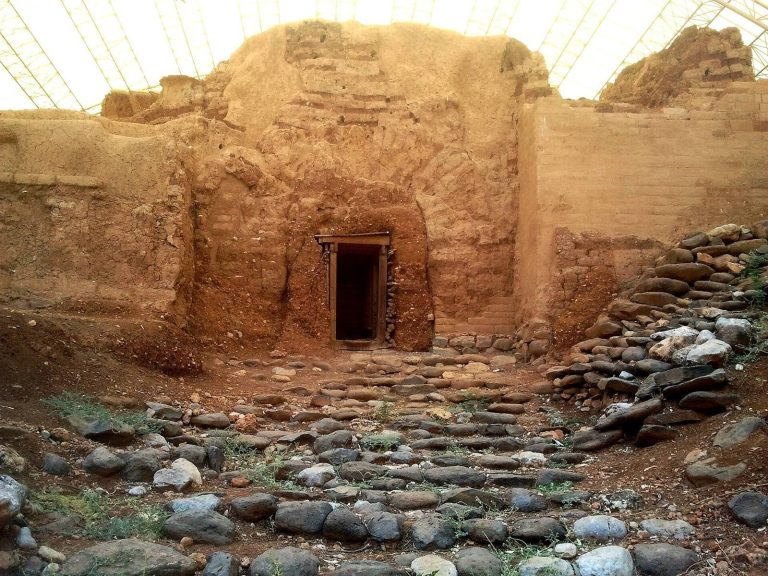
Dan, identified with Tel Dan in the Upper Galilee, preserves evidence of Neolithic settlement, a major Canaanite city, an Israelite royal sanctuary,…
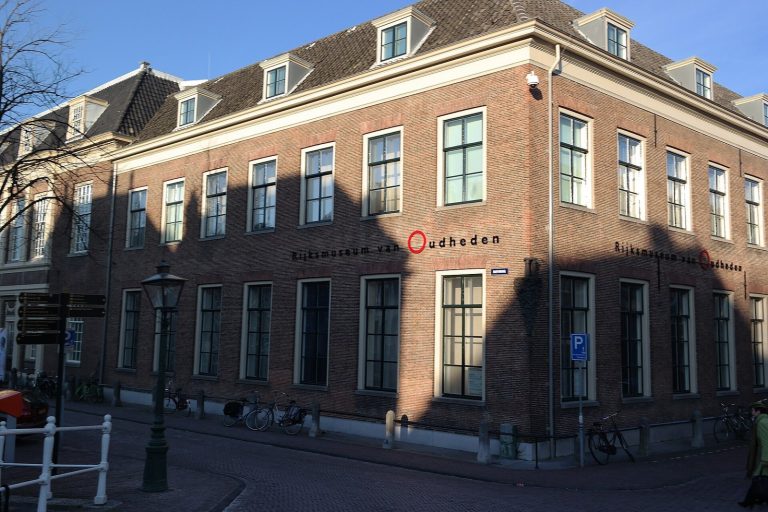
Founded in 1818, the National Museum of Antiquities Leiden grew from Leiden University’s antiquities collection into the Netherlands’ national…
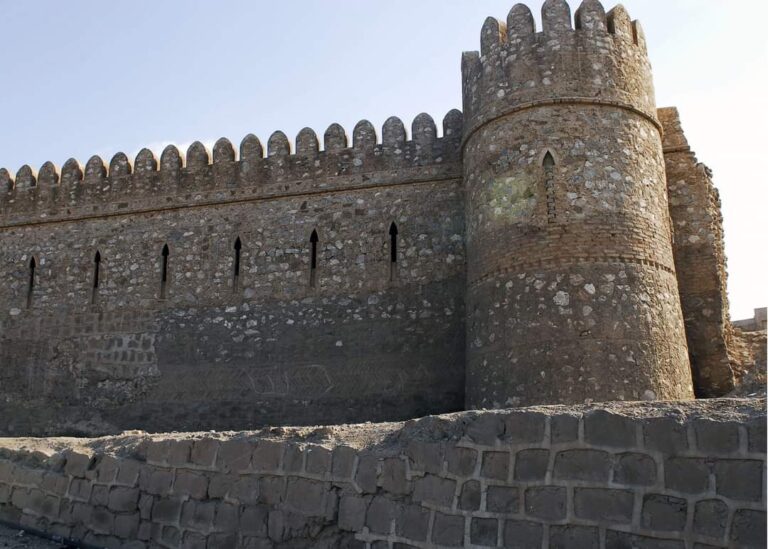
Kirkuk Citadel is the historic core of Kirkuk, built on a raised ancient tell and shaped by Assyrian, Seleucid, Islamic, Ottoman, and modern Iraqi…
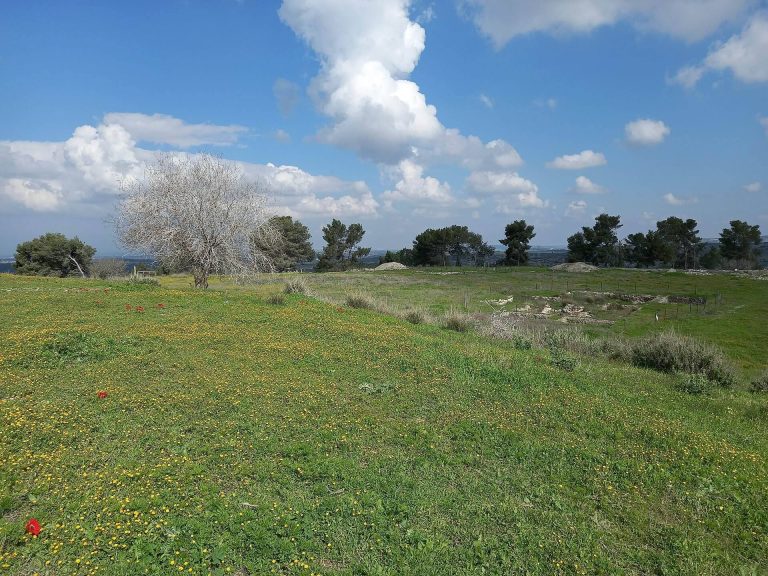
Azekah was a fortified settlement in the Judean lowlands that controlled routes through the Valley of Elah. Its remains preserve evidence of…
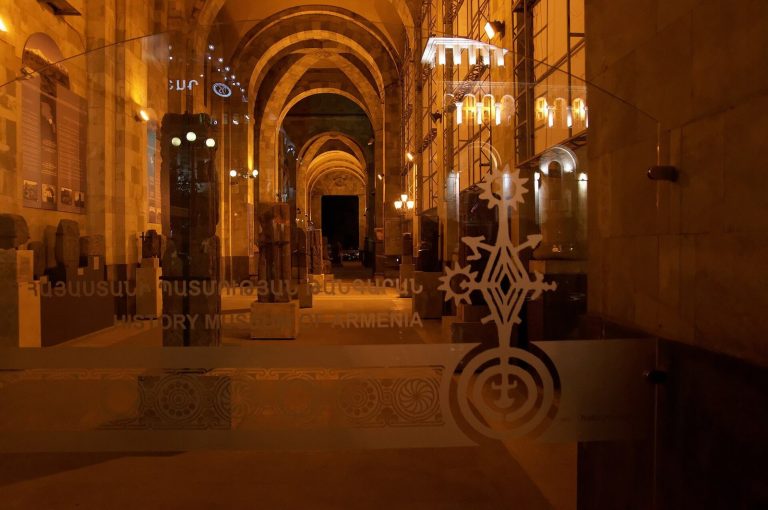
The History Museum of Armenia traces the country’s history from the Paleolithic era to the present through archaeological, ethnographic, numismatic,…
For details on how to use the maps, which sites are included, how popularity and ratings are determined, and how sites are classified, see the help page.
On this page5 sections
Sargon’s capital at Dur-Sharrukin
Dur-Sharrukin, at Khorsabad in Iraq, was founded by Sargon II as a new royal capital in the late eighth century BC. Its almost square enclosure contained a raised citadel with palaces, temples and official residences. Excavations established the arrangement of gateways, courtyards and monumental entrances.
The archaeological site has suffered looting and modern damage. Many of its famous carved reliefs and winged guardian figures were removed to museums during earlier excavations, so the reconstructed palace displays abroad should be distinguished from the remains at Khorsabad. The city plan and excavated structures explain the foundation’s scale without implying that its decorated halls survive intact on site.
Assyrian rule at Carchemish
Carchemish occupied an important crossing of the Euphrates on the present Turkey–Syria border. Sargon II conquered it in 717 BC and made it a provincial center. The city had already been a major Hittite and later Neo-Hittite capital.
Its acropolis, lower town and defensive works therefore belong to several periods. Assyrian occupation forms one phase of this extensive settlement; the earlier sculptured monuments and walls should retain their own dates and attributions. The site article follows that sequence through the changing control of the river crossing.
Water engineering at Khinnis
The Khinnis Reliefs accompany the entrance to a canal associated with Sennacherib’s water system for Nineveh. Carved panels occupy the rock beside the Gomel River, where water was diverted toward the Assyrian capital and its surrounding land.
The combination of channel works, inscriptions and reliefs gives the site an unusually direct connection between royal building and its practical purpose. Water had to be carried from the uplands across uneven terrain; the surviving canal entrance and rock-cut record belong to that larger undertaking. Later alterations to some carvings form a separate phase.
Campaign inscriptions above the coastal road
At Nahr el-Kalb in Lebanon, Assyrian royal reliefs and cuneiform inscriptions stand among monuments left by many other rulers. The cliff constrained passage along the coast, making it a prominent place to record military campaigns. One inscription commemorates Esarhaddon’s Egyptian campaign of 671 BC.
The weathered panels remain attached to the landscape in which they were carved. Their individual dates matter: neighboring Egyptian, Babylonian, Roman and later inscriptions form a sequence of separate commemorations, rather than a single Assyrian monument.
Explore the Assyrian collection
Open map markers or grid entries for the individual histories and recorded remains. Site articles also distinguish material retained at the archaeological location from objects transferred to museum collections.