Kutisvara: A Hindu Temple of Shiva at Angkor
Site at a Glance
- Rating
- 3.8
- Popularity
- Very Low
- Country
- Cambodia
- Primary era
- Medieval
- External website
- Open
- Eras represented
- Medieval
- Civilizations
- Khmer
- Site type
- Religious
- Remains
- Temple
On this page7 sections
History
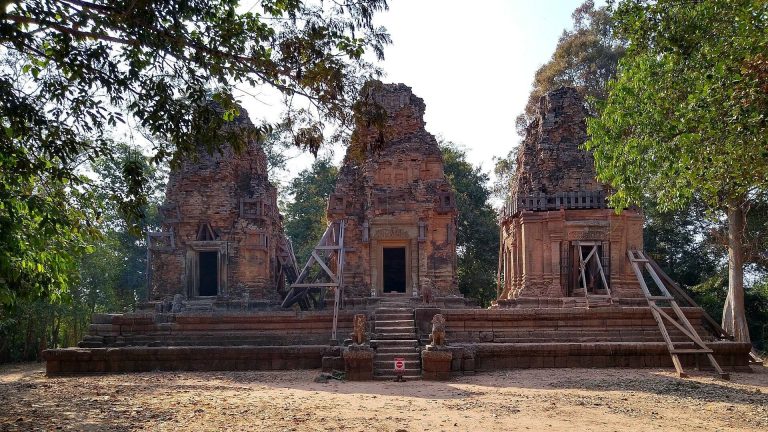
Kutisvara, also known as Kdei So, is a small Hindu temple in Angkor Archaeological Park, Cambodia, built by the Khmer civilization in phases beginning in the ninth century. Its central tower belongs to the earlier Preah Ko architectural style, while the two side towers reflect the later Pre Rup style. The temple was associated with the worship of Shiva, a Hindu deity linked with destruction and transformation.
Jayavarman II and the early foundation
Kutisvara is identified with Kuti, a place mentioned in the Sdok Kok Thom stele in connection with Jayavarman II. Traditionally associated with the formation of the Khmer state and with important religious foundations in the early ninth century, Jayavarman II is linked to the central tower at Kutisvara. The connection places the temple within the early development of Khmer religious architecture, although the precise attribution of the whole complex remains uncertain.
Later expansion and religious dedication
The two flanking towers were added later, probably during the reign of Rajendravarman II, a tenth-century Khmer king associated with major temple construction and religious foundations in the Angkor region. An inscription reused in nearby Banteay Kdei records the dedication of Kutisvara to Shiva and attributes the installation of images in the side towers to Shivacarya, one of Rajendravarman II’s priests. It places Brahma, the Hindu deity associated with creation, in the southern tower and Vishnu, associated with preservation, in the northern tower. The inscription also relates this arrangement to the temples of Phnom Bok and Phnom Krom.
Rediscovery and present status
French archaeologists Henri Marchal and Henri Parmentier discovered Kutisvara in 1930 while working for the École française d’Extrême-Orient. They cleared the temple of vegetation and earth. Kutisvara has since remained little known and has not received conservation treatment. It forms part of the Angkor UNESCO World Heritage site.
Remains
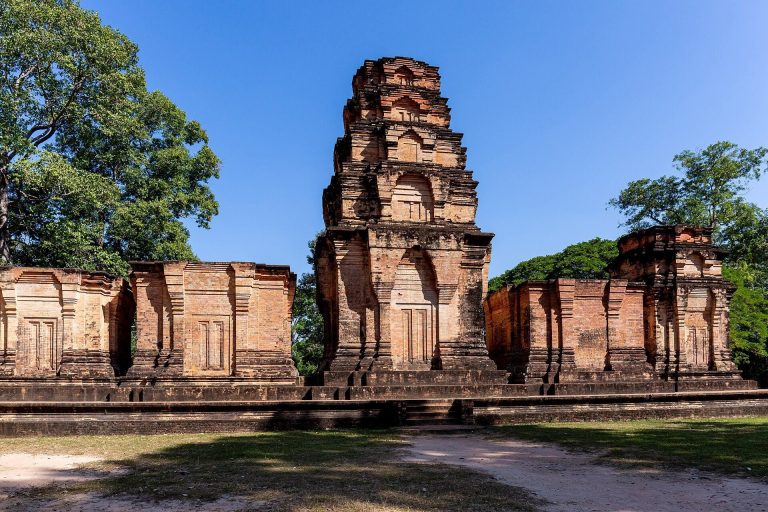
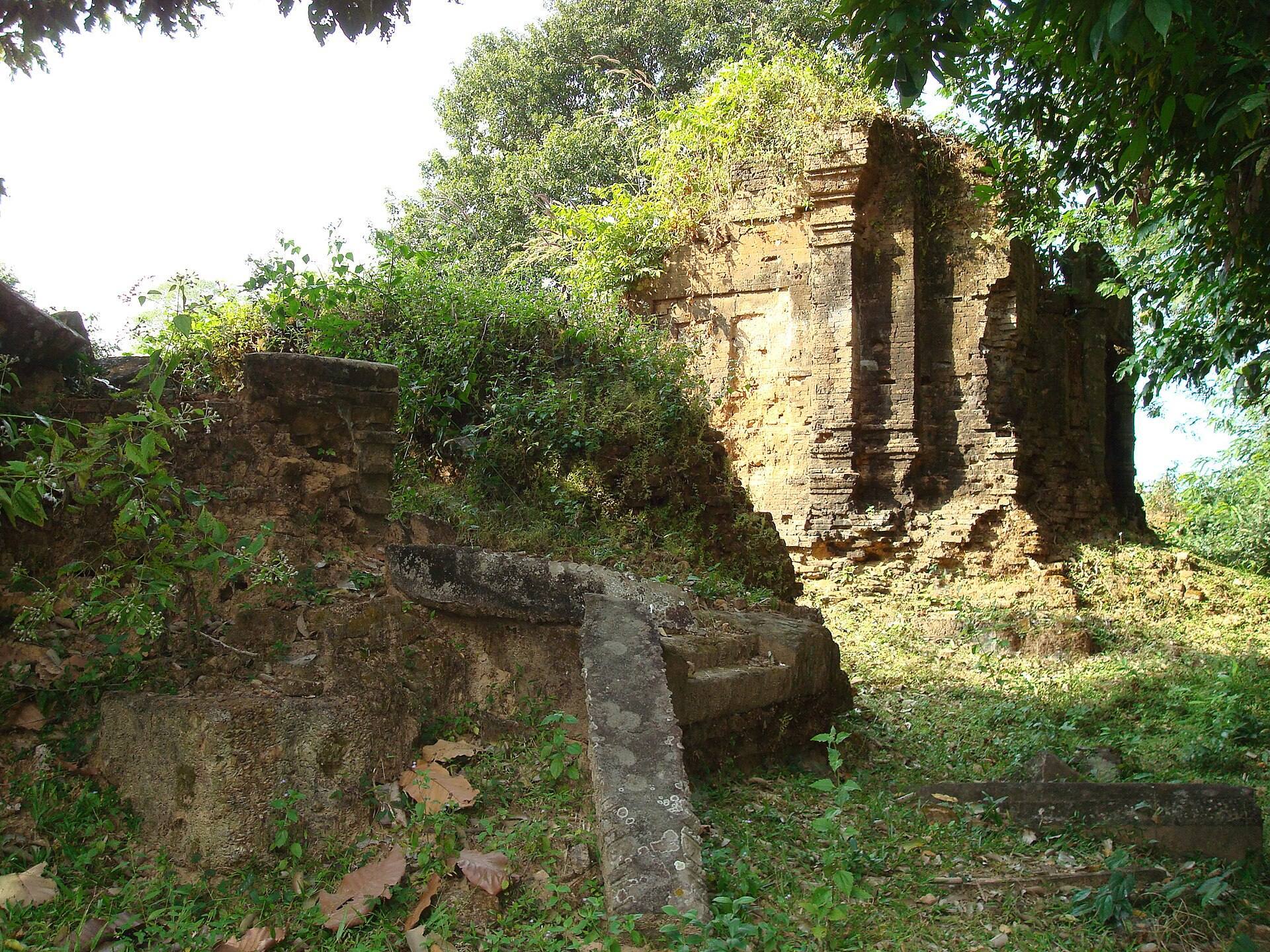
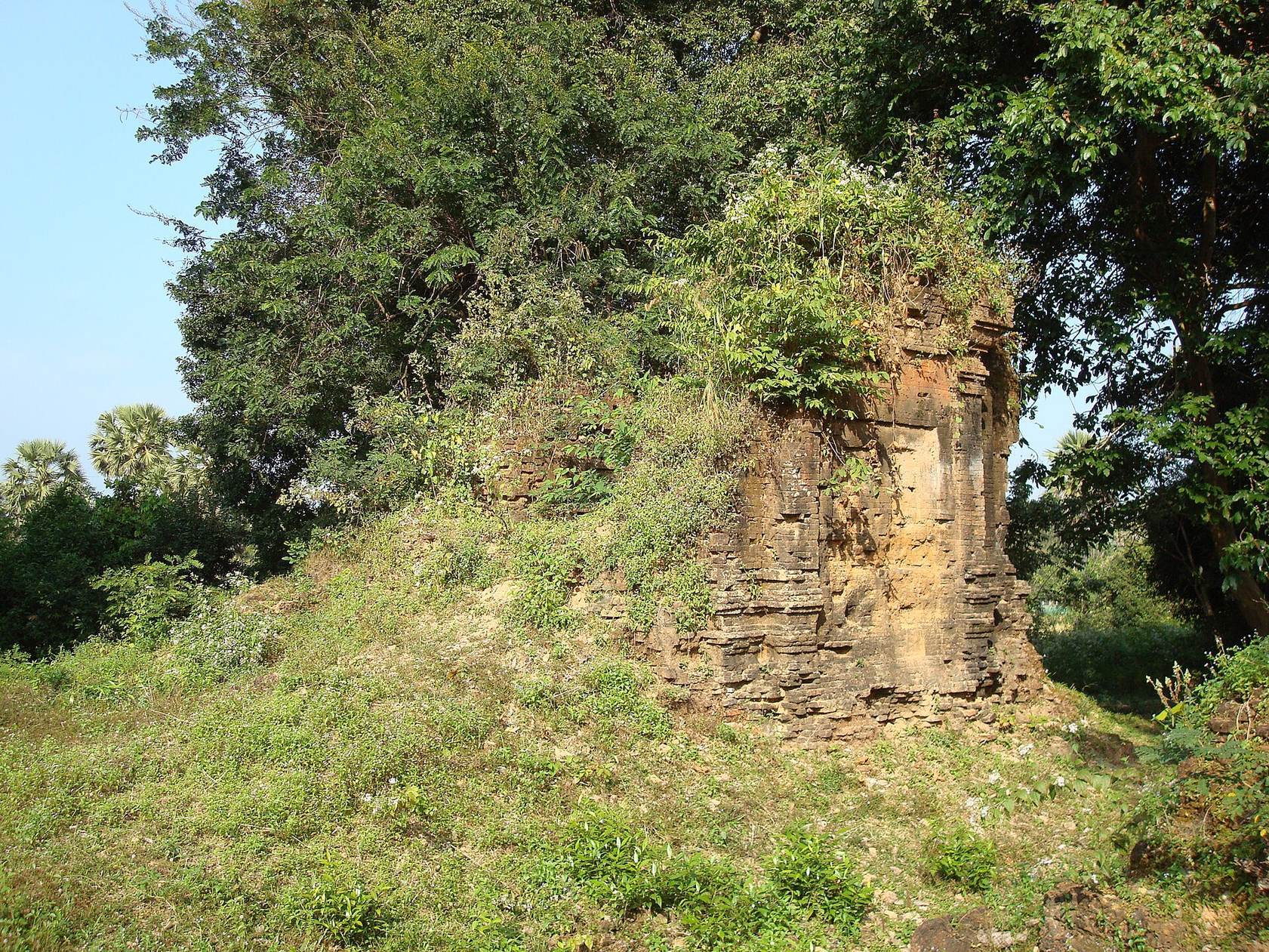
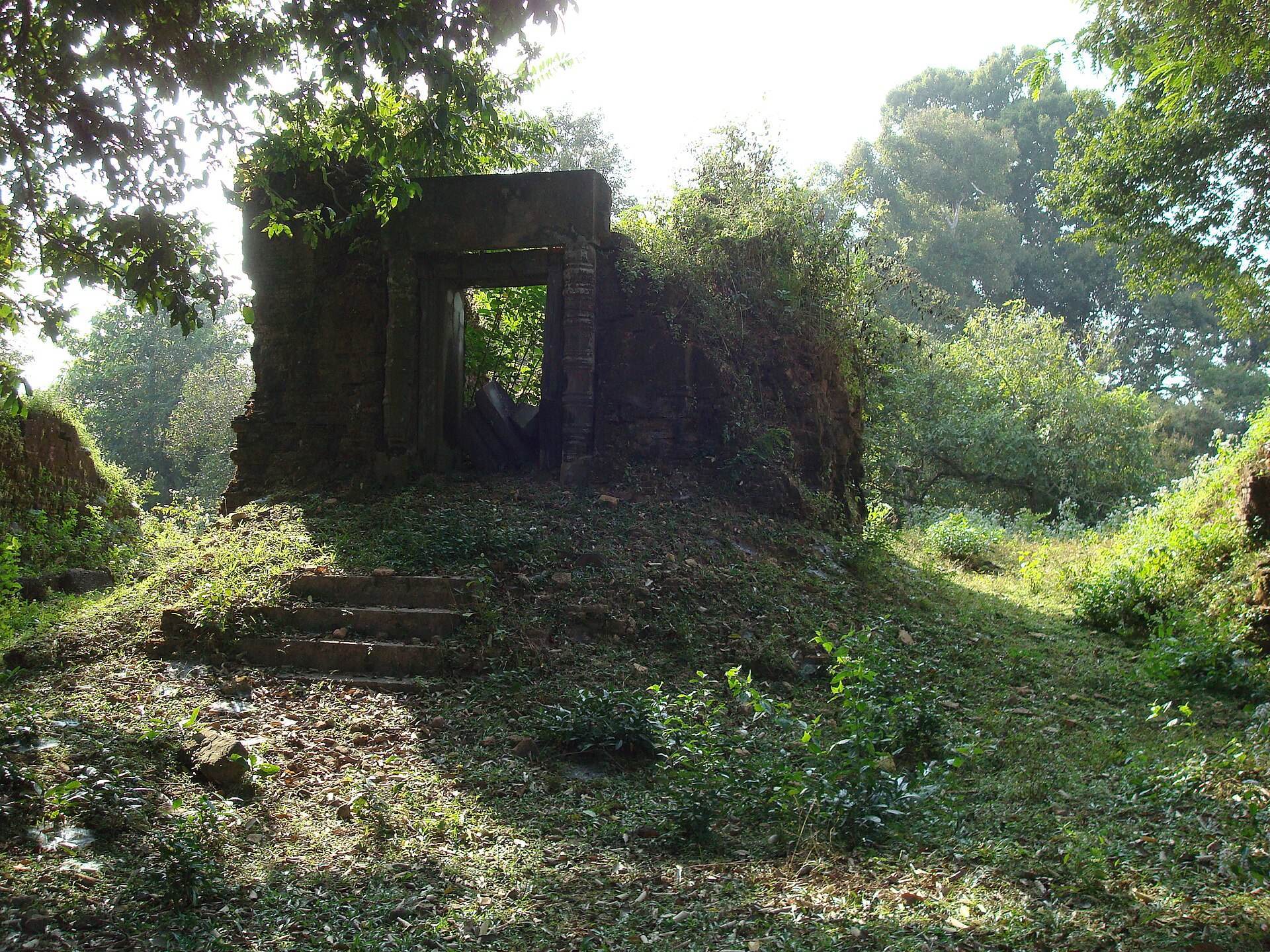
Kutisvara consists of three brick towers arranged in a north-south row on a low raised mound. All face east, and the temple stands among rice fields and trees on a small earthen elevation. It lies approximately 200 metres north of Banteay Kdei and east of Ta Prohm. A surrounding moat is considered probable. The central tower stands on a brick platform, while the two later towers rest on laterite foundations, made from a locally available reddish building stone.
The three towers
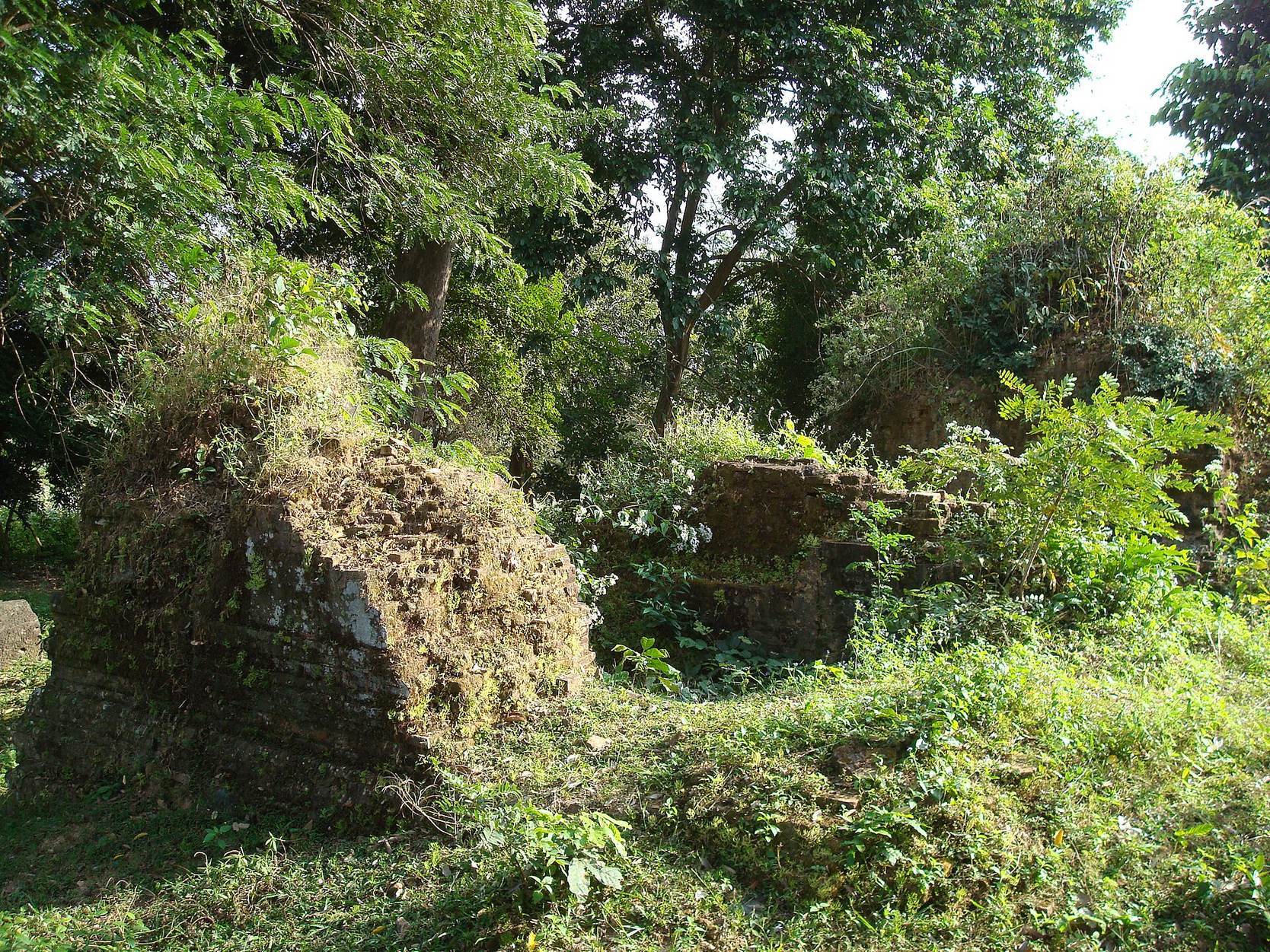
The central tower is the best-preserved part of the temple and retains some of its brick walling. Its projecting brick porches have collapsed, leaving the main structure substantially ruined. The two side towers survive mainly as heavily collapsed remains. Their east-facing doorways, like that of the central tower, contain sandstone elements. Together, the towers preserve the arrangement of a small three-tower temple, although most of the side-tower fabric has disappeared.
Carved lintels
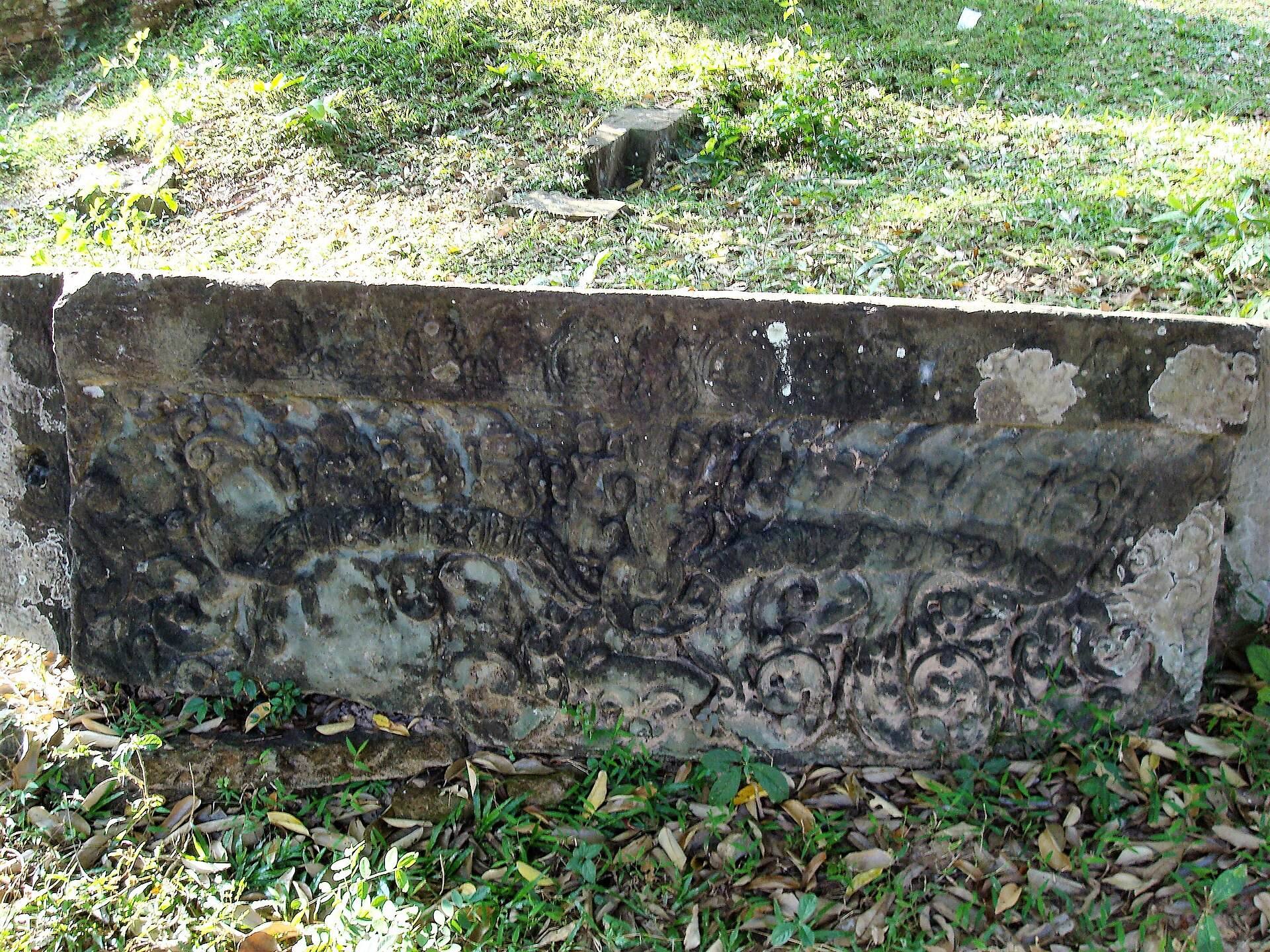
A lintel, the horizontal stone above a doorway, formerly stood in front of the southern tower. It shows the four-faced Brahma seated in meditation with worshippers. The lintel associated with the northern tower depicts the Churning of the Ocean of Milk, a Hindu myth in which gods and demons churn the cosmic ocean to obtain the nectar of immortality. The carving includes Vishnu, the tortoise Kurma, which is Vishnu’s tortoise incarnation, and Brahma.