Burg Ottenstein: A Medieval Hilltop Castle in Austria
Site at a Glance
- Rating
- 4.3
- Popularity
- Low
- Country
- Austria
- Primary era
- Early Modern
- External website
- Open
- Eras represented
- Medieval, Early Modern, Modern
- Civilizations
- Duchy of Austria, Habsburg, Holy Roman Empire
- Site type
- Military
- Remains
- Castle
On this page12 sections
History
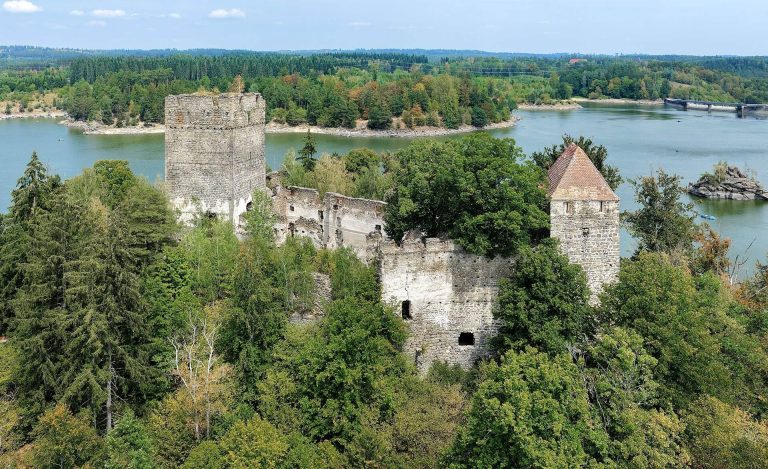
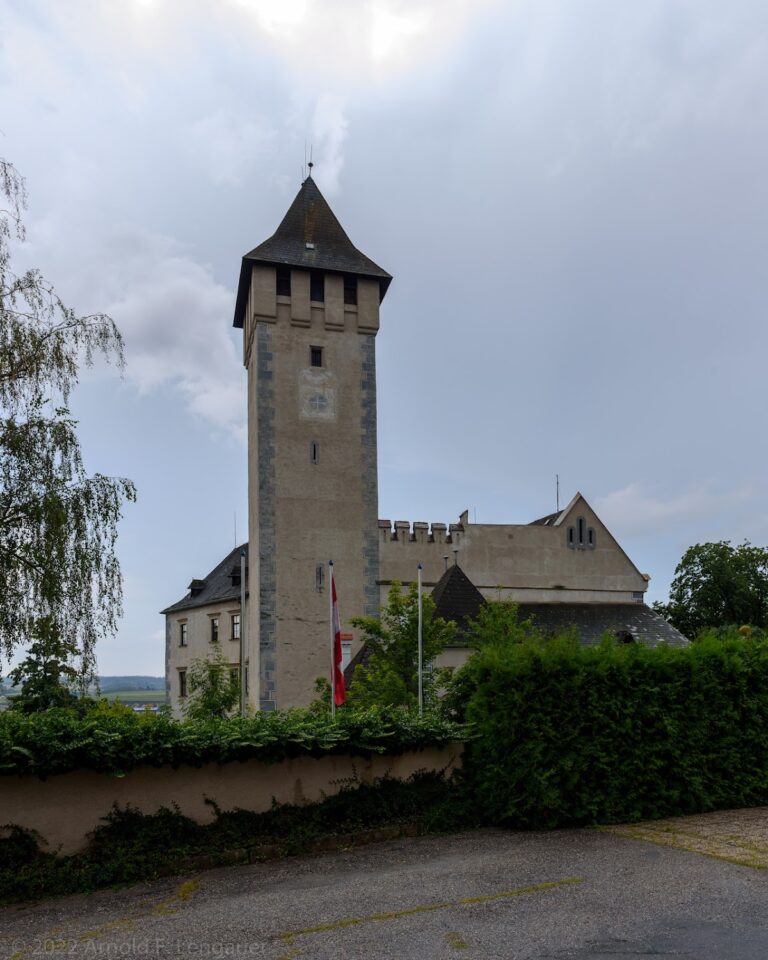
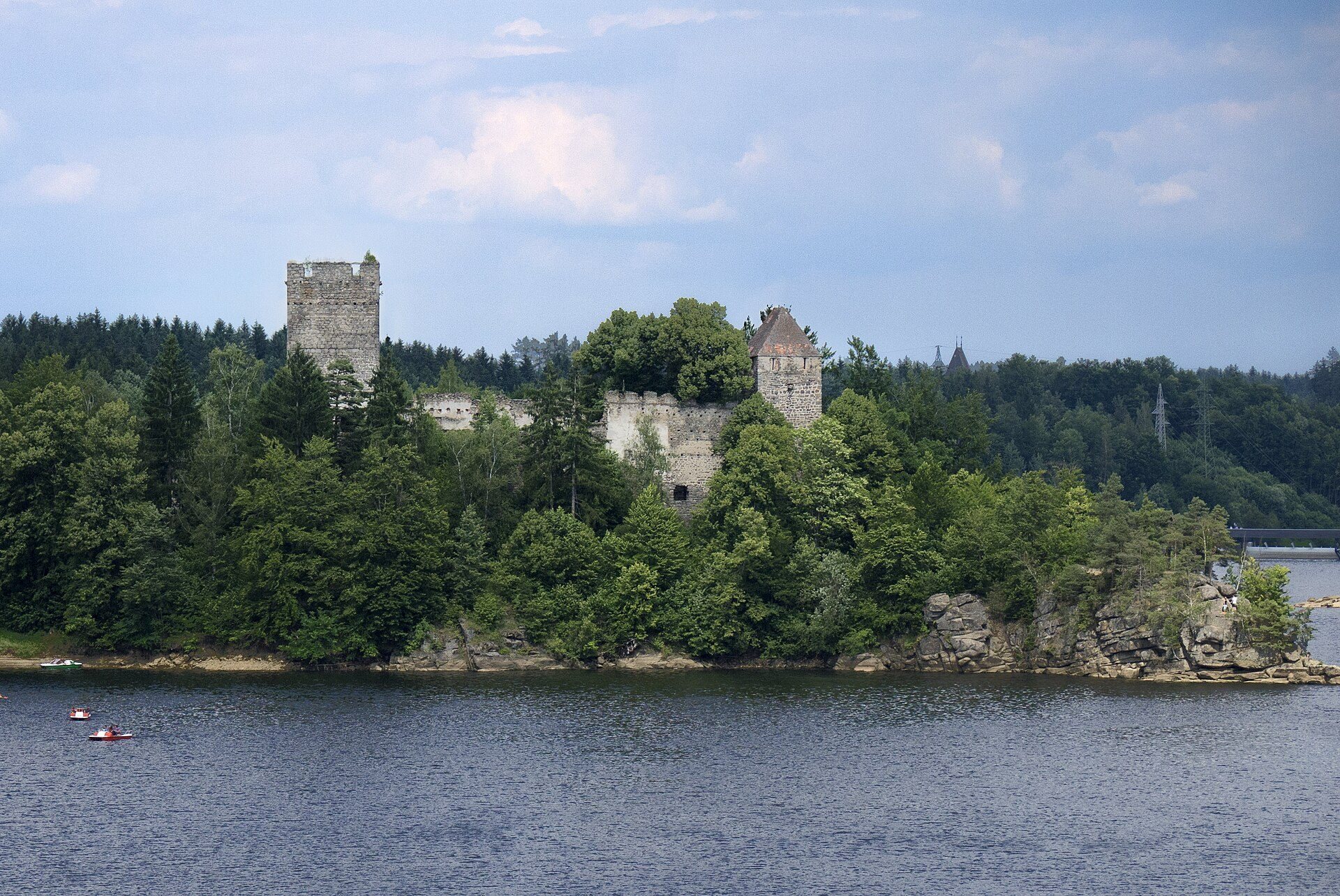
Burg Ottenstein, also known as Ottenstein Castle, is a medieval hilltop castle in Austria, near Rastenfeld in the Waldviertel region of Lower Austria. Probably built in the twelfth century as part of the border-defense system of the Kamp valley, it is first associated with Hugo de Ottenstaine in 1177, with another early mention dated to 1178.
The Ottensteiner and Rohr Families
The Ottensteiner family, related to the Lords of Rauheneck near Baden, held the castle until the first half of the fifteenth century. Tobias von Rohr then became its owner and was captured after the castle was besieged in 1448. The Lords von Rohr later served Matthias Corvinus, the fifteenth-century king of Hungary and Croatia whose power extended into parts of the Austrian lands.
Rebuilding and Lamberg Rule
Paul Stodoligk acquired Ottenstein in 1516. Under his son Eustach, the complex was extensively rebuilt, including the construction of the outer bailey, the fortified area beyond the castle’s main defensive enclosure. The Lamberg family acquired the castle in 1536, although another tradition places the purchase in 1521 and connects it with Melchior of Lamberg.
The Lambergs retained Ottenstein for more than four centuries. They became the Barons of Ortenegg and Ottenstein in 1544 and received comital, or countly, status in 1667. During the Thirty Years’ War, a major European conflict fought from 1618 to 1648 amid religious, dynastic, and territorial struggles, the castle resisted sieges in 1622 and 1640. A Swedish attack in 1645 was also repelled.
Palace Transformation
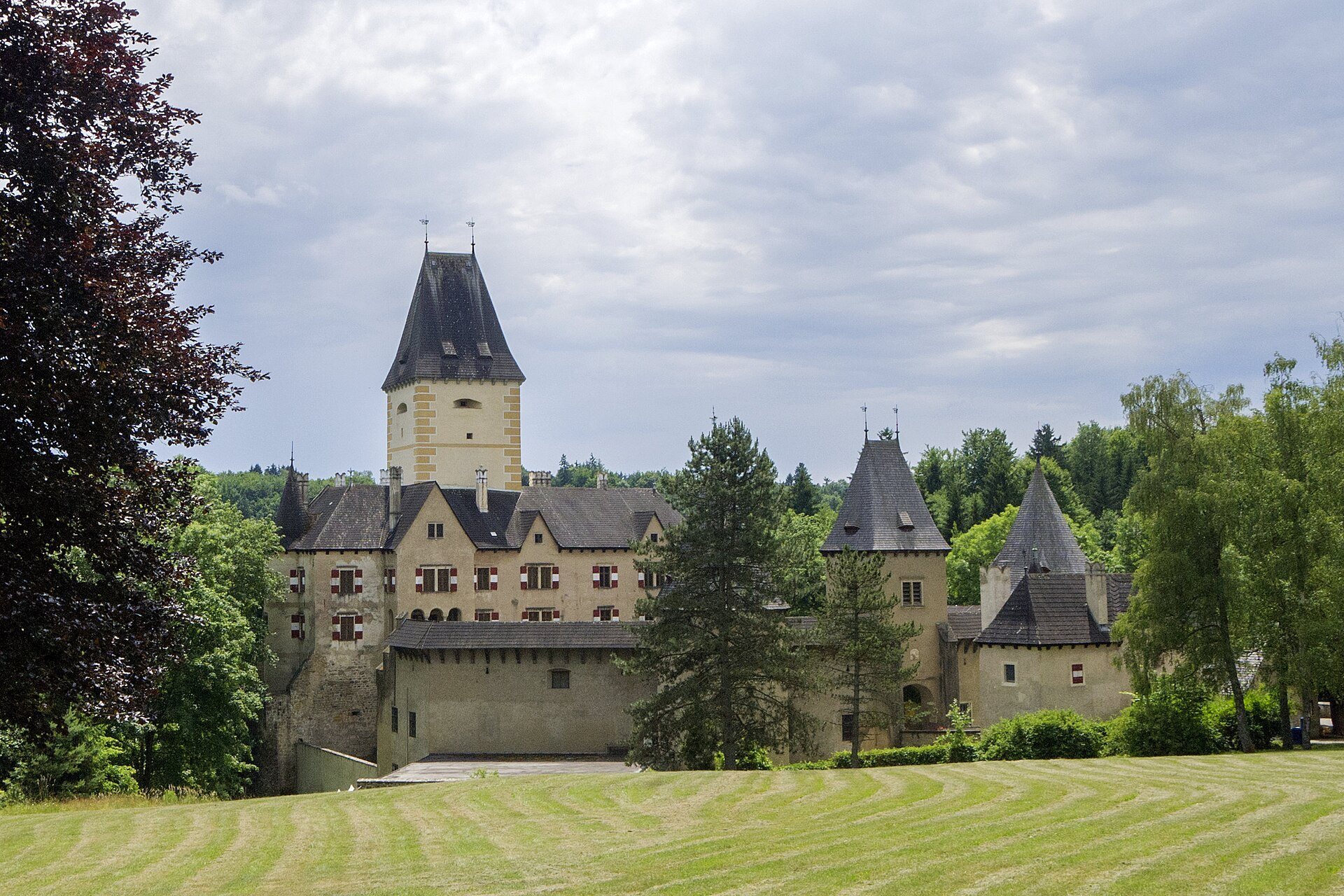
Extensive Baroque rebuilding began in 1679. During the seventeenth and eighteenth centuries, the main castle was transformed into a palace, a change still visible in the complex’s Baroque elements. The outer works were also developed further in the late seventeenth century.
The Lambergs assembled an art collection, and Franz Adam von Lamberg donated it in 1822 to the newly established gallery of the Academy of Fine Arts in Vienna. The family archive is held by the Lower Austrian State Archive.
Historicist Alterations and Modern Preservation
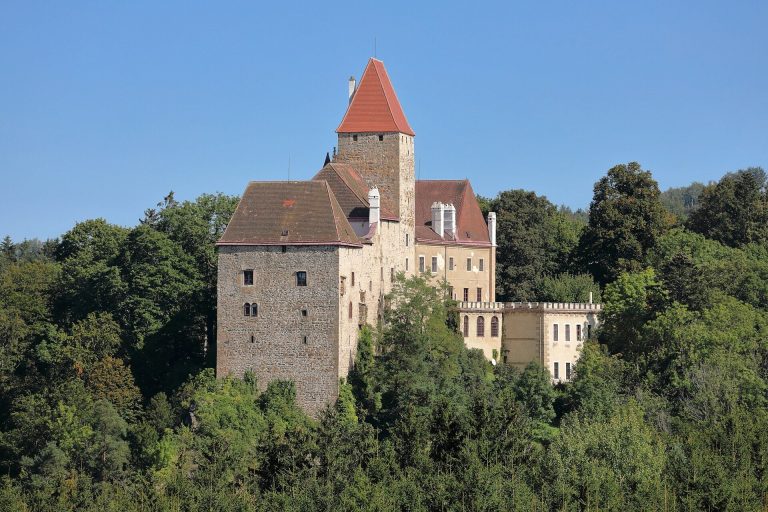
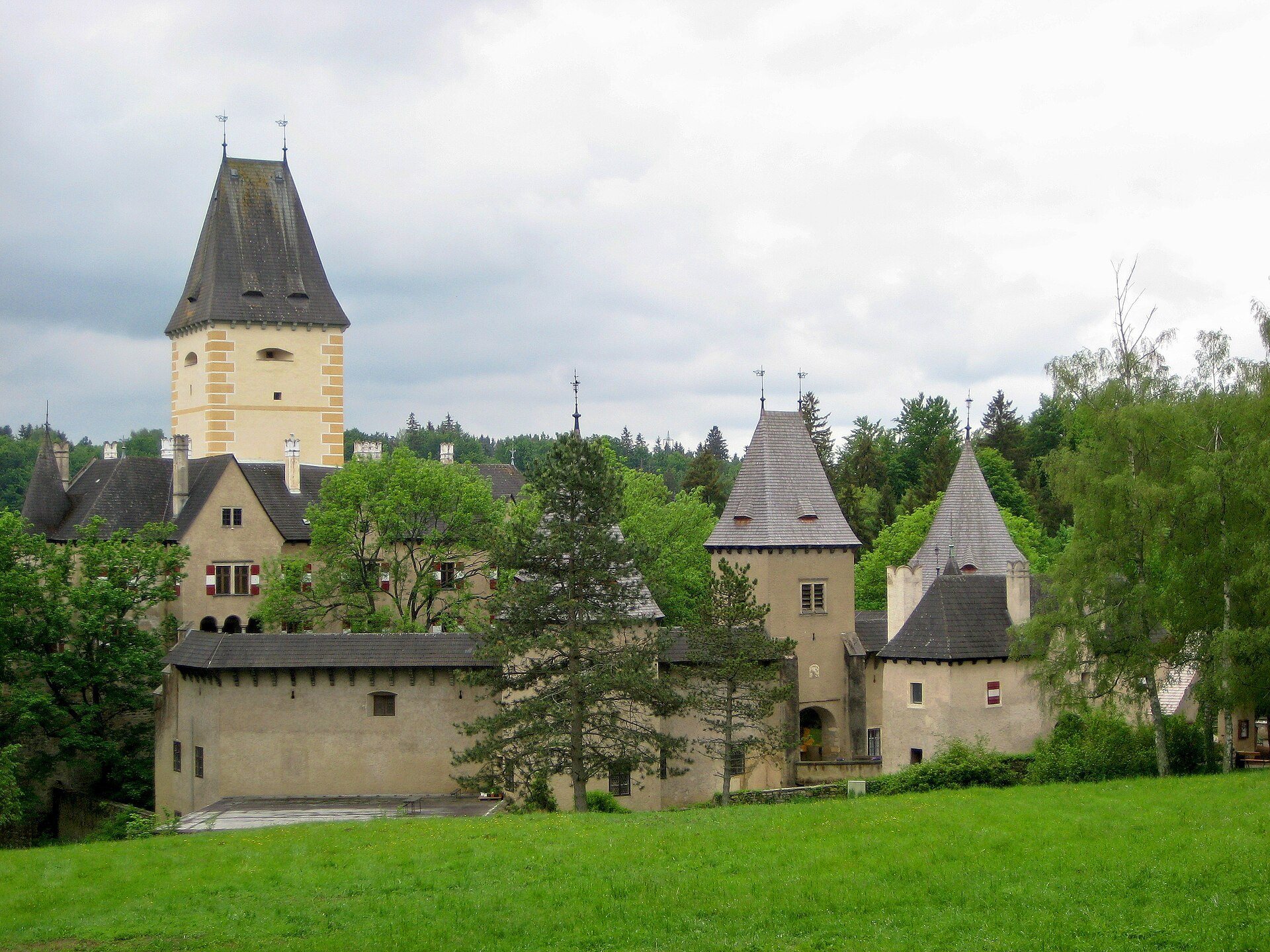
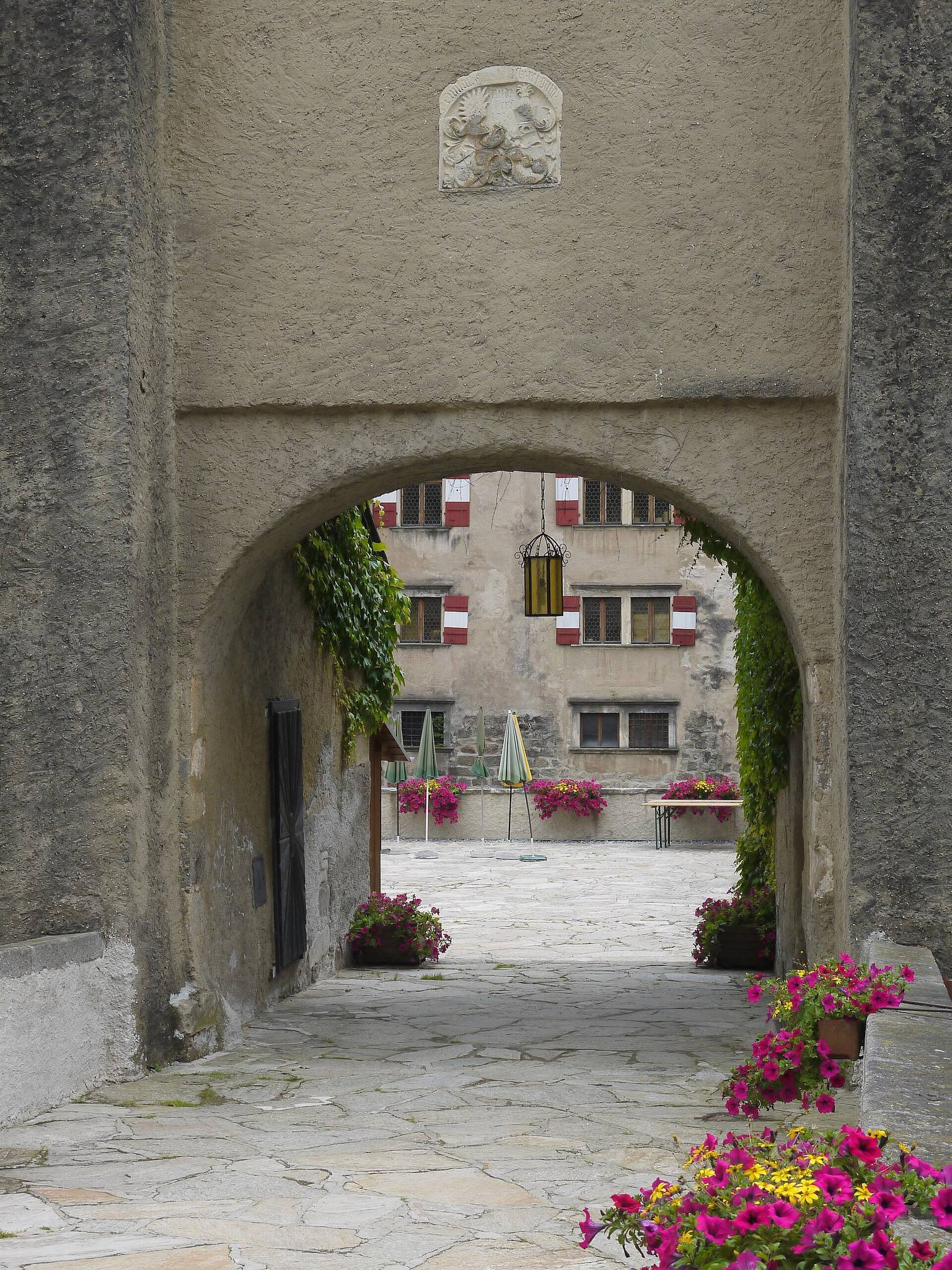
Between about 1867 and 1878, Ottenstein was remodelled in a Romantic historicist style. Earlier roof forms were replaced with conical and tent-shaped roofs, and red-white-red shutters were added.
Around 1940, the surrounding area was depopulated for the creation of the Döllersheim military training area, and the castle was sold to the German Reich. After the Second World War, it was placed under USIA, the Soviet administration for former German assets in Austria’s Soviet occupation zone, and used as accommodation for officers. The complex suffered substantial damage during this period. Renovation took place in the 1960s, and wall paintings in the older chapel were rediscovered during work in 1974 and 1975.
Since 1958, Burg Ottenstein has been leased by EVN, a Lower Austrian state-linked energy company, while ownership remains with the Windhag’sche Stipendienstiftung, a charitable foundation supporting scholarships. In 2001, the castle hosted the Lower Austrian regional exhibition Sein und Sinn, Burg und Mensch, meaning “Being and Meaning, Castle and Human Being,” in cooperation with nearby Waldreichs Castle.
Remains
Castle Setting and Outer Works
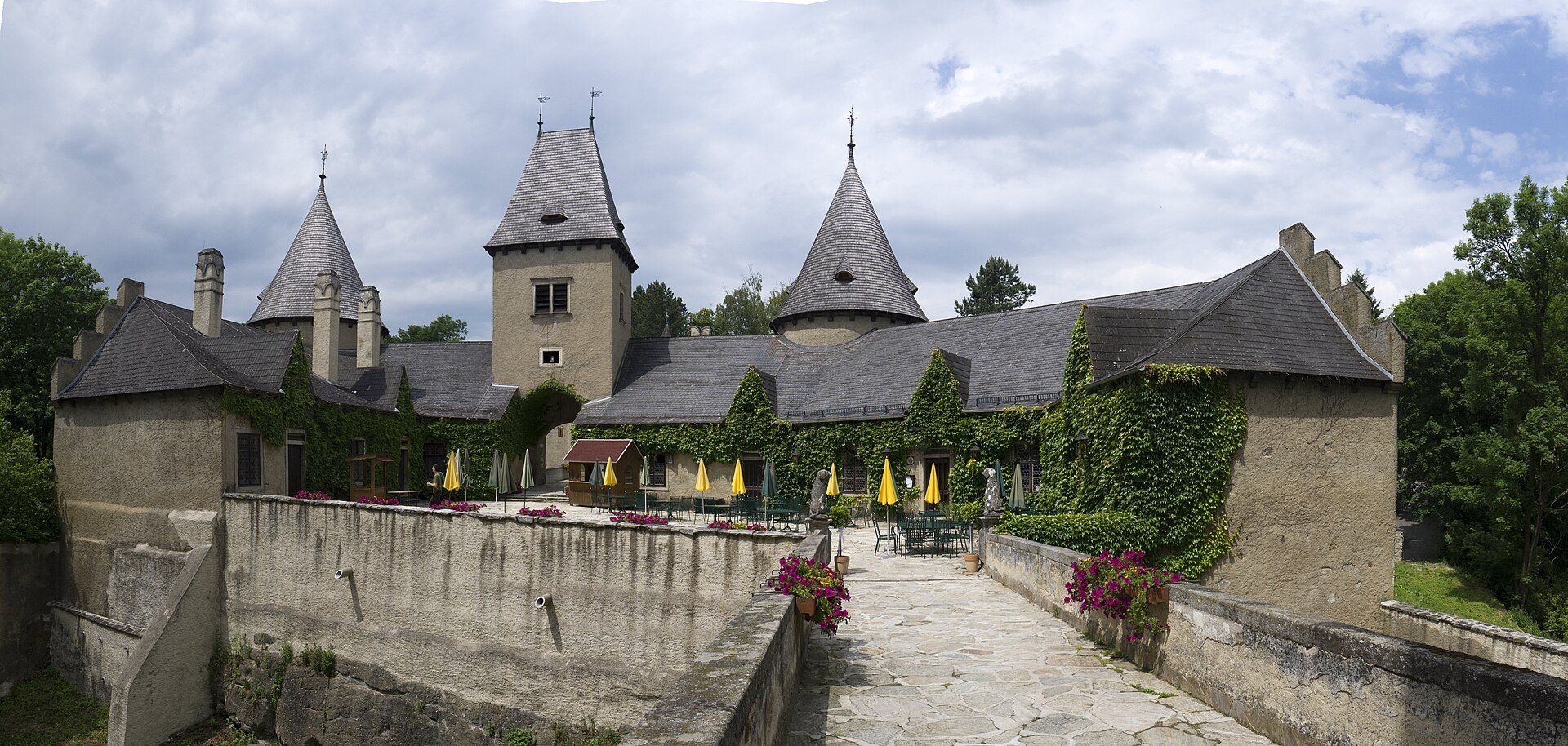
Burg Ottenstein survives on a rise above the Ottenstein reservoir at approximately 505 metres above sea level. The complex is organized into a main castle and an outer bailey. The outer bailey belongs to the rebuilding carried out under Eustach Stodoligk, while its surrounding works were expanded in the late seventeenth century.
Gateways and Bridge
The outer works contain gateways connected by a drawbridge. The bridge is now fixed rather than movable, and the outer bailey also contains a restaurant installed within the historic complex.
Main Castle and Chapels
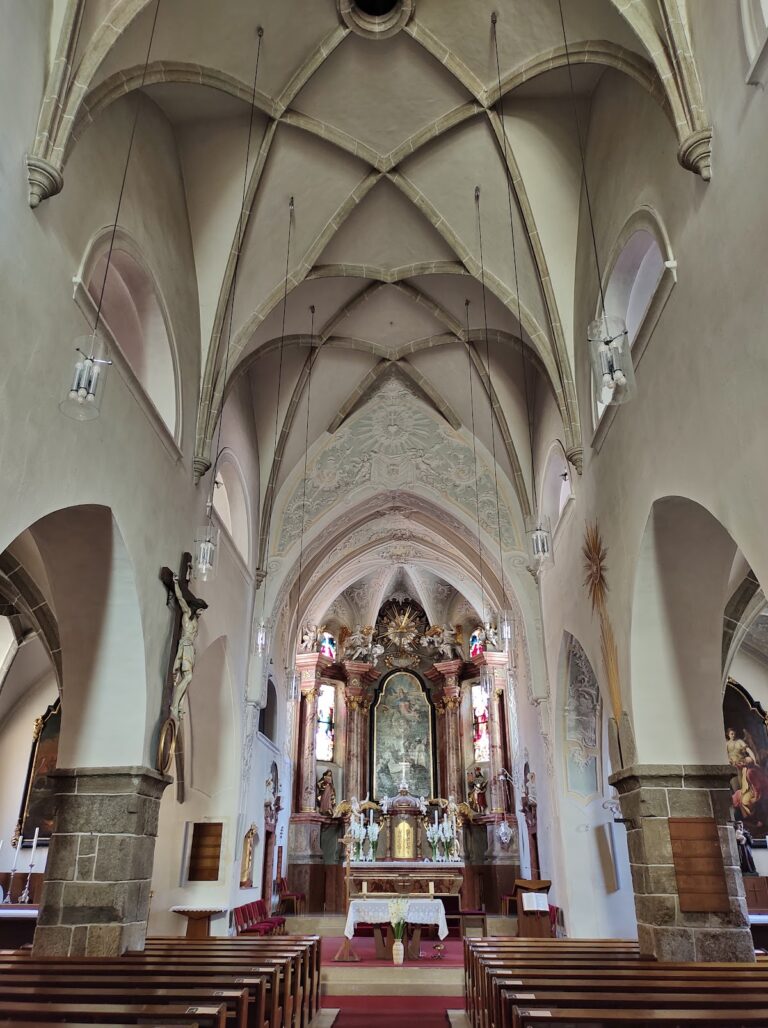
The main castle contains numerous Baroque features created during its conversion into a palace in the seventeenth and eighteenth centuries. Its surviving interiors combine the medieval fabric with later decorative and architectural changes.
Palace Chapel
The palace chapel is dedicated to Saint Florian, a Christian martyr traditionally associated with protection against fire and especially revered in Austria. Its elaborate early Baroque stucco decoration was created by Lorando Aliprandi, a Baroque stucco artist.
Older Castle Chapel
The older castle chapel is among the earliest parts of Burg Ottenstein. Its frescoes date from the second half of the twelfth century. Renovation work in 1974 and 1975 led to the chapel’s rediscovery, and the first fresco was uncovered in 1975.
Popes’ Room
The so-called Popes’ Room contains portraits of 241 popes, adding a distinct portrait collection to the palace interiors.