Burg Neulengbach: A Medieval Hill Castle and Renaissance Palace in Austria
Site at a Glance
- Rating
- 4.2
- Popularity
- Very Low
- Country
- Austria
- Primary era
- Early Modern
- External website
- Open
- Eras represented
- Medieval, Early Modern
- Civilizations
- Habsburg, Holy Roman Empire
- Site type
- Domestic
- Remains
- Castle
On this page7 sections
History
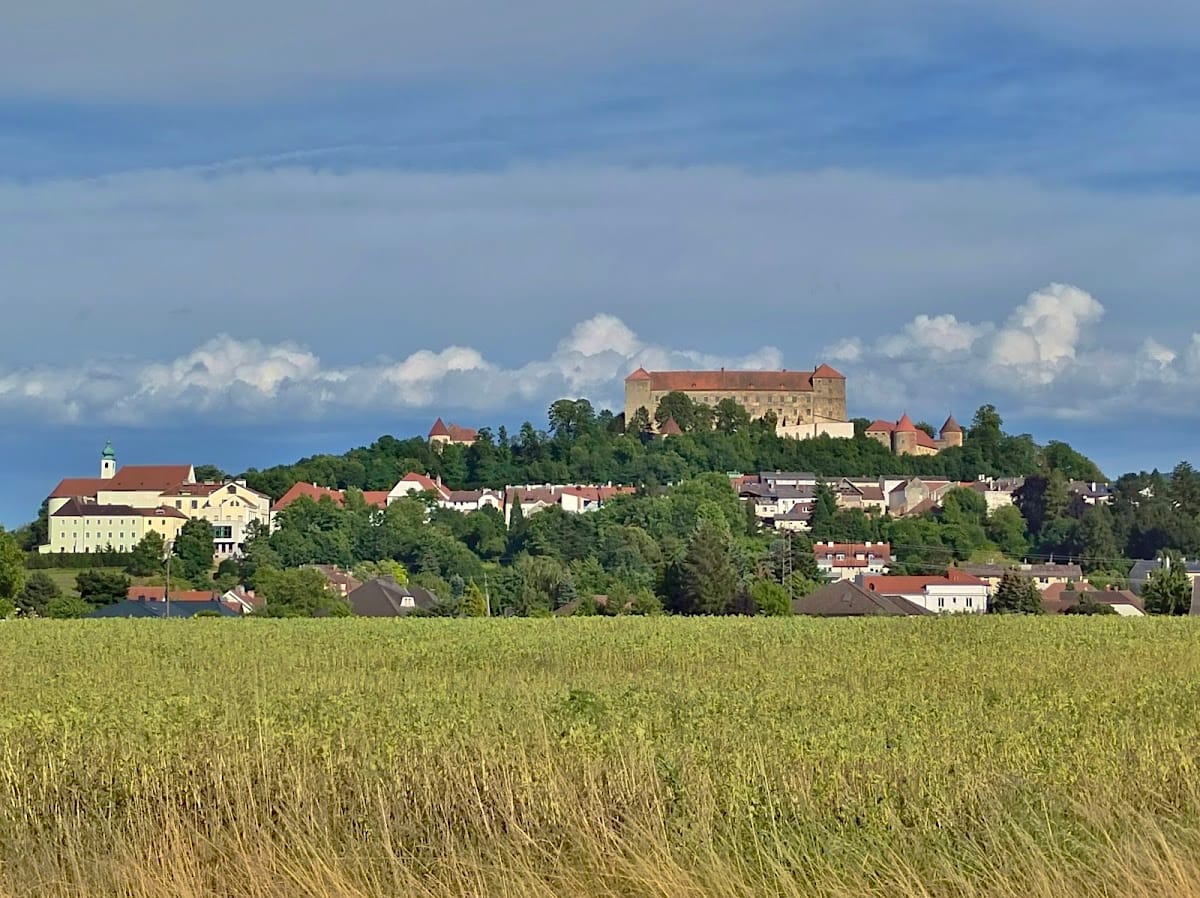
Burg Neulengbach is a hill castle in Austria, above the town of Neulengbach, founded around 1189 by the Lengenbach noble free lords. Built with the market of Neulengbach, it became the center of their local lordship.
Lengenbach and Babenberg Rule
When the Lengenbach line died out in 1236, ownership passed to the Babenbergs, the medieval dynasty that ruled the margraviate and later duchy of Austria before the Habsburg succession. During the late Middle Ages, the castle served as the seat of land-princely officials, administrators who governed territories or estates for a territorial ruler. It was also frequently pledged as security.
The Khuen Transformation
In 1565, Rudolf Khuen von Belasy received the lordship of Neulengbach. Under the Khuen barons, the medieval castle was expanded and converted into a late-Renaissance palace during the last third of the sixteenth century and the first half of the seventeenth century. The Renaissance was a European artistic and architectural period that revived classical forms.
Ownership later passed through several noble families. The Pálffy counts held the property from 1646, followed by the Bartholotti von Partenfeld family from 1696, the Lubomirski princes from 1740, Karl Abraham Wetzlar von Plankenstern from 1778, the Fries counts from 1798, and the Liechtenstein princes from 1828.
Fire, Institutional Use, and Family Ownership
A major fire in January 1912 destroyed the palace’s entire interior furnishings. The City of Vienna acquired the property in 1920 and used it as a children’s home. Ownership passed to the Neulengbach Palace Association in 1952 and to Martin Wakonig, a merchant from Graz, in 1962.
At the beginning of 2023, Wakonig’s son Bruno and Bruno’s wife, Margherita, transferred the complex to their descendants Katharina, Benedikt, and Theresa.
Remains
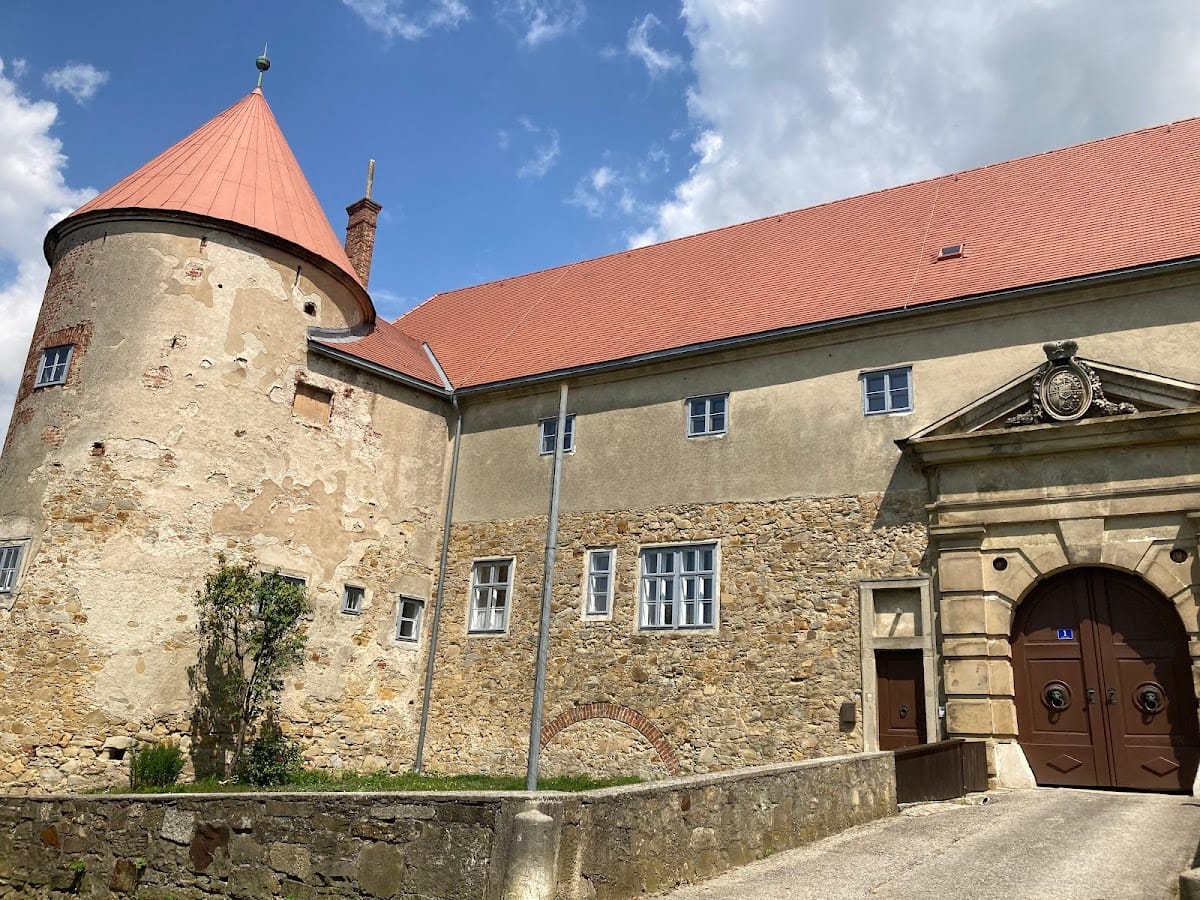
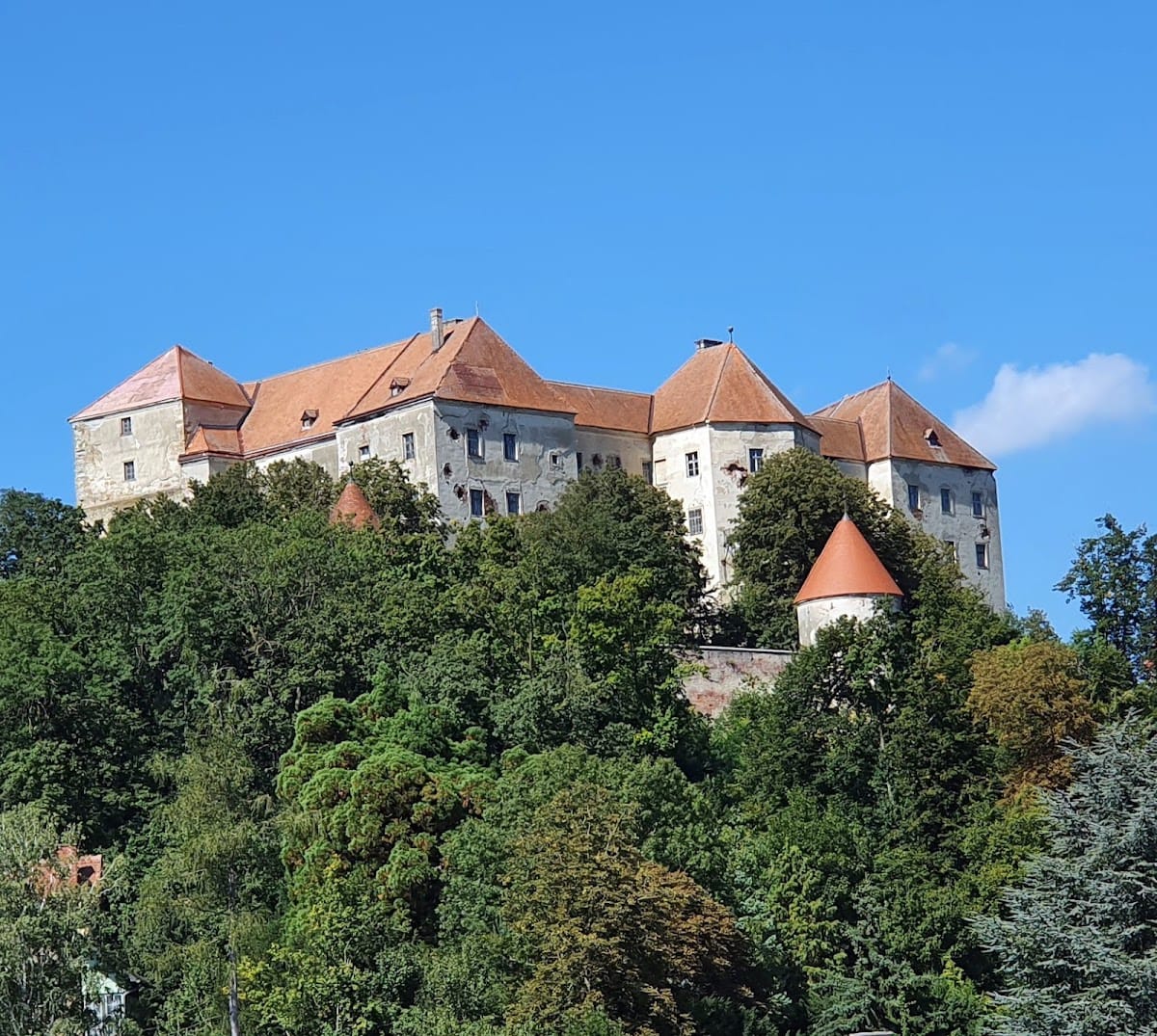
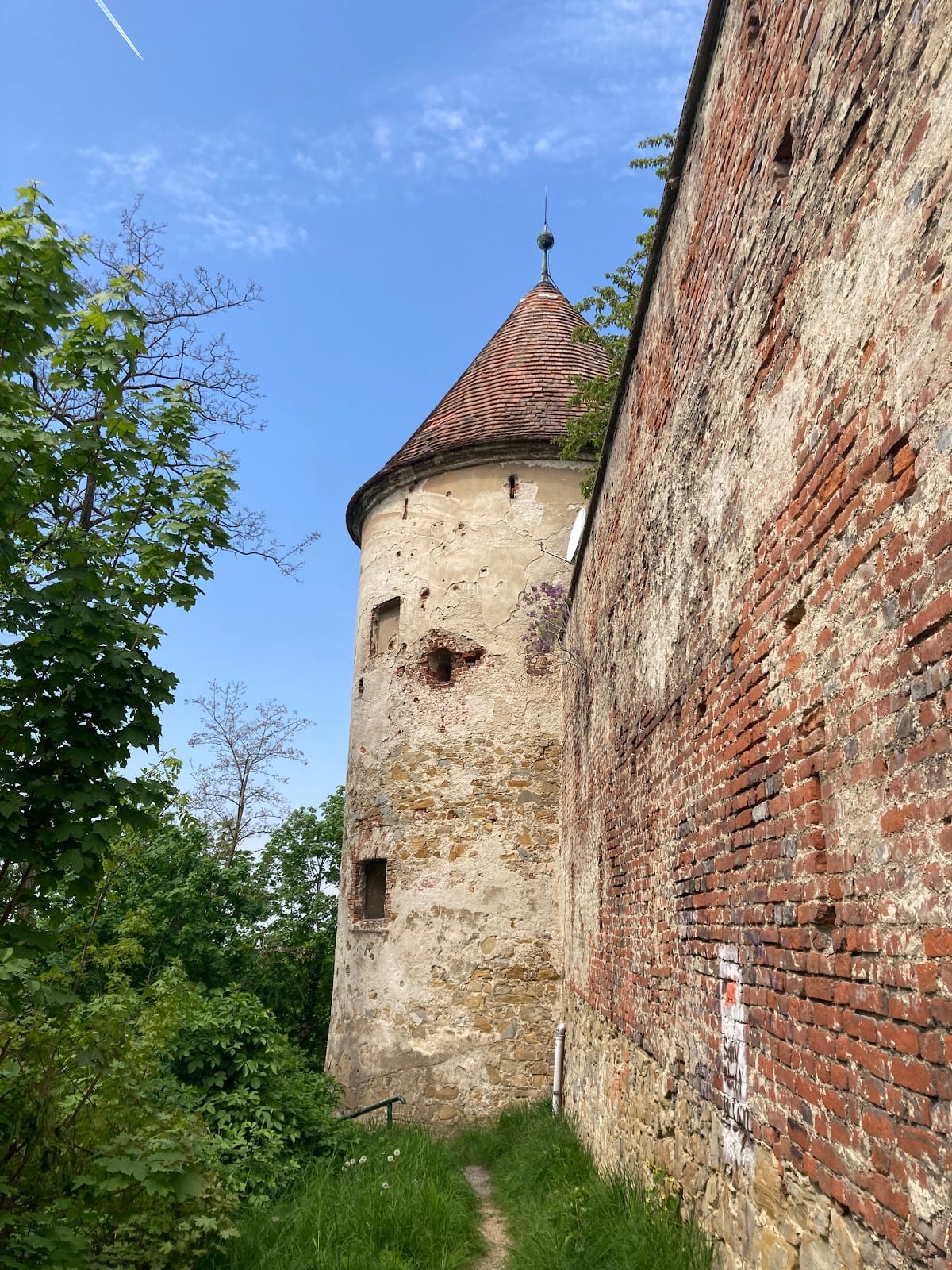
Burg Neulengbach survives as a well-preserved, three-storey polygonal complex on an isolated, approximately 80-metre-high conical hill above Neulengbach. Although it originated as a medieval hill castle, its present character also reflects the sixteenth- and seventeenth-century conversion into a palace. Two defensive rings, each a surrounding line of fortification, enclose the complex, which is reinforced by eight round towers.
Fortifications and Renaissance Entrance
A projecting forebuilding contains a richly decorated Renaissance portal. The entrance forms part of the later palace architecture while remaining integrated into the fortified arrangement of the castle. Artillery impact holes from the Second World War remain visible on the southeast side of the complex.
Courtyard Features
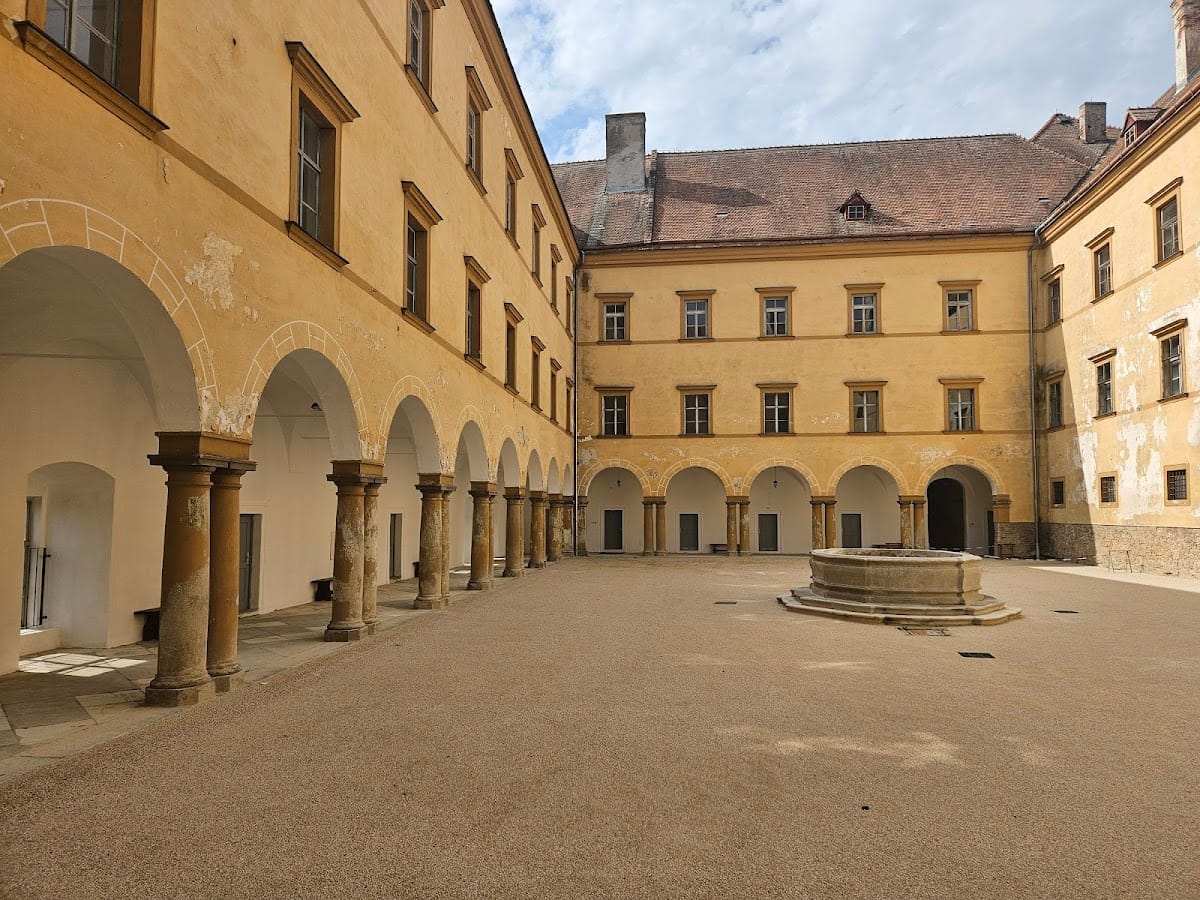
Inside, the courtyard includes Tuscan double columns and a stone basin at a well. Tuscan columns are relatively plain classical columns associated with Renaissance architecture. Together with the polygonal plan, towers, defensive rings, and entrance structure, these features preserve the relationship between the earlier fortified castle and its later palace form.
Nearby sites