Tel Mor: An Ancient Port Settlement of Ashdod
Site at a Glance
- Rating
- 4.3
- Popularity
- Low
- Country
- Israel
- Primary era
- Classical
- Eras represented
- Bronze Age, Iron Age, Classical
- Civilizations
- Canaanite
- Site type
- City
On this page12 sections
History
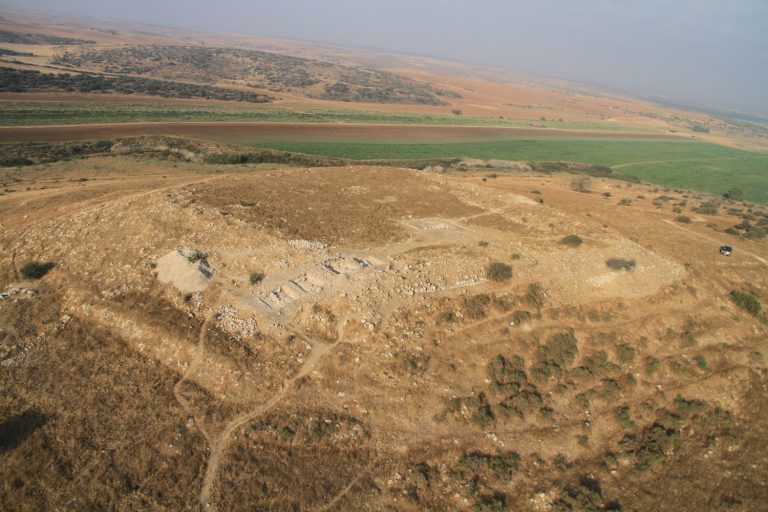
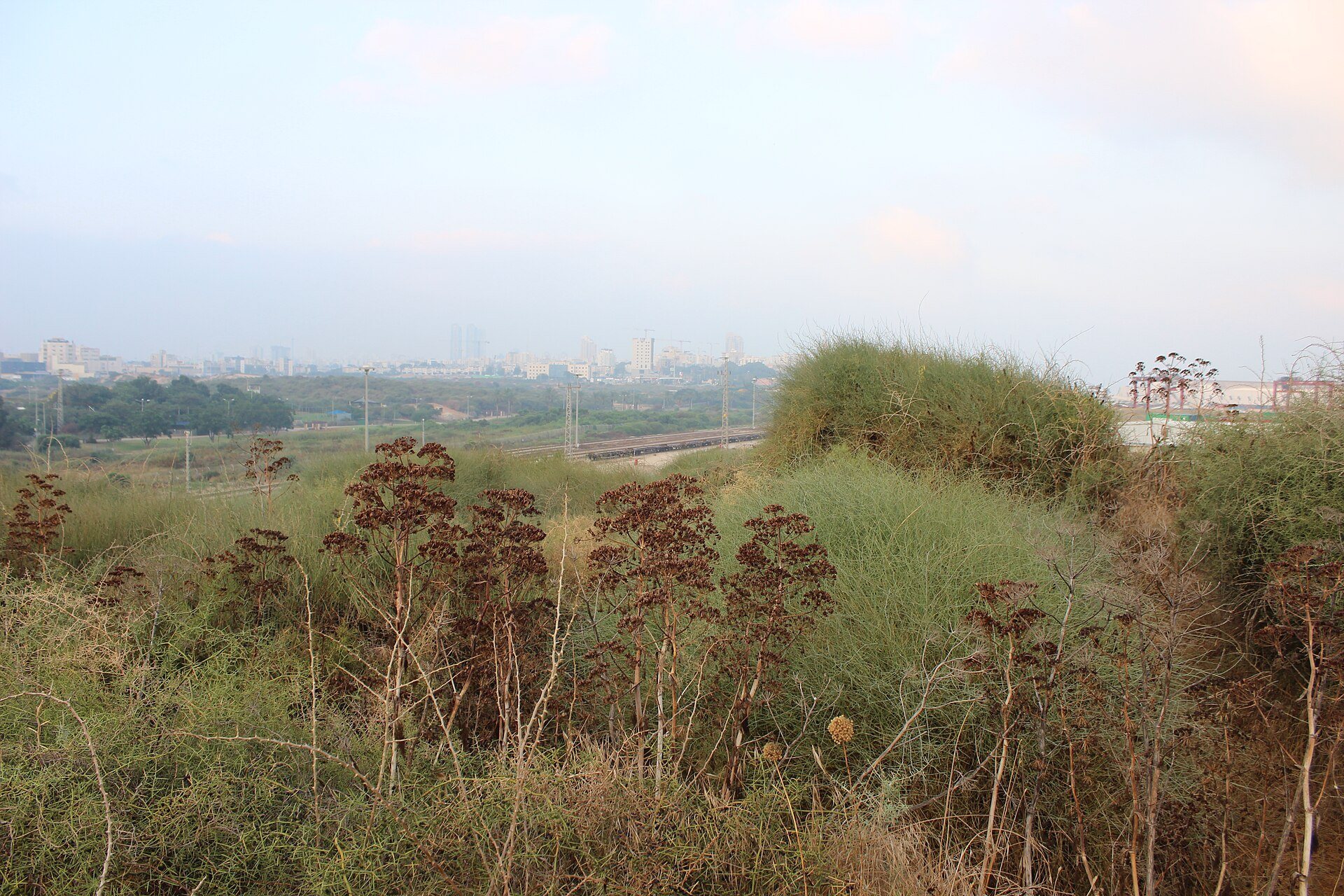
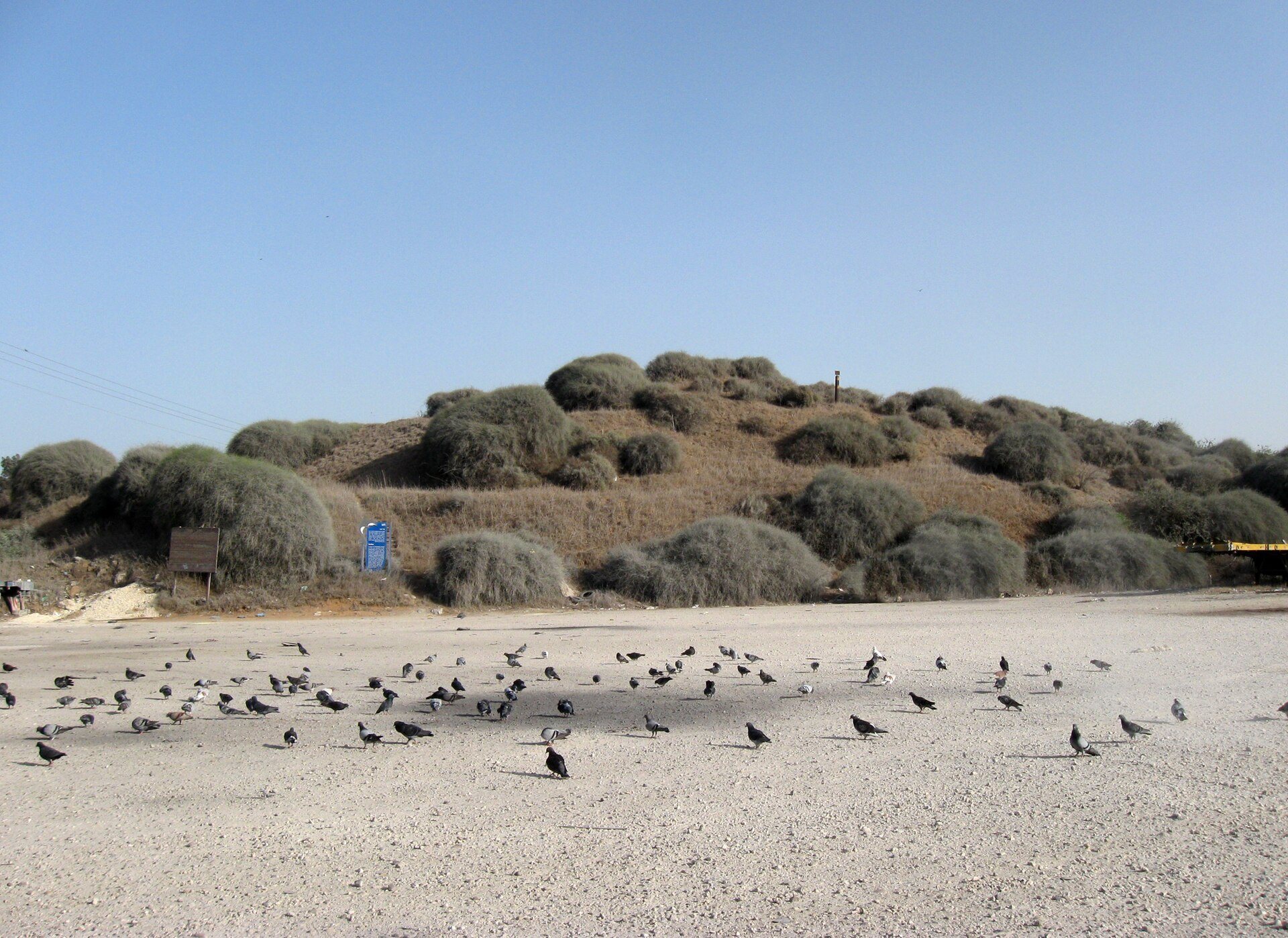
Tel Mor is an ancient archaeological tell in Ashdod, Israel, whose earliest settlement was established by Canaanite communities between the fifteenth and sixteenth centuries BC. A tell is an artificial mound formed by settlements built and rebuilt in the same place. Tel Mor stood on the northern bank of Nahal Lachish, a stream flowing toward the Mediterranean coast, about 1 kilometre from its mouth and along the ancient Via Maris, the coastal route connecting Egypt with the Levant and regions farther north. At its height, the site served as the port city of ancient Ashdod.
Canaanite port and fortress
The Canaanite settlement developed as an urban port at the mouth of Nahal Lachish. Its inhabitants maintained extensive commercial connections with Egypt and Cyprus, and later with Phoenicia. The settlement also included a cultic installation, indicating that religious activity formed part of the community’s life.
In the thirteenth century BC, the settlement was destroyed. At that time, Tel Mor included a square fortress with a thick defensive wall that controlled the surrounding area. The fortress reflects the site’s military importance as well as its position beside the waterway and the coastal route.
Philistine and Judean-period occupation
After the Philistines entered the southern coastal plain in the twelfth century BC, Tel Mor became an unwalled agricultural settlement, probably with a small port. Ashdod was one of the principal Philistine city-states, and Tel Mor lay under its protection. The settlement therefore probably functioned as Ashdod’s port during this phase.
Tel Mor was destroyed together with Ashdod in the tenth century BC. This destruction may have resulted from an invasion by Siamun, a pharaoh of Egypt’s Twenty-first Dynasty, or from one of the wars traditionally associated with David, an early Israelite king, against the Philistines.
Settlement resumed in the eighth century BC, when a new fortress was constructed. Its foundation may have belonged to the period of regional conquests under Uzziah, king of Judah. The fortress was destroyed late in the eighth century BC during the Levantine campaigns of Sargon II, the Assyrian king known for military expansion. Tel Mor was then abandoned.
Later settlement and archaeological investigation
Occupation resumed during the Hellenistic period, the era of Greek political and cultural influence in the eastern Mediterranean after the conquests of Alexander the Great. The site was destroyed again at the beginning of the Hasmonean period, when the Jewish dynasty that emerged from the Maccabean revolt came to power. Tel Mor later continued as a small agricultural settlement during the Roman period.
During the Byzantine period, the later eastern Roman imperial era, Ashdod Yam became more important and replaced Tel Mor as Ashdod’s port. The site is currently abandoned.
Tel Mor was excavated in 1959 and 1960 during the construction of Ashdod Port. A team from the Antiquities Division, led by Moshe Dothan, carried out the work, with Emmanuel Dunayevsky also participating as an archaeologist. The excavations exposed twelve archaeological layers extending to a depth of 7 metres. Finds from the excavation were displayed in the Antiquities Division’s museum at the end of 1960.
Remains
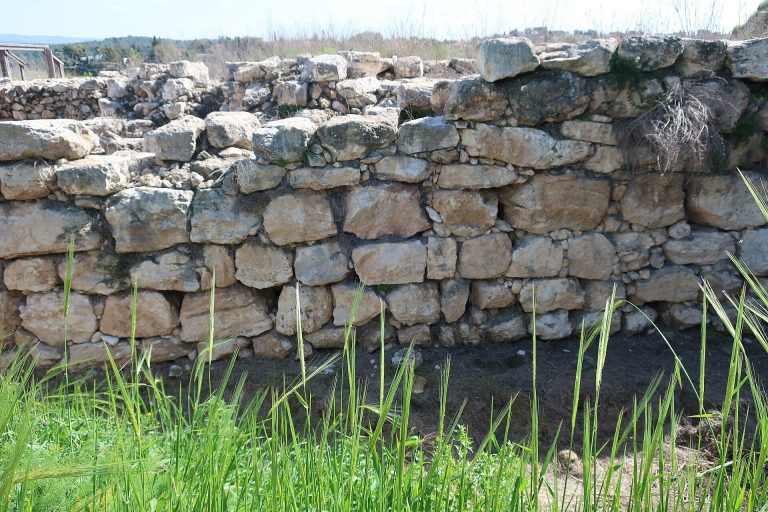
Tel Mor covers about 6 dunams and rises to approximately 25 metres above sea level. Its accumulated remains represent Canaanite, Philistine, Hellenistic, and Roman occupations. Excavation identified twelve archaeological layers, with the deepest, Layer 12, dating to the end of the Late Bronze Age and the latest layer belonging to the Hellenistic period. The eight upper layers were excavated almost completely in Area A, which covered about 100 square metres, while the four lower layers were only partly investigated in Area B.
Fortifications and settlement installations
Canaanite fortress and port
The Canaanite settlement occupied the mouth of Nahal Lachish as an urban port. Its thirteenth-century-BC fortress had a square plan and thick defensive walls. The settlement also contained a cultic installation, linking the port community’s urban and religious functions. The location beside the waterway placed the fortress and port within the wider network of the Via Maris.
Eighth-century-BC fortress
A later fortress was built at Tel Mor in the eighth century BC, when settlement resumed after the earlier destruction. This installation belonged to a renewed fortified phase and was destroyed late in the same century during the conquests of Sargon II. The destruction was followed by the abandonment of the tell.
Summit well and passage
A well at the summit of the tell is 22 metres deep and approximately 1.5 metres in diameter. At about half its depth, a passage cut horizontally into the well extends westward. The passage appears to have served as an escape route for the inhabitants, adding a defensive function to the water installation.
Hellenistic and Roman remains
Public building and dye-production installation
The Hellenistic remains include a large public building and an installation for producing purple dye from sea snails. This dye was a valuable ancient product used for richly coloured textiles. These features belong to the period when settlement returned to Tel Mor after its earlier abandonment.
Later agricultural occupation
Roman-period material forms part of the site’s later archaeological remains and reflects Tel Mor’s continued use as a small agricultural settlement. The occupation followed the Hellenistic destruction and continued after the site’s earlier role as Ashdod’s port had diminished.