Chachabamba: An Inca Ceremonial Centre in Peru
Site at a Glance
- Rating
- 4.7
- Popularity
- Low
- Country
- Peru
- Primary era
- Medieval
- Eras represented
- Medieval
- Civilizations
- Inca
- Site type
- Religious
- Remains
- Sanctuary
On this page8 sections
History
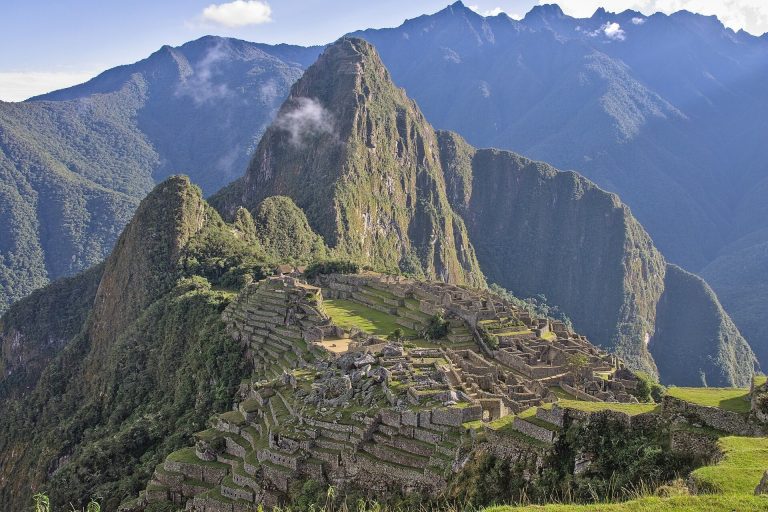
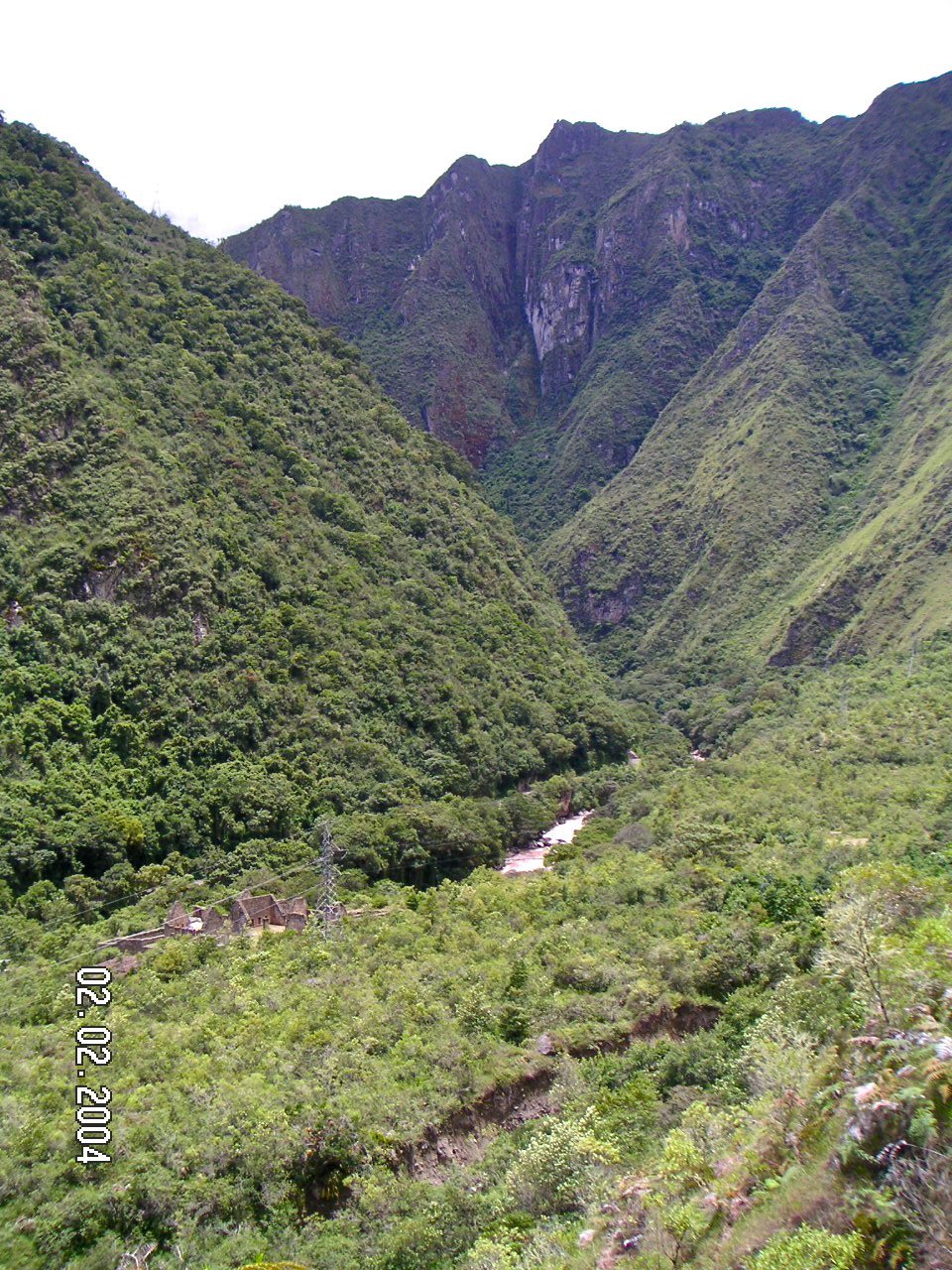
Chachabamba is an Inca archaeological settlement and ceremonial centre in Aguas Calientes, Peru, within the Historic Sanctuary of Machu Picchu. Built in the Imperial Inca period, it stood at about 2,170 metres above sea level in Antisuyo, one of the four major regions of the Inca Empire. Its position on a hill beside the Inca Road gave it an important role in watching and controlling access to Machu Picchu, both as a settlement and as a sacred pilgrimage sanctuary.
A Sacred and Strategic Waypoint
Chachabamba formed part of a landscape understood through sacred geography. Its religious meaning was connected with the surrounding mountains, including the snowcapped Salcantay, regarded in Andean tradition as an apu, or sacred mountain and mountain spirit. The site was associated with the unity of three cosmic realms: the underworld, represented by the serpent; the earthly world, represented by the puma; and the celestial world, represented by the condor.
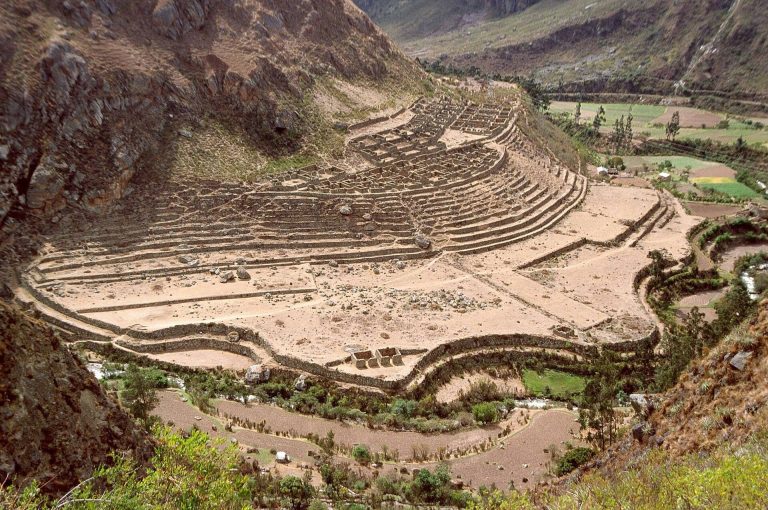
The settlement also served as a ceremonial centre devoted to the veneration of water. Pilgrims used its baths for ritual purification before continuing toward Machu Picchu. The channels and water features expressed the Incas’ ceremonial control of water, linking the practical management of the resource with religious practice. Chachabamba lies on Route 05 of the Inca Road network, whose course through the wider Machu Picchu landscape continued toward Wiñay Wayna, Intipata, and Intipunku, the Sun Gate, before reaching the citadel.
Research and Interpretation
Archaeologist Paul Fejos directed the first research, topographic surveys, and scientific documentation at Chachabamba between 1940 and 1941. His work concentrated on the baths and water channels, which he interpreted as elements of a ceremonial centre. In 2021, computer simulations using drone-acquired LIDAR, a laser-based method for measuring terrain and structures, identified fourteen baths arranged around two courtyards. These installations were interpreted as exclusively religious features organized around a ritual altar.
The name Chachabamba comes from Quechua terms referring to mosquito bites or welts and to a valley or place. Its approximate meaning is therefore “valley of mosquito bites.”
Remains
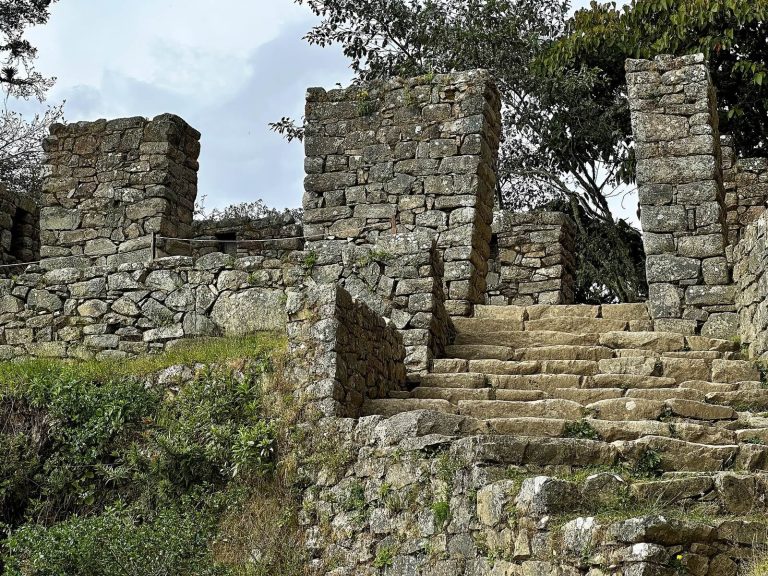
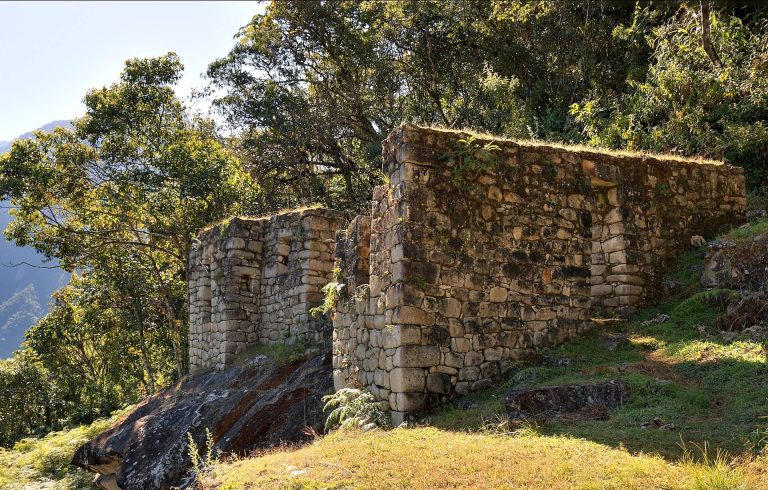
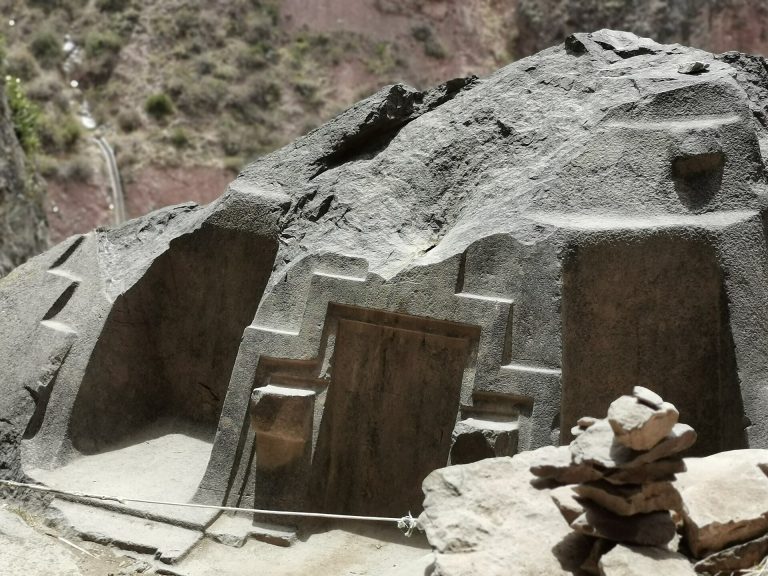
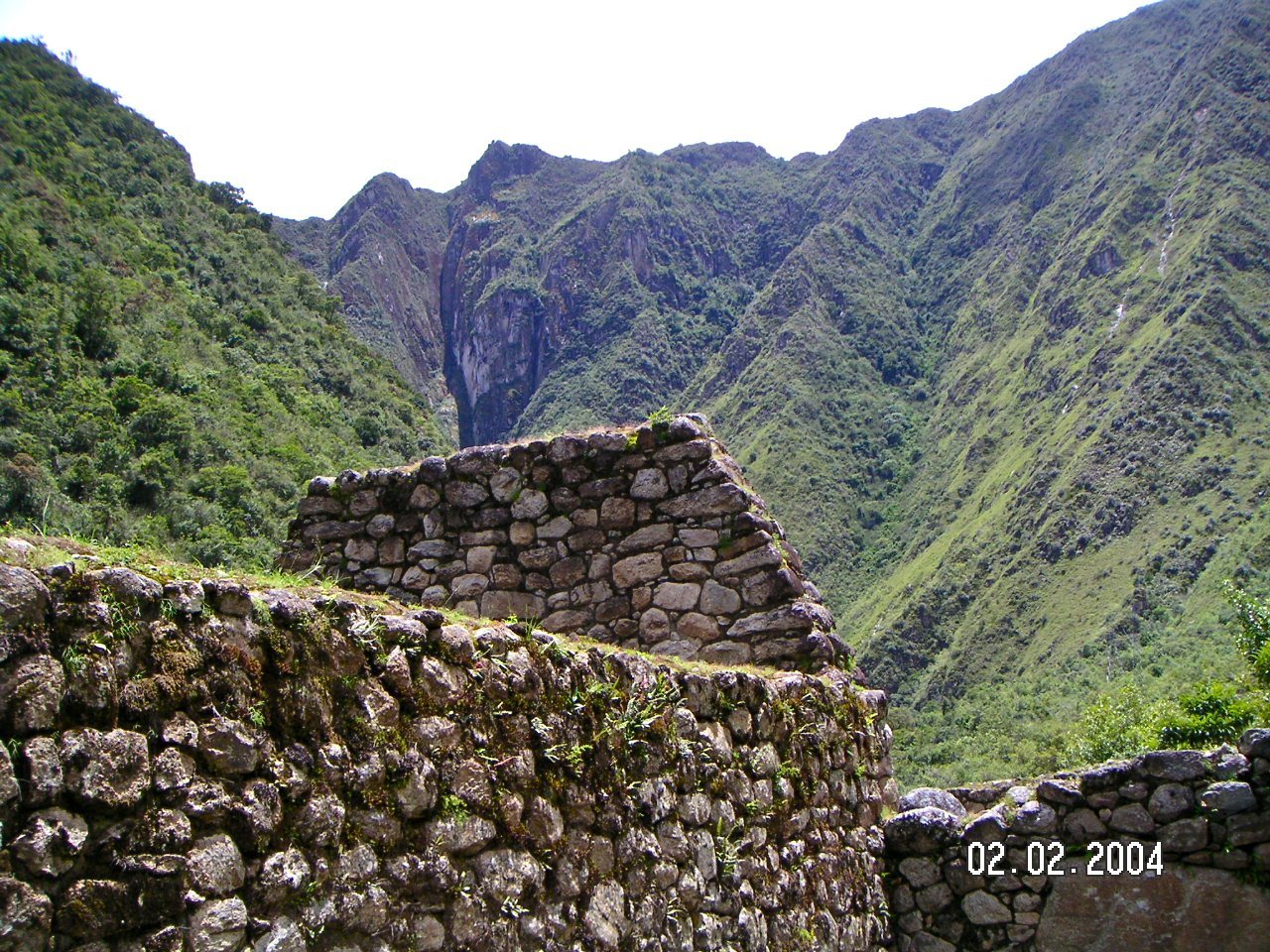
Chachabamba occupies the top of a strategically positioned hill. Its surviving architecture is formed principally from carefully fitted stone walls in the Imperial Inca style. The roofs were probably made from ichu, a high-Andean grass traditionally used for thatching. The site’s physical arrangement brings together baths, channels, fountains, gardens, and a sacred altar in a water-focused ceremonial complex.
Hydraulic Ceremonial Complex
Baths and Courtyards
Fourteen stone baths are arranged around two courtyards. Their organization and connection with the wider hydraulic system support their interpretation as ritual installations rather than ordinary bathing facilities. Their purpose was tied to the purification of pilgrims approaching Machu Picchu, making the courtyards an integral part of the site’s ceremonial layout.
Altar, Gardens, and Fountains
The baths were centred on an altar, or huaca, a sacred place or feature associated with religious power. Gardens and ritual fountains, known as phaqchas, surrounded this focus. Channels carried water through the complex, while the fountains and gardens formed part of an integrated arrangement devoted to the ceremonial use of water.
Hilltop Setting and Inca Road
The hilltop position placed the complex within the wider route leading to Machu Picchu. Chachabamba’s walls, hydraulic features, and ceremonial spaces occupied a landscape where movement, surveillance, pilgrimage, and sacred associations came together. Its relationship with Route 05 connected the settlement to the sequence of archaeological locations extending toward Wiñay Wayna, Intipata, and Intipunku.