Intipunku: The Inca Sun Gate at Machu Picchu
Site at a Glance
- Rating
- 4.8
- Popularity
- Low
- Country
- Peru
- Primary era
- Medieval
- Eras represented
- Medieval
- Civilizations
- Inca
- Site type
- Military
- Remains
- Gate
History
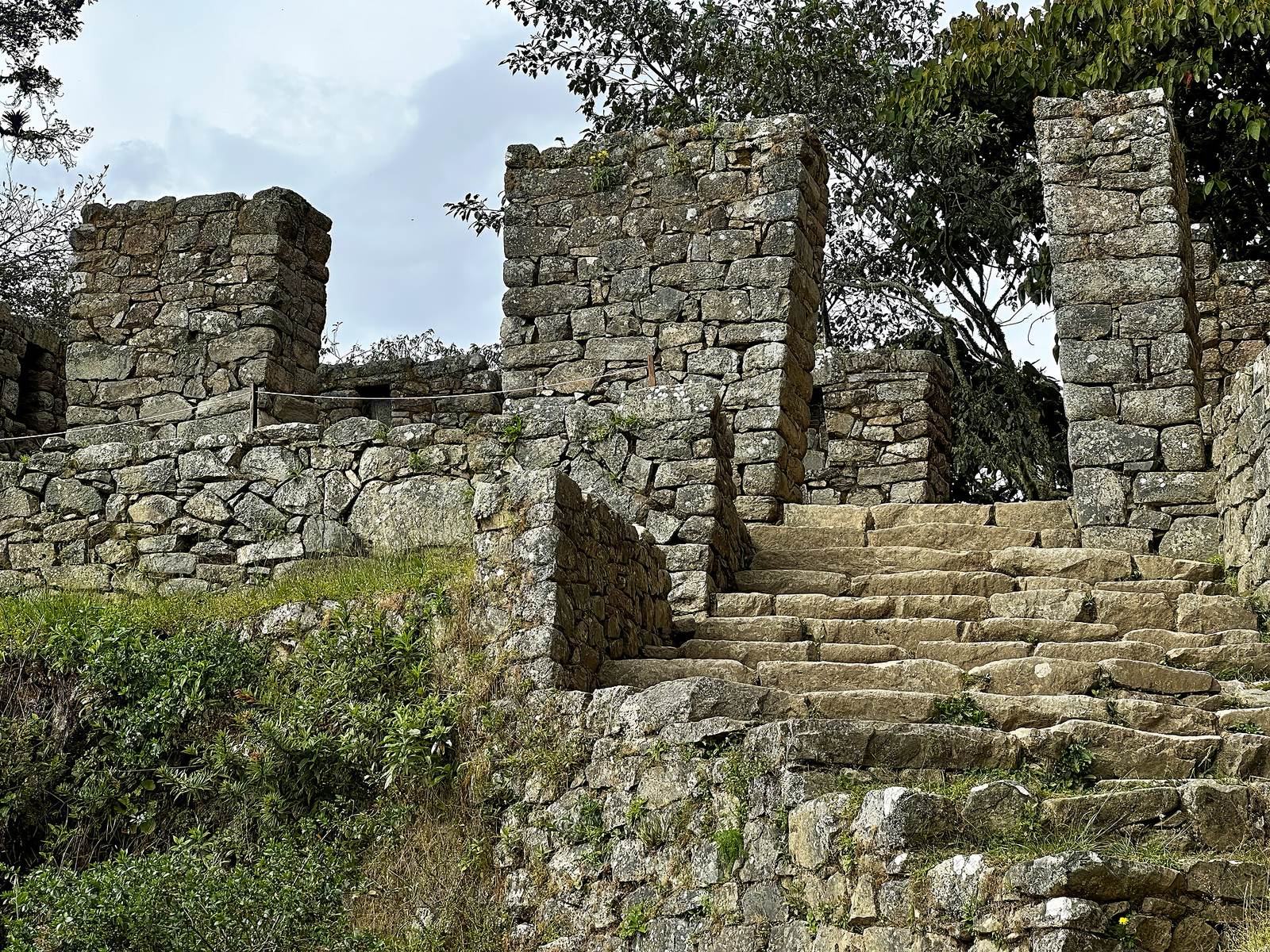
Intipunku is an Inca archaeological site and fortified gateway in Peru, on a ridge southeast of Machu Picchu. Known as the “Sun Gate,” it controlled entry to and exit from the sacred city and the Inca road leading to it.
The gateway stood on the principal approach from Cusco, the Inca imperial capital, toward Machu Picchu. Inca military forces likely protected this strategic entrance, which functioned as both a checkpoint and a fortified passage. The site was also dedicated to Inti, the Inca sun deity, whose name combines with the Quechua word punku, meaning “gate” or “door.”
Intipunku had a religious and astronomical role as well as a defensive one. Its position allowed the rising sun to pass through the gateway at the summer solstice, linking the entrance with the worship of Inti and the observation of the sky. In the present-day historical sanctuary of Machu Picchu, the name also identifies the final section of the Inca Trail between the gateway complex and Machu Picchu.
Remains
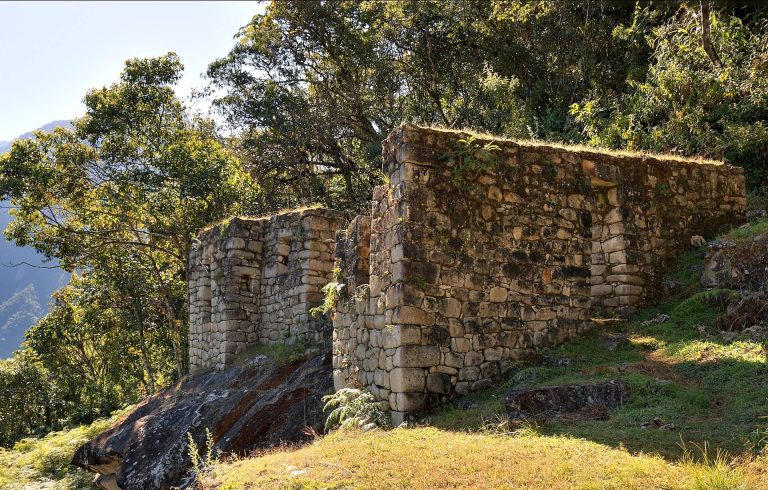
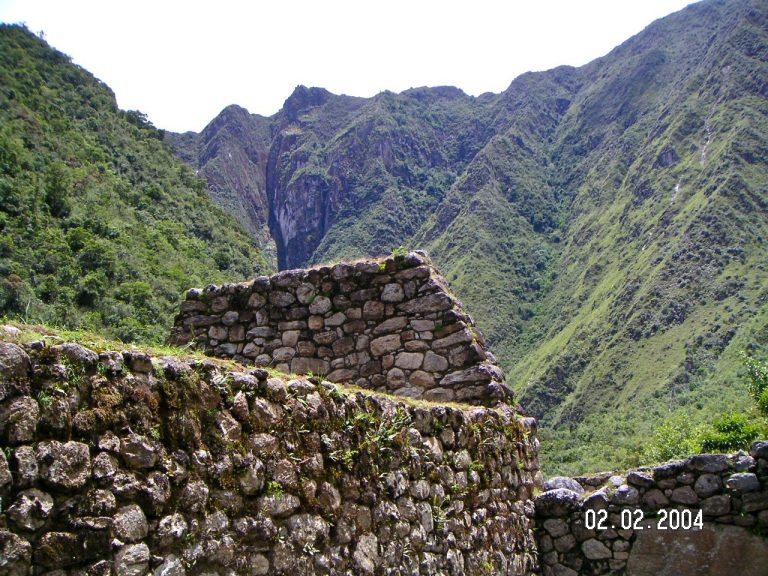
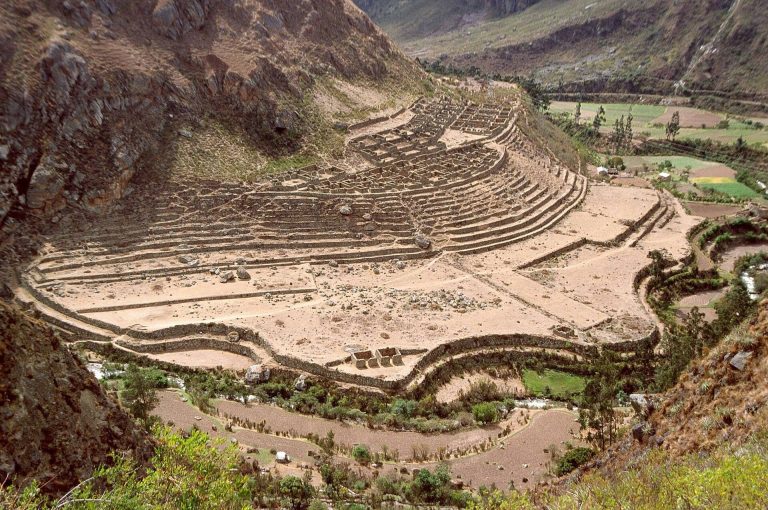
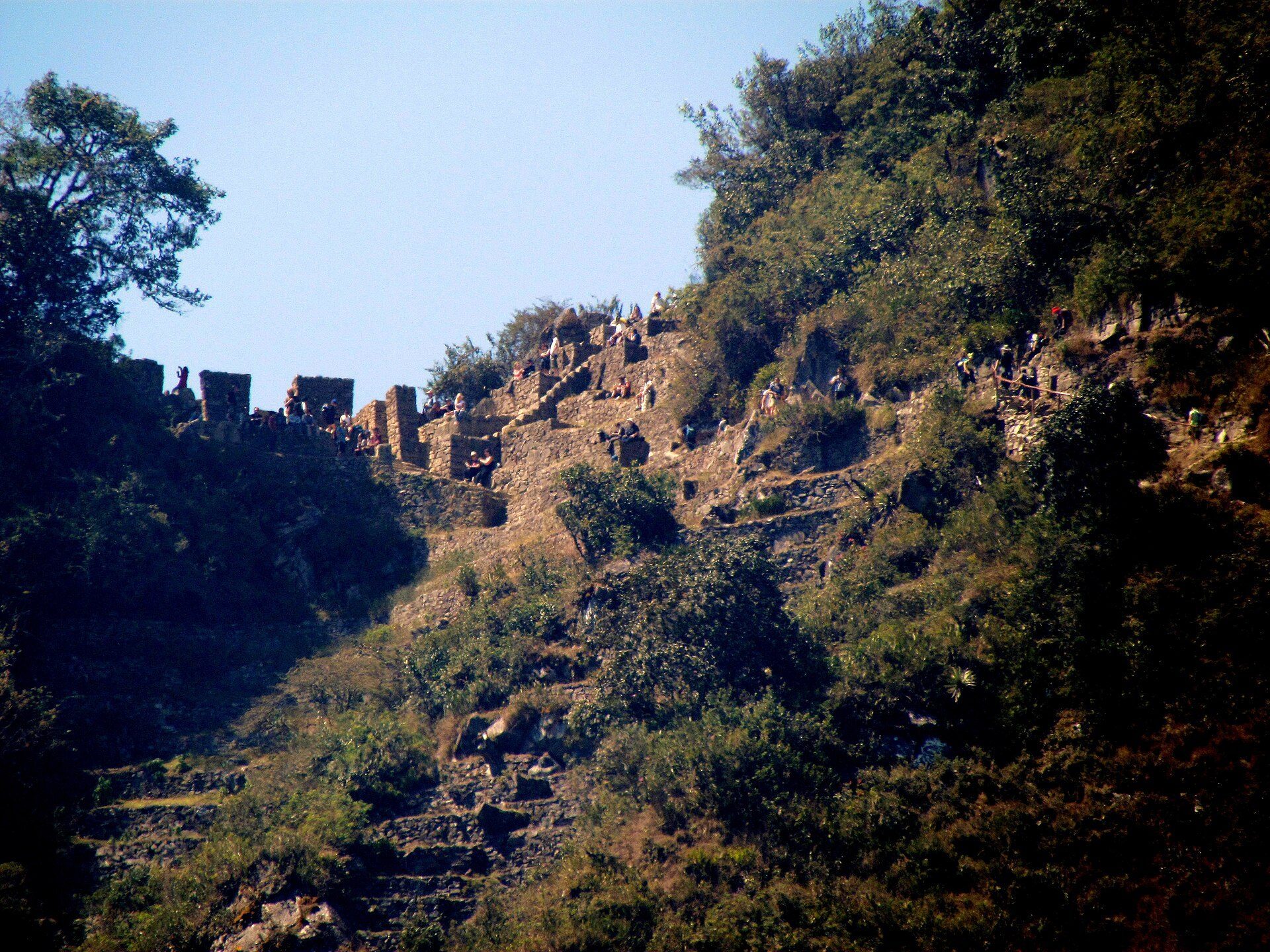
Intipunku forms a broad archaeological complex on a ridge approximately 2,745 metres above sea level. The ascent from Machu Picchu is about 290 metres, and the route associated with the site extends for approximately one mile above the ruins. Windows and gateways are arranged within terraces that support the elevated complex and its access route.
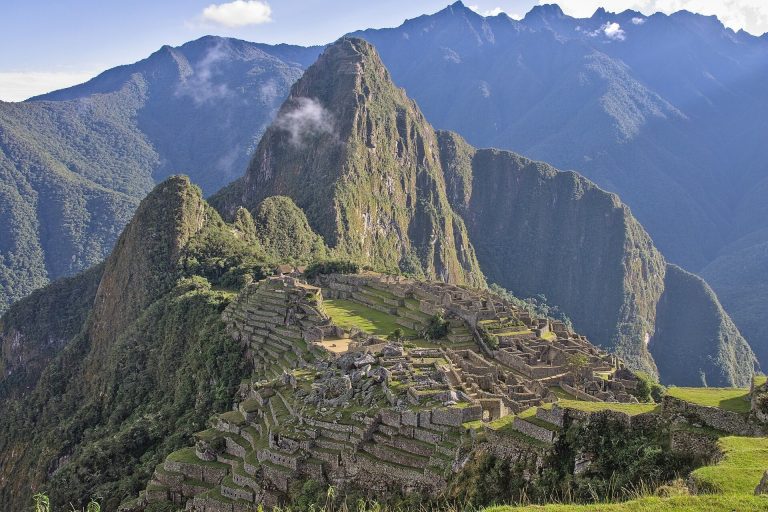
The gateway is positioned so that the rising sun passes through it at the summer solstice. From the complex, Machu Picchu Mountain, Huayna Picchu Mountain, the Urubamba River, and Putucusi Mountain are visible, while the elevated position provides an overall view of the Machu Picchu sanctuary.