Ancient Greek Sites in Egypt: Explore Alexandrian Tombs and Ptolemaic Temples
Greek and Hellenistic sites in Egypt include the burial complexes of Alexandria and temples developed under the Ptolemaic dynasty. Their architecture took several forms: rock-cut tombs could reproduce Greek domestic and columned spaces, while royal temple building continued Egyptian religious traditions. The collection therefore includes both Greek architectural elements and Egyptian sanctuaries sponsored by rulers of Macedonian descent.
Primary Function: All
Type: All
Civilization: All
Popularity: All
Rating: All
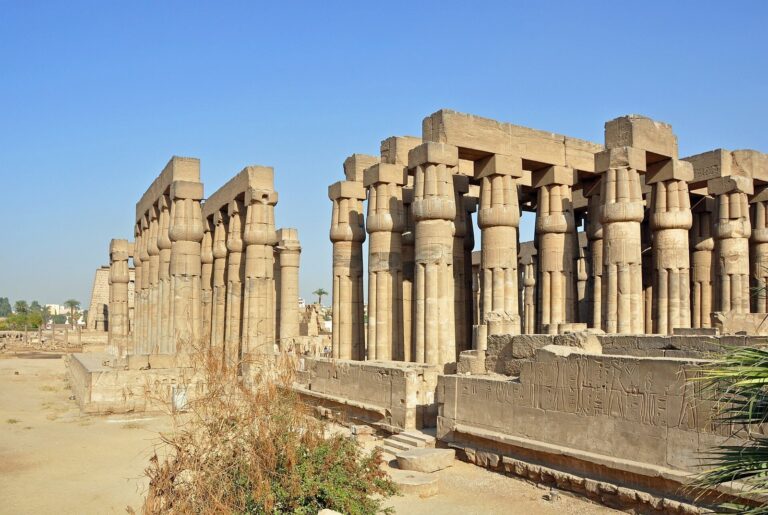
Developed chiefly during Egypt’s New Kingdom, Luxor Temple served the Theban gods and the rituals of royal renewal. Its remains preserve monumental…
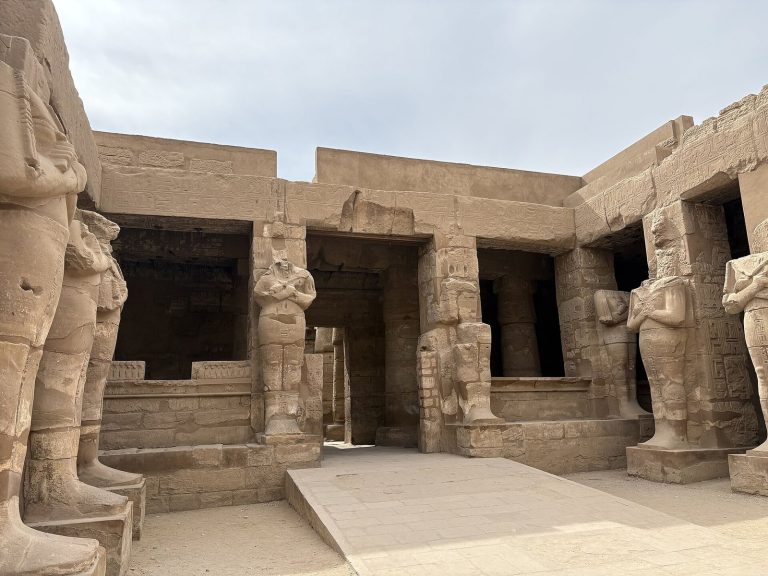
Karnak Temple Complex near Luxor developed over more than two millennia as the principal sanctuary of Amun-Re and the religious center of the Theban…
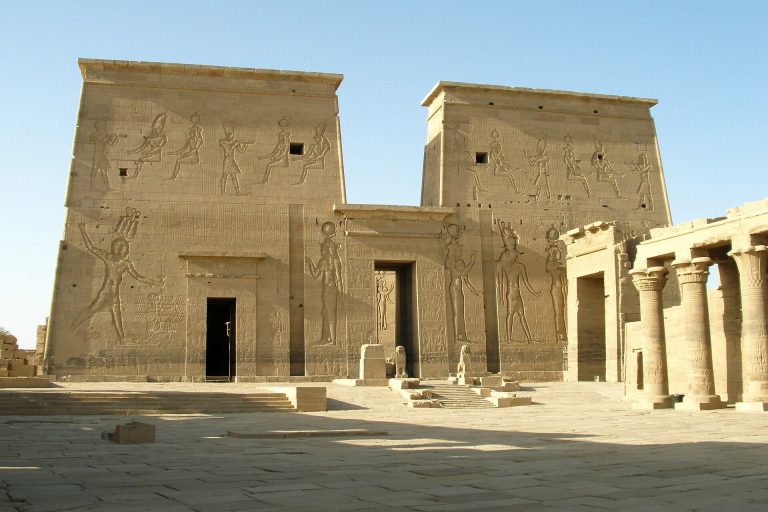
The Temple of Isis in Philae was the principal sanctuary of the Philae complex, developed from the Late Period through the Roman era and later…
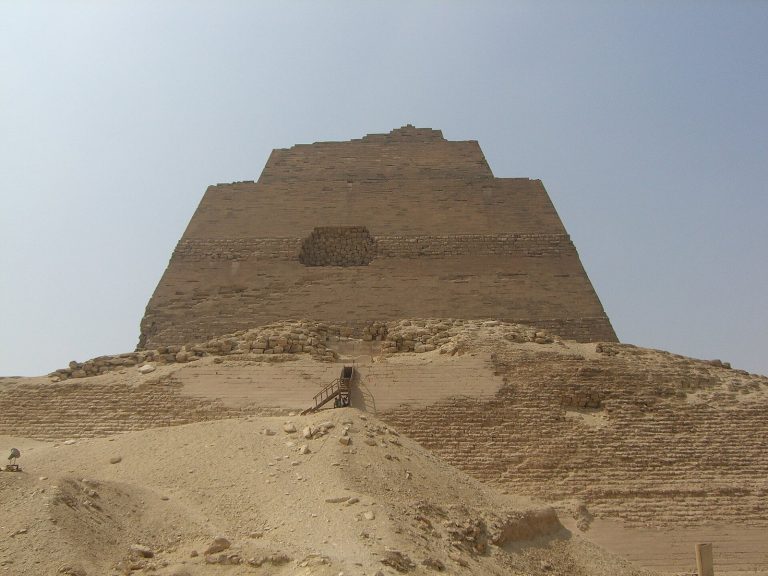
The Theban burial grounds opposite Luxor preserve tombs used from the Old Kingdom through the Ptolemaic period, with the greatest concentration…
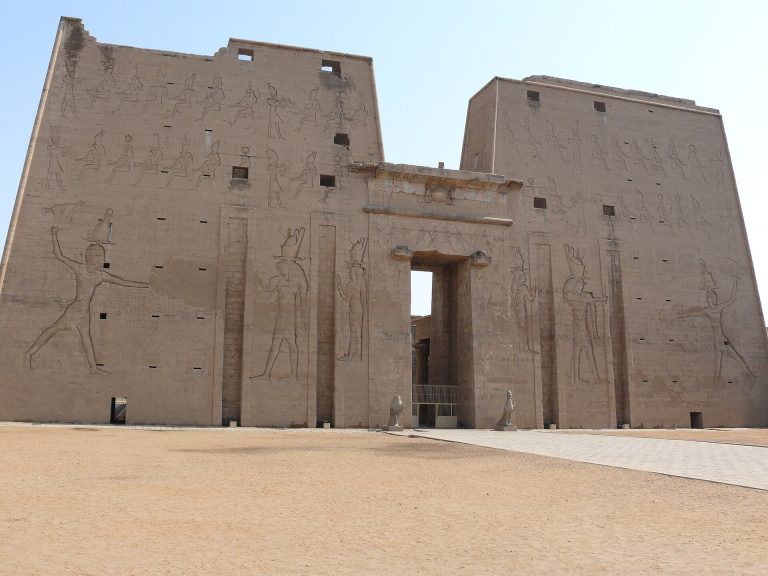
The Temple of Edfu is a remarkably preserved Ptolemaic sanctuary dedicated to Horus in Upper Egypt. Its inscriptions, reliefs, ritual spaces, and…
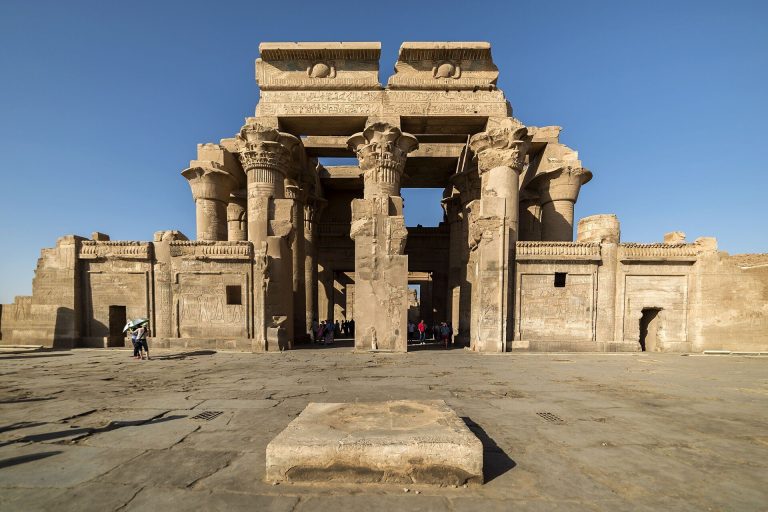
The Temple of Kom Ombo is a Ptolemaic double temple dedicated to Sobek and Haroeris, with Roman additions, distinctive twin sanctuaries, crocodile…
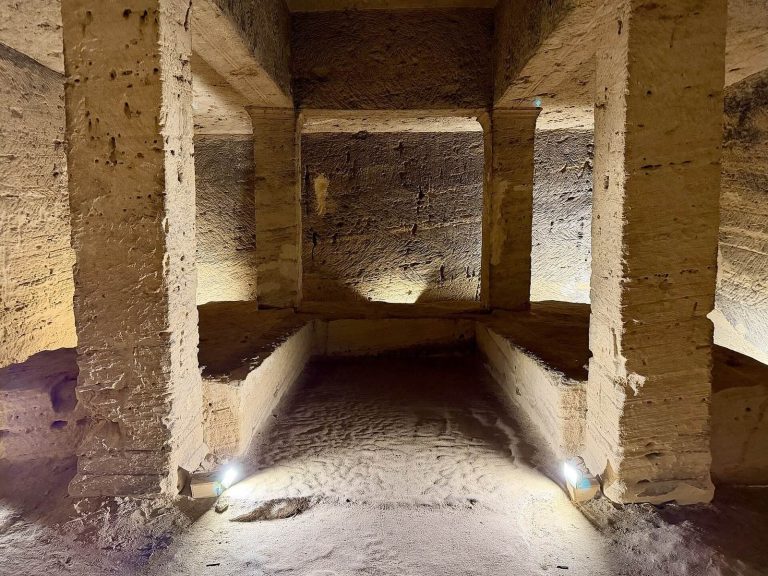
The Catacombs of Kom el Shoqafa are an underground burial complex in Alexandria, Egypt, combining Egyptian funerary traditions with Hellenistic and…

The Dendera Temple Complex preserves a long sequence of Egyptian, Ptolemaic, and Roman religious architecture, centered on the Temple of Hathor and…
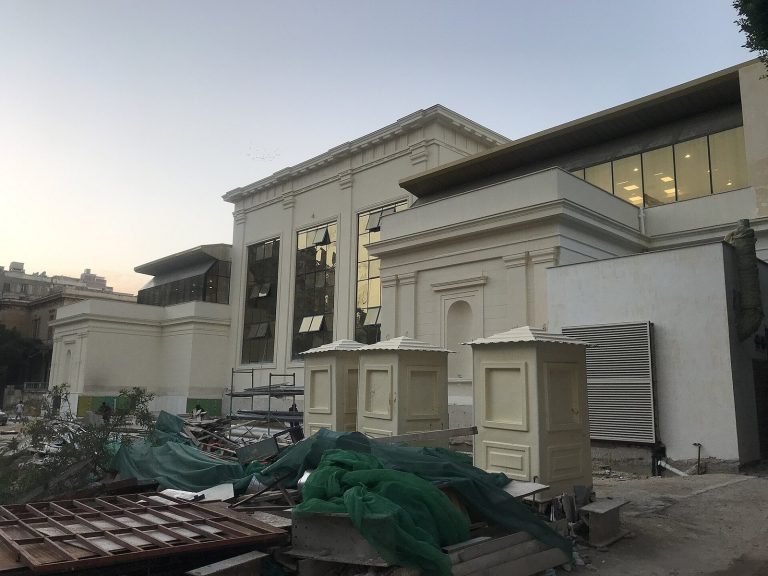
Founded in 1892, the Greco-Roman Museum in Alexandria preserves archaeological material spanning ancient Egyptian, Greek, Roman, Coptic, and…
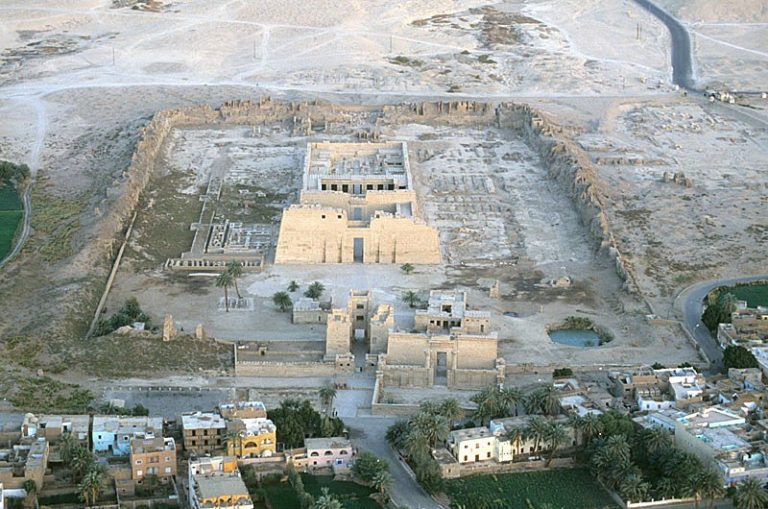
Medinet Habu on the west bank of the Nile preserves the mortuary temple of Ramesses III, earlier Amun sanctuaries, royal and administrative…
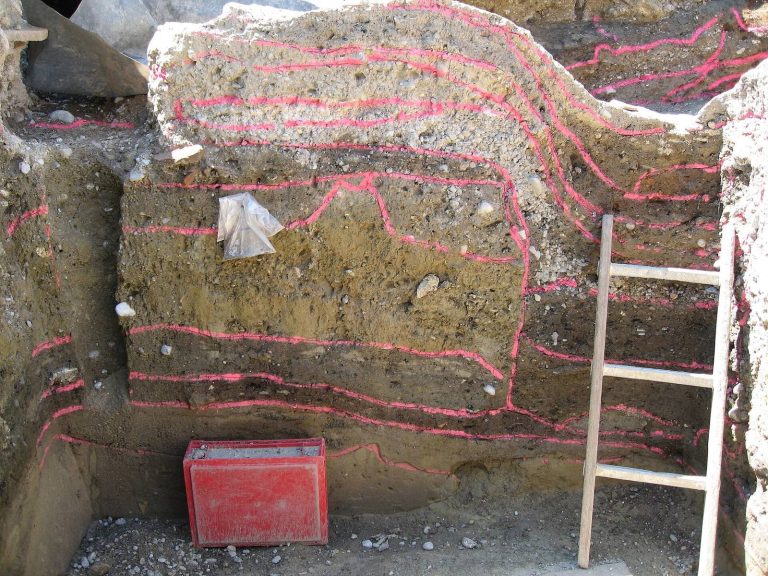
Founded in the sixteenth century BC in Egypt’s Wadi Tumilat, Tell el-Maschuta developed into a canal-linked trading center before becoming a…
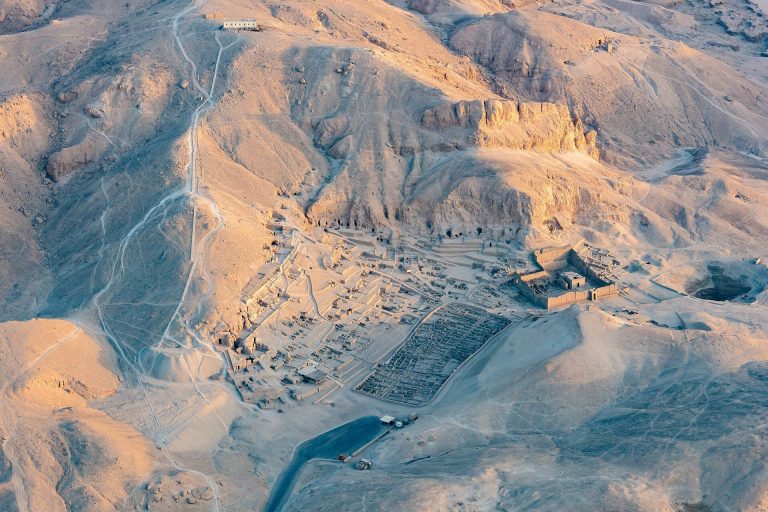
Deir el-Medina was a New Kingdom settlement for the artisans and officials who built and decorated royal tombs near Luxor. Its houses, tombs,…
For details on how to use the maps, which sites are included, how popularity and ratings are determined, and how sites are classified, see the help page.
On this page4 sections
Shatby: burial chambers beneath Alexandria
The Shatby Necropolis preserves underground tomb complexes from the early centuries of Alexandria. Hypogeum A, a large burial complex cut into the rock, was arranged around an open court with chambers leading from it. Architectural details on the walls reproduced elements of an above-ground house, including openings and framed interior spaces.
Burial niches accommodated successive interments, and finds included vessels used to hold cremated remains. Painted decoration and Greek inscriptions connect the chambers with the population of the early Hellenistic city. The cemetery was used and altered over time; the principal early tombs should be distinguished from later burial material associated with the wider Alexandrian necropolis.
The Serapeum: a Ptolemaic sanctuary and later monuments
At the Serapeum of Alexandria, temple foundations and underground passages occupy an elevated precinct in the ancient city’s western area. The cult of Sarapis brought Greek and Egyptian religious traditions together. Foundation deposits with inscriptions in Greek and Egyptian identify Ptolemy III with the sanctuary’s construction.
The temple itself no longer stands as an enclosed building. Its surviving substructures and excavated deposits establish the earlier sanctuary, while the enormous column commonly called Pompey’s Pillar belongs to the Roman period and honours Diocletian. The column is therefore a later addition to a religious site founded under the Ptolemies.
Karnak: Ptolemaic gateways and the Temple of Opet
At Karnak, the Ptolemaic rulers added buildings to an Egyptian sacred complex that was already many centuries old. The gateway known as Bab el-Amara, in front of the Temple of Khonsu, belongs to Ptolemy III’s building programme. Its tall stone jambs and lintel carry Egyptian relief decoration, continuing the architectural language of the surrounding temples.
The nearby Temple of Opet developed through several building phases and was completed under Ptolemy VIII, who supplied much of its interior decoration. A court and small columned hall lead towards a raised sanctuary, with crypts extending into the platform below. Roman rulers later added exterior decoration. These structures account for Karnak’s place in a Hellenistic collection; its earlier pylons and great hypostyle hall belong to different Egyptian dynasties.
Explore the collection
Explore sites on the map or in the grid. Map icons reflect each site’s primary function, helping you identify different kinds of places at a glance. Narrow the results by primary function, site type or era. Use the Civilization filter to select among the Greek and Hellenistic groups included here, with additional filters for popularity and rating. Select a map marker to view the site’s details and open its article, or open the article from its grid entry.