Samnyeonsanseong: A Silla Mountain Fortress in South Korea
Site at a Glance
- Rating
- 4.4
- Popularity
- Low
- Country
- South Korea
- Primary era
- Classical
- External website
- Open
- Eras represented
- Classical
- Civilizations
- Silla
- Site type
- Military
- Remains
- Fort
On this page10 sections
History
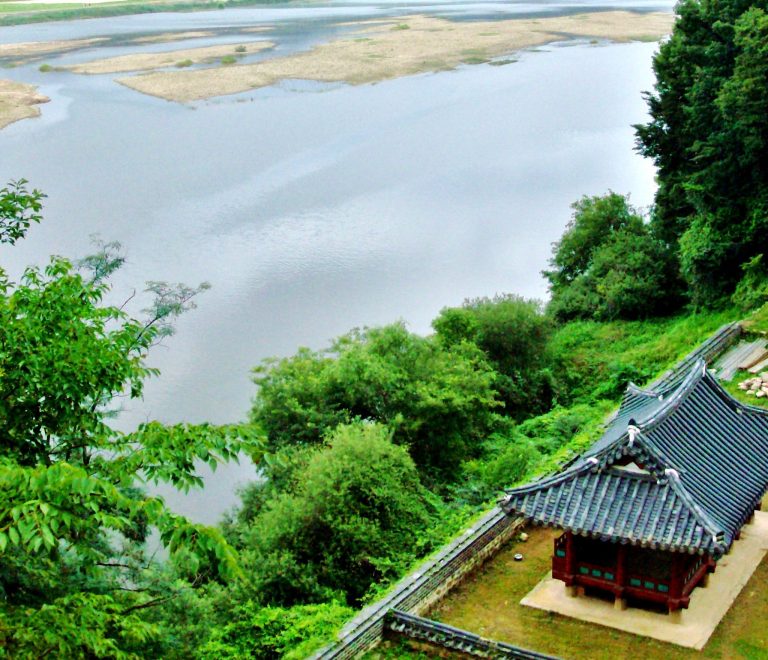
Samnyeonsanseong is a Silla-period mountain fortress in South Korea, near Boeun-eup in Boeun-gun, whose construction began in 470 and whose reconstruction was completed in 486. Silla was one of the Three Kingdoms, the three states that dominated the Korean Peninsula during the period before Silla established control over much of it. Built on a mountain in the Teimeui style, the fortress occupied a strategic position in Silla’s campaigns and later remained in use through the Joseon dynasty.
Silla origins and military role
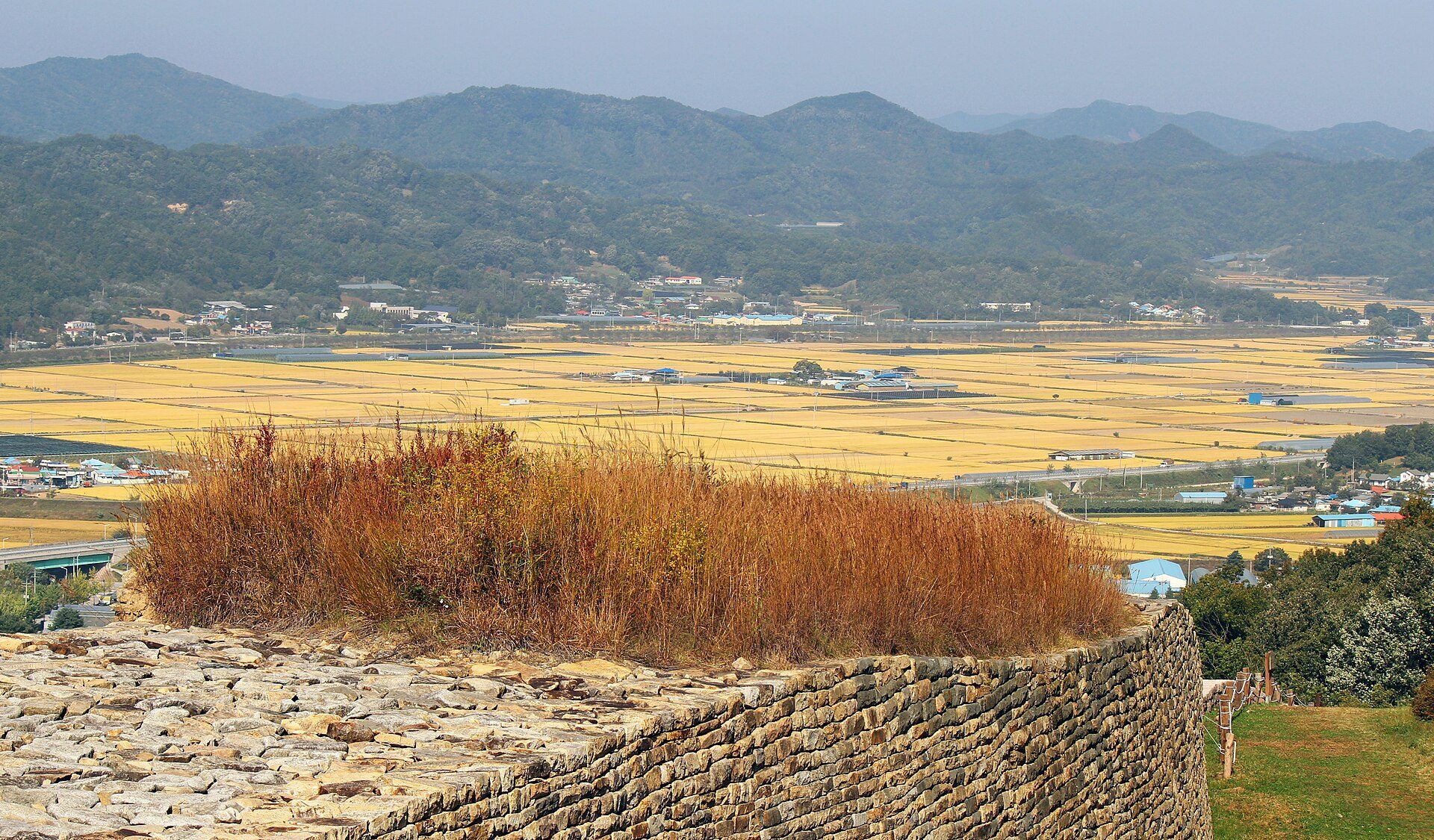
During the late seventh century, Silla used Samnyeonsanseong as a base for attacks against Baekje to the west and for preparing advances against Goguryeo to the north. Its position helped secure the Han River Valley and supported Silla’s efforts to unify Korea. The nearby town of Boeun-eup, about 2 kilometres from the fortress, was known during the Three Kingdoms period as Samnyeon-gun or Samnyeonsan-gun.
The origin of the fortress’s name has been explained in two ways. One tradition holds that it was named after the nearby town. The Samguk Sagi, a major Korean chronicle of the Three Kingdoms period, instead states that the fortress was completed in three years, suggesting that the town received its name from the fortress.
Later use and archaeological investigation
The Veritable Records of the Joseon Dynasty, the official annals of the Joseon court, identify the fortress as Ojeongsanseong. This name refers to Ojeongsan, the mountain on which it stands, and reflects the site’s continued use during the Joseon dynasty. Wanggeon, the founder and first king of Goryeo, the Korean dynasty established in the early tenth century, is said to have failed to capture the fortress in 918.
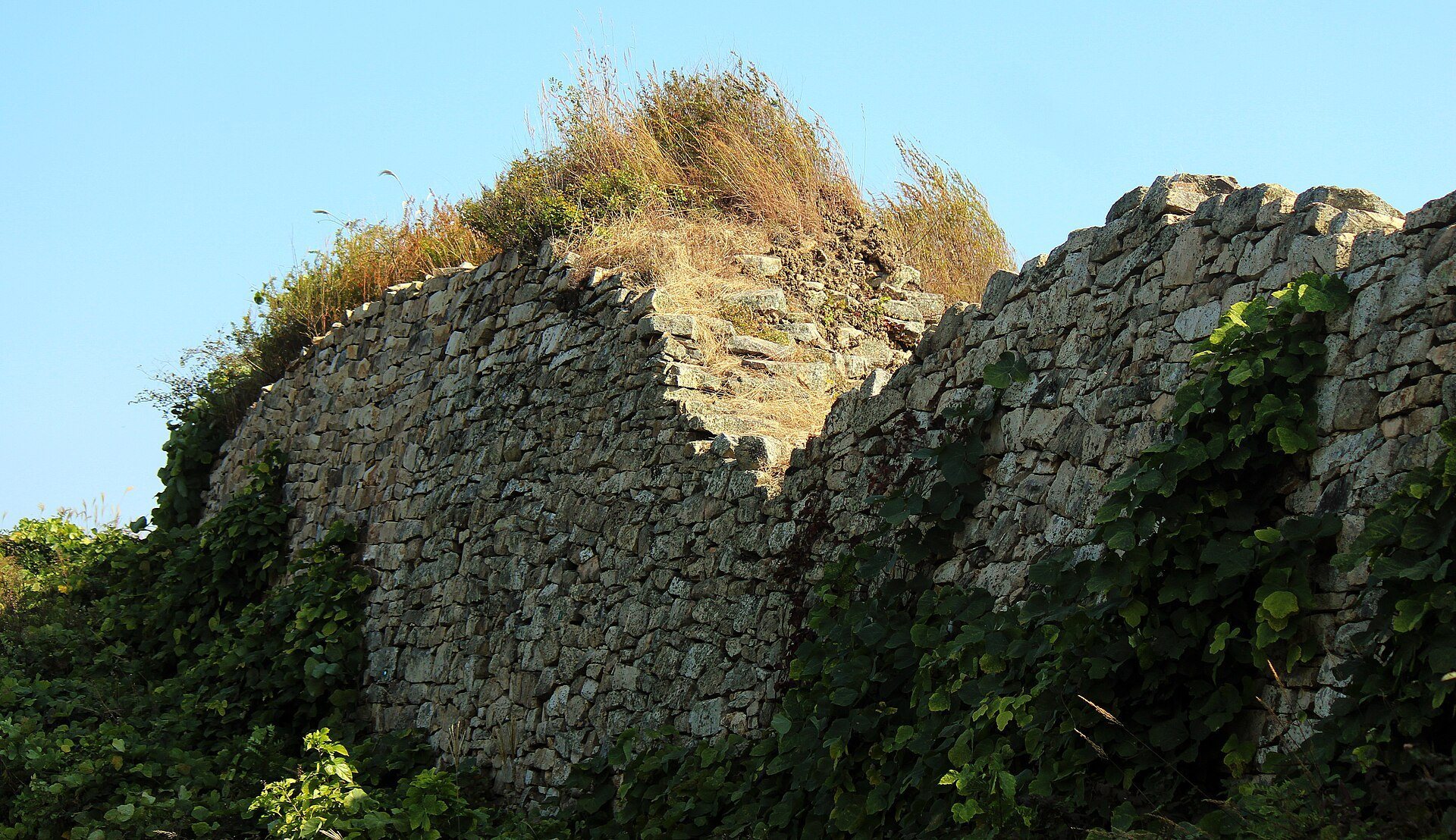
Excavations in 1983 recovered artifacts dating from the Three Kingdoms period through the Joseon dynasty, providing evidence for the fortress’s long occupation and changing use. Thousands of tombs surround the site. Samnyeonsanseong became Historic Site of South Korea No. 235 on May 25, 1973, and was later placed on South Korea’s tentative list for possible future UNESCO World Heritage consideration. Large-scale reconstruction has taken place, while fragments of the older walls remain.
Remains
Mountain enclosure and defenses
Samnyeonsanseong follows the peaks of the mountain rather than enclosing a valley. This arrangement is known as the Teimeui style, a mountain-fortress layout in which defensive walls follow or surround a mountain peak. The complex combines a walled enclosure with earthen ramparts, creating a fortified circuit approximately 1,680 to 1,880 metres long.
Stone walls and earthen ramparts
The stone walls were built along vertical rocky cliffs. Thin, flat stones were laid in alternating horizontal and vertical layers, producing a tightly structured wall approximately 5 to 8 metres wide. Together, the cliffs and walls formed a barrier about 13 to 20 metres high. Earthen ramparts were constructed alongside the stone defenses, adding another defensive element to the enclosure.
Gates and curved bastions
Four gates were placed at roughly equal intervals around the fortress, each measuring about 4.5 metres in length. Seven Ongseong, curved or projecting defensive bastions positioned outside gates or walls, strengthened approaches considered especially vulnerable to attack. Each bastion was approximately 8.3 metres high and 25 metres in circumference.
Water supply and engraved stone
Fortress pond and wells
Water was supplied by five wells and by a large pond inside the fortress. The pond served as an important water source, and its former extent survives as a depression or outline within the enclosure. Two sluice gates formed part of the fortress’s water-management features.
Entrance boulder
A boulder near the entrance carries engraved calligraphy traditionally attributed to Kim Saeng, a prominent Korean calligrapher. The inscription remains associated with the approach to the fortress and forms part of the site’s surviving material record.