Jikjisa: A Buddhist Head Temple in South Korea
Site at a Glance
- Rating
- 4.5
- Popularity
- Low
- Country
- South Korea
- Primary era
- Early Modern
- External website
- Open
- Eras represented
- Medieval, Early Modern
- Civilizations
- Joseon, Silla
- Site type
- Religious
- Remains
- Monastery
On this page9 sections
History
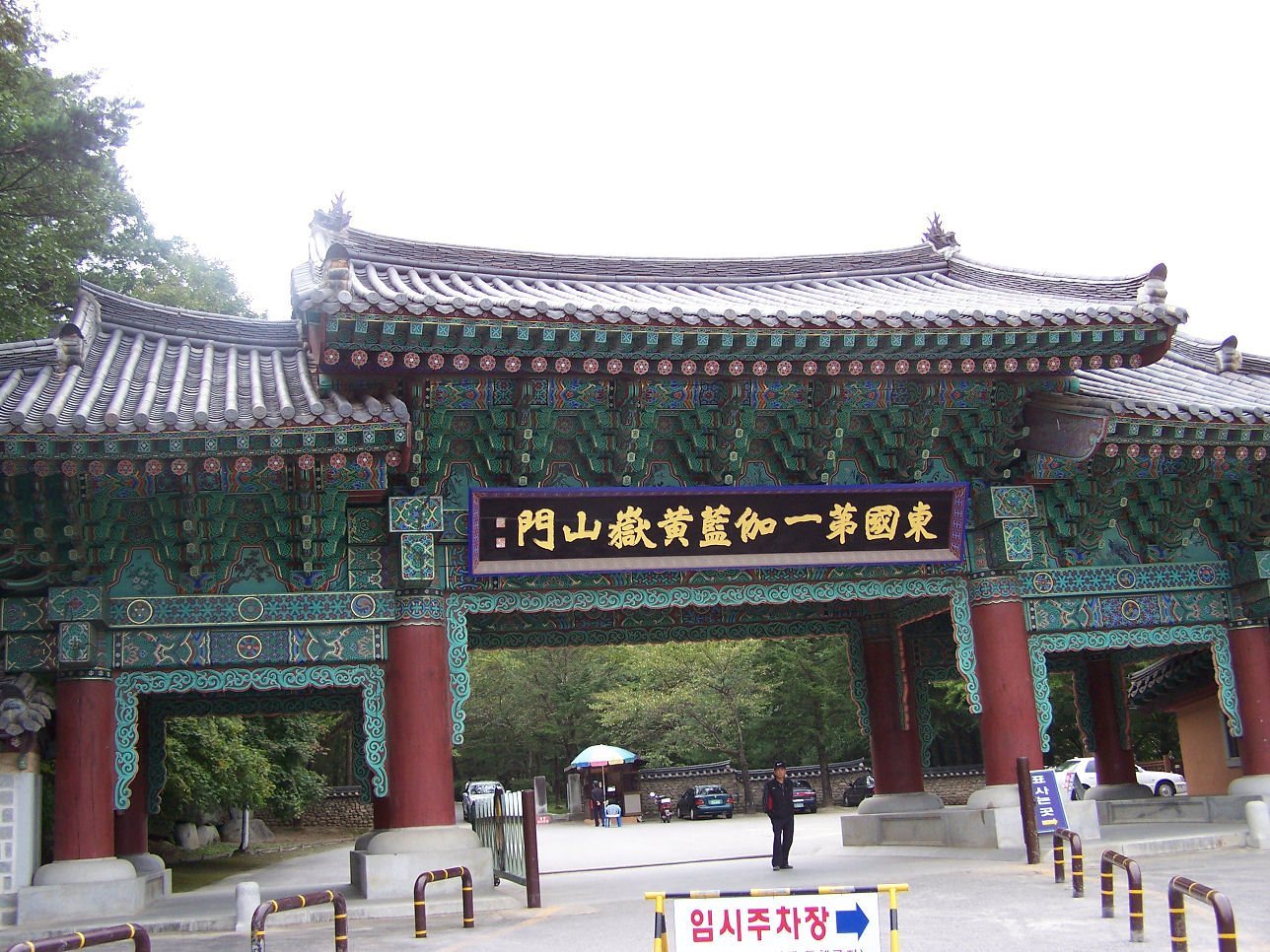
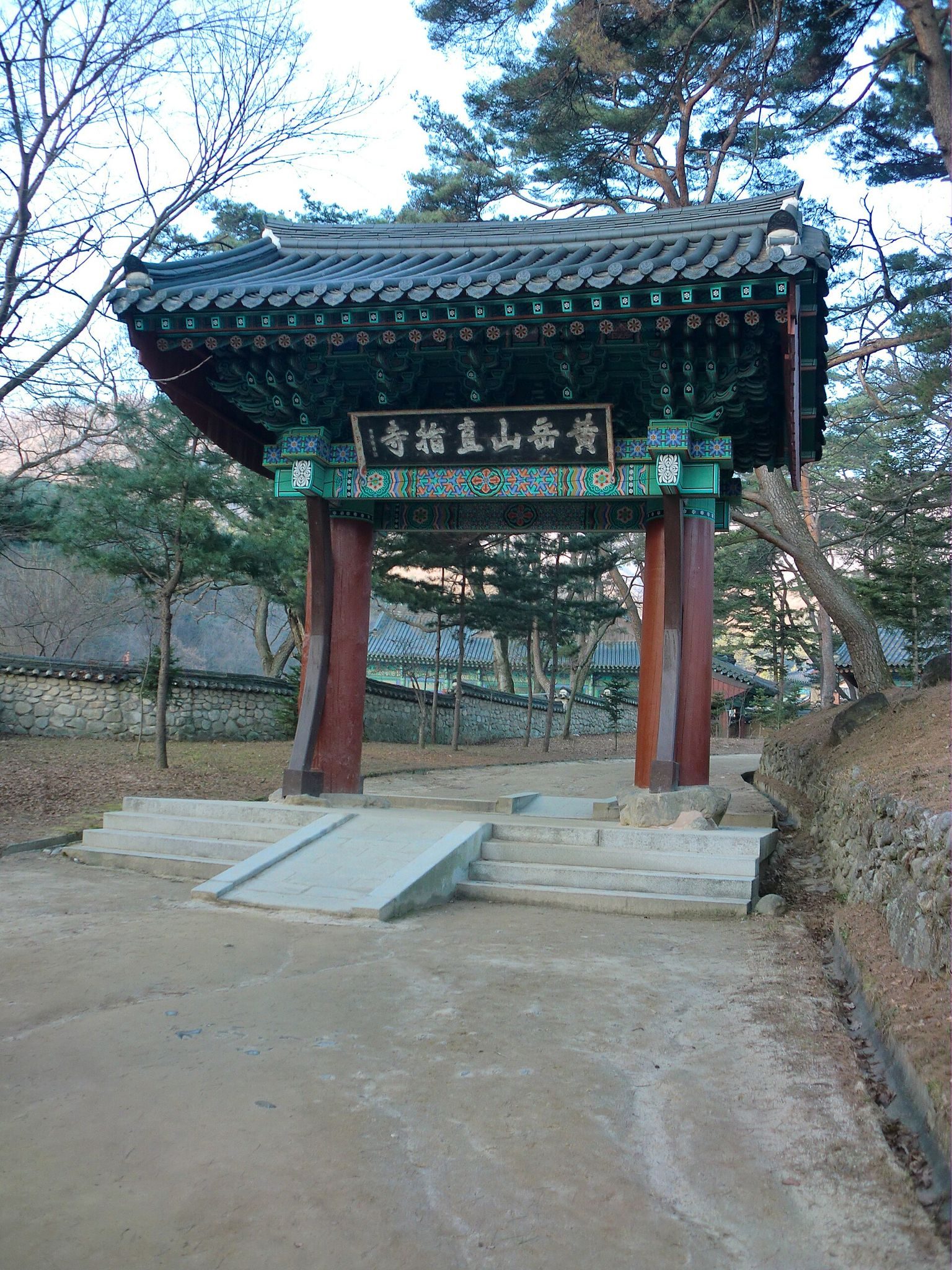
Jikjisa is a Buddhist temple on the slopes of Hwangaksan in Gimcheon, South Korea. Tradition dates its foundation to 418, when the Buddhist monk Ado established it during the Silla period. Today, Jikjisa belongs to the Jogye Order, a major Korean Buddhist order rooted in Seon Buddhism, and serves as the head temple of the order’s eighth regional district, overseeing 54 branch temples in northwestern North Gyeongsang Province.
Foundation and Silla rebuilding
Jikjisa’s origin is connected with Ado, an early monk associated with bringing Buddhist teaching to Silla. One tradition says that he pointed toward Hwangaksan from Dorisa in Seonsan and chose the mountain as a suitable place for a temple. Two later Silla rebuilding phases are also associated with the temple. Vinaya Master Jajang, a prominent Silla monk who specialized in Buddhist monastic rules, is traditionally linked with a rebuilding in 645. Great Master Cheonmuk is associated with another reconstruction in 930.
The 930 rebuilding included Daejangdang Hall and the enshrinement of gold-ink copies of the complete Buddhist canon. A further reconstruction in 936 is attributed to Great Master Neungyeo. A traditional explanation for the name Jikjisa says that Neungyeo measured the site and building materials with his hands rather than using a ruler.
Joseon history and destruction
During the Joseon period, an earthenware urn containing the placenta of King Jeongjong, the dynasty’s second king, was placed on a northern peak of Hwangaksan. A royal placenta site was a place where such an urn was enshrined and protected because the placenta was associated with the royal person and dynastic auspiciousness. Jikjisa consequently became a guardian temple responsible for protecting the royal site.
The temple was destroyed in 1592 during the Japanese invasions of Korea, a conflict that lasted from 1592 to 1598. Reconstruction followed in the early seventeenth century, when 20 buildings were rebuilt.
Yujeong and later history
Jikjisa is closely associated with Great Master Yujeong, also known as Samyeong. He was ordained at the temple under Great Master Sinmuk. After moving to nearby Yuchon Village at the age of 13, Yujeong entered Jikjisa following the deaths of his parents. He later became the temple’s head at the age of 30 and organized and led a monk army during the Japanese invasions.
The temple’s historical reputation is also linked to its position near the geographical center of Korea. Hwangaksan’s summit, Biro Peak, is described as overlooking Gyeongsang, Jeolla, and Chungcheong, and Jikjisa has consequently been regarded since ancient times as one of Korea’s foremost temples. In 1800, a fire destroyed Manseru Pavilion and the gingko tree associated with the traditional story of Yujeong’s discovery by Sinmuk.
Remains
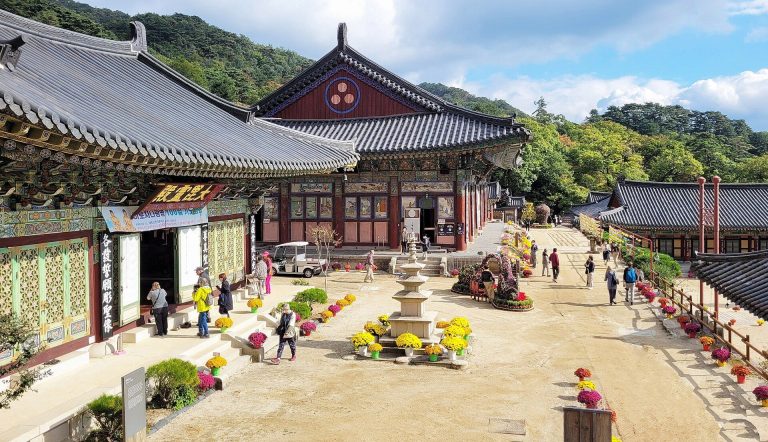
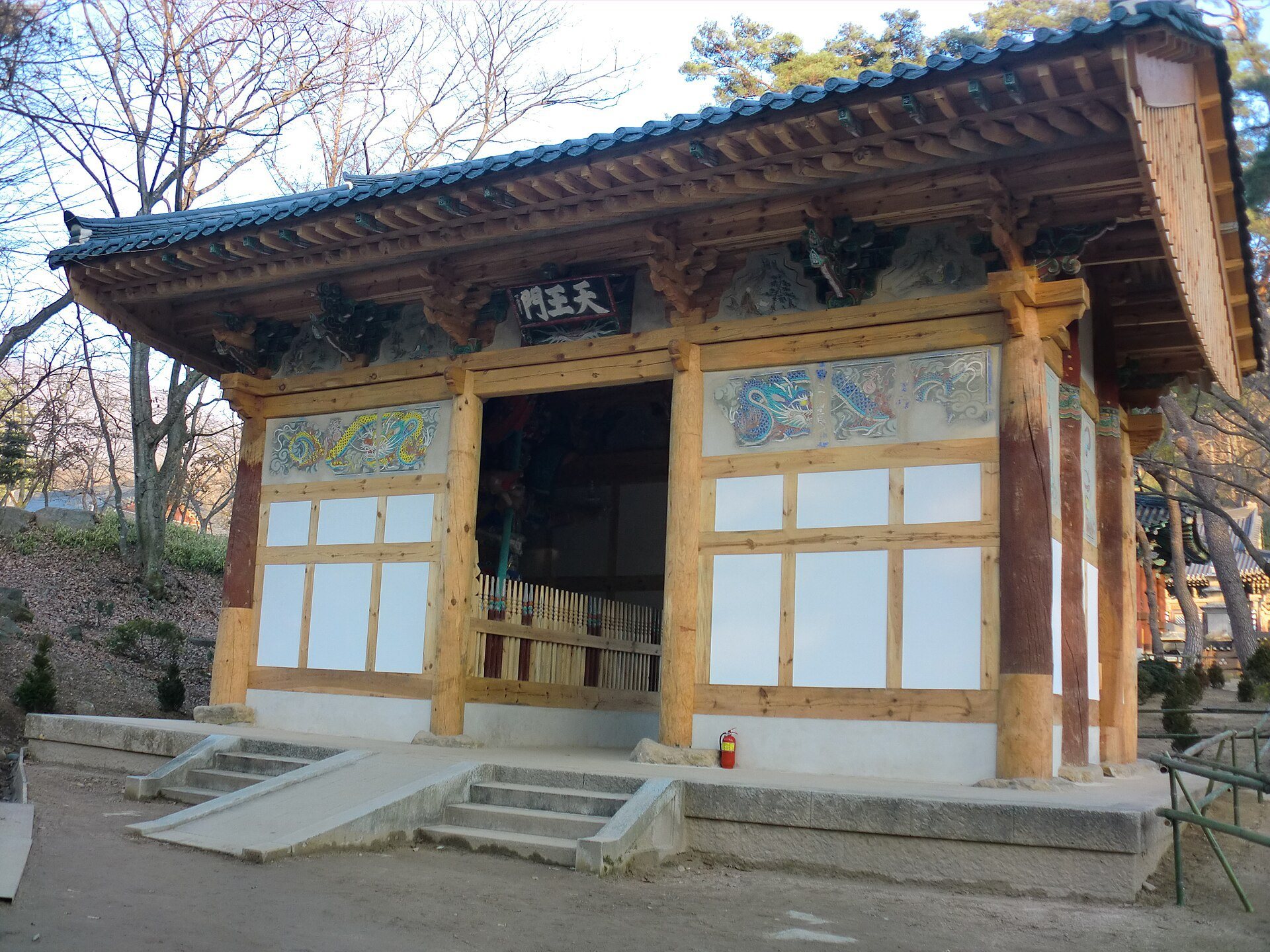
Jikjisa occupies the slopes of Hwangaksan, with wood as its principal listed building material. Its surviving features include Daejangdang Hall, the Heavenly Kings’ Gate and its associated stone, Birojeon, and a three-story stone pagoda positioned in front of the hall.
Halls and gate
Daejangdang Hall
Daejangdang Hall belongs to Great Master Cheonmuk’s rebuilding phase of 930. The hall was used to enshrine gold-ink transcriptions of the entire Buddhist canon, connecting the building’s physical remains with the temple’s Silla-period religious and literary history.
Heavenly Kings’ Gate
A flat, smoothly shaped stone remains beside the Heavenly Kings’ Gate. Tradition identifies it as the place where the young Yujeong was found sleeping after Sinmuk dreamed of a golden dragon entwined around the gingko tree next to the gate. The gingko tree was destroyed in the fire of 1800, while the associated stone remains beside the entrance.
Birojeon and the stone pagoda
A three-story stone pagoda stands in front of Birojeon, a Buddhist hall named for Vairocana, the Buddha associated with the cosmic body of Buddhist teachings. The pagoda forms a distinct stone feature within the temple grounds and remains connected spatially with the hall it faces.