Yuki Castle: A Medieval Japanese Clan Stronghold
Site at a Glance
- Rating
- 3.5
- Popularity
- Low
- Country
- Japan
- Primary era
- Medieval
- External website
- Open
- Eras represented
- Medieval
- Civilizations
- Unclassified
- Site type
- Military
- Remains
- Castle
On this page11 sections
History
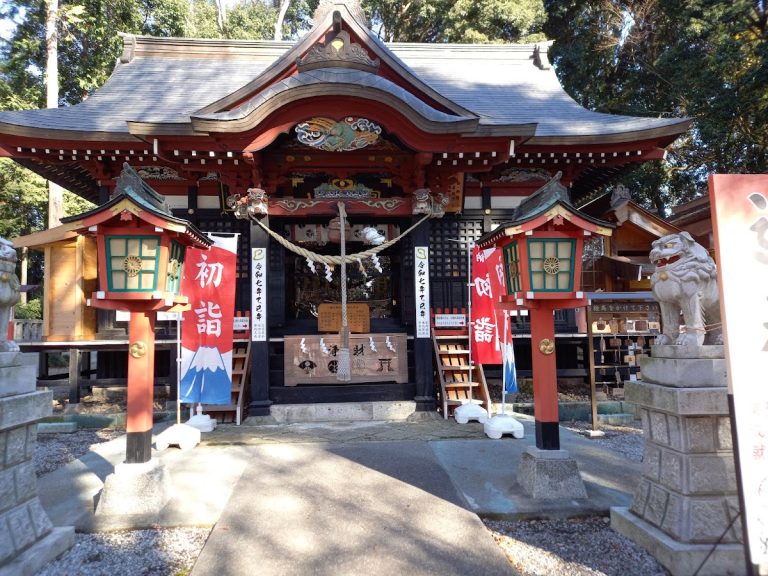
Yuki Castle is a medieval Japanese castle in Yuki, Japan, founded by Yuki Tomomitsu in 1183. Tomomitsu, the fourth son of Oyama Masamitsu, had helped suppress the rebellion of Shida Yoshihiro and was appointed jitō, a local land-administration official, in Yuki District in 1181. He then established the castle as the principal stronghold of the Yuki clan.
From the Kamakura era to the Yuki War
The Yuki clan continued to use the castle into the Muromachi period, the era of the Ashikaga shogunate, which governed through regional military authorities and powerful warrior families. In 1440, Yuki Ujitomo supported Shun’o and An’o, sons of the defeated Kamakura kubo. This office belonged to the Ashikaga shogunate’s deputy and military governor in the eastern provinces, based in Kamakura. Ujitomo’s support led him to rebel against the shogunate.
Ujitomo and his son Mochitomo defended Yuki Castle during the Yuki War, holding out against a numerically stronger shogunal army for nearly a year. The castle fell in 1441. Both men were killed, and the Yuki clan temporarily lost its position in the area.
Restoration of Yuki rule
In 1447, Ashikaga Shigeuji was allowed to restore the office of Kamakura kubo. With protection from the Satake clan, Yuki Shigetomo, Ujitomo’s fourth son, returned to the former Yuki territories. Yuki Castle again became the residence of the Yuki clan and remained so until the beginning of the Edo period.
Following the conquest of Odawara in 1590, Yuki Harutomo supported the Toyotomi side and retained his territories. He adopted Hideyasu, a son of Tokugawa Ieyasu, as his heir. When Hideyasu was transferred to Echizen in 1601, Yuki Castle was demolished and temporarily abandoned, while the Yuki territory became a domain administered directly by the Tokugawa government.
Edo-period rebuilding and destruction
In 1700, Mizuno Katsunaga, a member of the main Mizuno family line, moved from Noto to Yuki with a fief assessed at 18,000 koku, a historical measure of land and rice yield. The Mizuno family governed the territory through ten generations until the Meiji Restoration. Permission to rebuild Yuki Castle was granted in 1703, and reconstruction began.
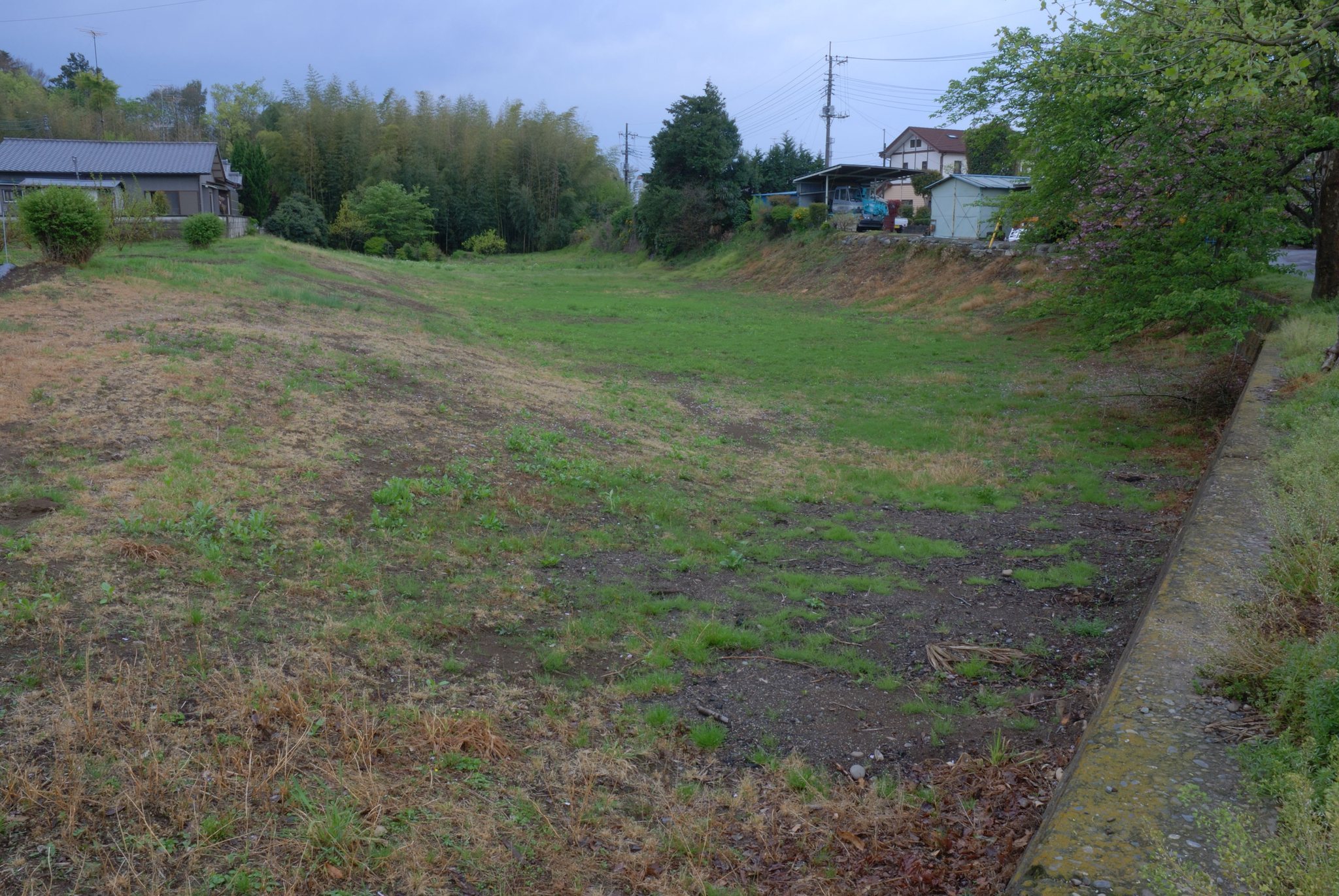
During the Boshin War in 1868, a faction supporting the shogunate occupied the castle. New government forces attacked it, many buildings burned, and the castle fell before being abandoned. The site became a municipal historic site on September 1, 1964. It was later developed as a park and residential area, causing the loss of many original features, although parts of the moat remain.
Remains
Yuki Castle occupied the northeastern end of a plateau. The Tagawa River flowed to the north, while deep paddy fields extended from the eastern side. The castle had no keep and was organized around four major enclosures, or defended internal areas: the Main Enclosure at the northeastern end, the West Enclosure to its west, the Central Enclosure to the south, and the East Enclosure farther south.
Enclosures and moats
Castle enclosures
Deep moats separated the principal enclosures. The moats were generally straight and regular in plan, while the dry moat around the Central Enclosure included angled sections. This arrangement divided the plateau into distinct defended areas and formed the main spatial structure of the castle.
Surviving earthworks and water defenses
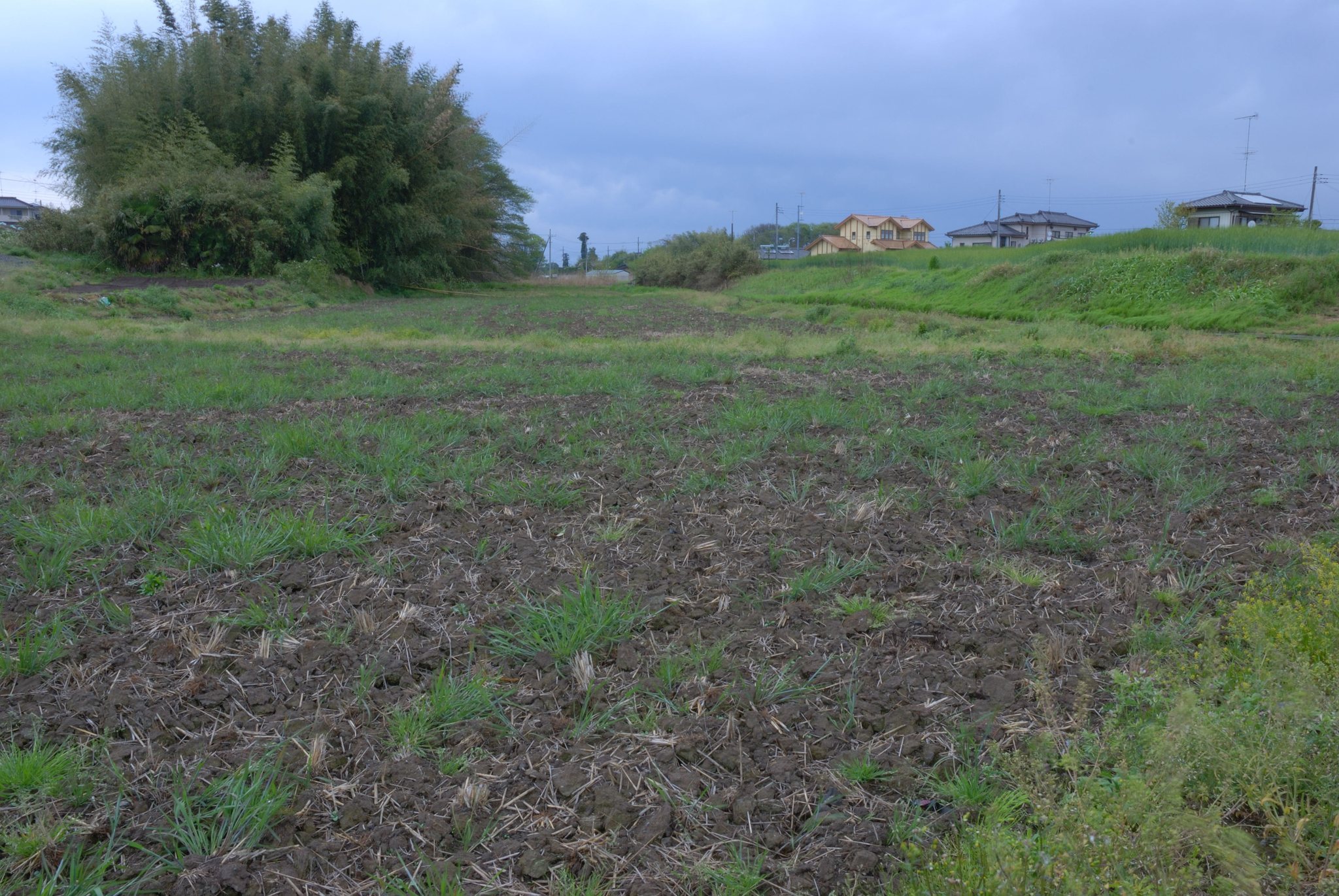
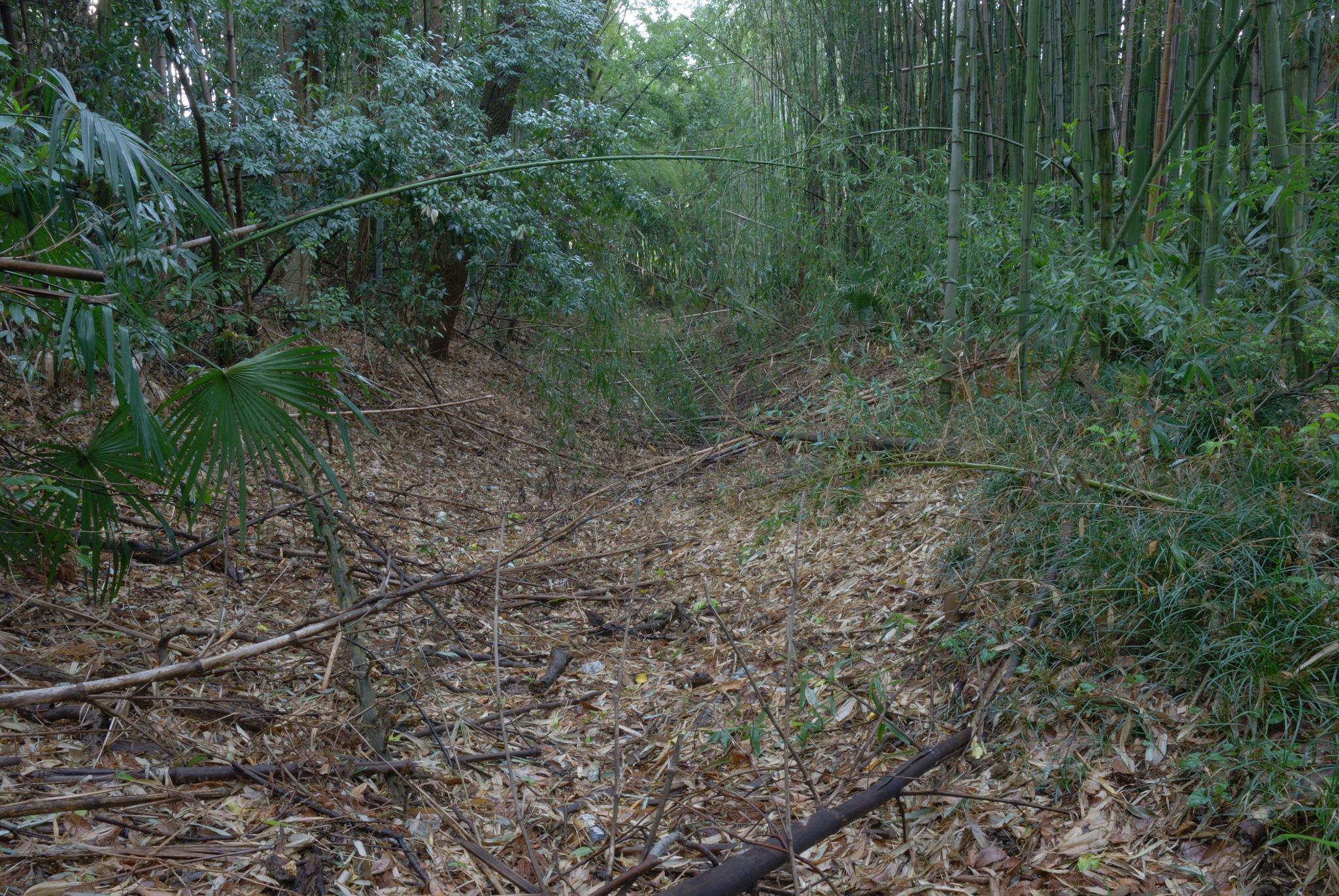
Moats following former channels of the Tagawa were constructed along the western and southern sides, separating the castle from the rest of the plateau. Many moats between the enclosures have disappeared. A dry moat survives west and south of the Main Enclosure and in the southwestern part of the Central Enclosure. Traces of water-filled moats extend from the eastern side of the Central Enclosure toward the western side of the West Enclosure, and from the southern side of the East Enclosure toward the east.
Relocated castle buildings
Yuki Palace
After the castle was demolished, its palace was transferred to Shoganji Temple in Konosu, Saitama Prefecture, where it became known as the Yuki Palace. The building was divided into a large suite of 114 tatami mats and a smaller suite of 96 mats. The larger room was called the Gold Room and also served as the shogun’s reception room when the shogun visited. A statue of Tokugawa Ieyasu stood there. The smaller Silver Room contained Hideyasu’s principal Buddhist devotional image, known as the Black Honzon.
Transferred castle components
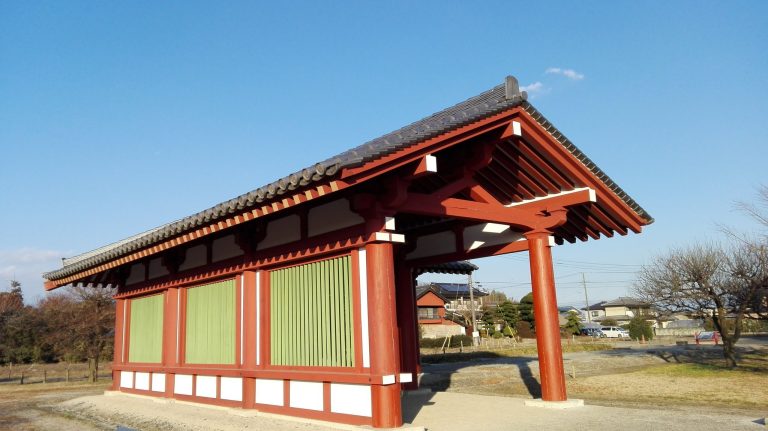
Other elements moved to Shoganji included a corner turret, a kitchen, a drum turret, a three-line earthen wall, and a marker where riders dismounted. These components are preserved away from the original castle site, while the surviving physical remains at Yuki consist chiefly of the enclosure layout and portions of its moats.