Ōtorizuka Kofun: A Fifth-Century Keyhole Burial Mound in Japan
Site at a Glance
- Rating
- 3.8
- Popularity
- Very Low
- Country
- Japan
- Primary era
- Classical
- External website
- Open
- Eras represented
- Classical
- Civilizations
- Yamato
- Site type
- Burial
- Remains
- Burial Mound
On this page6 sections
History
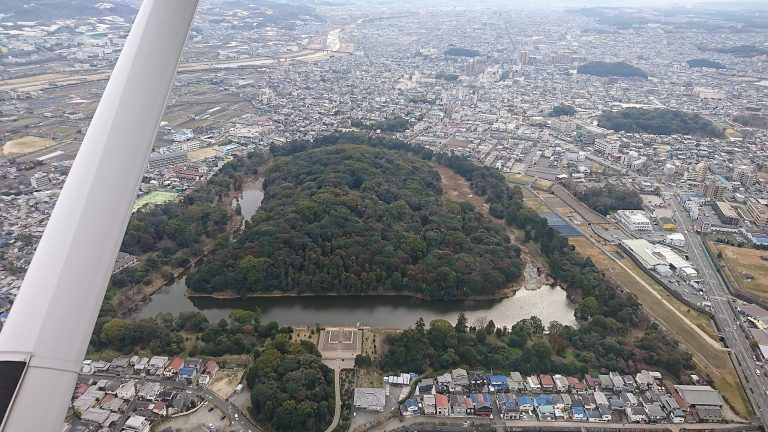
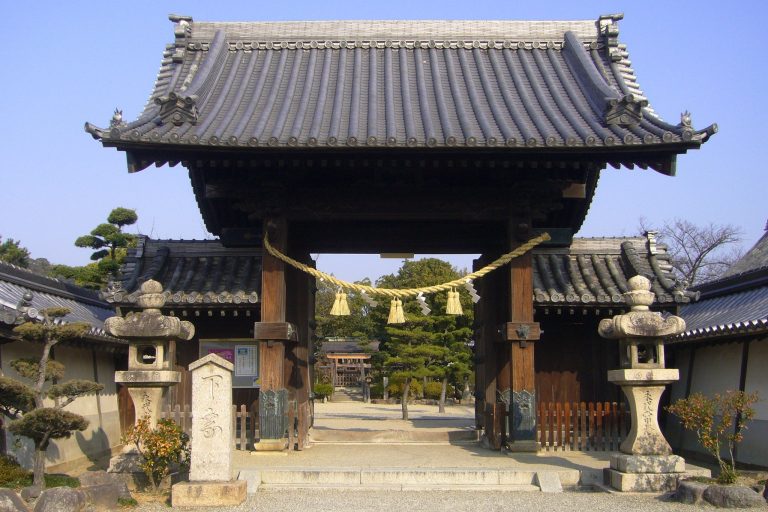
Ōtorizuka Kofun is a large burial mound in Japan, located at Fujiidera in Osaka and built in the early fifth century during the middle Kofun period. A kofun is a monumental Japanese burial mound associated especially with the period from roughly the third through the seventh centuries. Ōtorizuka formed part of the Furuichi Kofun Group on the Kokufu Plateau and is considered contemporary with Nakatsuyama Kofun, a royal tomb in the same group.
The mound belongs to a class of large keyhole-shaped tombs built below the enormous royal tombs. A keyhole-shaped kofun combines a circular rear section with a projecting rectangular front section. Ōtorizuka’s scale is interpreted as evidence of the political hierarchy of the Yamato polity, an early political authority that developed in the Japanese archipelago during the Kofun period and is associated with the emergence of the Japanese imperial lineage. A square mound called Sekimenyama Kofun lies to the north and is regarded as a possible satellite mound, meaning a smaller burial mound constructed in association with a larger principal tomb. It is considered contemporary with Ōtorizuka.
Investigation and heritage status
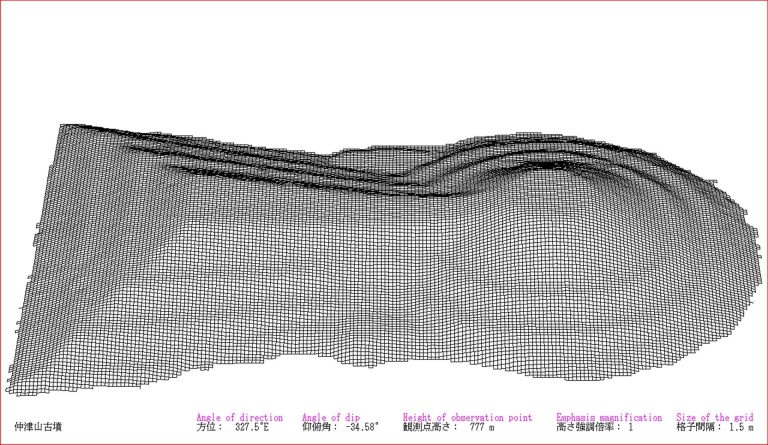
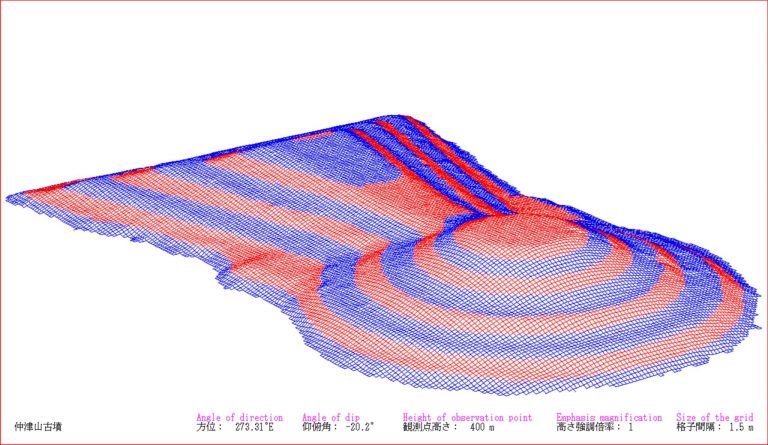
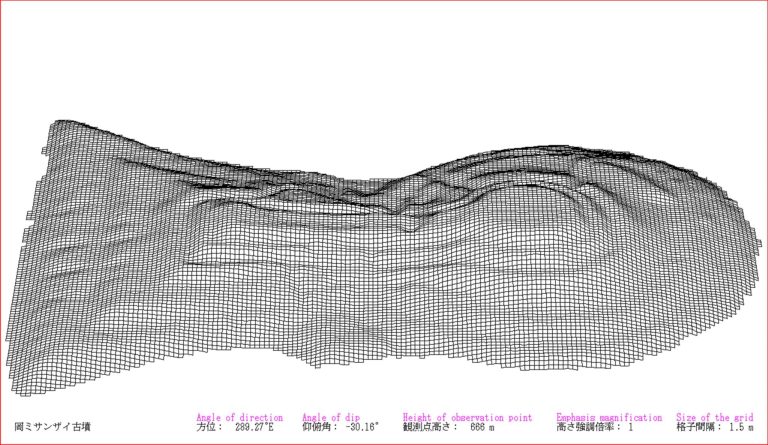
Fujiidera municipal investigations and surveys took place in 1981, 1984, 1987, 1990, and 2000. The work included investigations connected with planned waterway improvements, drainage-pipe installation, the presumed outer embankment of the rear circular section, and the southwestern corner of the front section. An aerial laser survey was produced in 2015.
Ōtorizuka was designated a National Historic Site in 1956 as part of the Komuroyama Kofun Group. In 2001, the designation was reorganized and renamed the Furuichi Kofun Group, which is also recognized as a World Cultural Heritage property.
Remains
Ōtorizuka mound
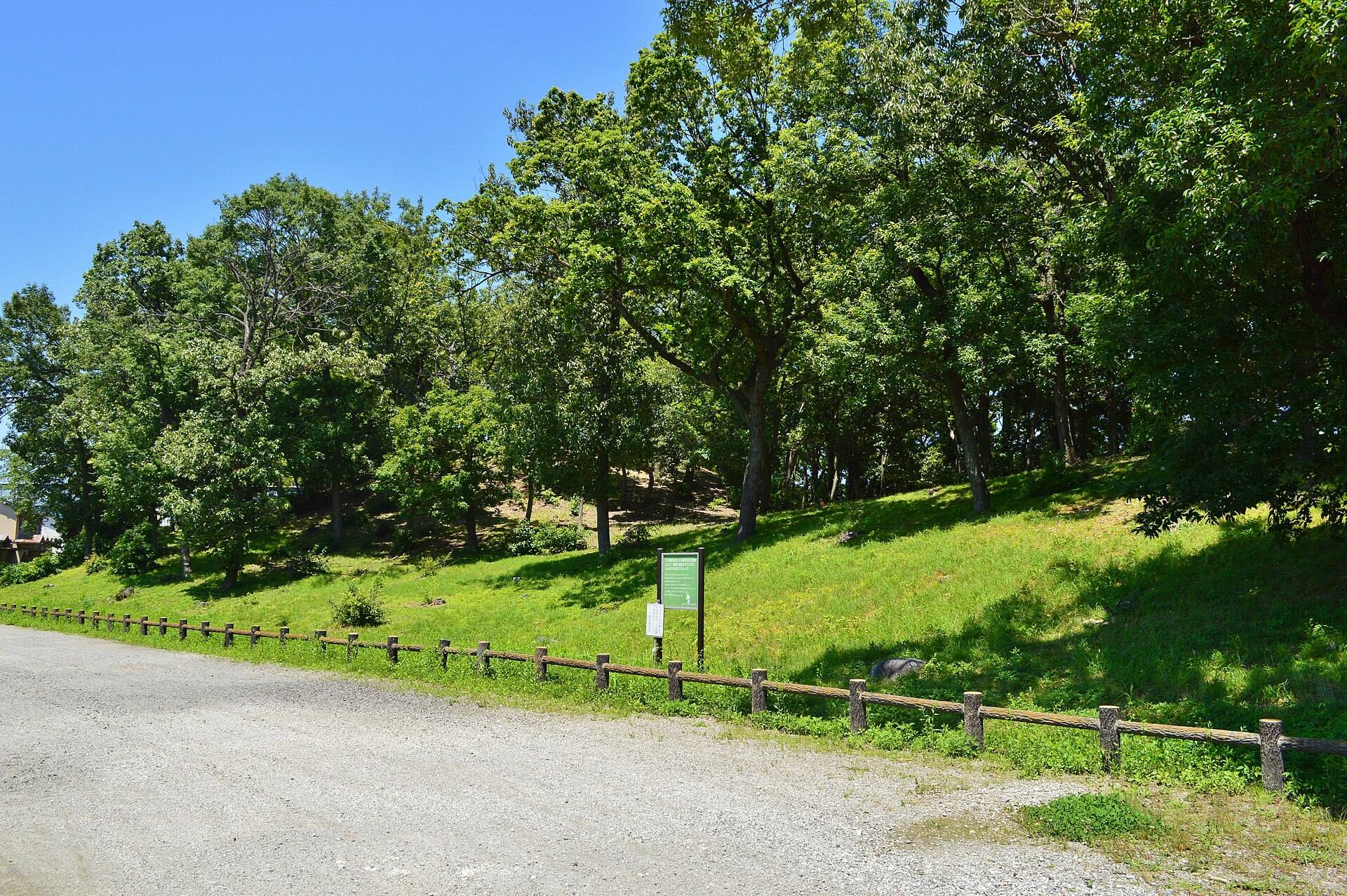
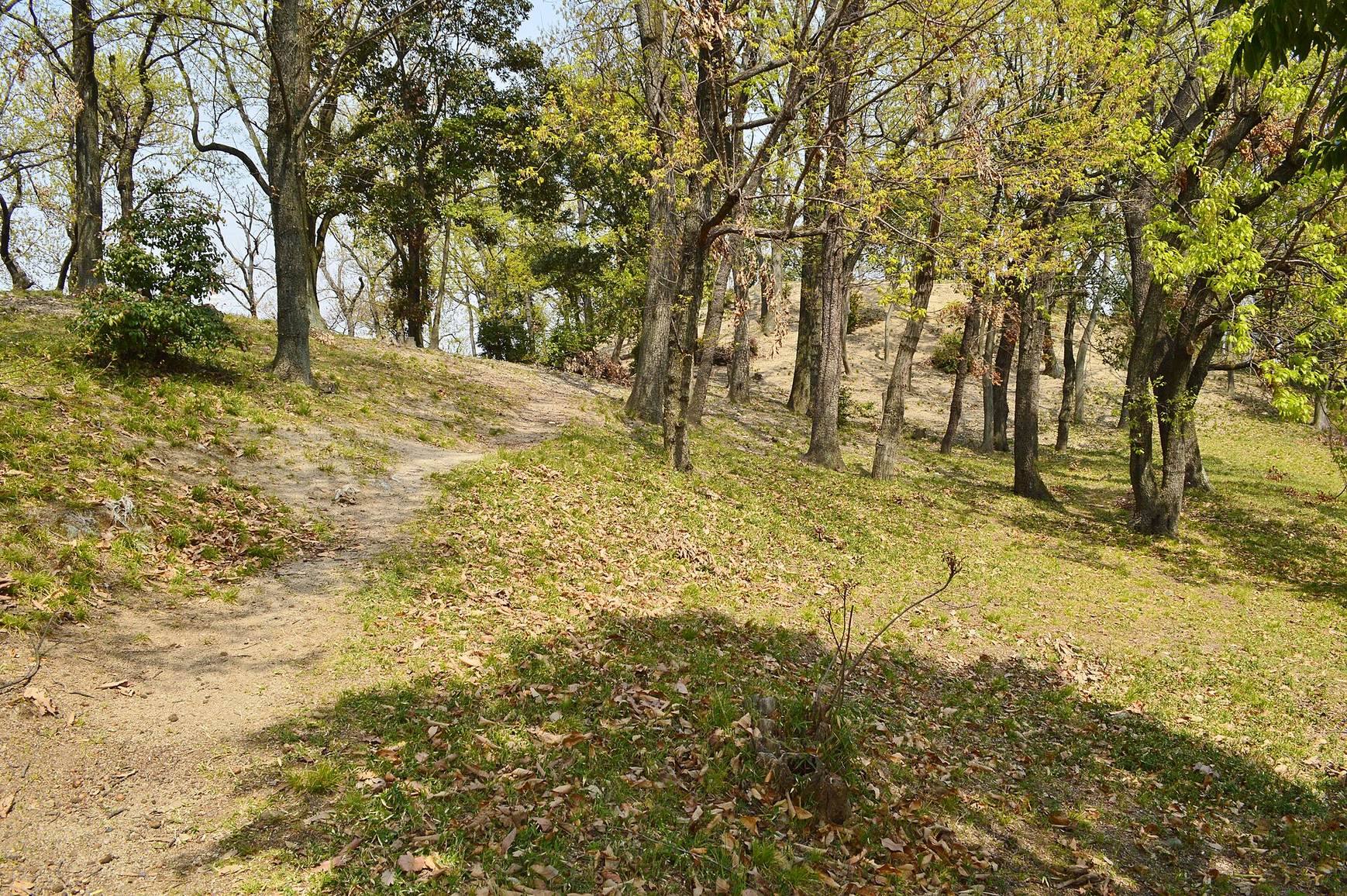
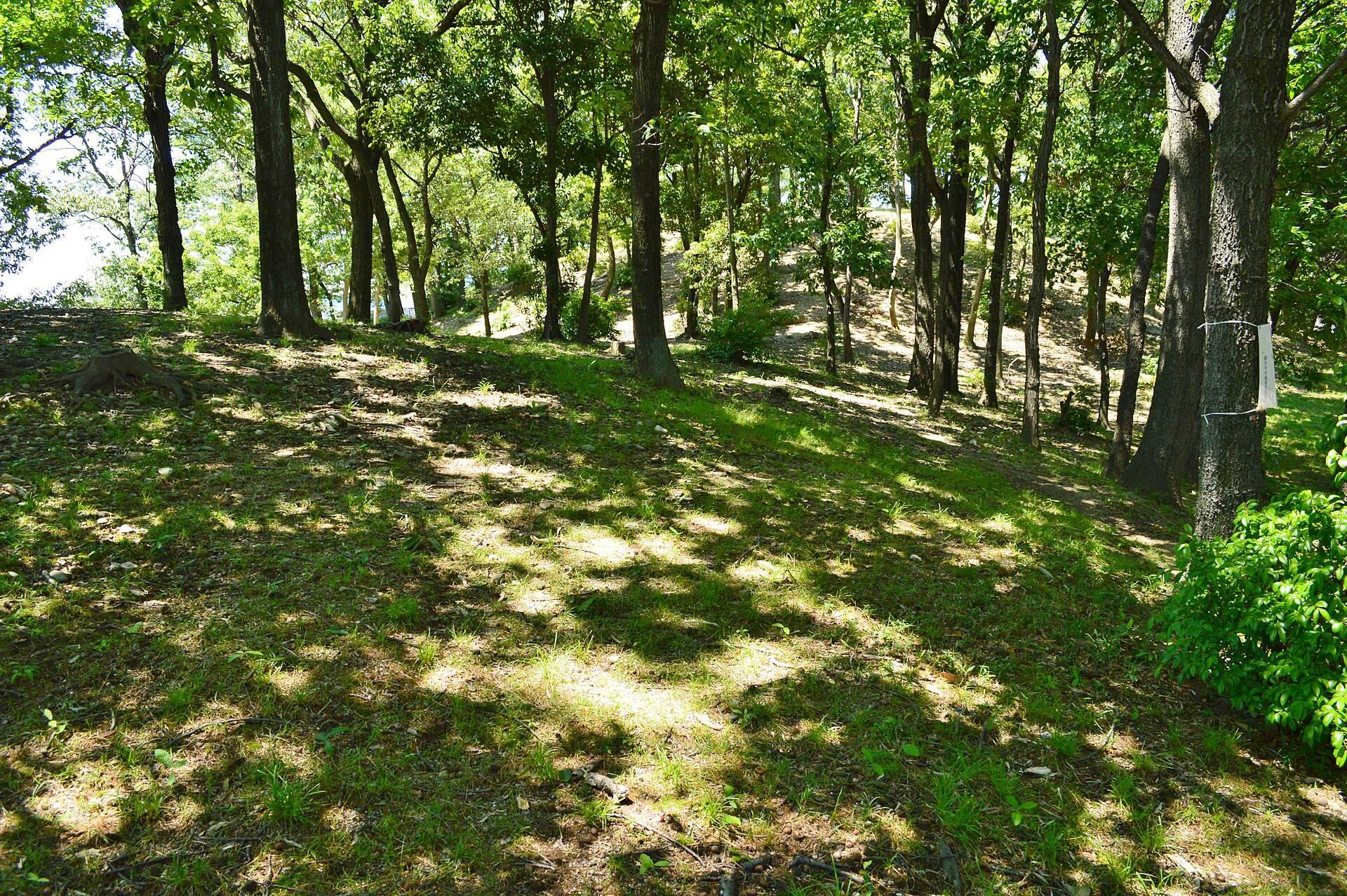
Ōtorizuka is approximately 110 metres long, with its front section pointing south. The rear circular section rises about 12 metres and was built in three tiers, while the front section has two tiers. Stone-facing covers the mound surface, which also carries rows of cylindrical haniwa, clay objects placed on or around burial mounds. Figurative haniwa represent houses, umbrellas, shields, quivers, and helmets. Projecting platforms stand on both sides of the junction between the front and rear sections.
A horseshoe-shaped moat surrounded the mound. It was an empty moat rather than a water-filled one, and it is now preserved beneath the ground. The surviving evidence includes the mound’s tiered form, surface stonework, haniwa arrangements, projecting platforms, and the buried moat.
Burial evidence
The burial facility has not been established. A depression at the summit of the rear circular section suggests that the mound was looted, although no stone materials have been identified. A clay burial chamber or the direct burial of a wooden coffin has traditionally been proposed.
The burial goods associated with Ōtorizuka remain uncertain. Two bronze mirrors and iron weapons or swords are traditionally attributed to the mound. One mirror said to have been recovered there is held by the Archives and Mausolea Department of the Imperial Household Agency, while the whereabouts of the other is unknown. Sword and other blade objects are said to have been donated by a former owner to a museum in Tokyo.
Sekimenyama Kofun
Sekimenyama Kofun lies north of Ōtorizuka and is considered a possible satellite mound. It is square, measuring approximately 15 metres on each side. Its burial facility and other details are unknown.