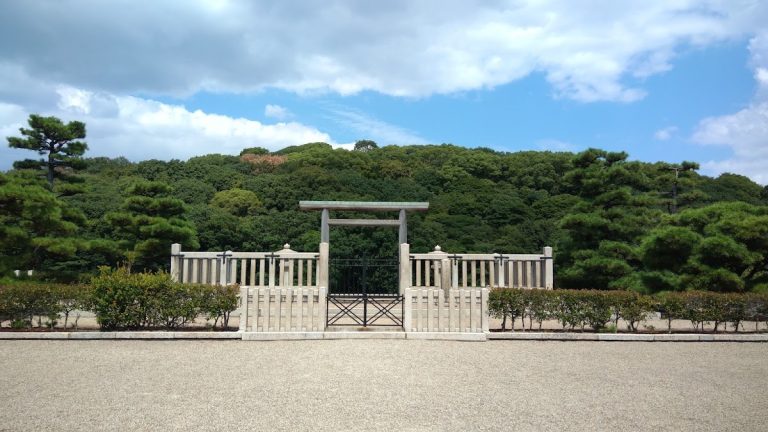
Dōgameyama Kofun: A Fifth-Century Satellite Mound in Sakai, Japan
Site at a Glance
- Rating
- 3.5
- Popularity
- Very Low
- Country
- Japan
- Primary era
- Classical
- External website
- Open
- Eras represented
- Classical
- Civilizations
- Yamato
- Site type
- Burial
- Remains
- Burial Mound
On this page6 sections
History
Dōgameyama Kofun is an ancient Japanese burial mound in Sakai, Osaka, Japan, generally dated to the fifth century and associated with Daisenryo Kofun, the traditional mausoleum of Emperor Nintoku. It formed part of the Mozu Kofun Group, a concentration of large burial mounds, and is regarded as a satellite mound, meaning a subsidiary mound linked to a larger principal tomb.
Construction and Association with Daisenryo Kofun
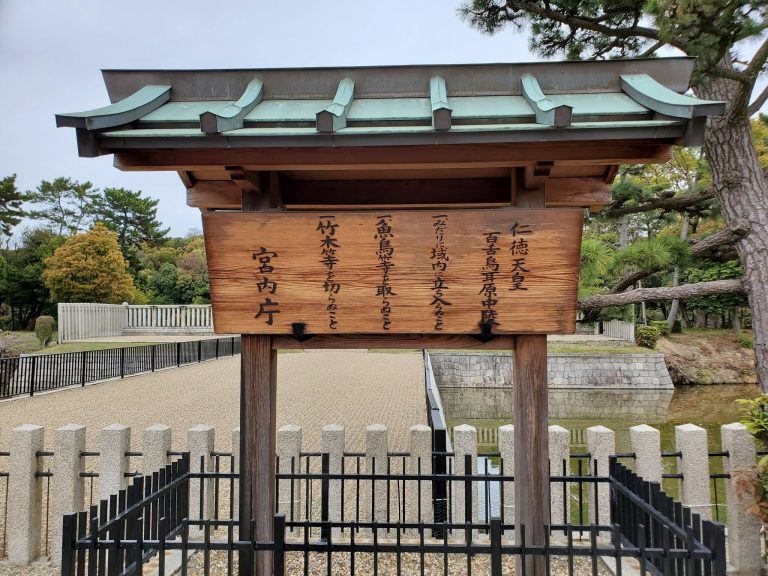
The mound was probably completed during the final construction stage of Daisenryo Kofun, likely around the middle of the fifth century. This dating is supported by cylindrical haniwa, clay objects placed on or around burial mounds, recovered from a ditch-like feature beside the mound. The site lies under the management of the Imperial Household Agency, the Japanese government institution responsible for the imperial household and imperial mausolea, as a detached area associated with Emperor Nintoku’s mausoleum.
Changing Interpretations
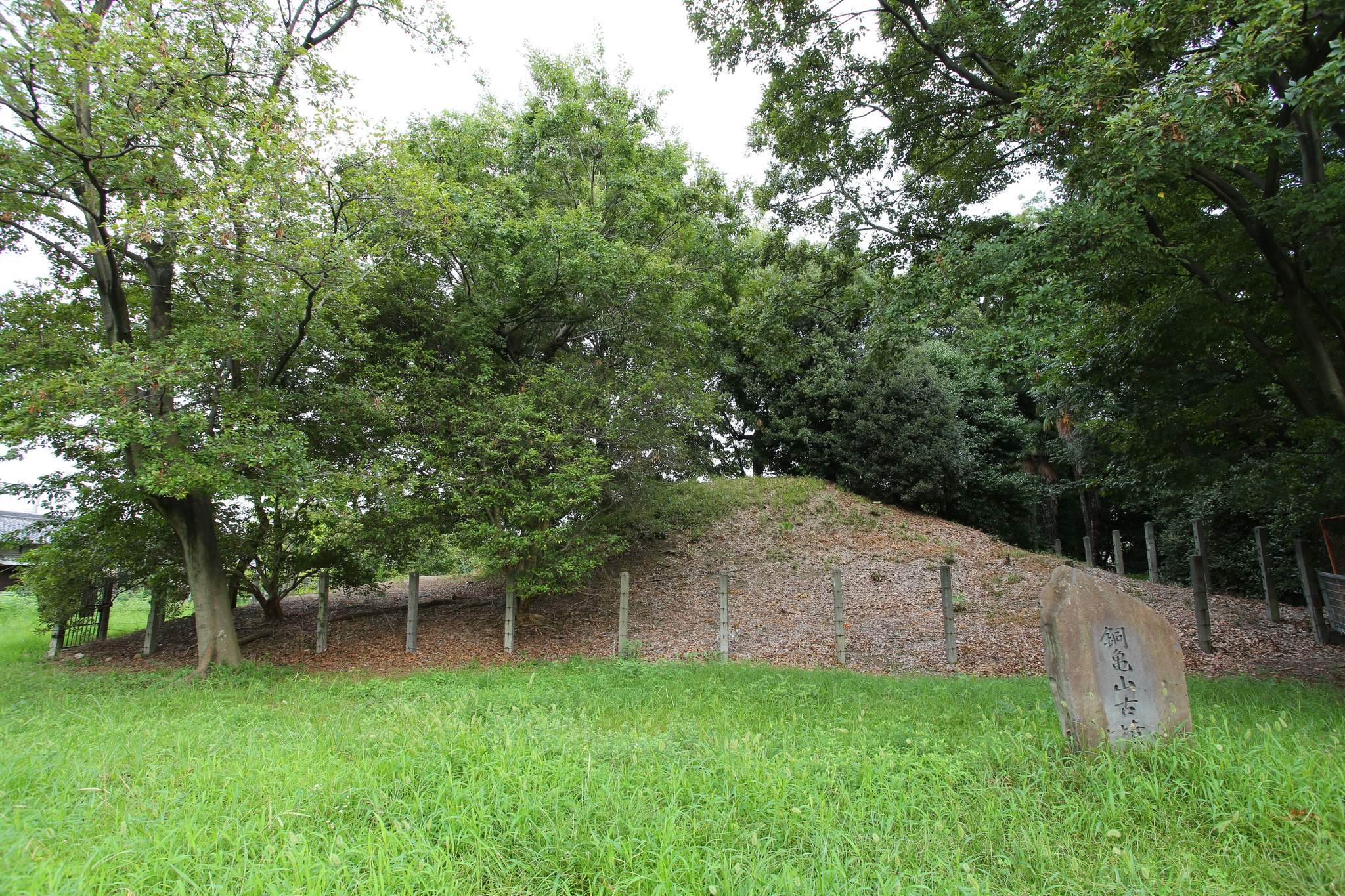
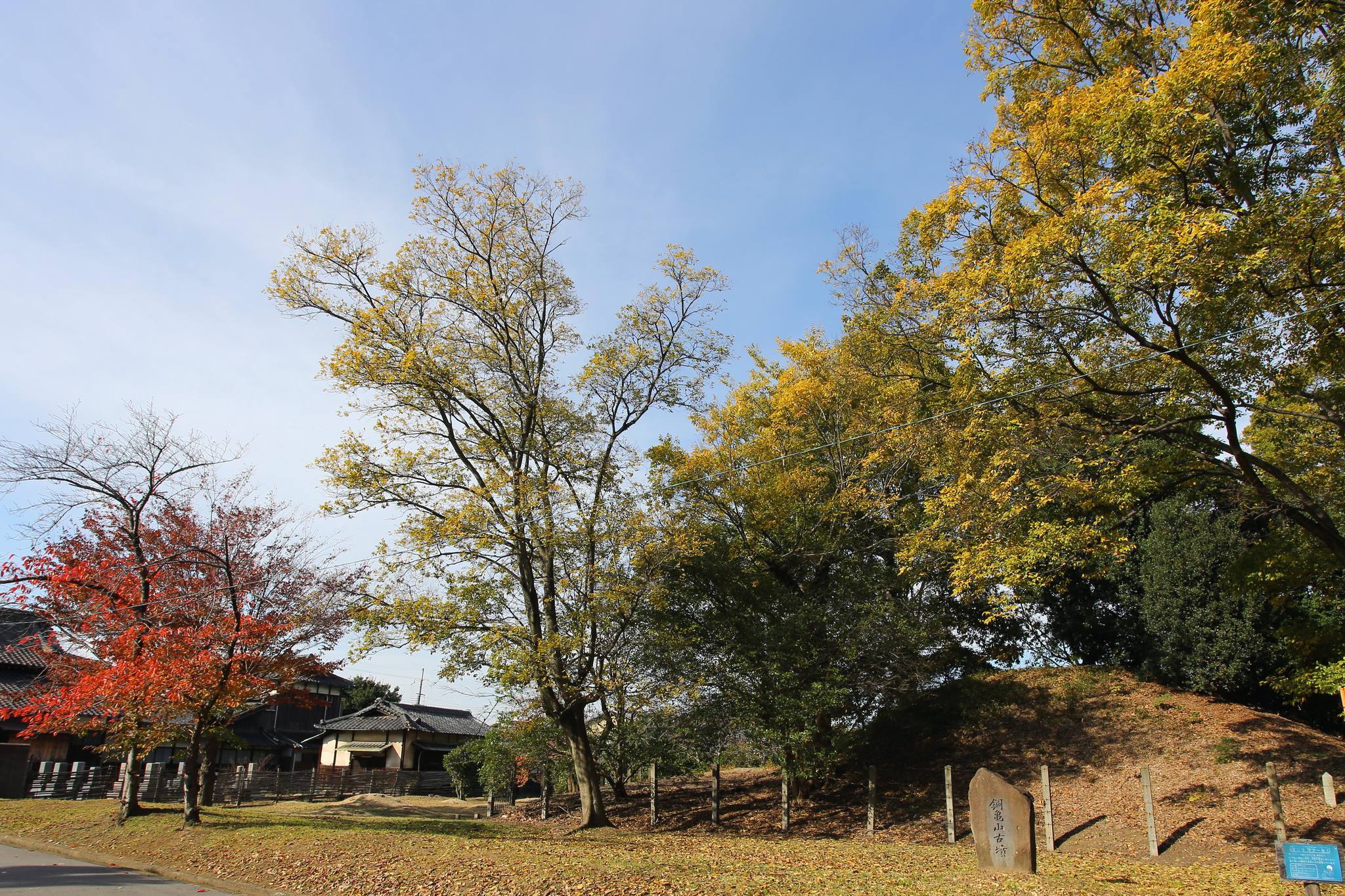
Dōgameyama Kofun has traditionally been classified as a square, two-tiered mound. Excavation in 2011 raised doubts about that interpretation, however, and suggested that its original form may instead have been keyhole-shaped, scallop-shell-shaped, or square-fronted. Its construction date and exact outline consequently remain partly uncertain.
The mound’s name reflects its two-tiered appearance and a perceived resemblance to a turtle. Local usage also included the name “Dongame,” while historical records preserve other forms, including names shown on a 1730 map and in a geographical work compiled in 1736. On July 6, 2019, Dōgameyama Kofun became part of the Mozu-Furuichi Kofungun: Ancient Japanese Mounded Tombs World Cultural Heritage property.
Remains
Mound and Setting
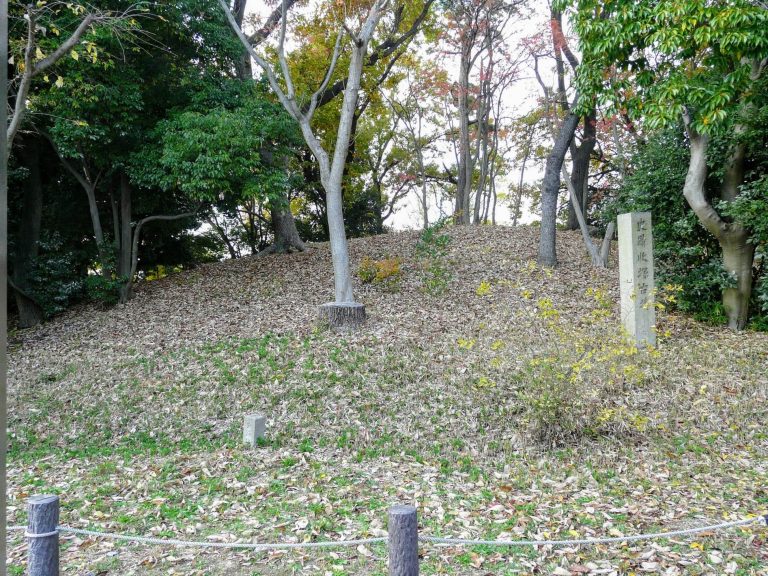
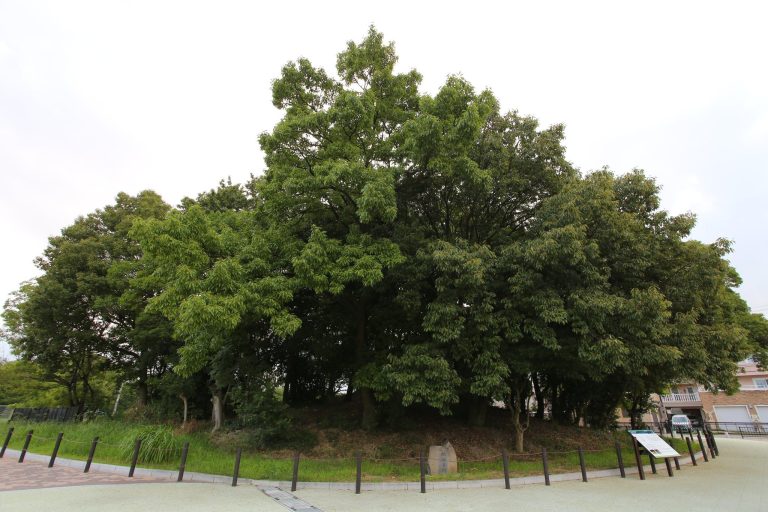
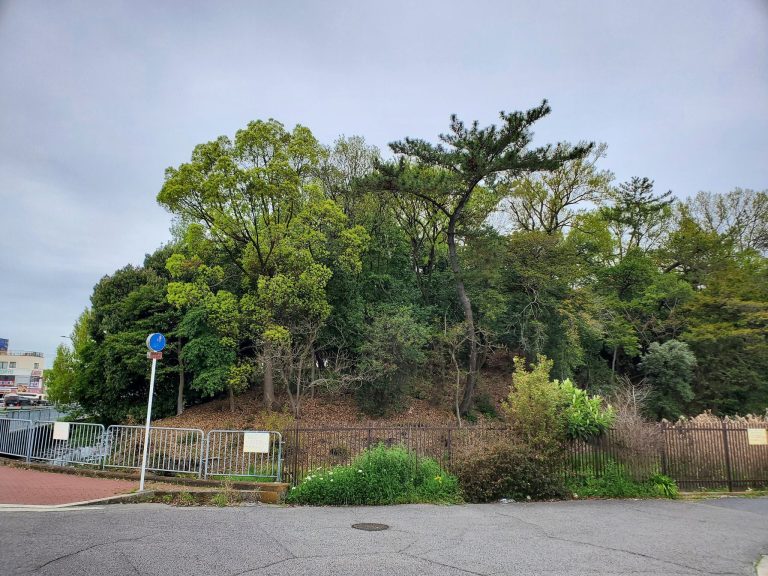
Dōgameyama Kofun is conventionally described as a two-tiered square mound about 5.4 metres high. Its traditionally recorded sides measure 26 metres, although survey drawings indicate that the mound may exceed 40 metres, a scale that would place it among the larger square mounds in the Mozu Kofun Group. It stands about 20 metres from the outer moat at the southwestern corner of Daisenryo Kofun’s front section, with its main axis running parallel to the moat.
The lower tier’s southern side extends outward in a rectangular, platform-like projection. Aerial photographs and mound surveys made in 1928 and 1932 suggest that this side may also have contained a front section and another projecting feature. The presence of a complete surrounding moat, and the precise relationship between Dōgameyama Kofun and Daisenryo Kofun’s outer bank, remain unresolved. A ditch-like feature does lie between the mound and Daisenryo Kofun’s outer moat.
Haniwa and Other Finds
The ditch-like feature produced cylindrical haniwa, and the 2011 investigation also recovered mainly cylindrical examples. The examined haniwa included circular perforations. Other finds comprise trumpet-shaped haniwa, representational haniwa depicting forms such as people or animals, clay figurines, Sue ware, a high-fired ancient Japanese pottery, and clay weights.