Maruhoyama Kofun: A Japanese Burial Mound in Osaka
Site at a Glance
- Country
- Japan
- Primary era
- Classical
- Eras represented
- Classical
- Civilizations
- Yamato
- Site type
- Burial
- Remains
- Burial Mound
On this page6 sections
History
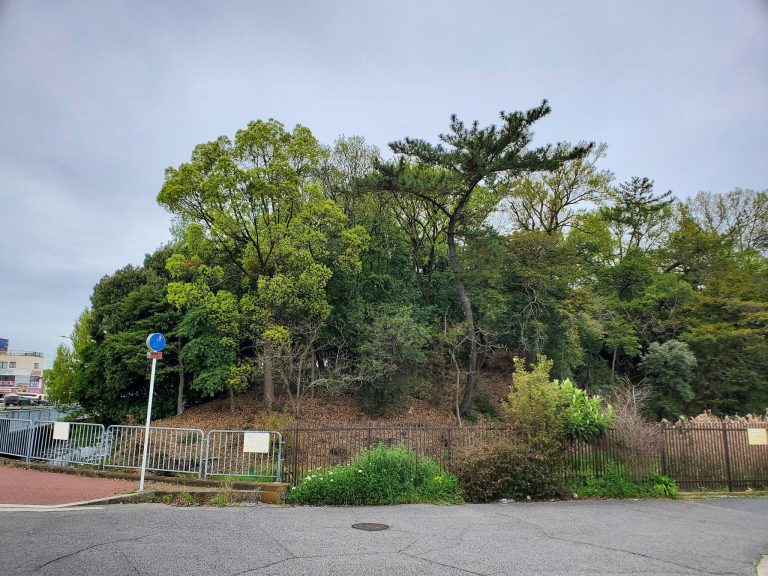
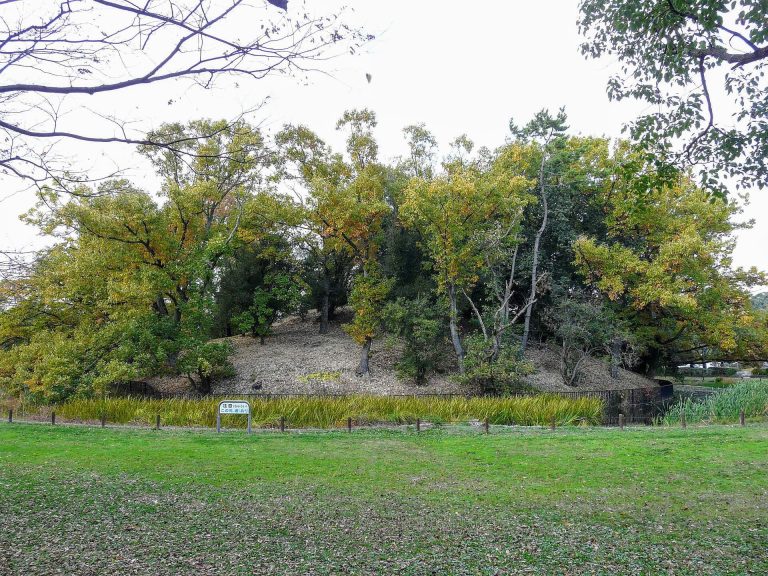
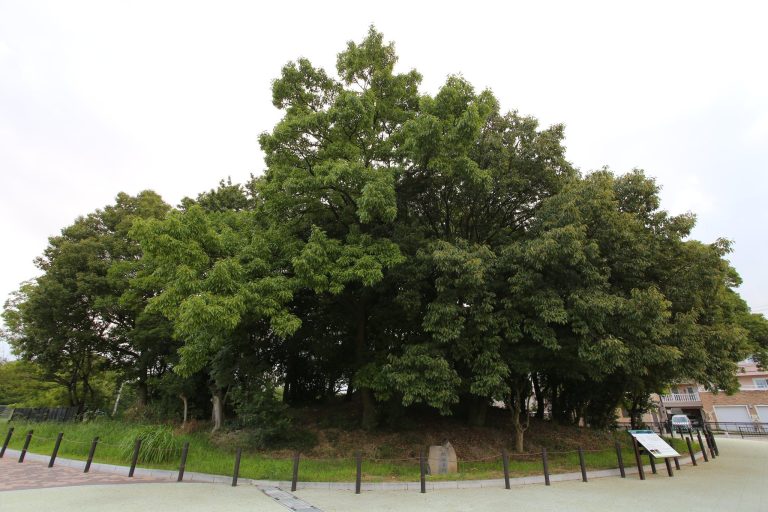
Maruhoyama Kofun is a Japanese burial mound in Osaka, Japan, probably built in the latter half of the fifth century. Its position near the west side of Daisenryo Kofun’s outer moat, together with the alignment of the two mounds’ main axes, supports the view that it may have been a subsidiary mound, or satellite tomb, associated with Daisenryo. Daisenryo is traditionally identified as the tomb of Emperor Nintoku, an early Japanese ruler.
Two other nearby features have also been considered possible subsidiary mounds: circular Komoyamazuka Kofun to the west, and a mound-like rise that once stood to the south. Maruhoyama was designated a National Historic Site in 1972. In 2014 it became part of the expanded Mozu Kofun Group, a cluster of ancient Japanese burial mounds. On July 6, 2019, it was included in the UNESCO World Heritage property Mozu-Furuichi Kofun Group: Mounded Tombs of Ancient Japan.
Remains
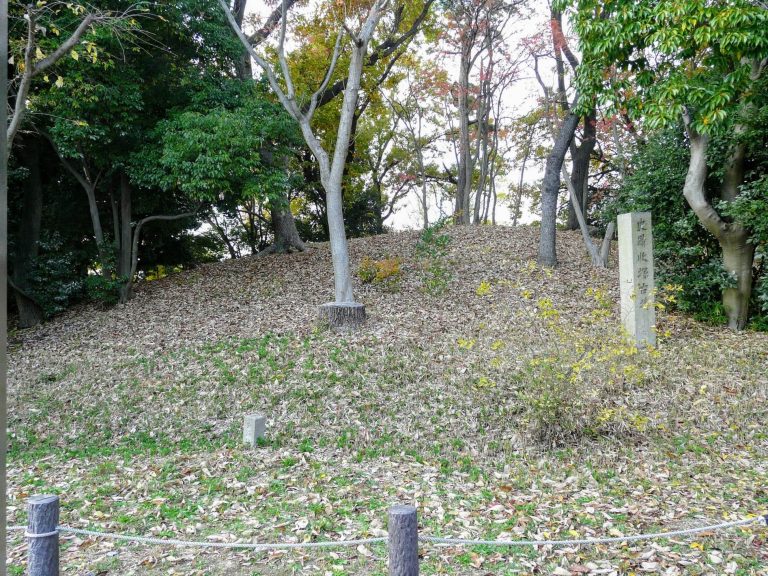
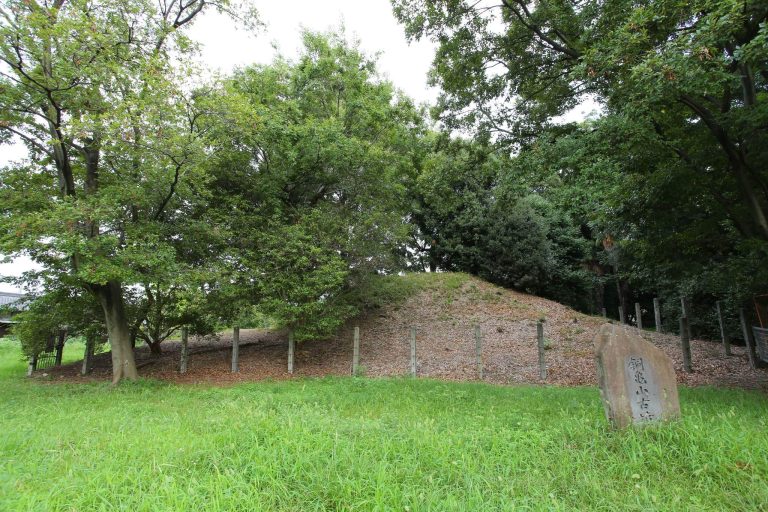
Maruhoyama is an 87 m-long mound with a circular rear section and a short forepart facing south. Its keyhole-shaped plan belongs to the scallop-shell form, which has a relatively short forepart. It is the largest mound of this form in the Mozu Kofun Group.
Mound and Associated Features
Mound
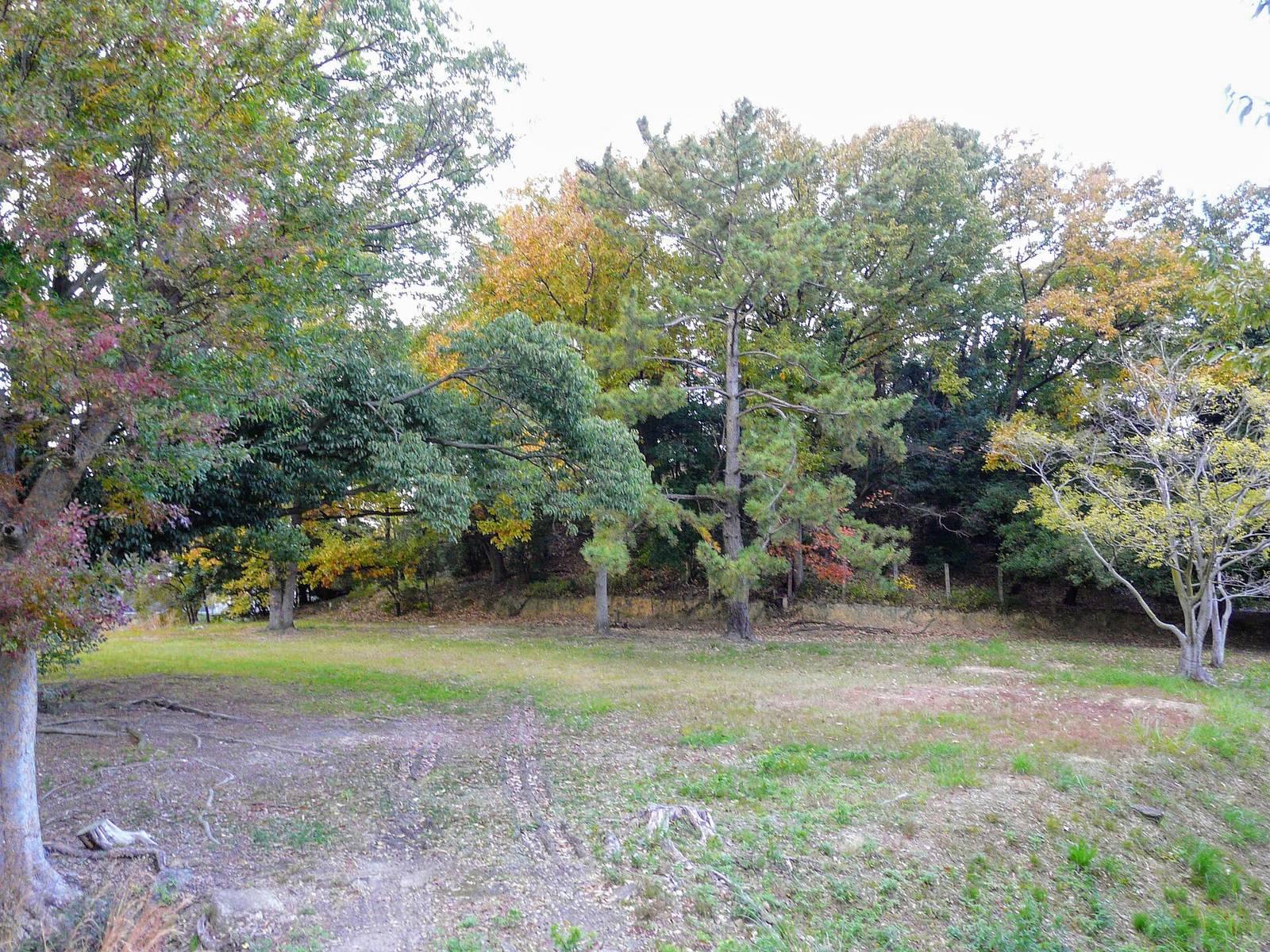
The circular rear section measures 60 m across and rises 9.8 m; it has two tiers. The forepart is 40 m wide and 2.7 m high. Cultivation in 1955 cut down and lowered this section, leaving it substantially lower than the rear.
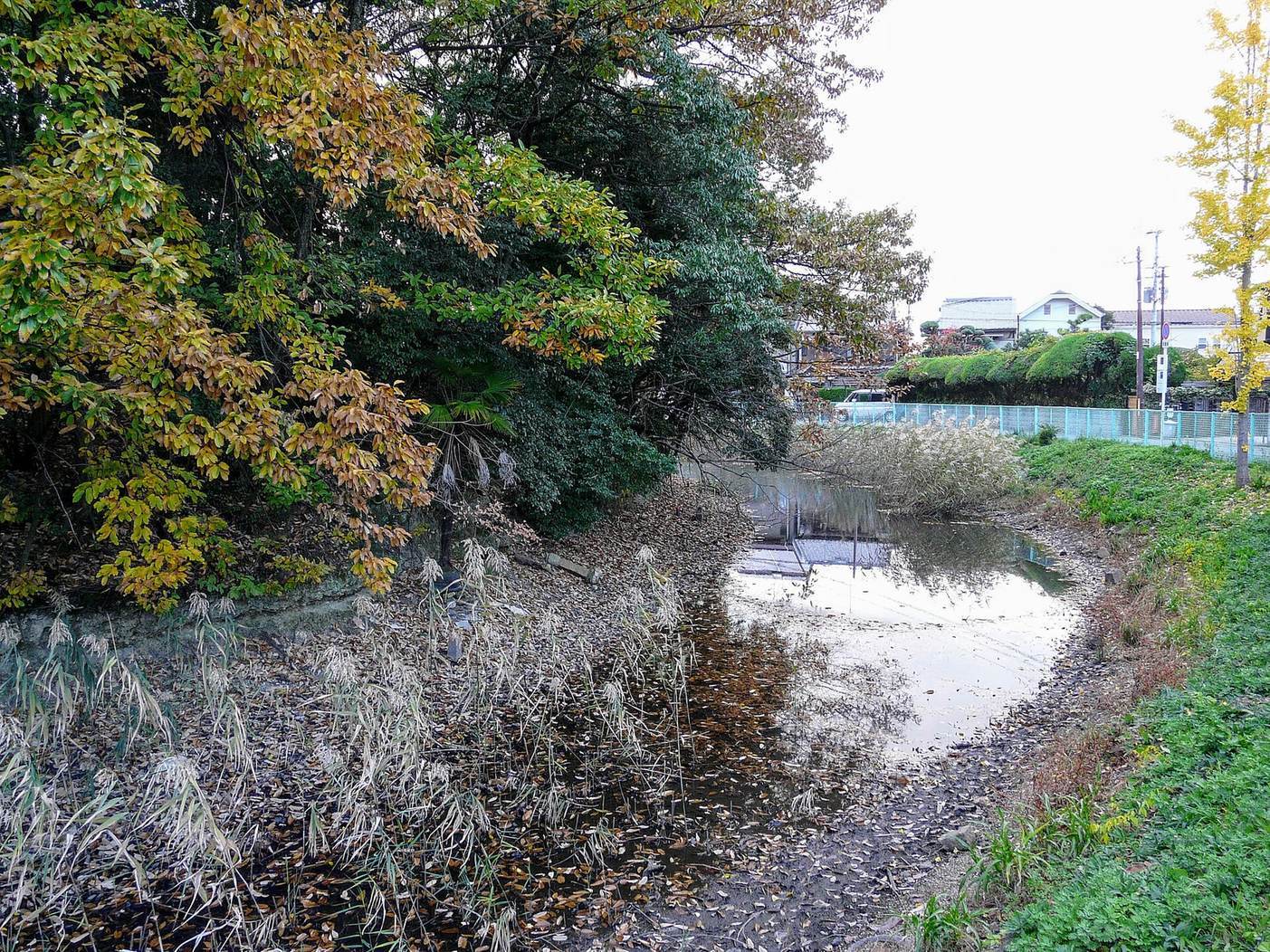
Moat
A moat encircles the mound. The section on the right when viewed from the forepart toward the rear is now dry.
Burial Evidence
Fragments of cylindrical haniwa, clay funerary objects, have been collected at the site. The form of the burial facility and the nature of any grave goods remain unknown.