Monastery of Santa María de Toloño: A Hieronymite Monastery in Álava
Site at a Glance
- Rating
- 4.8
- Popularity
- Low
- Country
- Spain
- Primary era
- Early Modern
- Eras represented
- Early Modern
- Civilizations
- Unclassified
- Site type
- Religious
- Remains
- Monastery
On this page8 sections
History
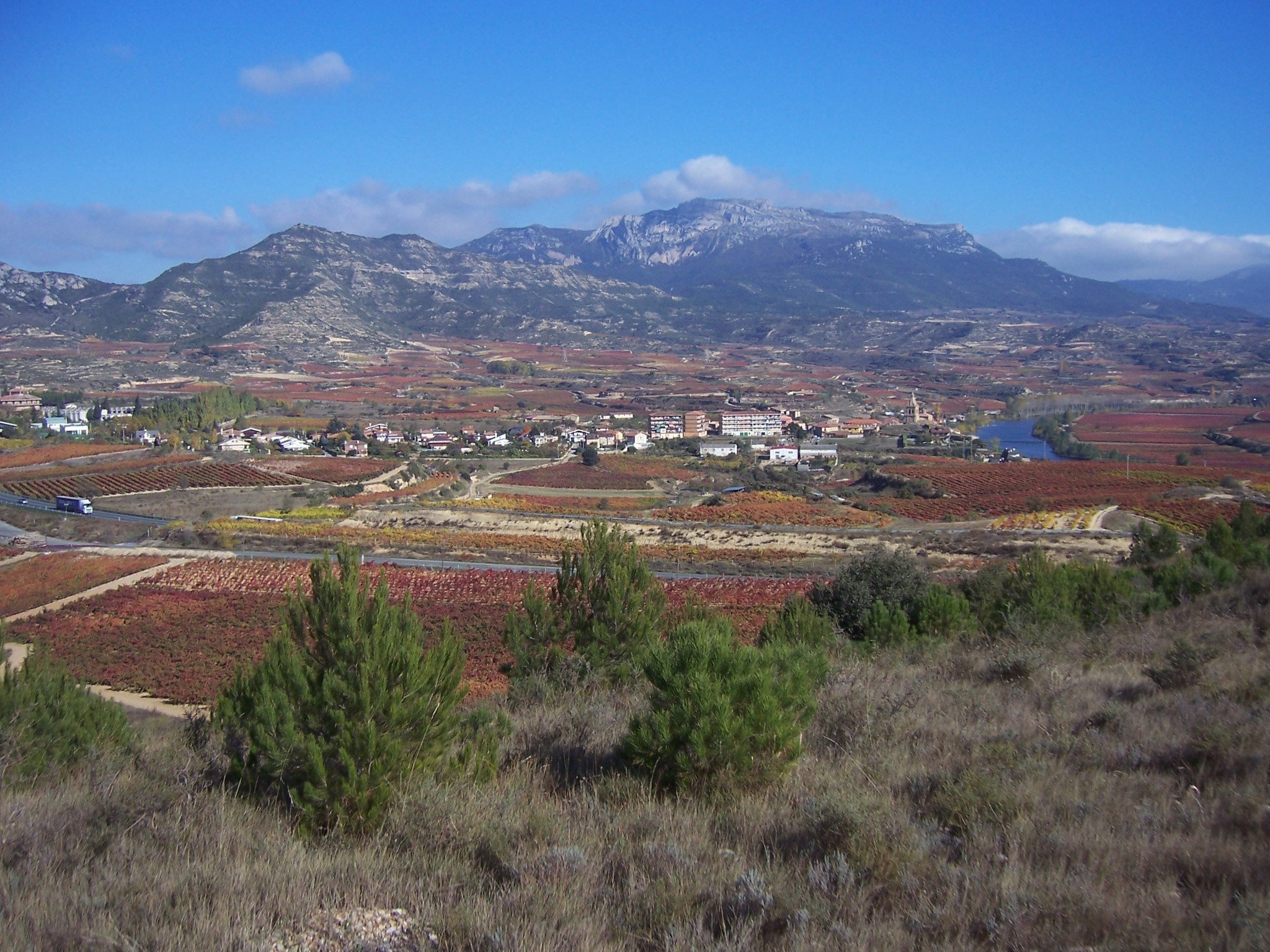
The Monastery of Santa María de Toloño was a Hieronymite monastery in Spain, located near Labastida in Álava, in the Sierra de Toloño. Its construction date is uncertain, but the foundation developed from an earlier hermitage on the summit and became a centre of devotion to the Virgin Mary, attracting pilgrims from Álava and La Rioja.
From hermitage to monastery
Before the monastery existed, several hermits lived at the summit in a life shaped by prayer and penitence. The hermitage belonged to the Diocese of Calahorra, a Roman Catholic ecclesiastical jurisdiction in northern Spain, and was assigned to the Hieronymite monastery of San Miguel del Monte. The arrangement was initially intended to increase San Miguel del Monte’s income.
As the hermitage came to appear capable of supporting its own religious community, papal approval was sought from Benedict XIII. A prior and friars were then established at Santa María de Toloño, although the precise date of this change is not known. The monastery was also associated with the title Our Lady of the Angels.
Hieronymite administration and decline
Around 1403, the monks of San Miguel del Monte assumed custody of the hermitage of Santa María de Ariceta, also called Aritzeta. A papal bull issued in 1410 transferred the effective functions of the monastery there, while San Miguel del Monte became a farm and retreat. Construction of the new Monastery of Santa María de la Estrella at Aritzeta began in 1419, and Toloño continued within that institutional connection.
The exposed location made life at Toloño difficult. The Hieronymite order barred the monks from begging and did not permit them to accept novices. As a result, the community lacked the resources needed to sustain its religious observances, customary practices, and farming activity. In 1417, the order’s visiting officials found conditions especially poor and decided to disperse the residents among other Hieronymite houses.
In 1422, the order gave up its possessions at Toloño and transferred them, along with the Erremelluri farm, to Diego López de Zúñiga, bishop of Calahorra. The bishop appointed Martín Fernández Bastida as chaplain. After the Hieronymites left, a brotherhood known as the Divisa was formed by Peñacerrada, Labastida, Salinillas de Buradón, Ocio, Berganzo, and the County of Treviño. It took responsibility for governing and administering the monastery.
Pilgrimage and destruction
Toloño was linked to reports of the Virgin’s miraculous appearance and miracles. Haro organized pilgrimages there for many years. In 1467, its town council regulated attendance and offerings because Navarrese troops were nearby. In 1486, the council paid to transport the torches of the San Sebastián brotherhood, and in 1505 it recorded a bread offering made during a procession.
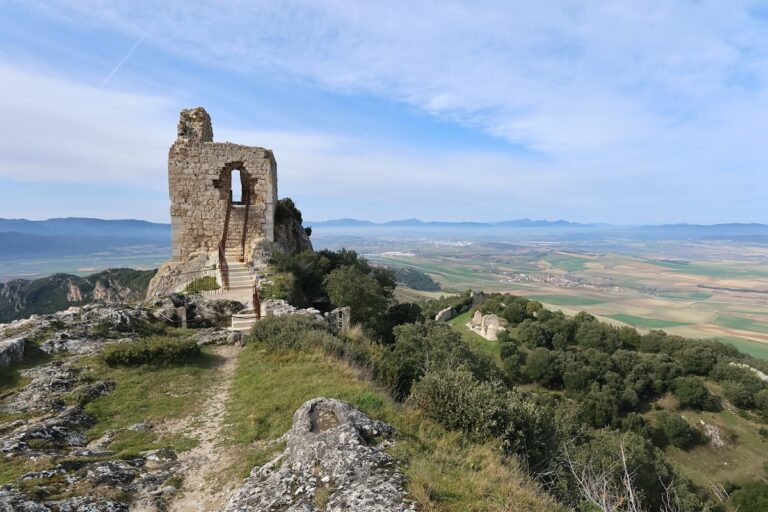
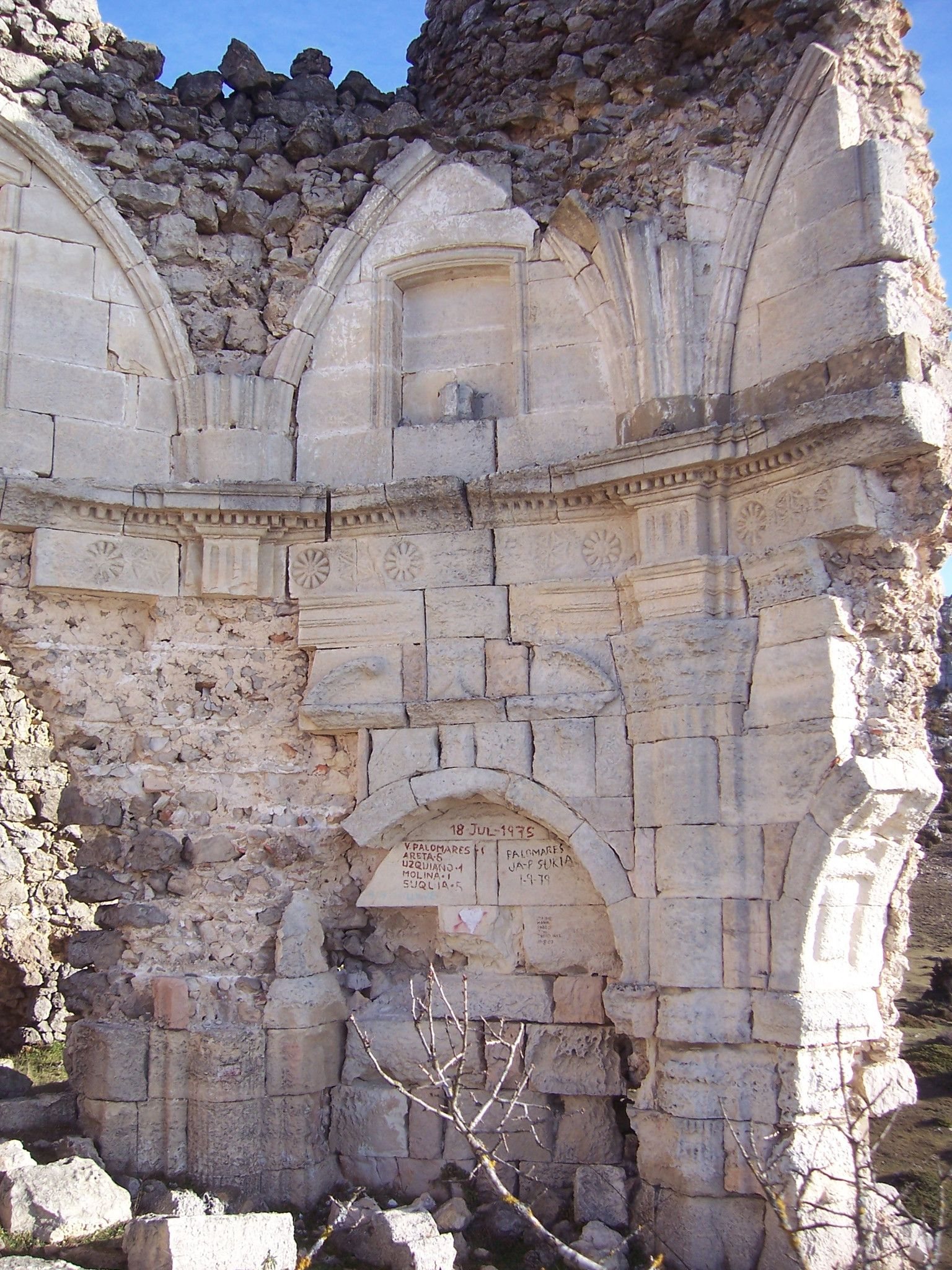
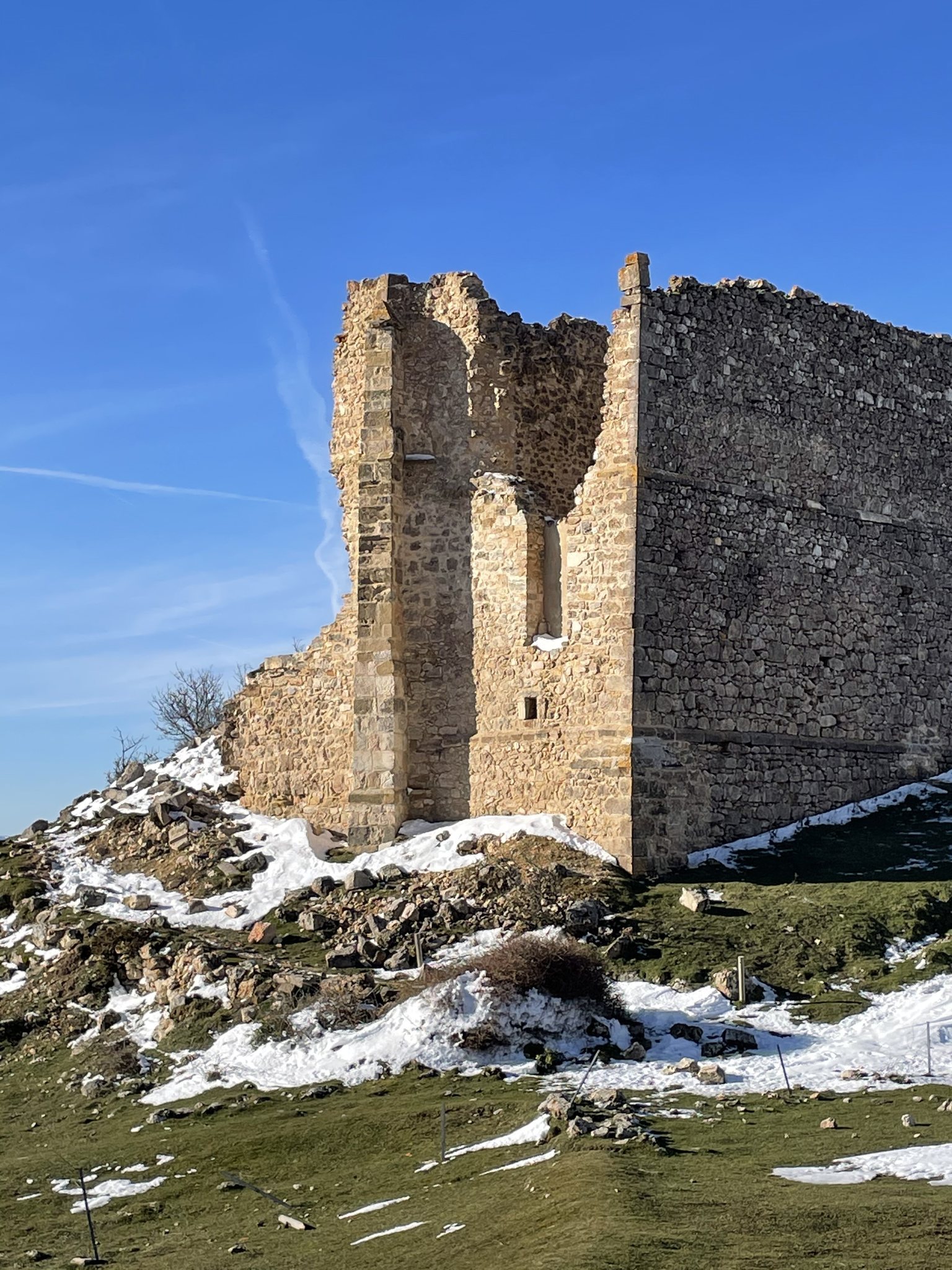
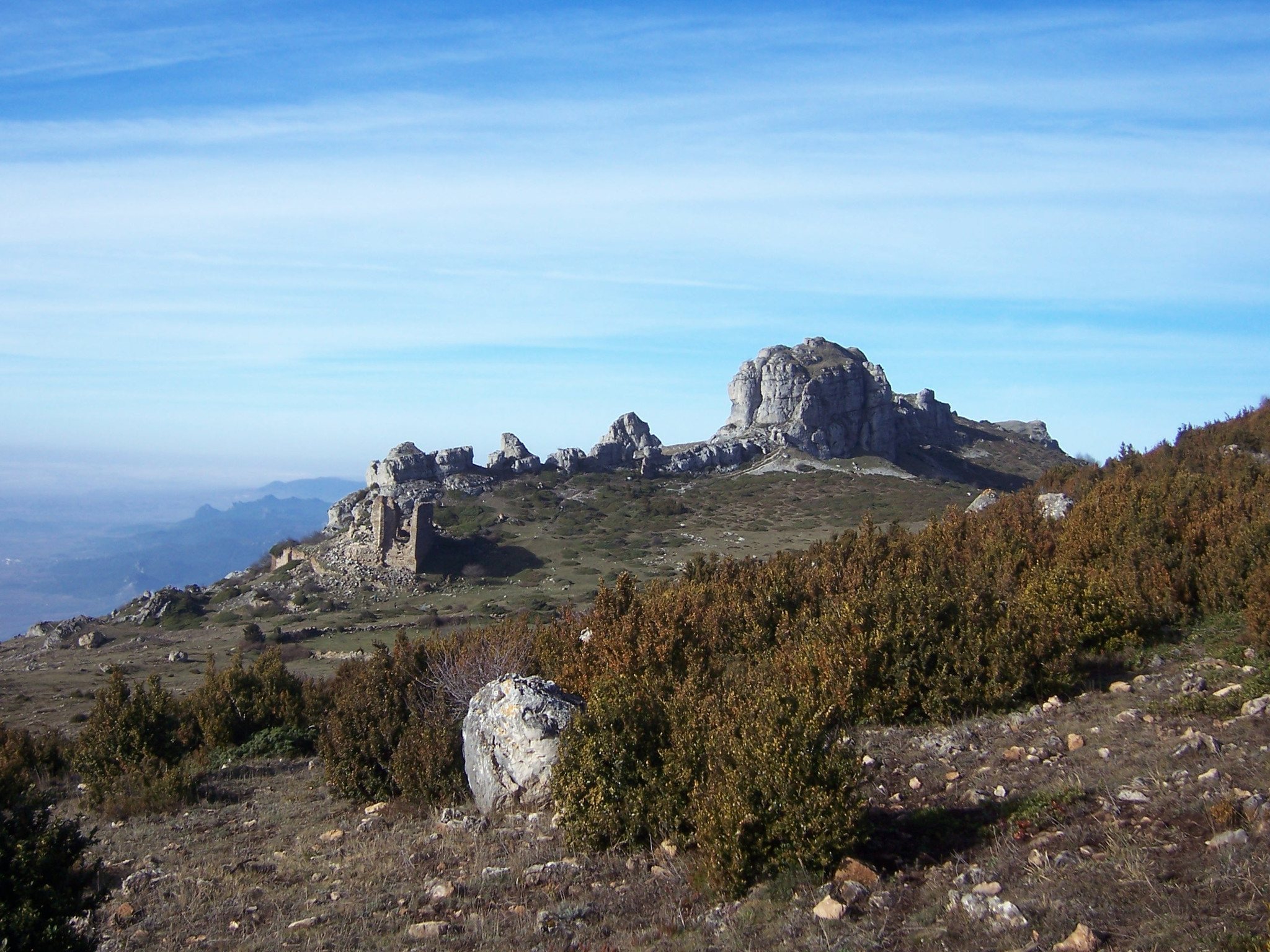
The monastery was destroyed by fire in 1835 during the First Carlist War, a Spanish civil war fought from 1833 to 1840 over the succession to the throne and the country’s political order. A small amount of the complex survived. In 2011, the ruined monastery was placed on the Spanish Red List of Heritage at Risk, an inventory of threatened or vulnerable cultural sites.
Remains
The sanctuary stood in a meadow at about 1,201 metres above sea level in the Sierra de Toloño. The complex included a church, a chamber known as a camarín, where a revered religious image could be housed or approached near the main altar, and a sacristy. The buildings were described as sumptuous, and their principal altarpiece, two side altarpieces, and the altarpiece of the camarín were made from high-quality white stone.
Religious buildings
Church and chapels
The church formed the principal worship space of the sanctuary and was accompanied by a sacristy and the camarín. The fire of 1835 left sections of wall and part of a Baroque chapel. These surviving elements represent the remaining fabric of a complex whose religious interiors included the principal altar, two lateral altars, and the altar associated with the camarín.
Guesthouse and community rooms
The guesthouse contained 22 rooms and five kitchens. Its accommodation included separate rooms for the chaplain, two hermits, and a servant. A meeting room large enough for the Divisa was also part of the complex, reflecting the brotherhood’s later responsibility for the monastery’s administration.