Kloster Saarn: A Former Cistercian Women’s Abbey in Germany
Site at a Glance
- Rating
- 4.4
- Popularity
- Low
- Country
- Germany
- Primary era
- Medieval
- External website
- Open
- Eras represented
- Medieval, Modern
- Civilizations
- Duchy of Berg, Holy Roman Empire
- Site type
- Religious
- Remains
- Monastery
On this page12 sections
History
Kloster Saarn is a former Cistercian women’s abbey in Mülheim an der Ruhr, Germany, founded around 1200 and developed in the medieval period. The community was initially known as Mariensaal, or Aula sanctae Mariae, and became part of the Cistercian Order during the early thirteenth century.
Foundation and Cistercian Development
Archaeological evidence places the foundation of Saarn around 1200, although the precise occasion is unknown. The monastery was probably established in 1214 together with the later Cistercian monastery of Eppinghoven as a double monastery. During their first two decades, both communities were led by the abbess Wolberna. Saarn entered the Cistercian Order by 1216 and came under the supervision of the abbot of Kloster Kamp, who was responsible for its spiritual care. The properties of Saarn and Eppinghoven were divided in 1237.
Archbishop Engelbert I of Cologne promoted Saarn during a second foundation phase. His support formed part of a wider effort to strengthen reform orders, remove the control of secular advocates over ecclesiastical institutions, and resist competing territorial lords. In 1223, Pope Honorius III and the Empire granted the monastery privileges. The pope confirmed its order privileges and placed the community under papal protection, giving it a more lasting legal and material basis. At Engelbert’s instigation, the nuns probably honored King Henry VII as fundator, meaning founder, in their memorial book.
From Monastery to Secular Foundation
From the fifteenth century, and again from the seventeenth century onward, Saarn showed a tendency toward conversion from a monastery into a Damenstift, a secular collegiate foundation for women. Its residents followed a regulated religious lifestyle without belonging to a fully enclosed convent.
The monastery was dissolved in 1808 during the secularization of church property by the French government of the Grand Duchy of Berg. Secularization transferred or dissolved ecclesiastical institutions and their property under state authority, and Saarn’s possessions passed to the government.
Industrial and Modern History
After Prussian approval on 6 January 1815, Silvester Trenelle established a Royal Prussian rifle factory in the former monastery properties. A forging hammer and boring machinery for manufacturing rifle barrels operated in Hattingen. In 1840, the state ended Trenelle’s contract because of dissatisfaction with the quality and continued the works under state supervision. Production from Saarn and Hattingen was transferred to the new Royal Prussian Rifle Factory in Erfurt in 1862.
The construction of Reichsstraße 1, now Bundesstraße 1, beside the monastery caused the demolition of several agricultural buildings. In 1936, the city of Mülheim an der Ruhr acquired the complex and established housing for older residents there.
The surviving complex was restored as a historic monument between 1979 and 1989. It is protected as a historic monument and forms a station on the Route of Industrial Culture, Theme Route 12, “History and Present of the Ruhr.” Since October 2008, the monastery museum has presented archaeological finds and the history of monastic life and settlement in the surrounding area over approximately 1,200 years. The church and parish of St. Mary’s Assumption continue to receive pastoral care from the Oblates of Saint Francis de Sales, a Roman Catholic congregation inspired by the spirituality of the seventeenth-century bishop and devotional writer Francis de Sales. The church also hosts sacred-music concerts, including the annual Saarner Organ Days.
Remains
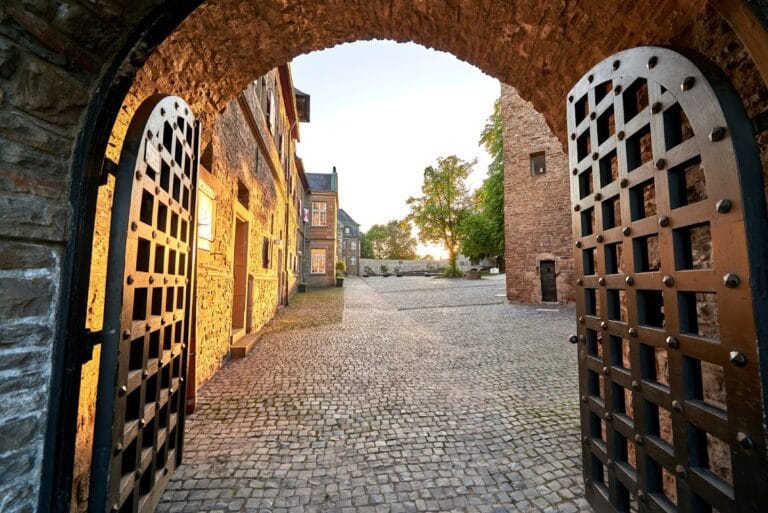
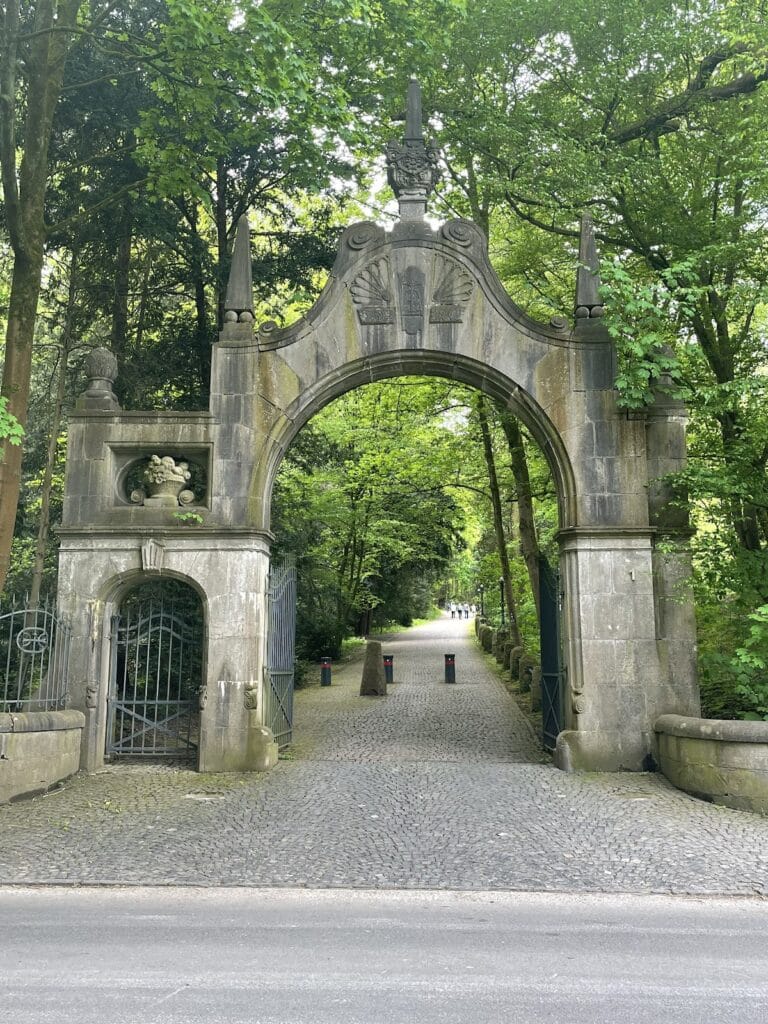
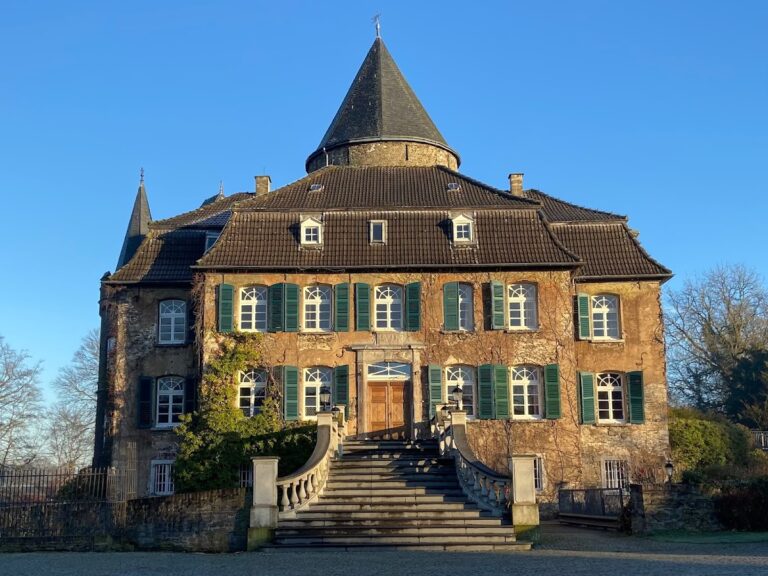
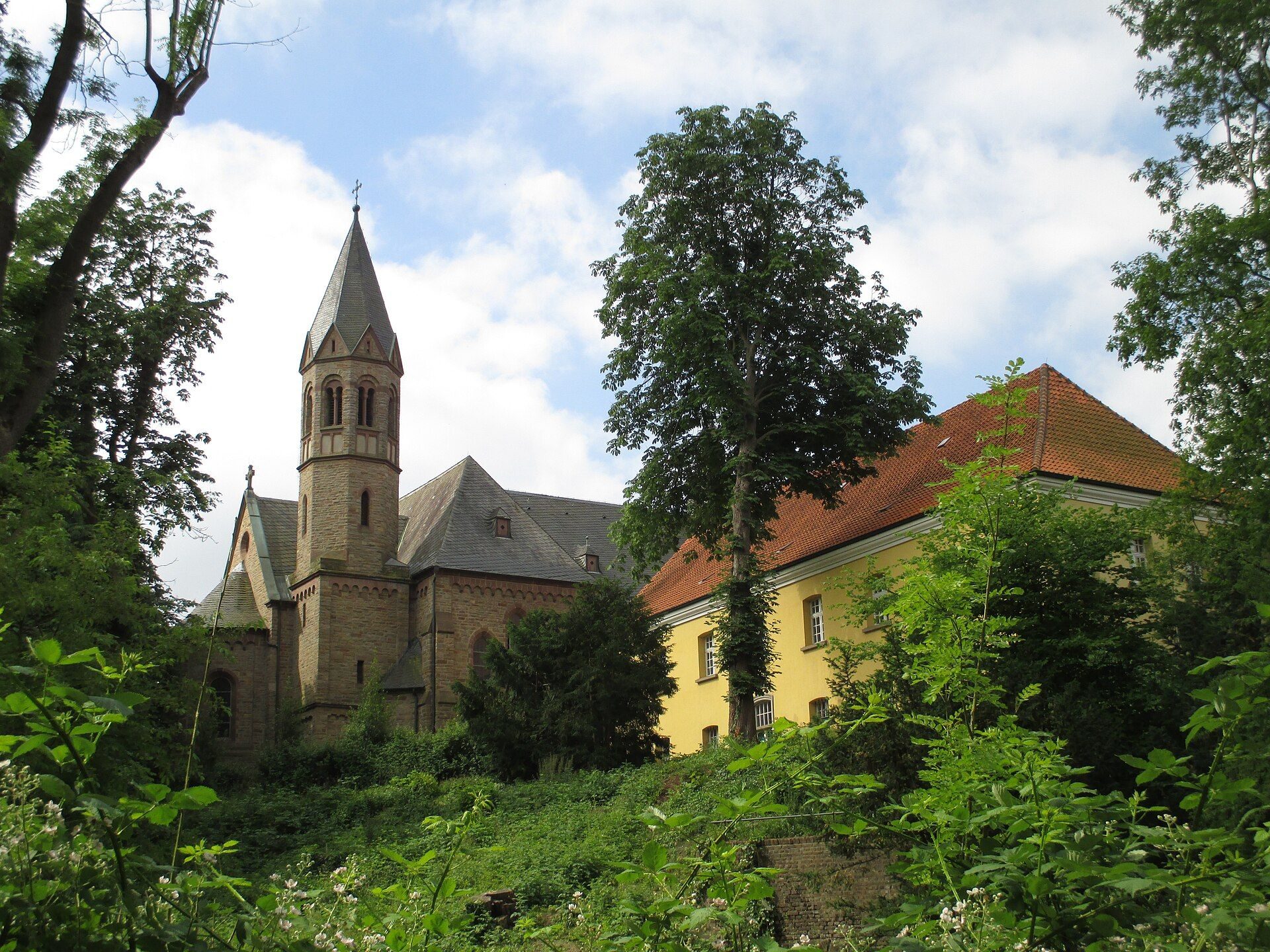
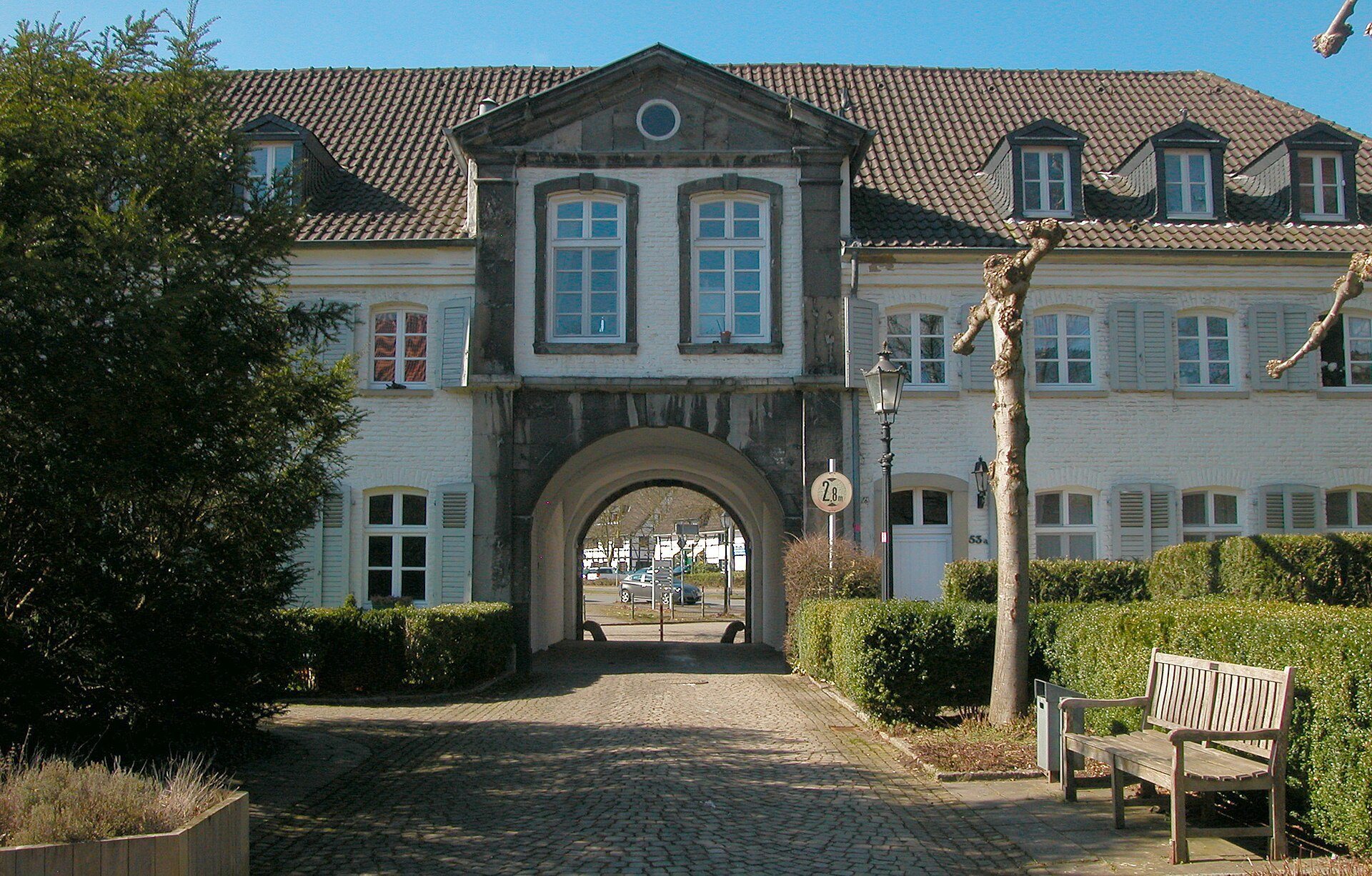
The well-preserved and restored complex brings together building fabric from the thirteenth through the nineteenth centuries. Its surviving layout includes the monastery church, cloister, cloister courtyard, and Marian fountain, together with former agricultural areas and later community buildings. Excavation finds recovered during the restoration of 1979 to 1989 are displayed in the monastery museum and help explain the history of the monastery and settlement in its surrounding area over approximately 1,200 years.
Church and Monastic Core
Monastery Church
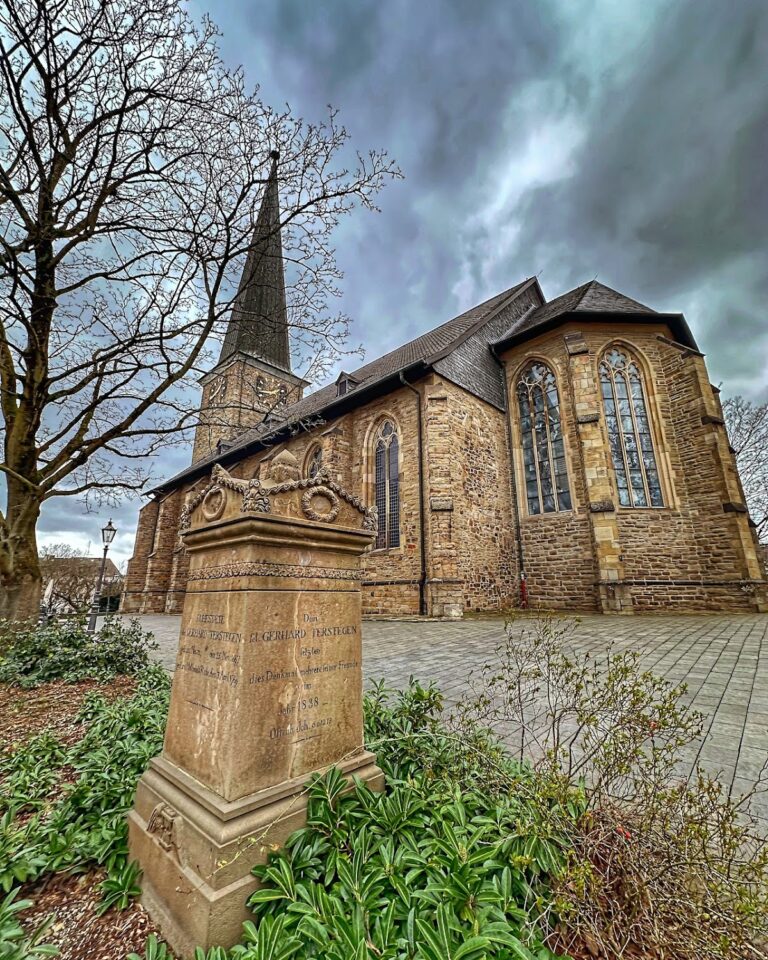
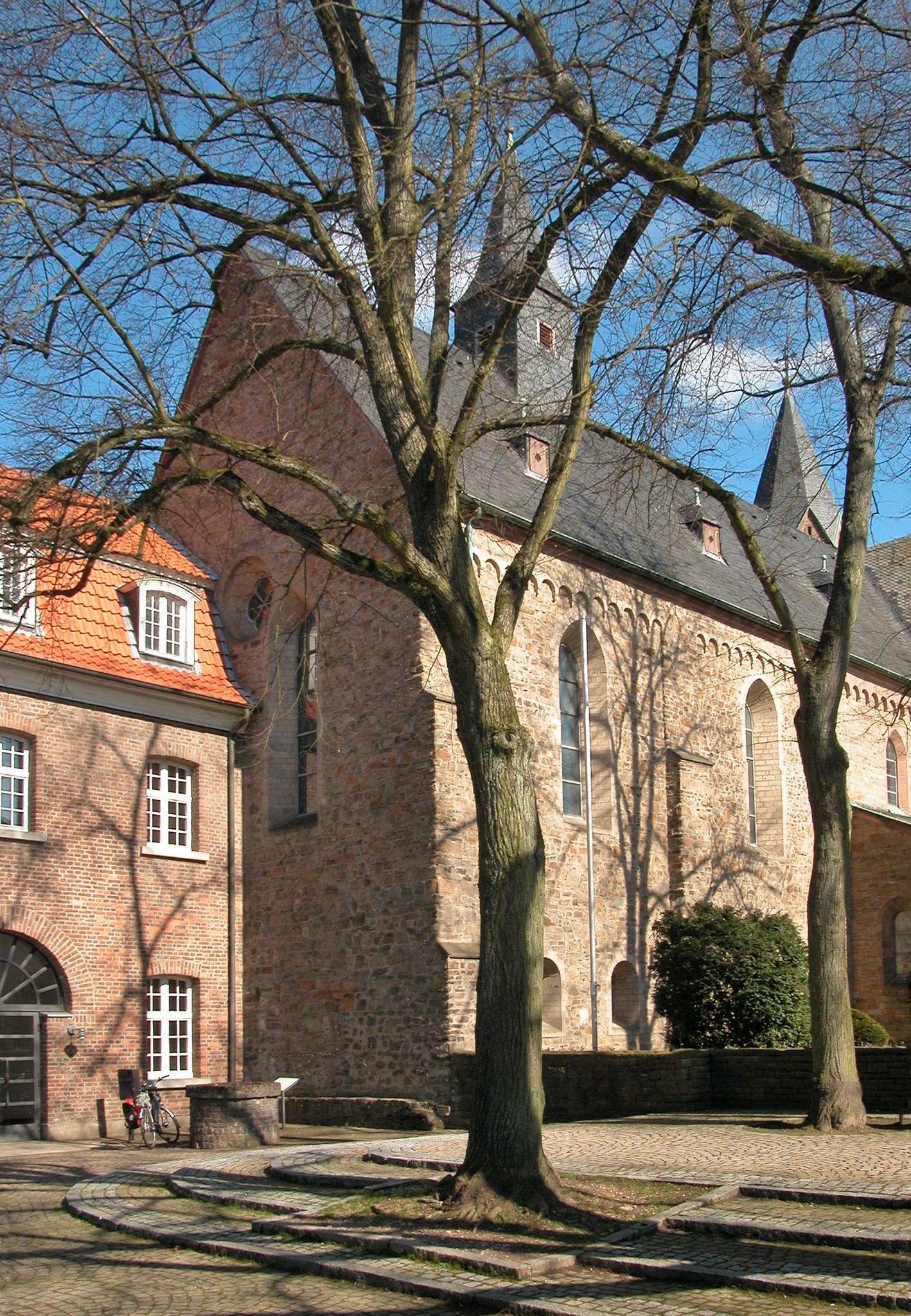
The monastery church contains a medieval western section and a later extension. The construction joint between these phases remains visible, while the church portal, altar area, interior, and a floor plan showing the building before its extension are among its documented features. The church remains part of the parish of St. Mary’s Assumption and continues to serve a religious and musical role.
Cloister and Courtyard
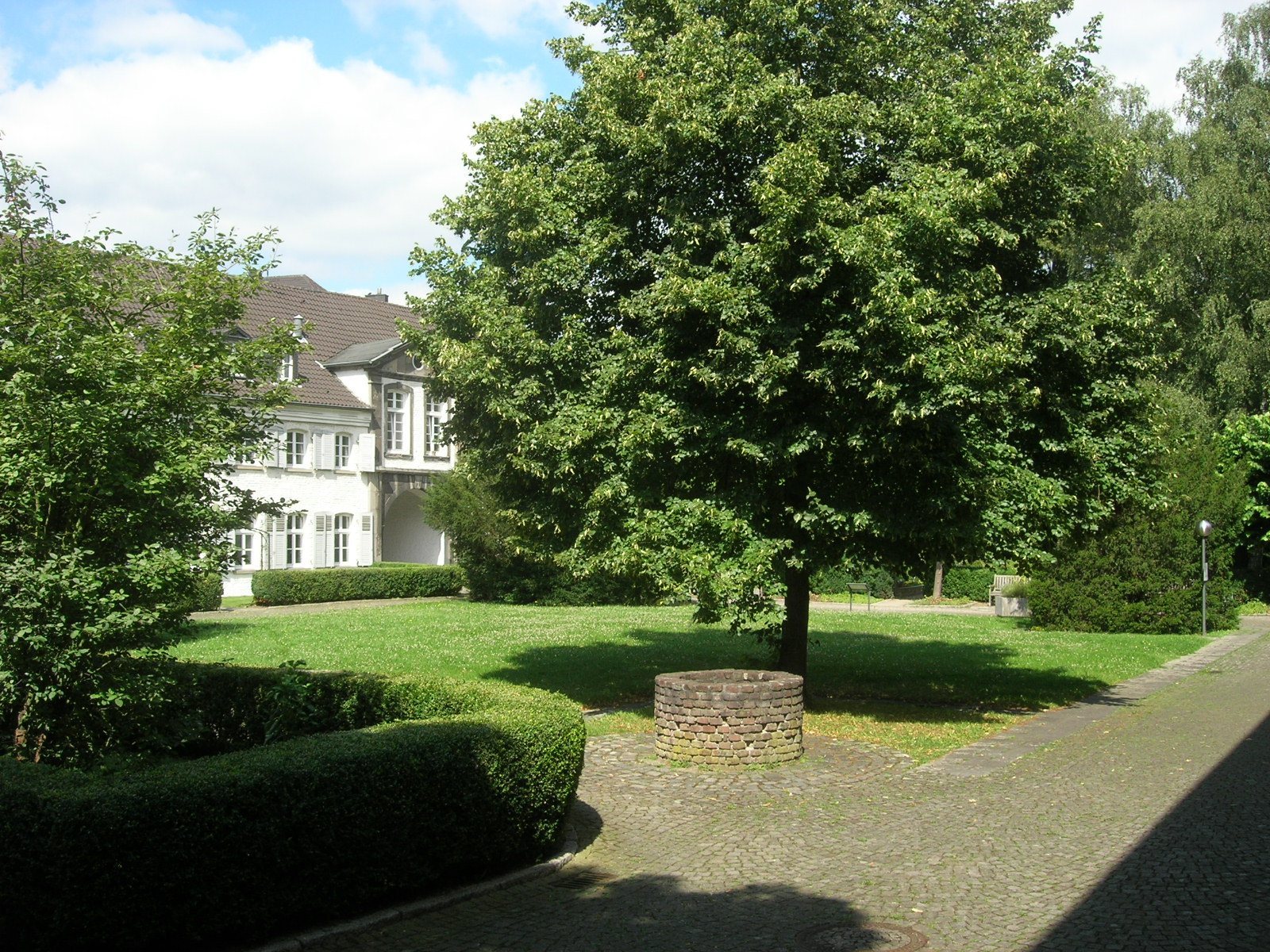
The monastic core includes a cloister and cloister courtyard. These spaces form part of the restored complex and retain their relationship to the former abbey buildings.
Marian Fountain
A Marian fountain survives within the complex as one of its identified monastic features.
Later Buildings and Collections
Former Agricultural Buildings
The complex formerly included agricultural buildings, several of which were demolished when Reichsstraße 1 was constructed beside the monastery. The surviving buildings retain fabric dating from the thirteenth through the nineteenth centuries.
Museum and Garden
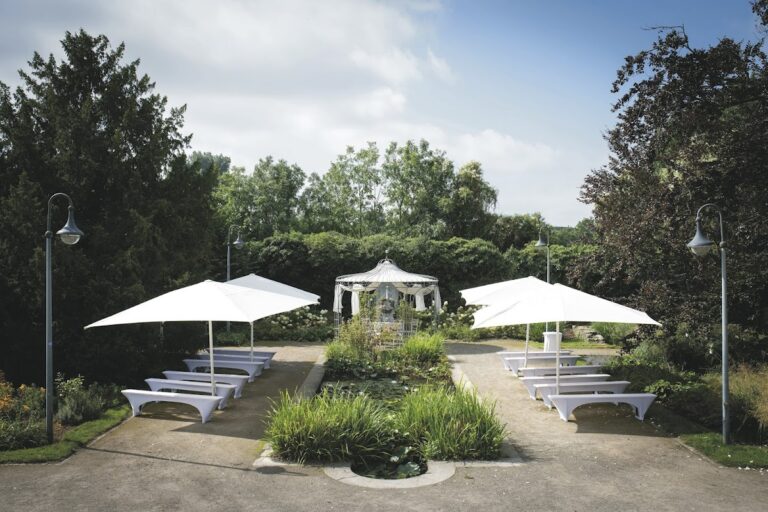
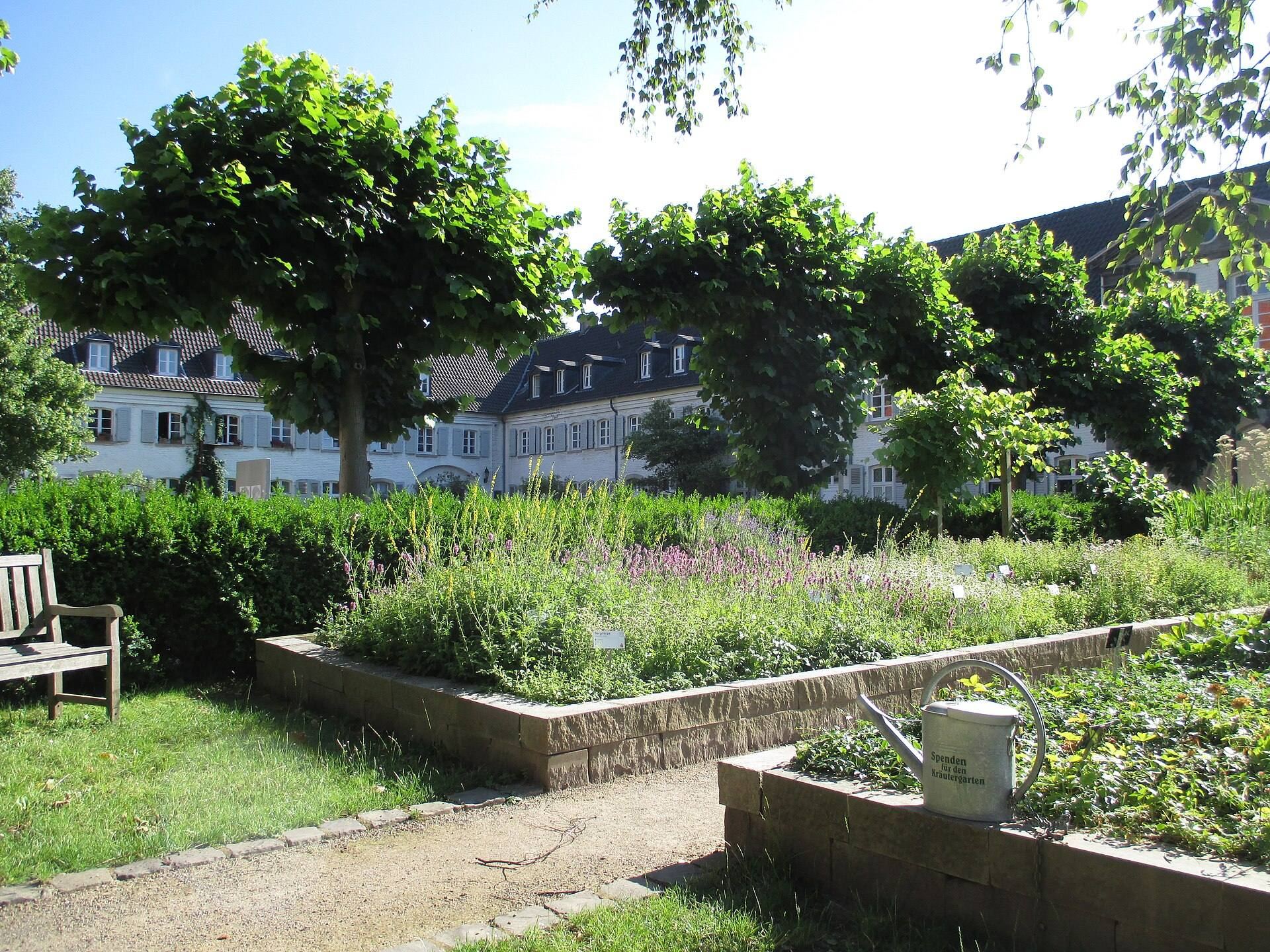
The monastery museum occupies part of the restored complex and contains finds from excavations undertaken during the restoration. A monastery and herb garden, added in autumn 2010, forms another element of the present site. The restored buildings also contain a civic hall, cafeteria, meeting room, and large parish library.