Hinokuma Castle: A Toyotomi-Era Hill Castle in Japan
Site at a Glance
- Rating
- 3.5
- Popularity
- Very Low
- Country
- Japan
- Primary era
- Early Modern
- Eras represented
- Early Modern
- Civilizations
- Toyotomi regime
- Site type
- Military
- Remains
- Castle
On this page14 sections
History
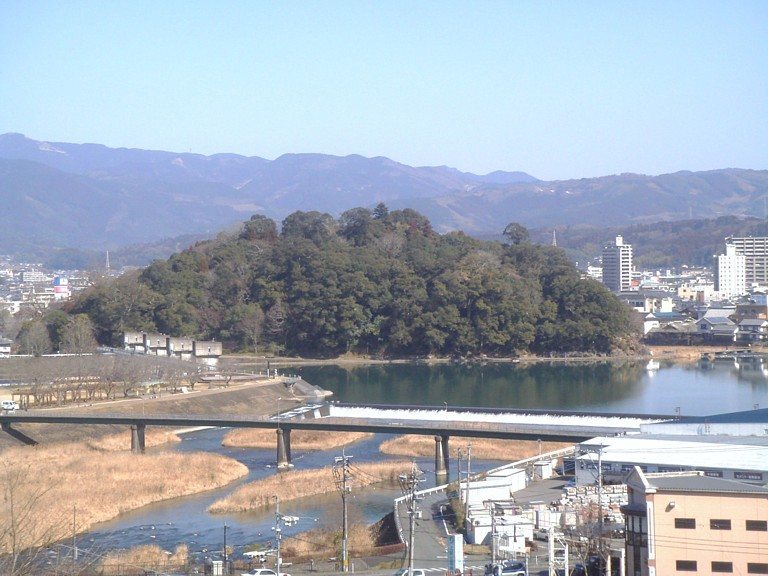
Hinokuma Castle was a Japanese hirayamajiro, or hill castle incorporating nearby flat ground, beside the Mikuma River in Hita, Japan. Built during the 1590s under the Toyotomi regime, the government established by Toyotomi Hideyoshi, it developed into a political and military center in the Hita Basin.
Construction and castle-town development
In 1592, Miyagi Toyomori entered Hita as an administrator of land held directly by the Toyotomi government and is credited with building the castle. The project followed the relocation of the Soto Zen temple Shinko-ji from the Hinokuma-yama area to the foot of the mountain. Merchants and markets were then moved from Tajima Village to Takeda Village, creating a settlement associated with the castle.
In 1596, Mori Takamasa was transferred to Hinokuma with a fief assessed at either 20,000 or 60,000 koku, a historical measure of agricultural yield used to value a lord’s territory. He expanded the castle, reportedly adding a five-level keep and a three-level turret. The castle town was also said to have been enclosed by two moats and earthen ramparts.
Conflict and changing control
Hinokuma Castle became involved in the conflict surrounding the Battle of Sekigahara in 1600, the struggle that determined political control of Japan between forces supporting the Tokugawa and Toyotomi sides. While assisting Matsui Yasuyuki at Kitsuki Castle, the daimyo and commander Kato Kiyomasa ordered Hinokuma to surrender by the following day. The Battle of Ishigakibaru ended in a Tokugawa victory on September 17, however, and Kato’s forces returned to Kumamoto without attacking the castle.
On September 24, Kuroda Josui sent his senior retainer Kuriyama Toshiyasu to demand the castle’s surrender. Hinokuma was held by retainers of Mori Yoshinori, who sought assistance from retainers of Nabeshima Naoshige. The Mori family nevertheless surrendered later that year, and Kuriyama was temporarily stationed at the castle.
In 1601, after Ogawa Mitsuji built Maruyama Castle on Tsukikuma-yama, Kuriyama was transferred elsewhere. Hinokuma then returned to Mori Takamasa’s control, with his chief retainer Mori Hayato appointed castellan. When Mori Takamasa moved to Saiki in 1602, the Ogawa family took control of the castle.
Abandonment and later use
Hinokuma was abandoned from 1616 onward after the Tokugawa shogunate introduced its one-castle-per-domain policy, which restricted each feudal domain to a single principal castle. The precise date and process of dismantling remain uncertain. Tradition places the work in the Kan’ei era, while wording in a 1683 record suggests that portions of the castle still stood when the Hita administrative compound was enlarged under Matsudaira Naonori.
The castle palace was moved to become the main building of the Hita administrative compound, and a castle gate was transferred to Gansho-ji Temple in Kuma Town. Neither structure survives. The former castle site is now developed as Kizan Park.
Remains
Terraces and defensive layout
Hinokuma Castle occupied a low mountain beside the Mikuma River, with its southwest side treated as the front and its east side as the rear. It used a stepped-bailey arrangement, placing defensive enclosures on successive elevations. Three baileys extended southwest from the summit, although their individual names are unknown. A horse-riding ground or horse yard was said to lie on the northern side.
Water defenses and approach
The Mikuma River lay south of the castle. The branch now called the Omata River was reportedly created as an artificial moat or excavated cut during the castle’s use, and flooding after abandonment is said to have turned it into a river. A bridge led directly from the castle toward the settlement, from a location called Umamichi near Konya Town in the area of present-day Kuma 2-chome.
Recorded baileys and gates
Saiki-domain records refer to turrets connected with the Second Bailey Gate, the Northern Third Bailey, and the Tango Bailey. Other recorded names include Kannenomaru and the Northern Bailey, though their positions are unknown. An early-modern plan titled Plan of the Former Hinokuma Castle identifies the main bailey, main entrance, and dry moat, and gives detailed measurements for the stone walls. The plan does not name the other baileys.
Main bailey and towers
Keep platform
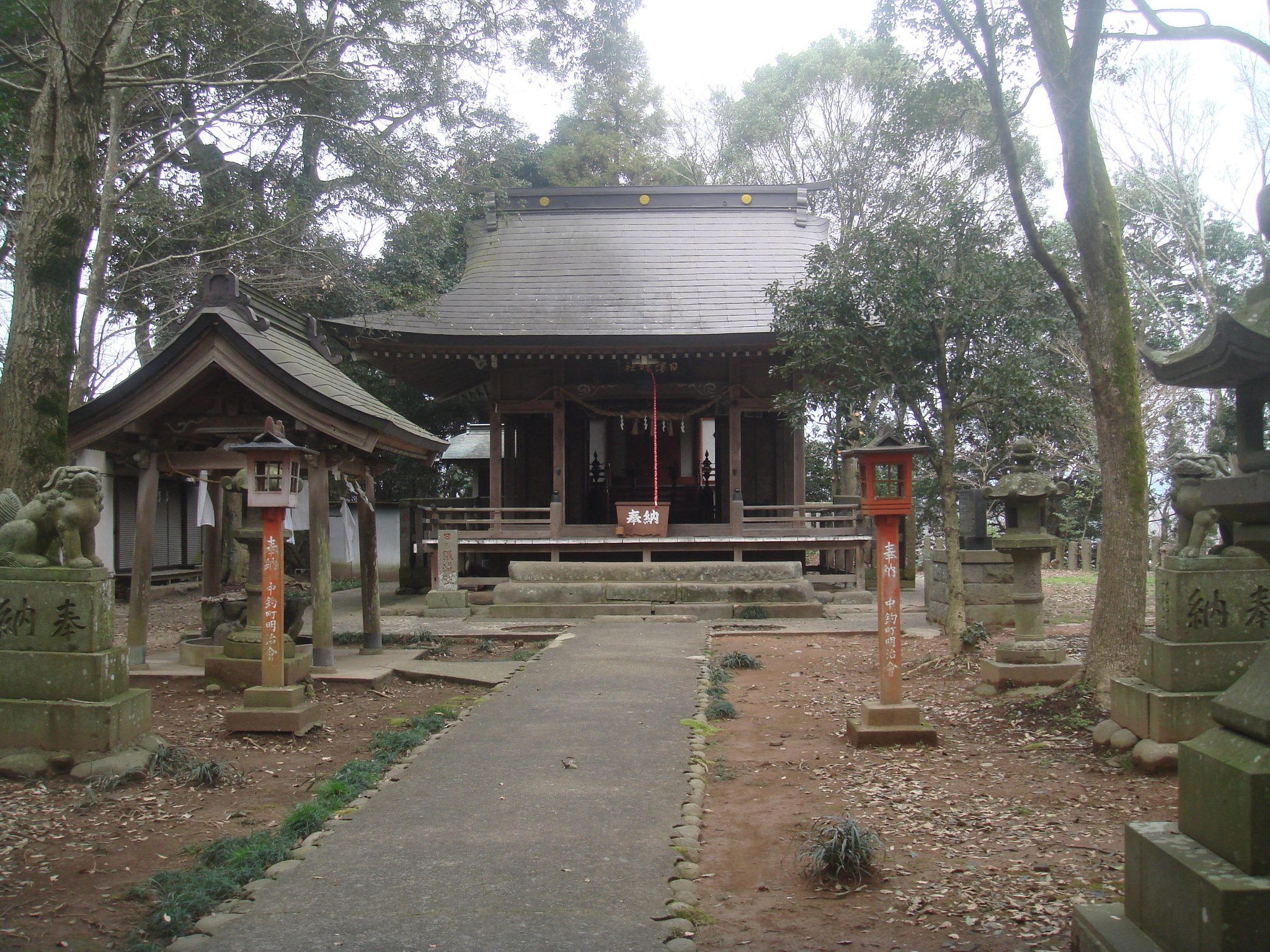
The keep platform is thought to have stood at the northwestern corner of the main bailey, around the present sanctuary and shrine office of Hinokuma Shrine in Kizan Park. The keep itself was a five-level structure attributed to the 1596 expansion and no longer survives. An interpretation based on the Register of Keep Equipment describes an interior of five floors above one basement level, while its exterior form is unknown.
Stone walls and gate enclosure
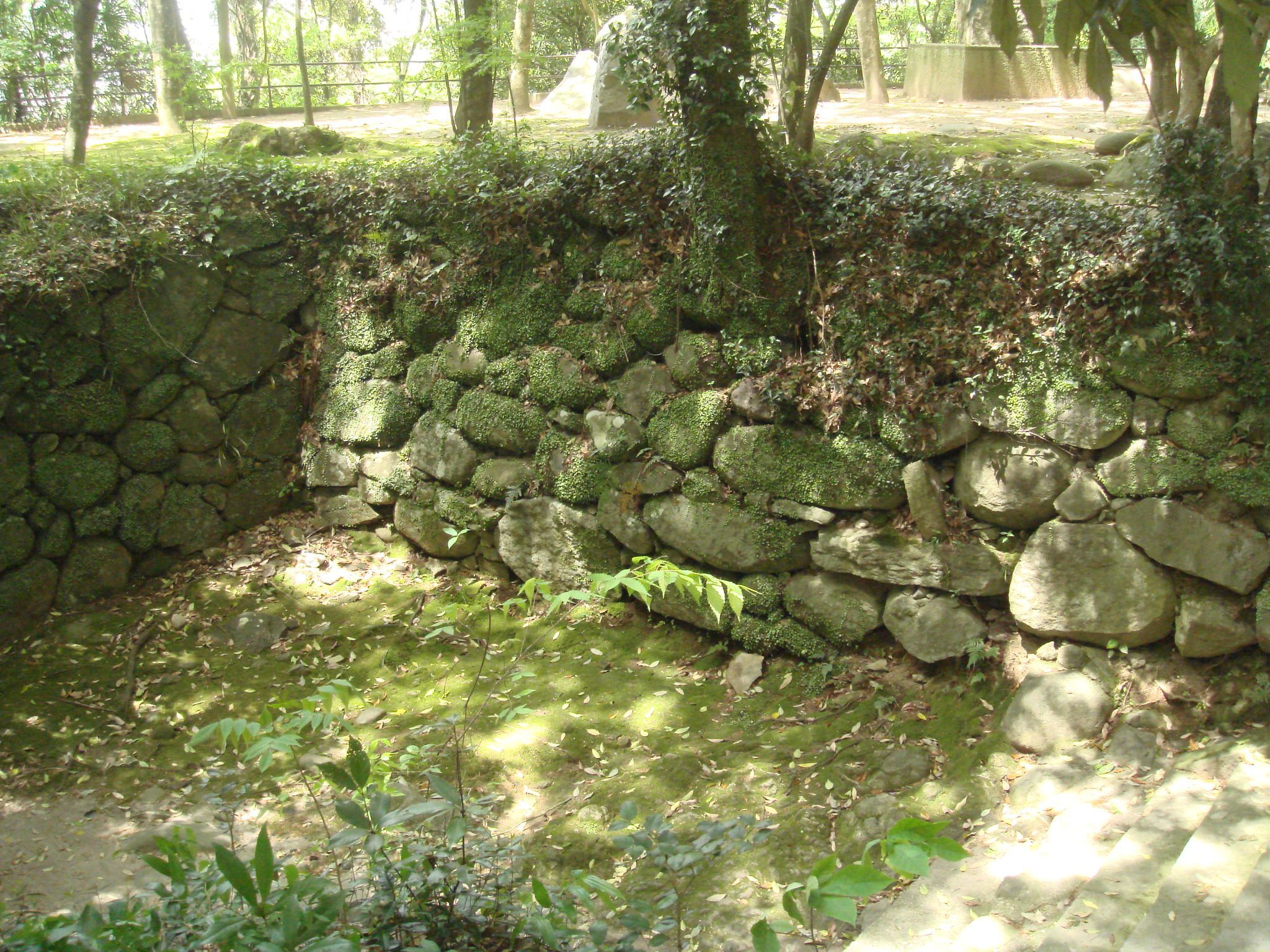
Stone, timber, and plaster were among the castle’s construction materials. The surviving physical evidence is very limited, with the purported stone walls of the main gate’s masugata, a square gate enclosure designed to hinder a direct approach, forming the principal visible remnant. The former walls and baileys do not survive in a condition that reveals the castle’s complete historical appearance.
Transferred castle structures
Palace and administrative compound
The castle palace was reused as the main building of the Hita administrative compound after the castle’s abandonment. This transfer preserved the building’s later administrative role, but the structure itself no longer survives.
Castle gate and Gansho-ji Temple
A castle gate was moved to Gansho-ji Temple in Kuma Town. It served there as the temple gate, but the transferred structure also no longer survives.