Bredas Lustschloss: An Early Baroque Summer Residence in Czechia
Site at a Glance
- Rating
- 4.3
- Popularity
- Very Low
- Country
- Czechia
- Primary era
- Early Modern
- External website
- Open
- Eras represented
- Early Modern, Modern
- Civilizations
- Habsburg, Holy Roman Empire, Kingdom of Bohemia
- Site type
- Domestic
- Remains
- Elite Residence
On this page7 sections
History
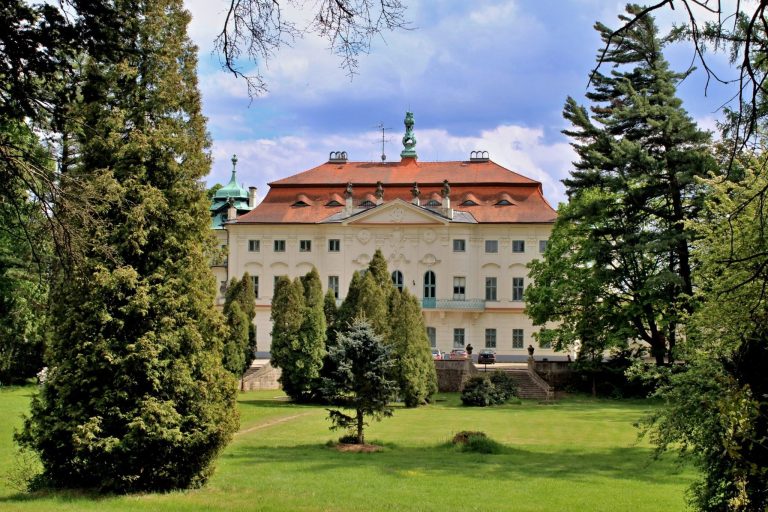
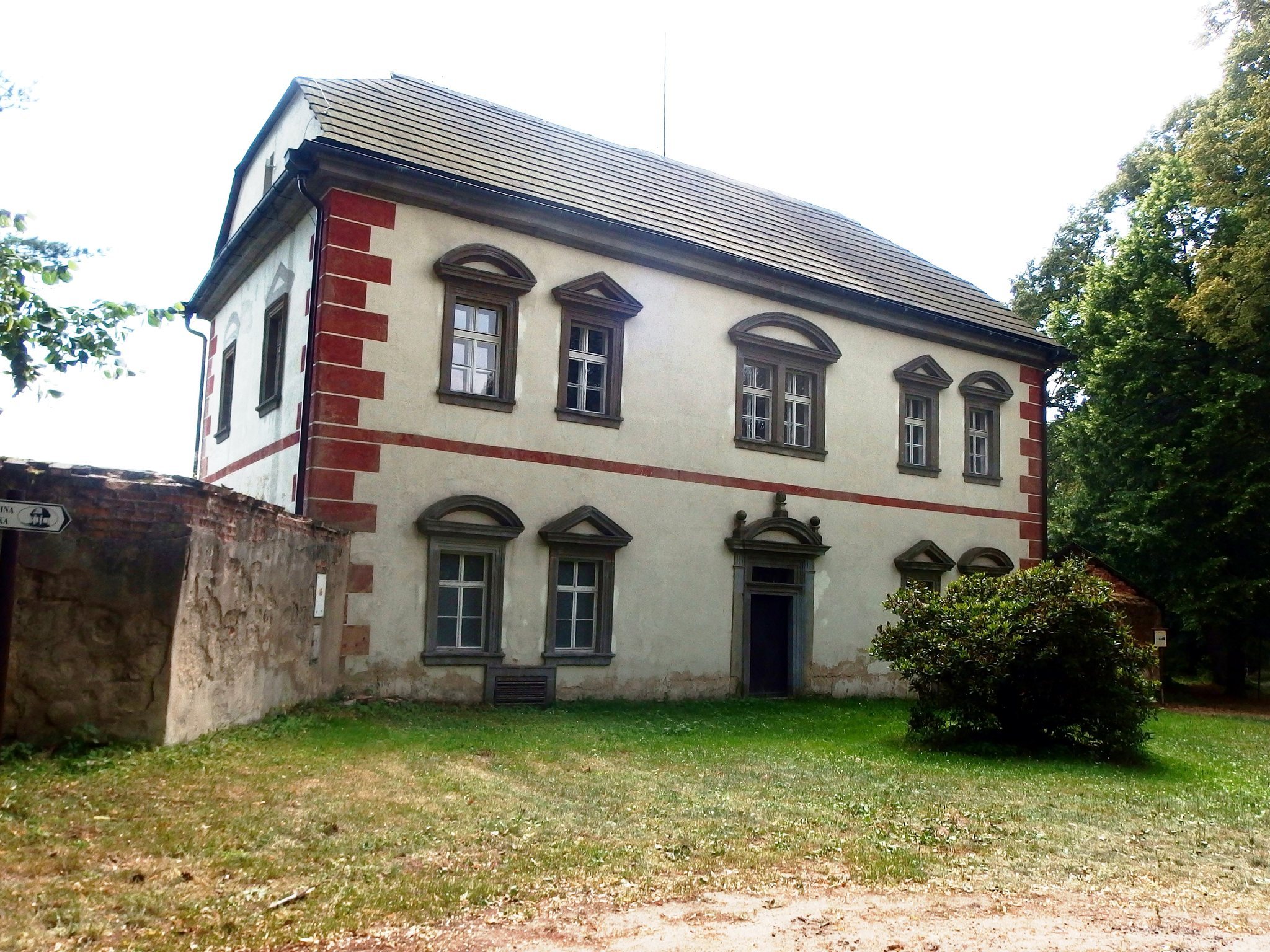
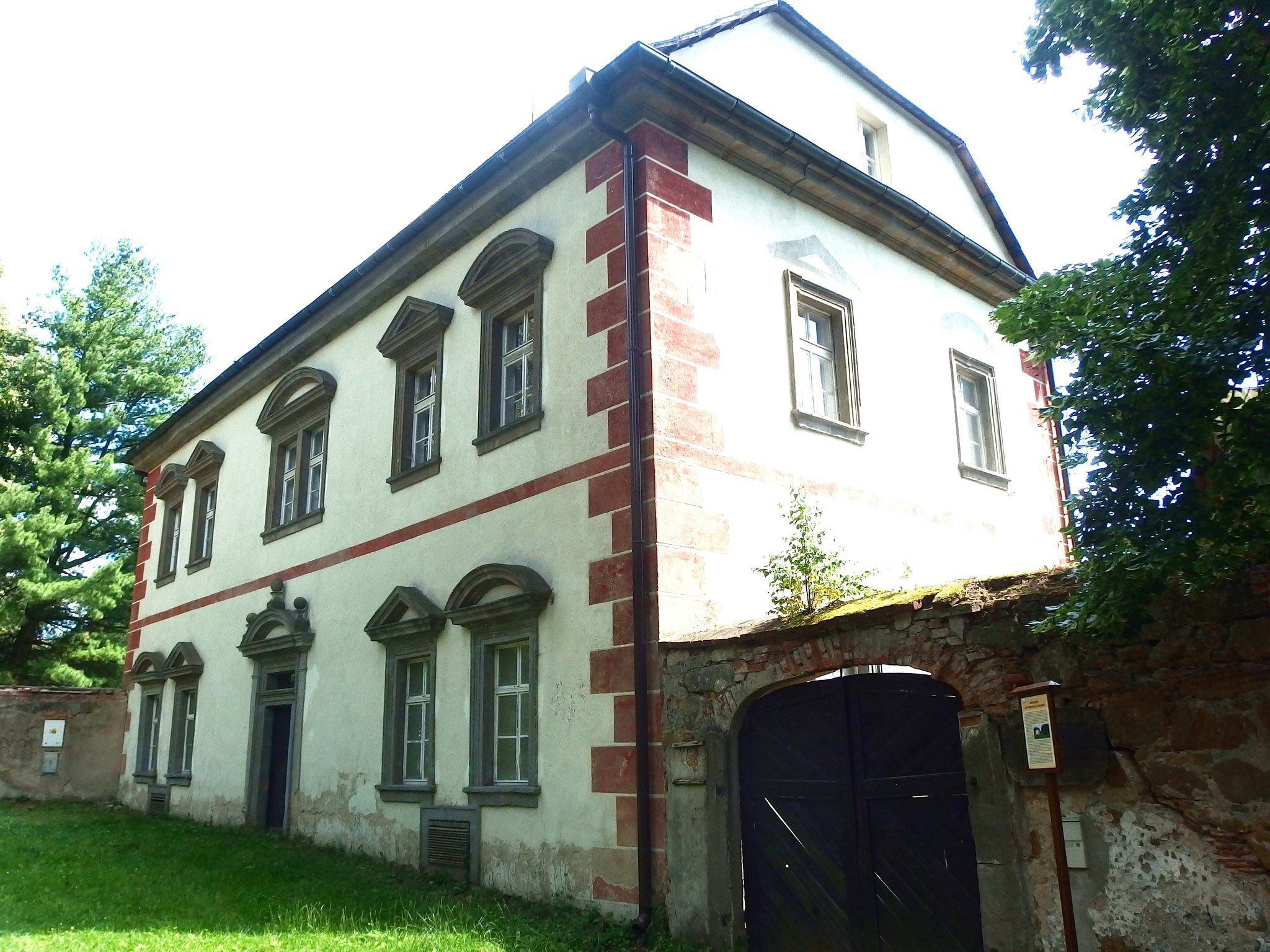
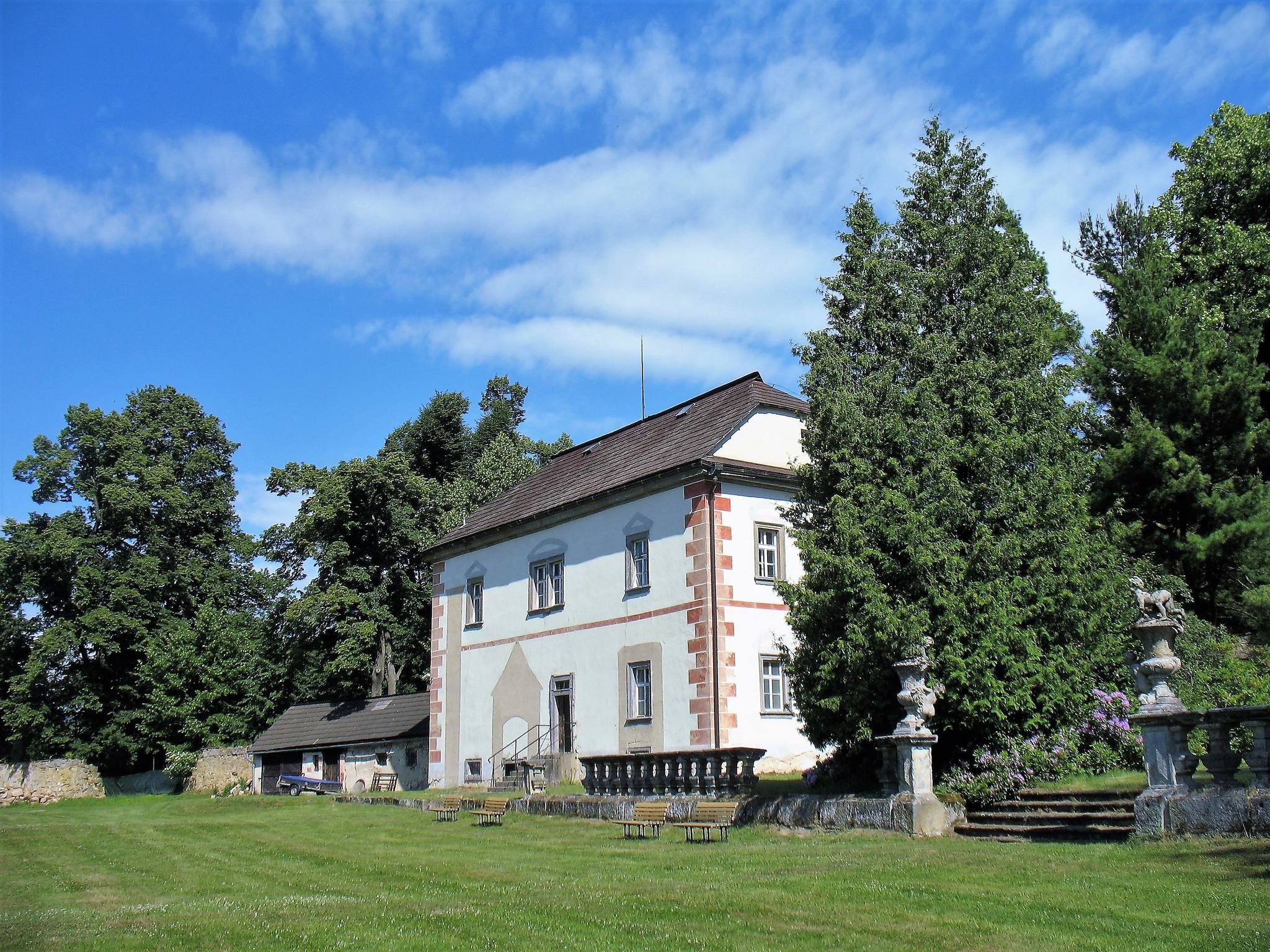
Bredas Lustschloss is an early Baroque summer residence in Czechia, near Lemberk Castle in Lvová, now part of Jablonné v Podještědí. Kryštof Rudolf Breda, a member of the Dutch Breda family, commissioned the small chateau between 1660 and 1680. Designed by Caesar Biot, it served as a lustschloss, a non-fortified aristocratic retreat intended for seasonal residence, leisure, and representation.
The Breda and Gallas estates
The residence formed part of the Lemberk estate, whose grounds included an extensive garden and abundant sculptural decoration. In 1726, Count Filip Josef Gallas purchased the estate from the Bredas. After the Gallas line became extinct, the property passed by inheritance to the Clam-Gallas family.
Later uses and protection
At the beginning of the nineteenth century, the building was altered in the Classical style, a later architectural revival of more restrained forms derived from ancient Greek and Roman models. By this period, it was occupied only by the estate gardener. The property later became the headquarters of the central forestry administration for the Clam-Gallas estates in northern Bohemia.
The property remained with the heirs of František Clam-Gallas, the last male descendant, until 1945. During the 1990s, sculpture symposia took place in the former Baroque garden, followed later by concerts. An exhibition devoted to the local natural environment occupied the building until 2006.
Bredas Lustschloss is protected as a cultural monument of the Czech Republic. Together with nearby Lemberk Castle, the residence and its garden received national cultural monument status effective 1 January 2002. The site also forms part of the Lembersko Landscape Heritage Zone, established in 1996. The Czech Republic now owns the property, which is administered by the National Heritage Institute, the state institution responsible for conserving nationally important historic properties.
Remains
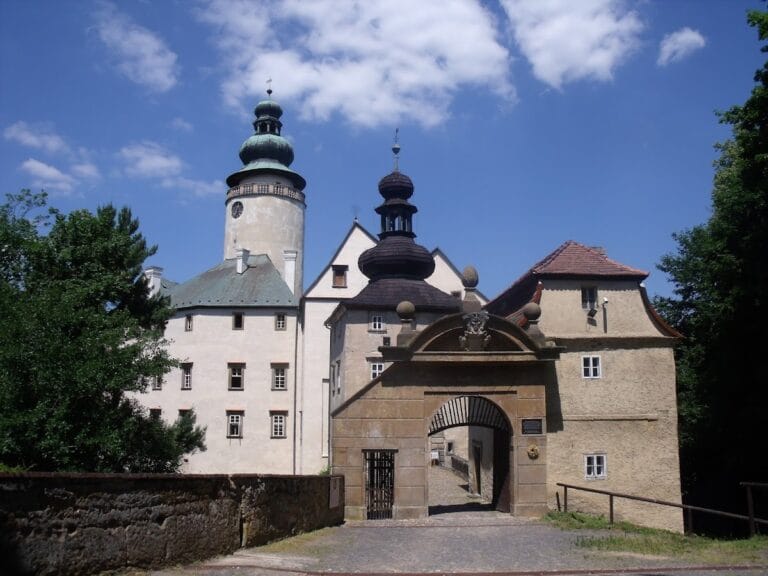
Bredas Lustschloss stands on a rise near Lemberk Castle as a small chateau combining early Baroque and Classical forms. The building and its grounds belong to a larger historic estate complex whose garden survives in part. The property was rebuilt further during the twentieth century, while the former garden retains elements of its early Baroque arrangement.
Chateau and garden
The chateau
The chateau was built as an early Baroque summer residence between 1660 and 1680 and later altered in the Classical style. Its principal entrance to the garden bears the coat of arms of Kryštof Rudolf Breda, dated 1674. The building underwent additional rebuilding in the twentieth century.
The former Baroque garden
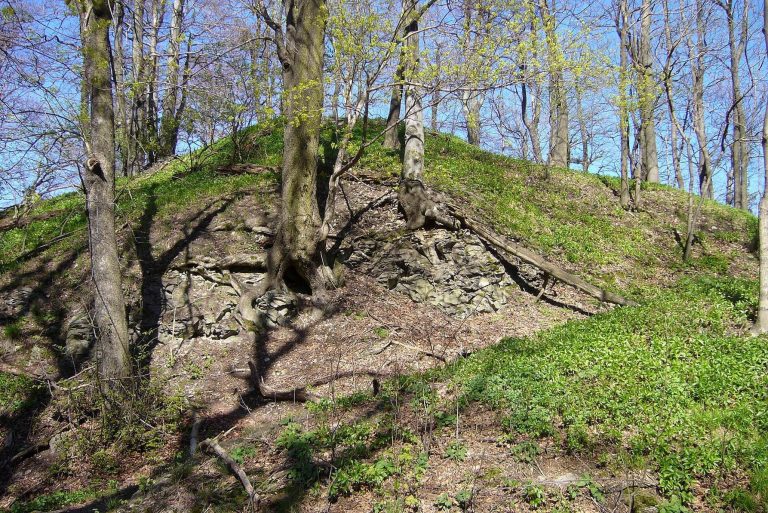
The adjacent garden preserves part of the former early Baroque grounds. The historic estate included extensive landscaping and rich sculptural decoration. A protected historic avenue of 90 old linden trees runs around the chateau, defining part of its surviving setting.