Bastia Fattori: A Medieval Fortified Court in Italy
Site at a Glance
- Rating
- 4.4
- Popularity
- Very Low
- Country
- Italy
- Primary era
- Medieval
- Eras represented
- Medieval, Early Modern
- Civilizations
- Duchy of Ferrara
- Site type
- Military
- Remains
- Castle
On this page8 sections
History
Bastia Fattori is a medieval fortified court in Italy, located at Scurano at the foot of Mount Castellaro. Built by order of the Da Correggio family by the fourteenth century, it defended the surrounding territory and served as a strategic stronghold in the Enza Valley.
Da Correggio rule and destruction
In 1403, troops belonging to Ottobuono de’ Terzi attacked the fortification. His brother Giacomo commanded the assault with support from their Avogari allies. The troops captured the site and then set it on fire.
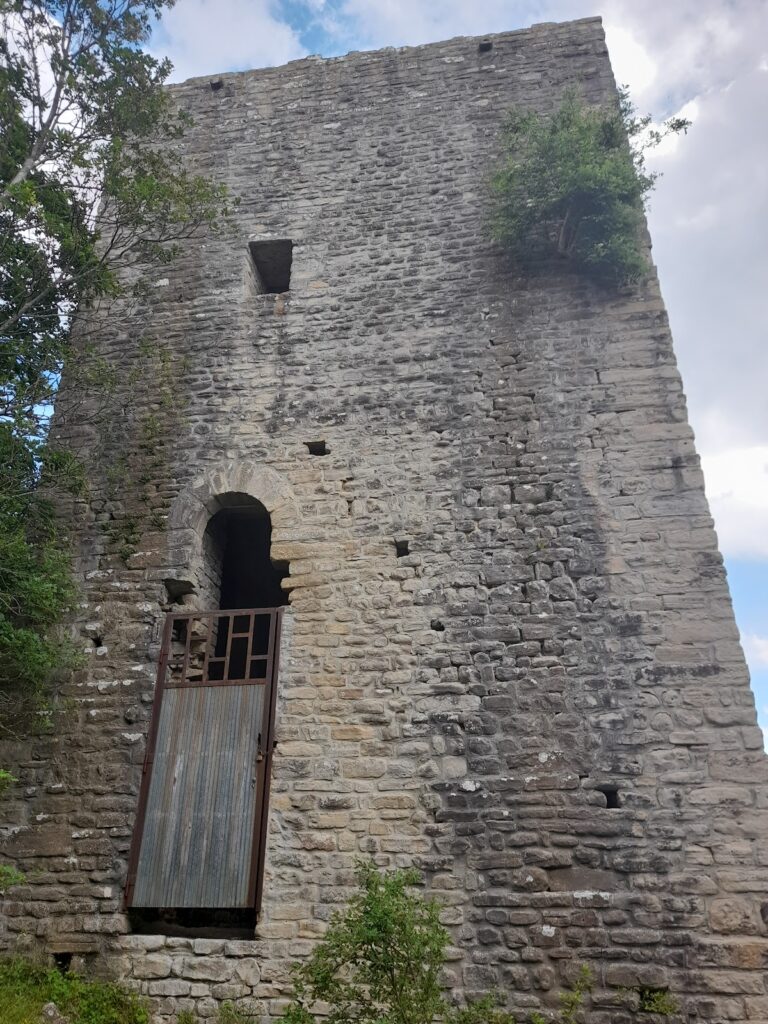
Galasso Da Correggio reconquered the area in 1409 and rebuilt a powerful fortified tower on the site of the castle. The complex remained connected to the Da Correggio territories along the Enza until the death of Manfredo Da Correggio without children. In 1474, the Ducal Chamber of Milan absorbed his fiefs, including Scurano, and granted them to Ludovico Sforza, then Duke of Mortara. Ludovico Sforza, known as il Moro, was a member of the Sforza ruling family.
The Este period
On 6 March 1479, fearing that the inhabitants of Scurano might attack Parma after the long period of Da Correggio rule, Ludovico Sforza ordered the fortified tower to be demolished. Soon afterward, he exchanged the fiefs along the Enza with Ercole I d’Este, Duke of Ferrara, receiving Castelnuovo di Tortona in return.
Ercole I d’Este probably ordered the defensive bastia, a fortified rural complex, to be built in 1479. He appointed members of the Fattori family as its castellans and is identified as the first owner of Bastia Fattori. The Fattori family completely renovated the complex during the seventeenth century. In 1693, they added the loggia, a covered open-sided gallery, north of the central courtyard. At Carlo Fattori’s request, they built the Oratory of the Addolorata to the southeast in 1696.
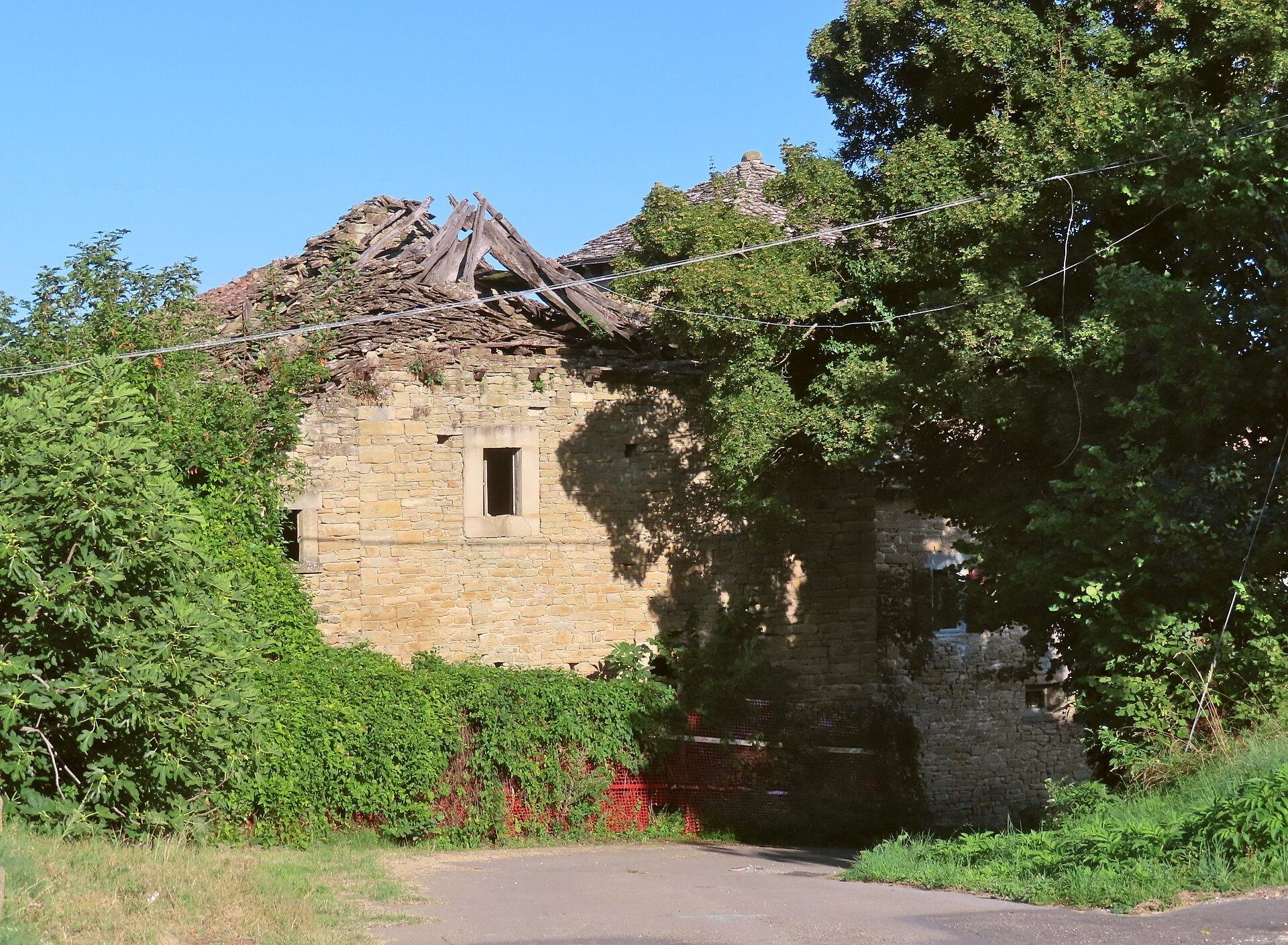
Later, the complex was divided among several owners. It is currently owned by the Fattori family and is partially restored.
Remains
The fortified court
Courtyard and entrance
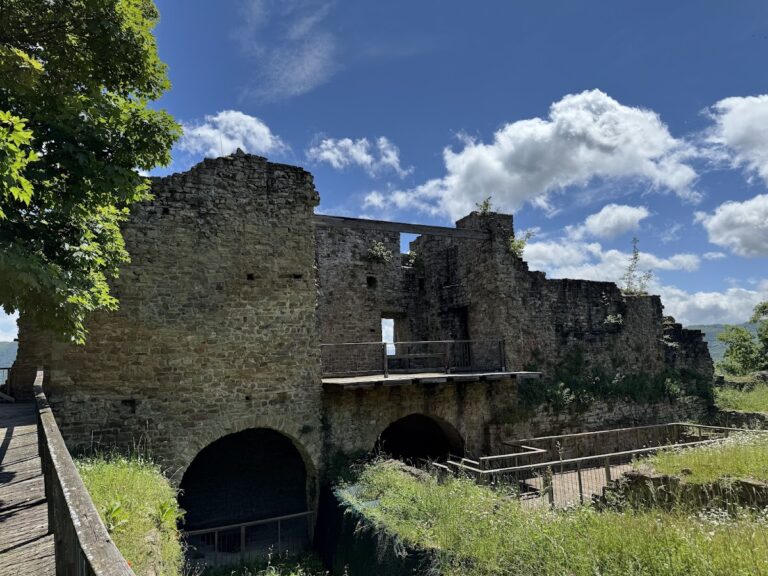
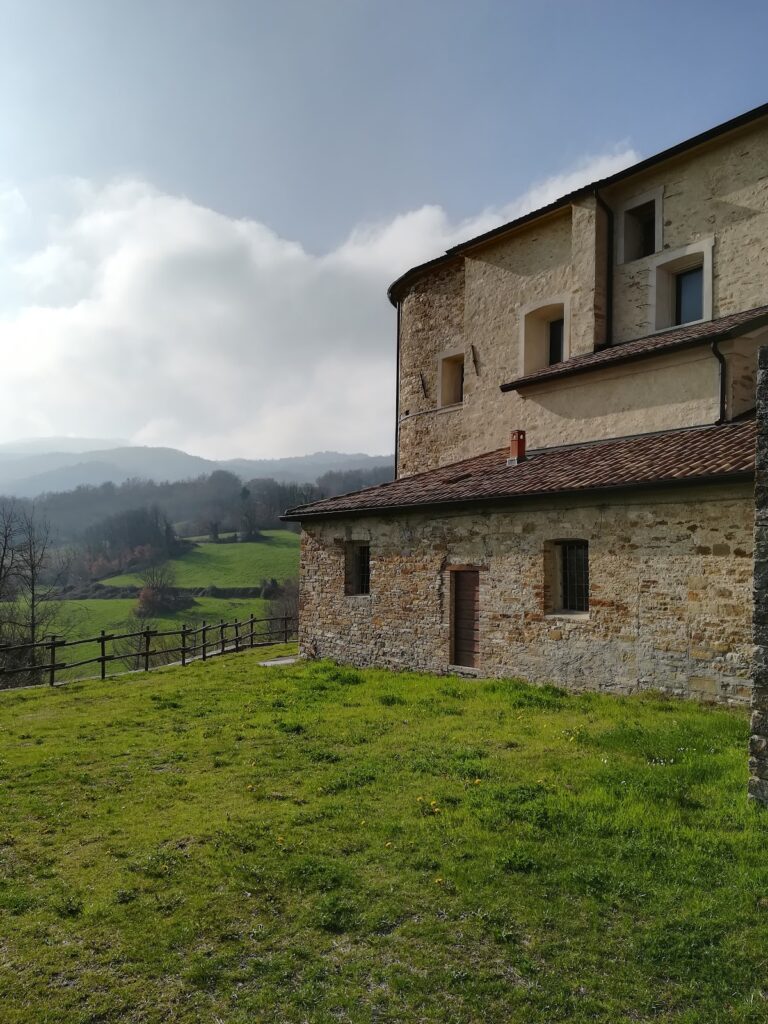
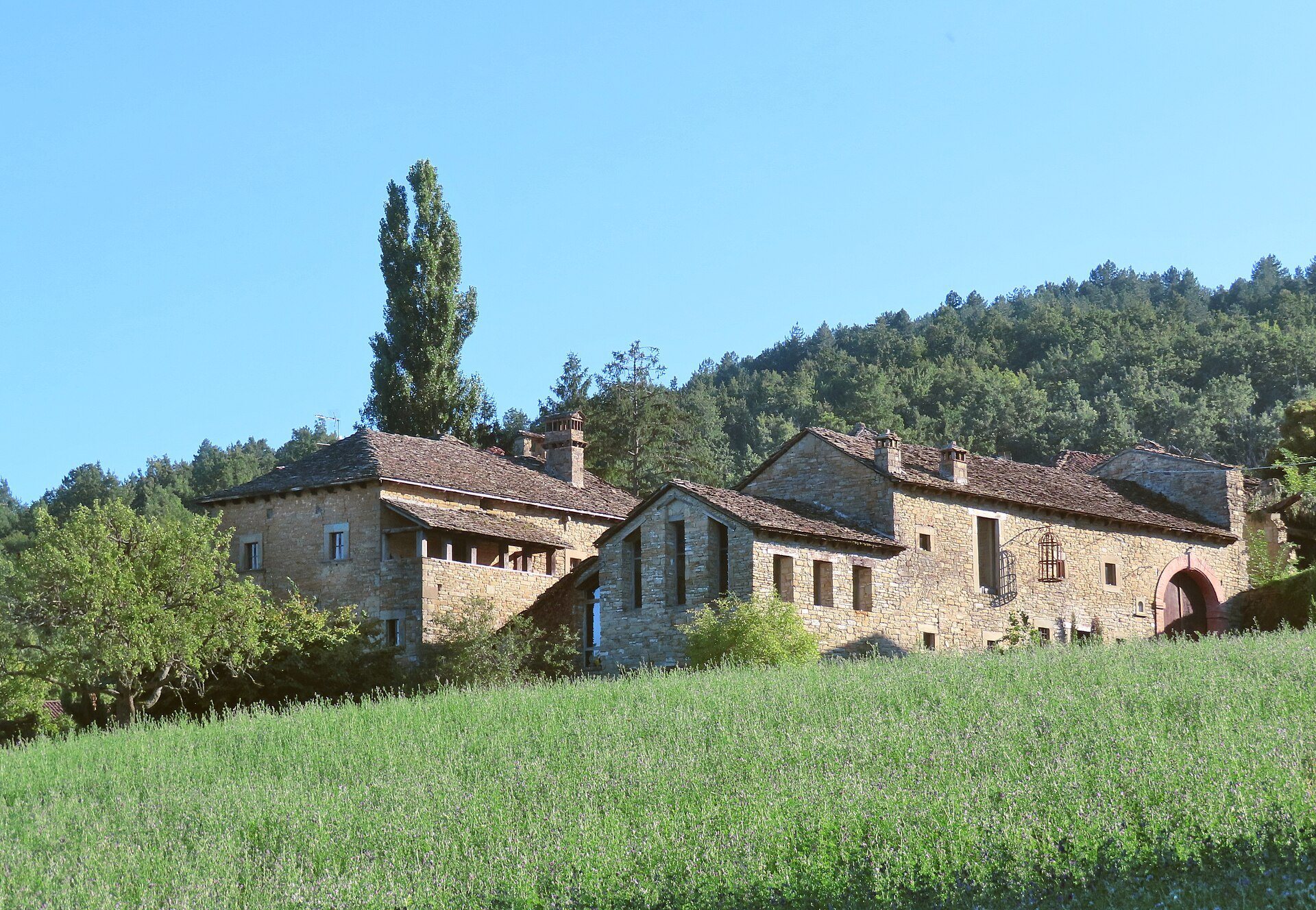
Bastia Fattori occupies sloping ground and is arranged around a rectangular central courtyard. The entrance lies on the northwest side, where a broad round-arched portal is framed by two brick pilasters. Beside it, a small sandstone niche contains a marble high relief of the Madonna and Child. A masonry well stands at the center of the courtyard.
Residential buildings and towers
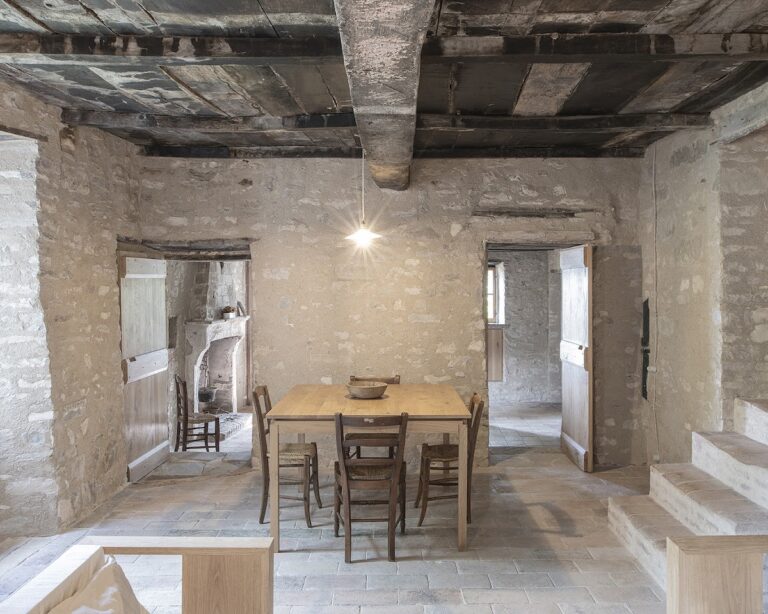
The buildings are entirely constructed of stone and vary in form and height. Two towers dominate the complex. The court includes former residential spaces for the castellans and servants, together with several rural buildings.
The principal residential wing occupies the north side. Its seventeenth-century loggia is supported by stone columns. A round-arched portal dated 1693 opens onto this side of the complex, with the Fattori family coat of arms carved into its keystone.
Oratory of the Addolorata
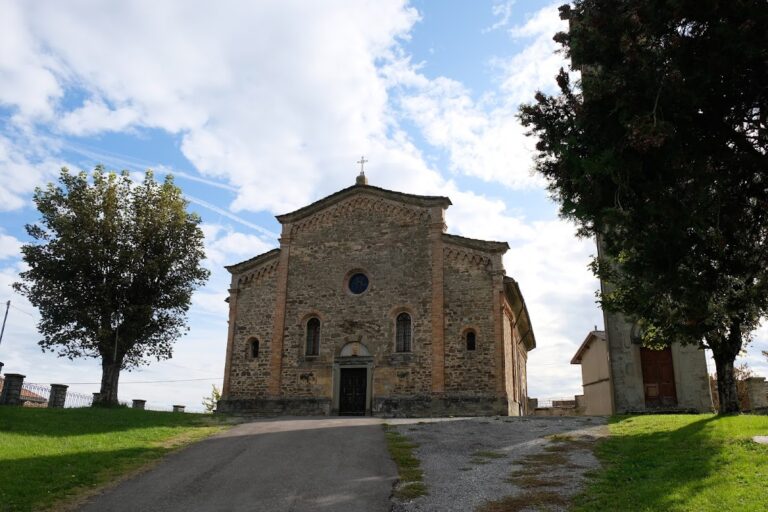
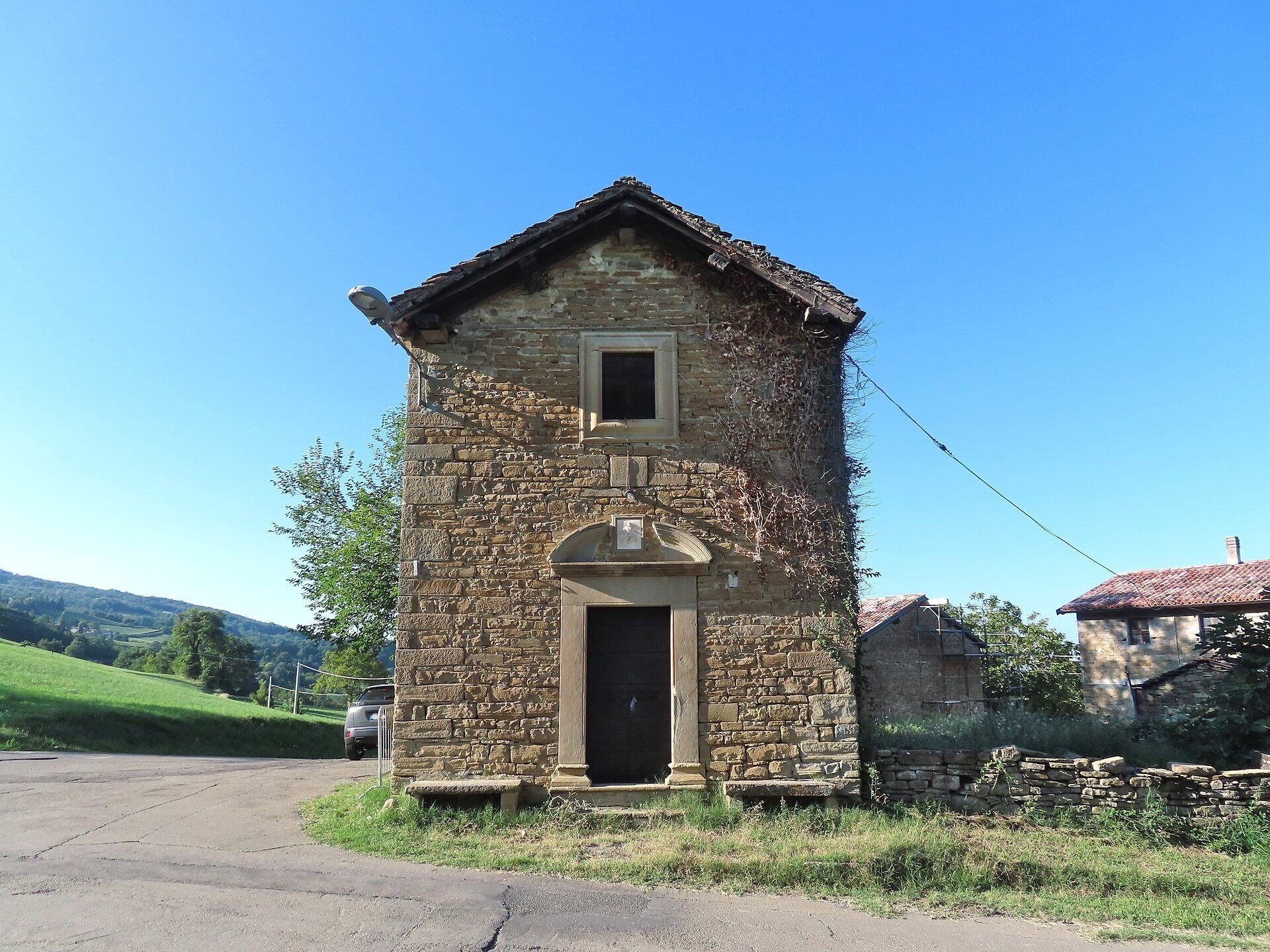
Outside the court stands the Baroque Oratory of the Addolorata, built in 1696. Its symmetrical gabled facade has a central sandstone entrance portal, above which a broken semicircular pediment contains a marble panel of the Sorrowful Madonna. A rectangular window with a moulded stone frame is set above the panel.