Kawarakezuka Kofun: A Fifth-Century Burial Mound in Japan
Site at a Glance
- Rating
- 3.3
- Popularity
- Very Low
- Country
- Japan
- Primary era
- Classical
- Eras represented
- Classical
- Civilizations
- Unclassified
- Site type
- Burial
- Remains
- Burial Mound
On this page6 sections
History
Kawarakezuka Kofun is an ancient Japanese burial mound in Iwata, Japan, constructed during the middle Kofun period, probably in the first half of the fifth century. The Kofun period, which lasted approximately from the third through sixth centuries, was an era when elite burial mounds were built across much of the Japanese archipelago.
Local Tradition and Regional Connections
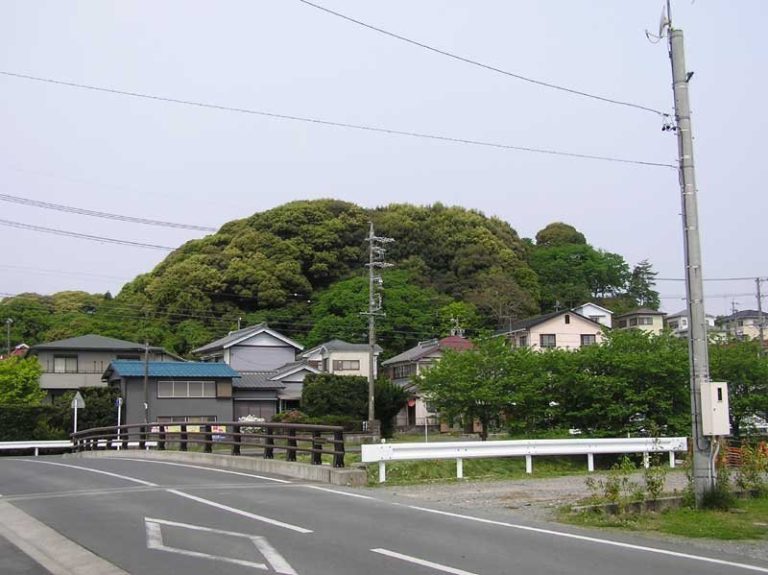
The mound is also known locally as Maruyama. Its name, Kawarakezuka, comes from a tradition involving Prince Kaisei and his retainers, who were said to have discarded pottery until it formed a mound. Prince Kaisei belongs to local legend, and the tradition does not establish him as the historical founder of the tomb.
Kawarakezuka Kofun belongs to a local group of burial mounds that includes Kannonyama Kofun, Kabutozuka Kofun, and Kyomizuka Kofun. The distribution of these tombs has been interpreted as indicating a connection with the Haji, an ancient hereditary group associated with pottery production and mortuary practices. This group has also been linked with the Kuni no miyatsuko, a provincial ruler or local administrative leader in the early Japanese state, of ancient Tōtōmi Province, corresponding broadly to western Shizuoka.
Investigation and Protection
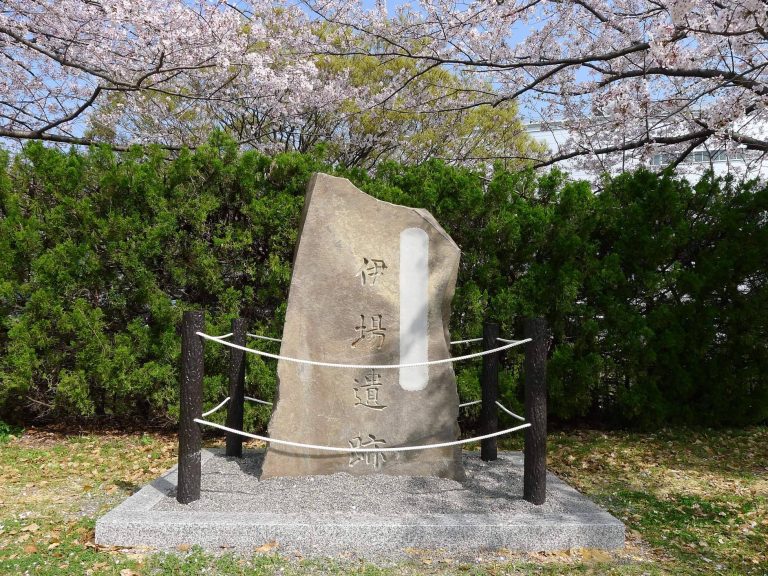
A limited excavation took place during fiscal year 2000, and its findings were reported in 2002. In May of that year, the owner donated the mound area to Iwata City. Shizuoka Prefecture designated Kawarakezuka Kofun a Historic Site on December 10, 2002.
Remains
Mound and Surrounding Moat
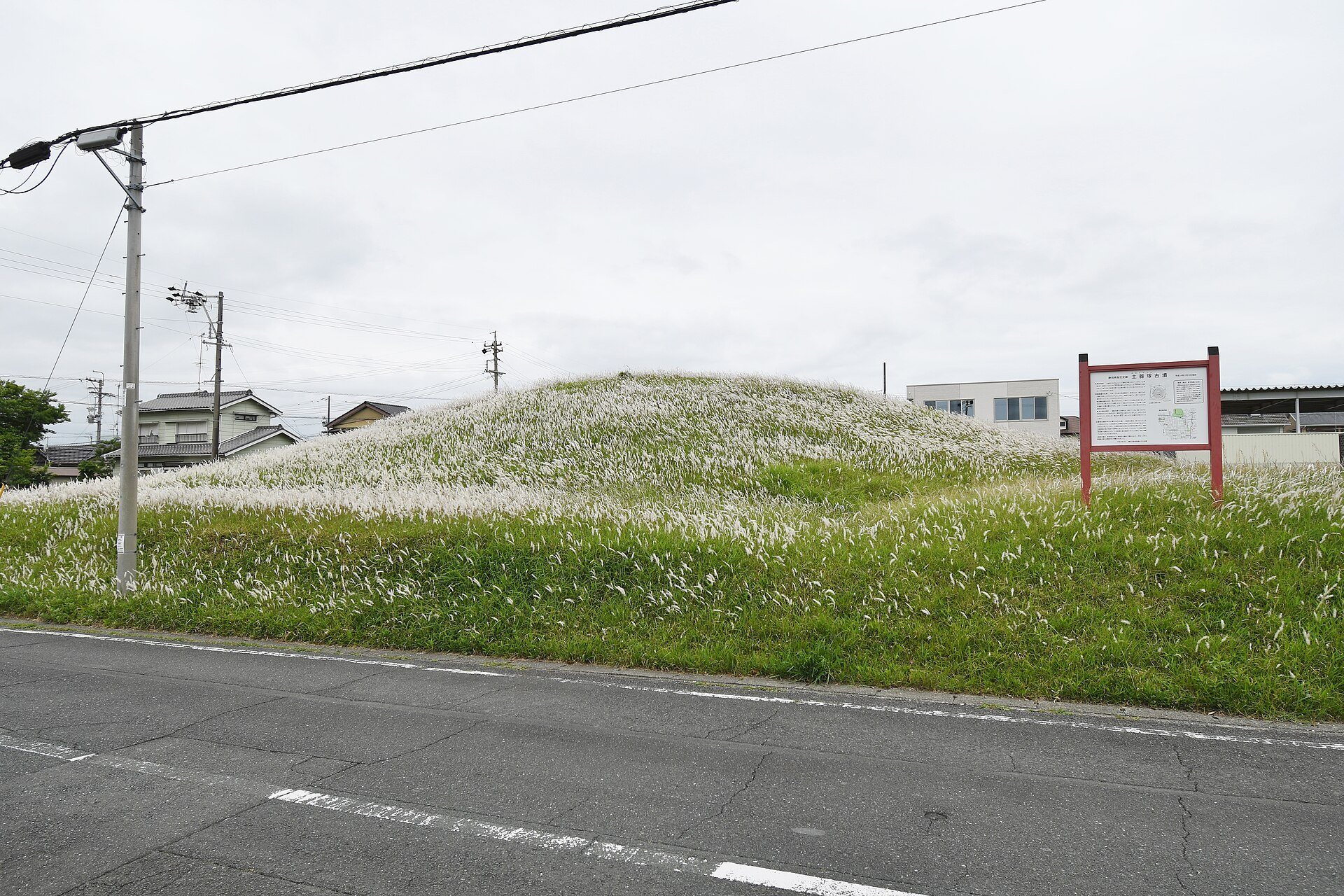
Kawarakezuka Kofun is a circular enpun, the Japanese form of burial mound with a round plan. It stands on a fluvial terrace at the southwestern edge of the Iwatabara Plateau in western Shizuoka Prefecture. The mound measures about 36 meters across and rises approximately 5 meters high. Its lower third was cut into the natural ground, while the upper two-thirds were formed by adding earth. A moat around the mound is about 7 meters wide and 1 meter deep.
Burial Facility and Finds
The complete burial facility has not been identified. Excavation detected a pit near the summit, measuring approximately 7 to 8 meters long and 1 meter wide, with its long axis running from east to west. A tubular bead and fragments of a rectangular-plate cuirass made from leather joined with lacing were found near the pit. These objects provide material evidence for the burial practices and equipment associated with the tomb.