Ruine Hausen: A Medieval Castle Ruin above the Danube Valley
Site at a Glance
- Rating
- 4.7
- Popularity
- Very Low
- Country
- Germany
- Primary era
- Medieval
- Eras represented
- Medieval
- Civilizations
- Holy Roman Empire
- Site type
- Military
- Remains
- Castle
On this page6 sections
History
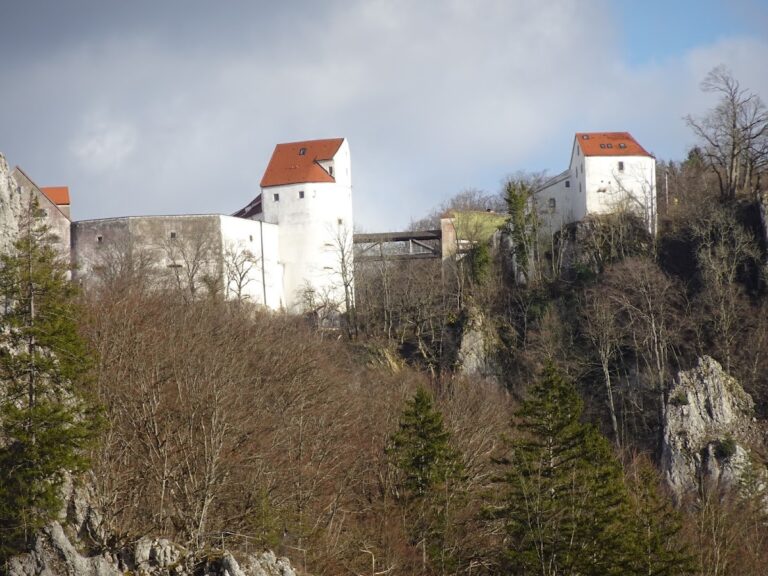
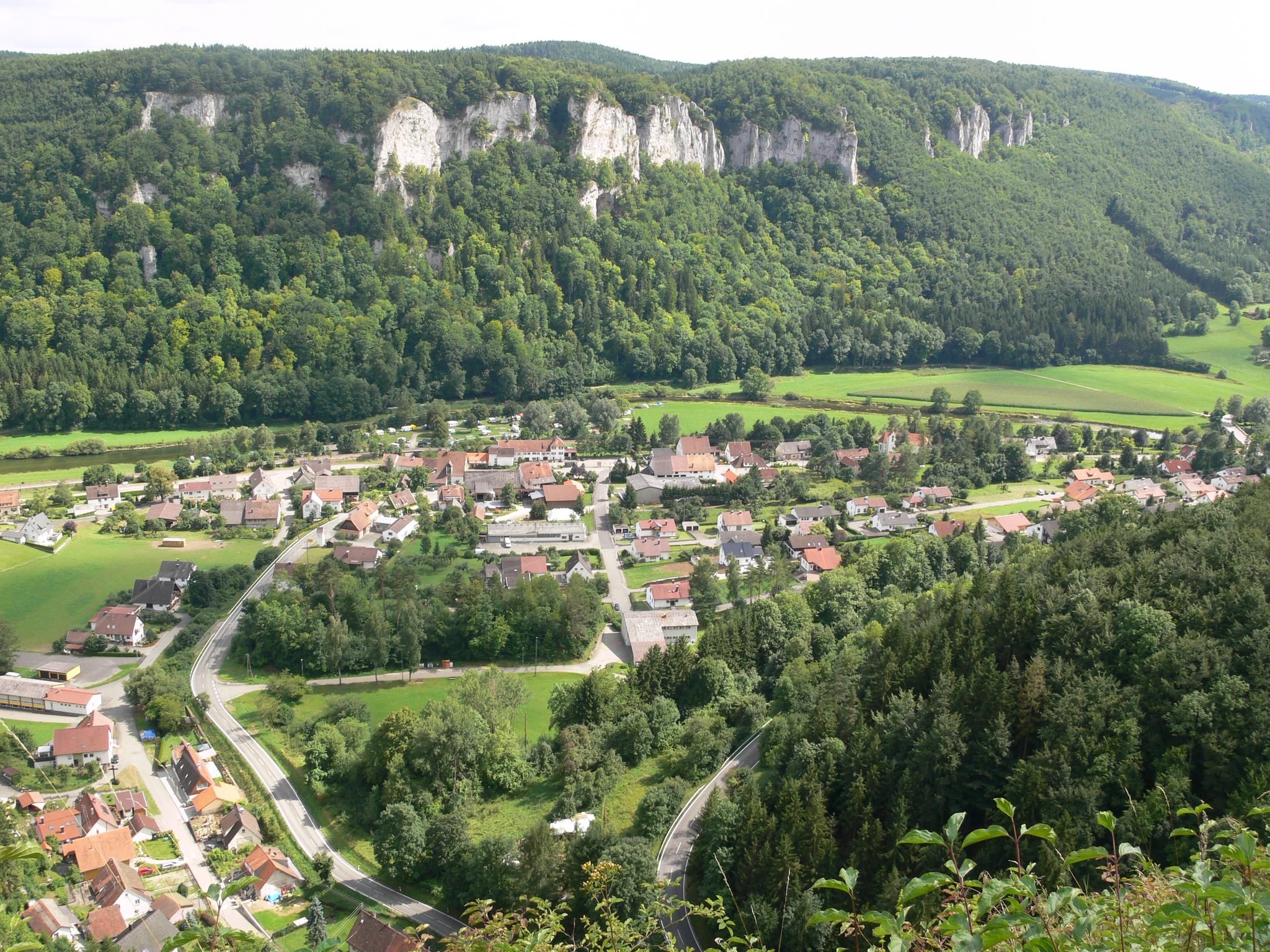
Ruine Hausen, also known as Schloss Hausen, is a medieval castle ruin in Germany, north of Hausen im Tal above the Danube valley. The castle was built in four phases beginning in the eleventh century and was recorded in 1094 as belonging to the noble von Hausen lineage. It later became the seat of the lordship of Hausen.
The von Hausen and Ramsberger lordships
In 1209, members of the Ramsberger family began calling themselves the “knights of Hausen.” Under their control, the castle was enlarged, and further alterations and extensions followed during the fourteenth and fifteenth centuries. The church of St. Nicholas in Hausen im Tal contains epitaphs commemorating members of the von Hausen family.
Ruine Hausen remained the seat of the lordship until the death of Sixt von Hausen in 1549. After 1648, the castle passed through several changes of ownership. It was still described as a state building before demolition began in 1813.
Modern interventions and ownership
In 1944, the German philosopher Martin Heidegger planned to restore the prominent tower and adapt it as a private retreat, alongside his hut in Todtnauberg. Shortages of materials and labor prevented the project from proceeding.
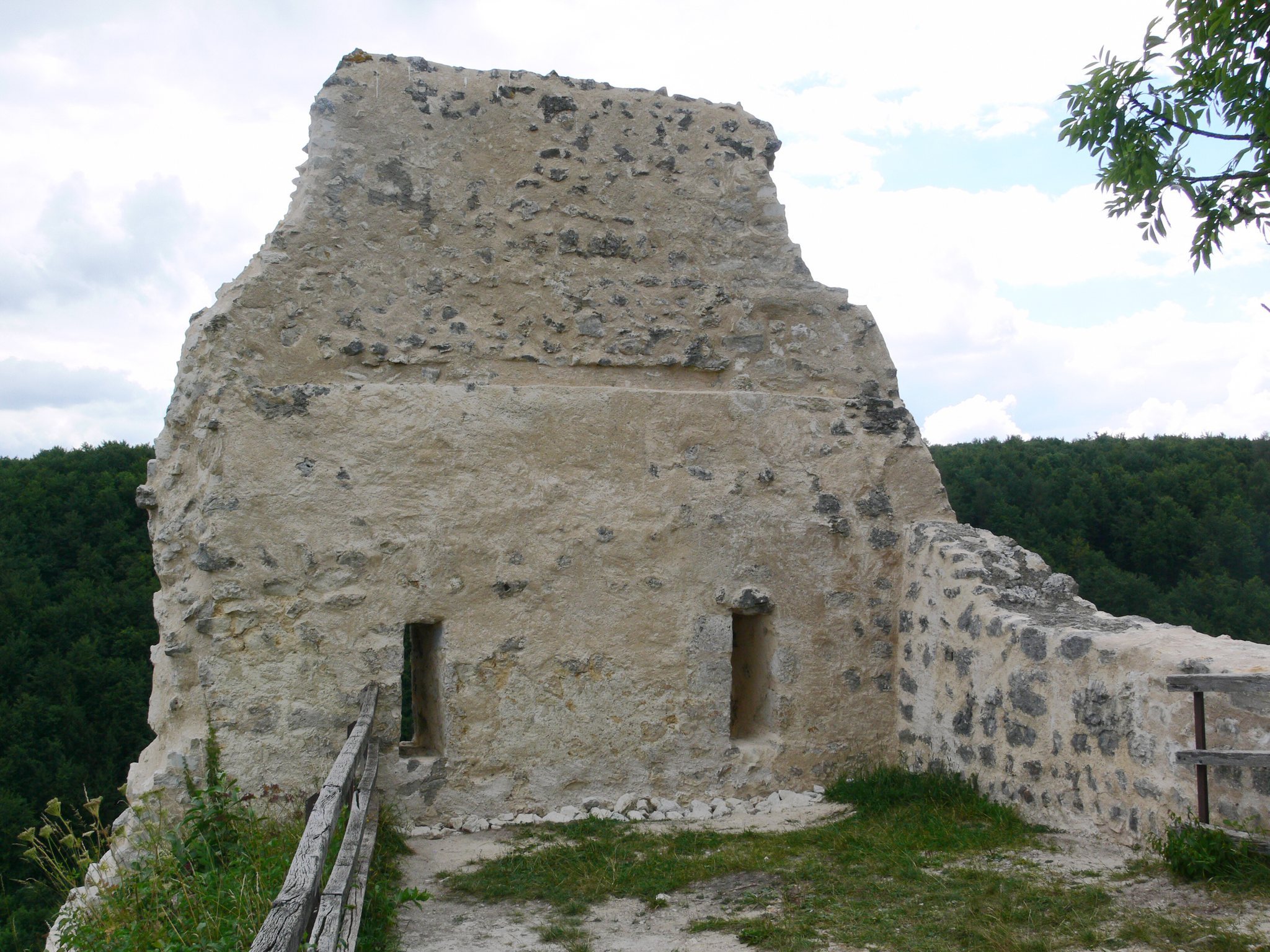
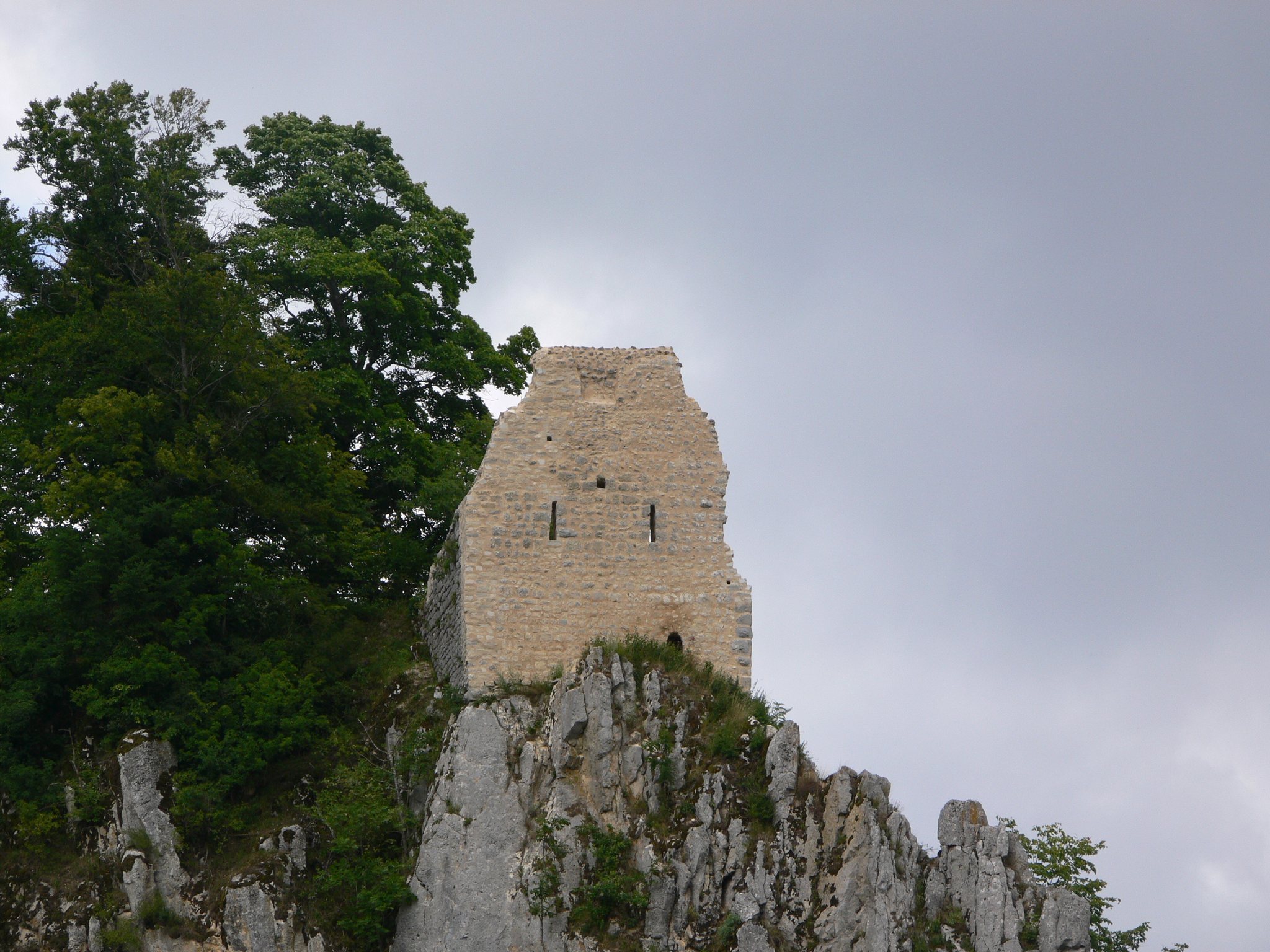
By 2007, the surviving gable wall required urgent stabilization because of the danger of collapse. The Ruinenschutz Oberes Donautal initiative carried out extensive repairs, and the site was named Baden-Württemberg’s “Monument of the Month” for February 2008. The castle grounds and ruin are privately owned by the Douglas noble family and maintained by the Count Douglas Forestry Office.
Remains
Rocky spur and surviving wall
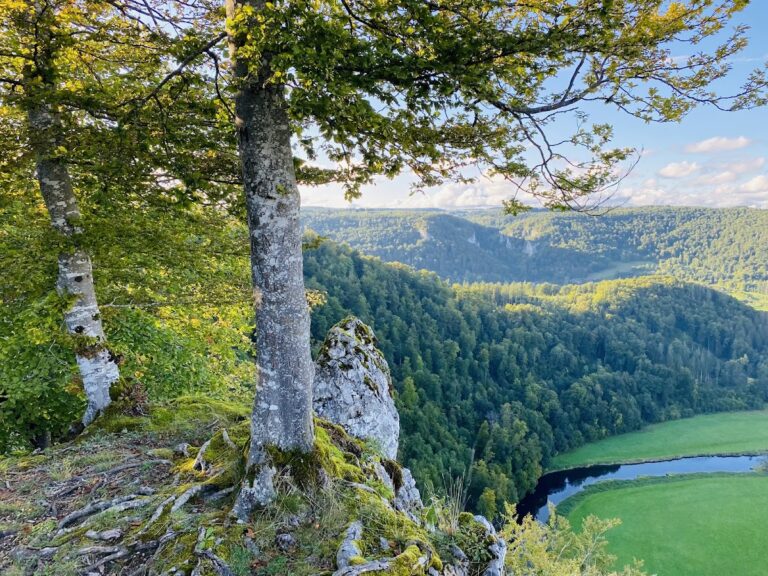
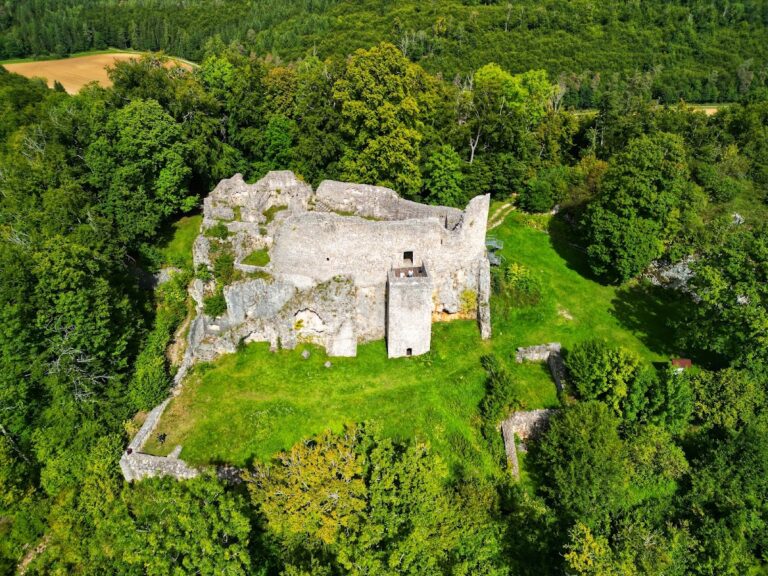
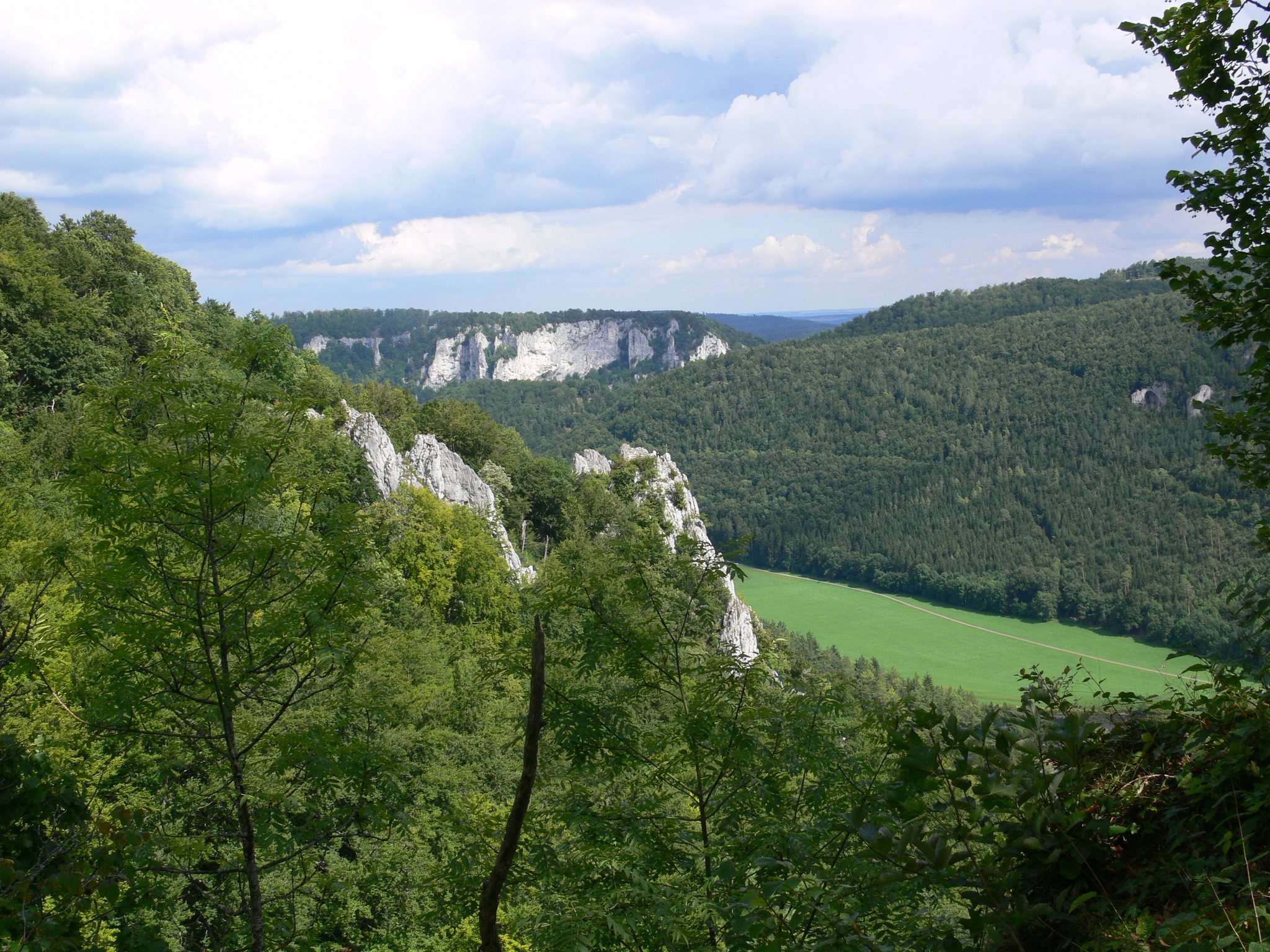
The ruin stands on a high rocky spur above the Danube valley, using the steep terrain characteristic of a spur castle, a fortified site built on a projecting ridge or rock spur. The castle lies at about 792 metres above sea level, almost 200 metres above the Danube, whose valley is about 593 metres above sea level.
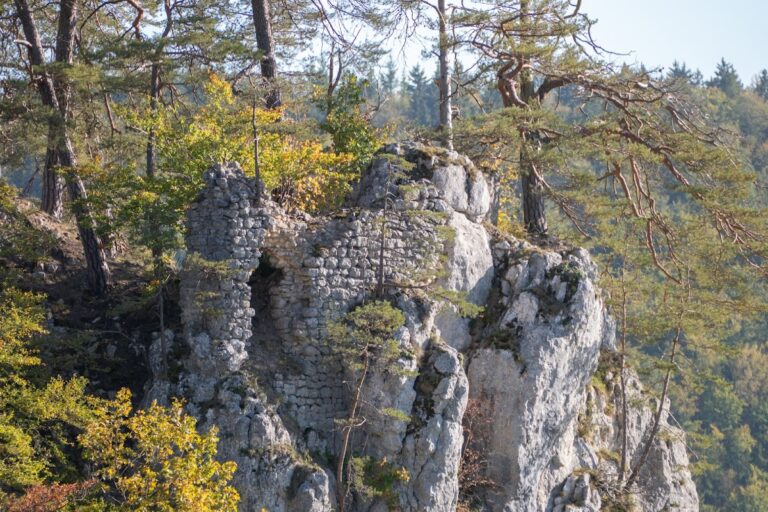
The surviving gable wall rises high above the valley and forms a prominent landmark of Hausen im Tal and the Upper Danube Nature Park. It is the surviving wall identified from the former castle, and its urgent stabilization in 2007 secured the remaining masonry.
Former castle complex
The original complex included a core castle, a palas, the principal residential and representative building of a medieval castle, together with a hall building and a keep, its main fortified tower. A drawbridge, outer works, a stone arch bridge, and a watchtower formed part of the defensive and access arrangements. Inner and outer castle gardens also belonged to the castle grounds.
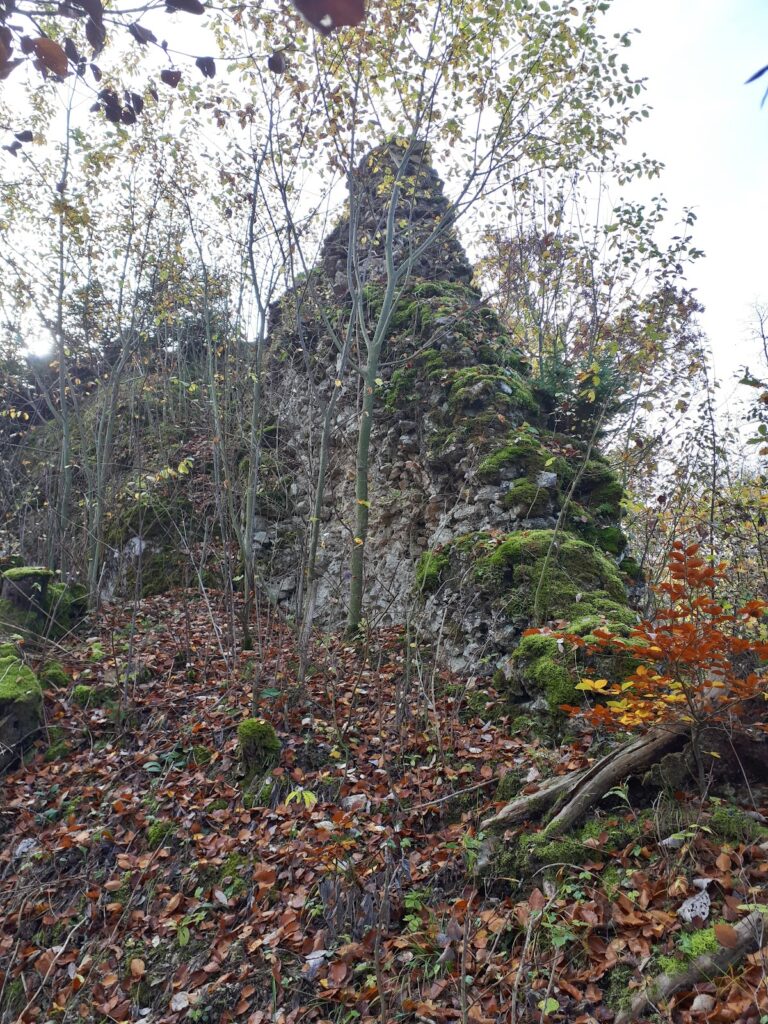
Surviving bossage blocks, masonry stones with rough or cushion-like projecting faces, indicate that the keep was pentagonal in form. These blocks provide physical evidence for the shape of the former tower within the wider castle complex.