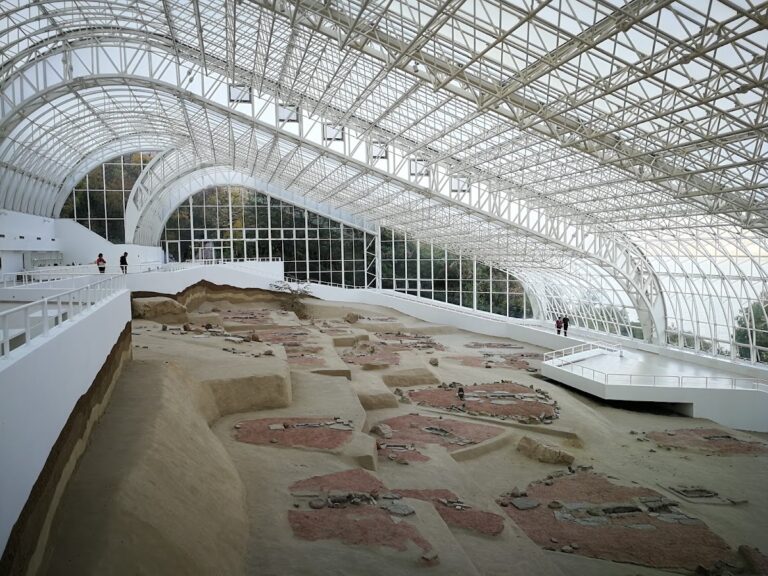
Roman Imperial Palace at Šarkamen: A Late Antique Imperial Memorial Complex
Site at a Glance
- Rating
- 4.5
- Popularity
- Very Low
- Country
- Serbia
- Primary era
- Classical
- External website
- Open
- Eras represented
- Classical
- Civilizations
- Roman
- Site type
- Domestic
- Remains
- Palace
On this page6 sections
History
The Roman Imperial Palace at Šarkamen in Serbia is a Late Antique residential and memorial complex built in the late third or early fourth century during the Roman Tetrarchy, the system of government in which four emperors ruled the empire simultaneously. The Roman emperor Maximinus Daia commissioned it in his birthplace as a lasting memorial to his status and achievements.
An Imperial Residence and Memorial
Maximinus Daia’s project followed the example of Galerius, another Tetrarchic emperor, who established the imperial palace complex of Felix Romuliana at Gamzigrad in eastern Serbia. Both complexes connected imperial authority with the rulers’ homelands. Šarkamen stood away from major trade routes and communication networks, as it does today, yet its scale and purpose placed it within the wider group of Tetrarchic imperial residences.
The palace was once thought to have remained unfinished because Maximinus Daia died relatively young. Later archaeological discoveries changed that interpretation by revealing both an imperial palace and a high-status tomb at the site. Šarkamen is identified as one of only four imperial palaces located outside Rome.
Discovery and Investigation
Felix Kanitz made the first written record of the site in 1889. In 1947, the architect Đurđe Bošković prepared a complete sketch of the archaeological locality. Archaeologists led by academician Dragoslav Srejović discovered the palace and the tomb in 1996. The tomb belonged to the imperial family and is believed to have held Galerius’s sister, who was also Maximinus Daia’s mother. The Krajina Museum in Negotin is responsible for the Vrelo-Šarkamen archaeological site.
Remains
The complex occupies approximately 25 hectares on a very steep bank of the Vrelo River near the village of Šarkamen, about twenty kilometres from Negotin in eastern Serbia. Much of the ground was filled and levelled to form a broad architectural platform. The site’s name derives from the Vrelo River, whose source rises from a cave approximately one kilometre from the former palace.
Palace Complex
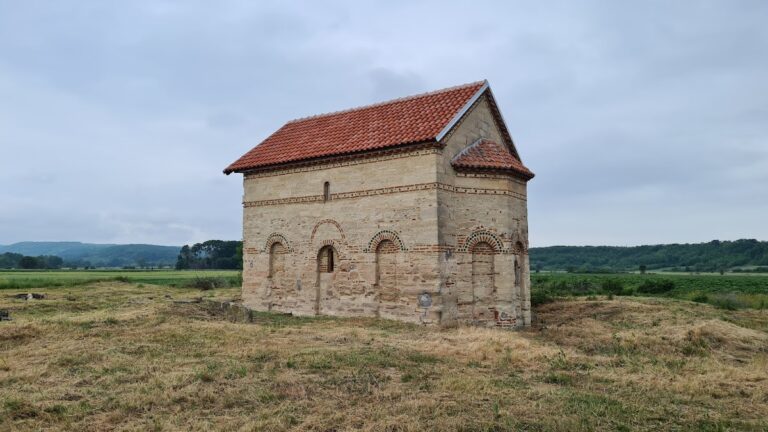
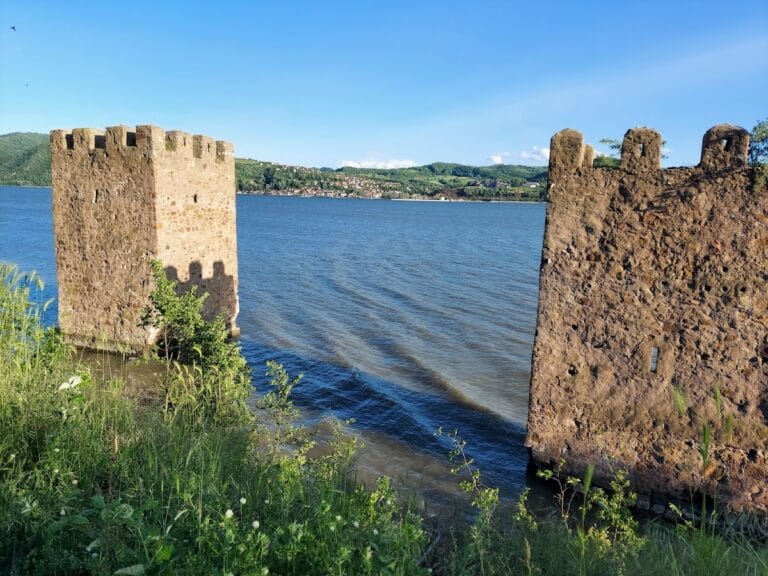
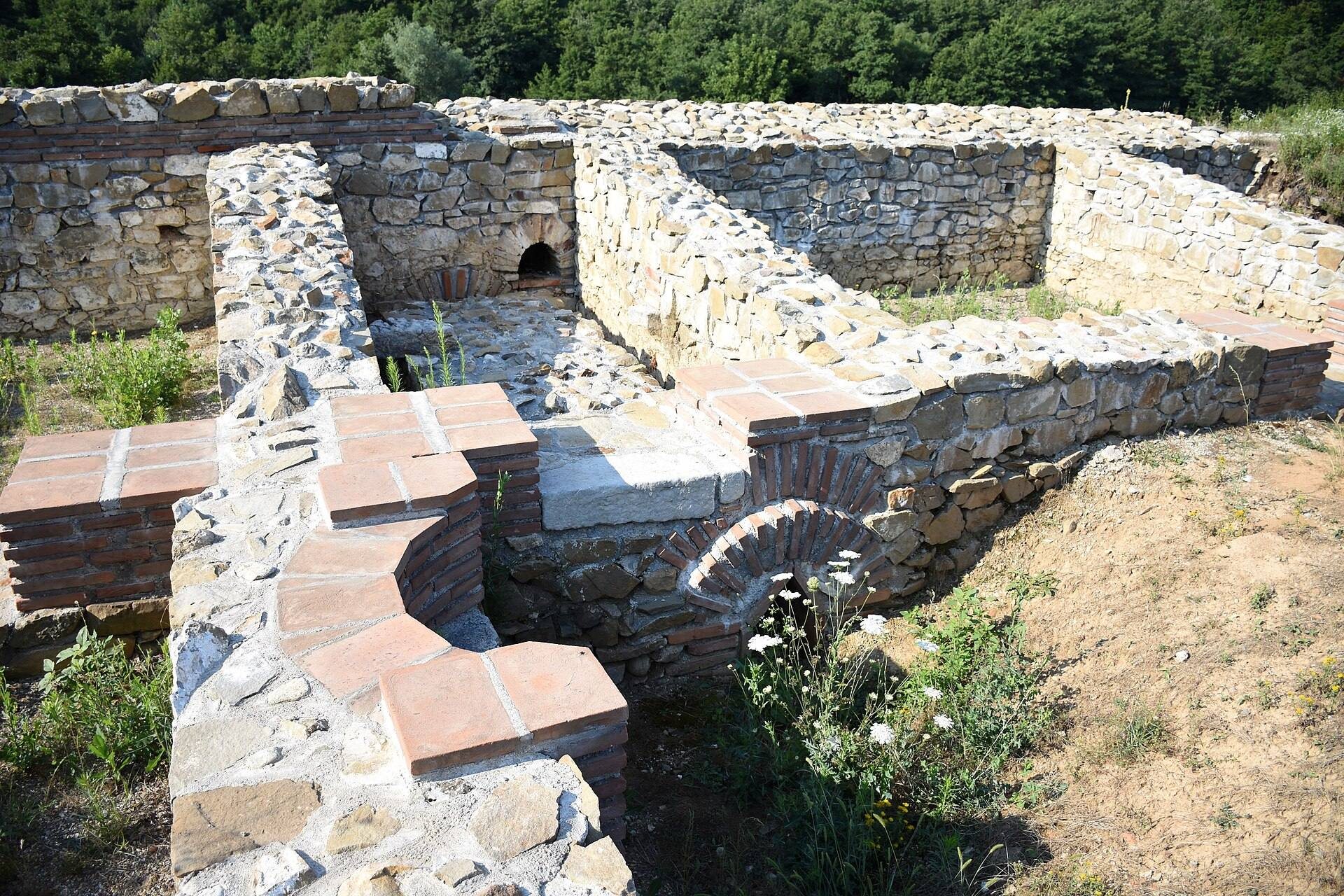
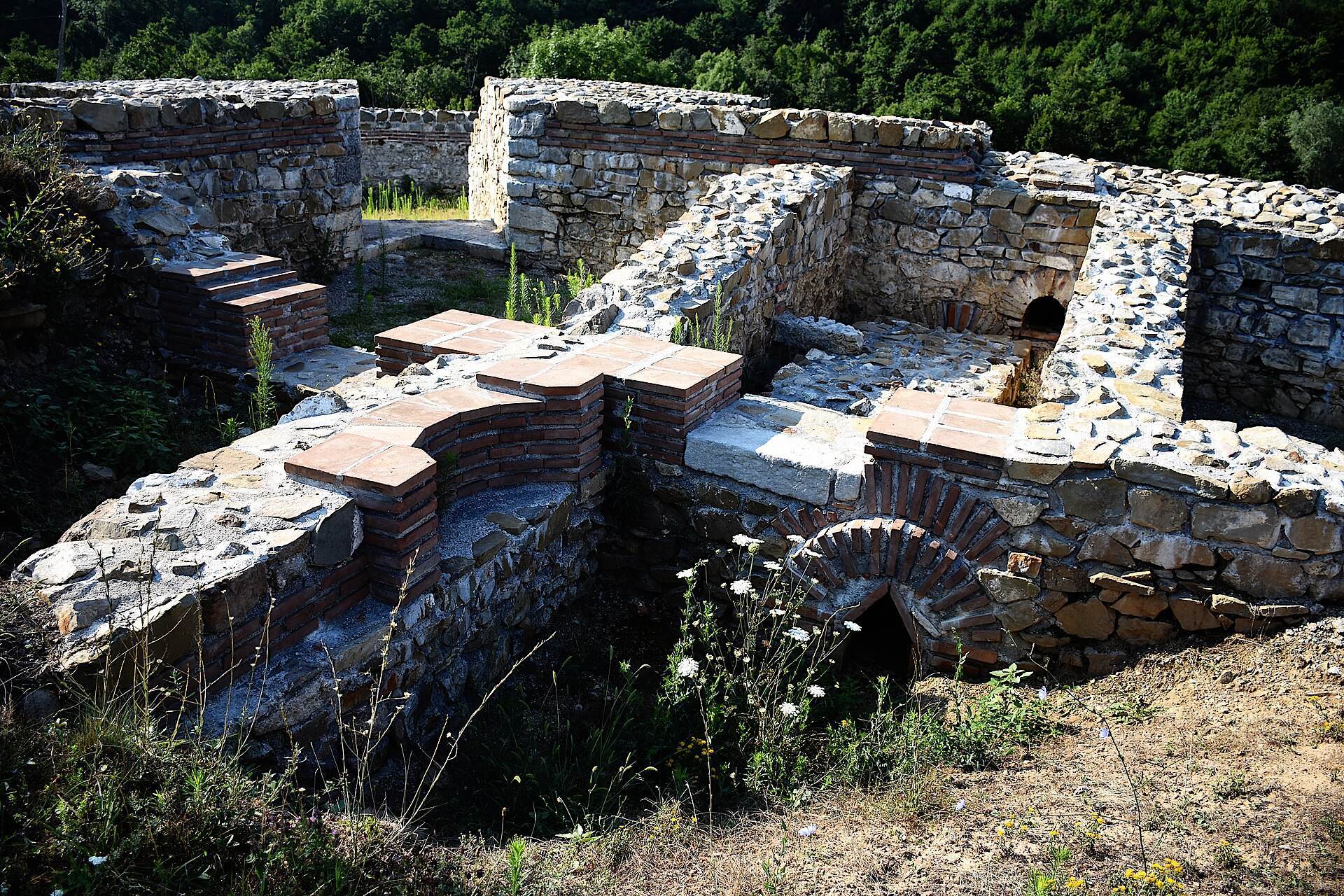
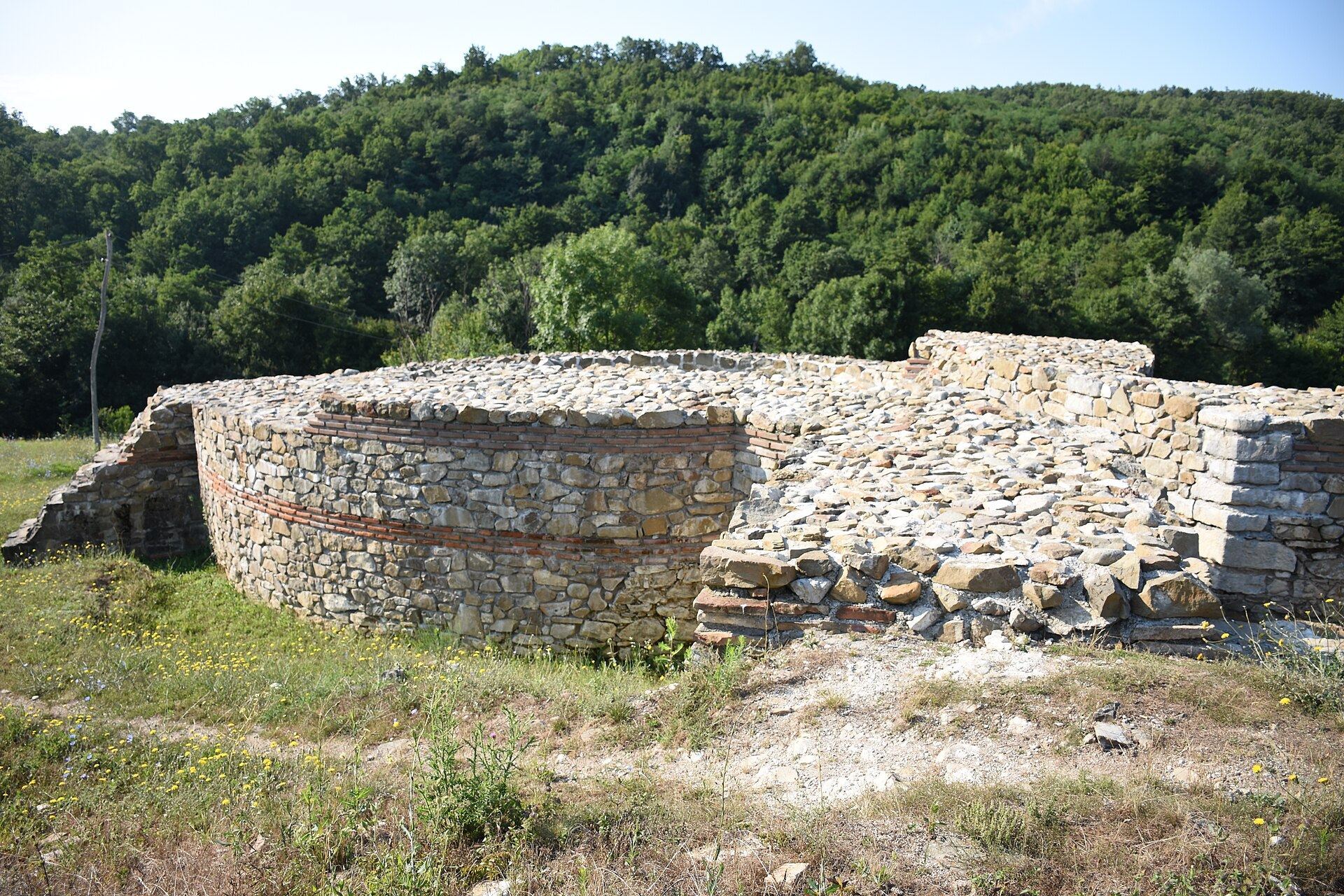
Surviving remains include the palace, ruined and reconstructed wall sections, auxiliary buildings, and a tower or tower walls. Together, these features represent a residential and ceremonial complex constructed on the prepared hillside platform. The palace forms part of the wider imperial setting associated with Maximinus Daia’s memorial project.
Imperial Tomb
A mausoleum, meaning a monumental tomb or funerary building, was discovered alongside the palace. The high-status burial contained six imperial gold objects, including necklaces, rings, plaques, and gold coins. Their contemporary estimated value was 1.3 million German marks. The objects and the tomb’s connection with the imperial family give the funerary building a central place in the interpretation of Šarkamen.