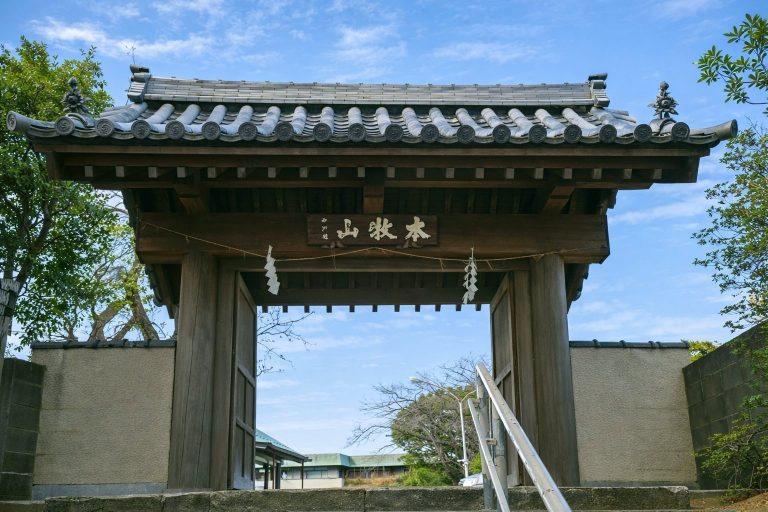
Tōrin-ji Temple: A Soto Zen Buddhist Temple in Yokohama


Site at a Glance
- Rating
- 3.6
- Popularity
- Very Low
- Country
- Japan
- Primary era
- Modern
- External website
- Open
- Eras represented
- Medieval, Early Modern, Modern
- Civilizations
- Japanese, Tokugawa
- Site type
- Religious
- Remains
- Monastery
On this page7 sections
History
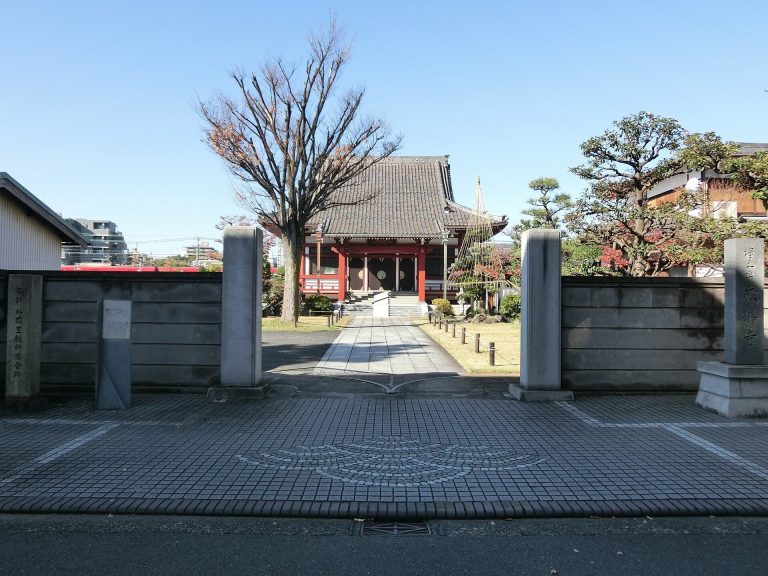
Tōrin-ji Temple is a Soto Zen Buddhist temple in Yokohama, Japan, founded in 1275 in what is now Shinohara, Kohoku Ward. Soto Zen is a major Japanese branch of Zen Buddhism that emphasizes seated meditation and disciplined everyday practice. The temple bears the mountain title Heavenly Sect Mountain, an honorific designation traditionally used alongside the names of many Japanese Buddhist temples.
Foundation and Medieval Revival
The temple was originally associated with Shingon Buddhism, an esoteric tradition centered on ritual, mantra, mandala, and devotional practice, and was known as Ege-dera. It prospered under the patronage of the Hōjō clan, the powerful warrior family whose members served as hereditary regents of the Kamakura shogunate. The clan granted the temple an estate in Shinohara Village assessed at 83 koku, a historical measure of land productivity based on the amount of rice considered sufficient to support one person for a year.
A fire in 1383 destroyed the temple halls, treasured objects, and donation documents. Tōrin-ji subsequently declined until 1496, when Ryōzan Shūgen, the second abbot of Sōken-in, revived the institution. He changed its affiliation to Soto Zen and gave it the temple name and mountain title that it bears today.
Rebuilding and Wartime Survival
A guest hall was constructed in 1700. In 1834, the temple was moved to its present site, where the guest hall and other buildings were rebuilt. Tōrin-ji recognizes its eighteenth abbot, Sōkō Daijo, as the figure who restored and revived the temple. During the tenure of the twenty-fourth abbot, the main hall received major repairs in 1909, while the priests’ quarters were rebuilt.
An air raid in May 1945 targeted a nearby army position, but the temple buildings escaped destruction. The main hall was extensively rebuilt in 1963, followed by major rebuilding of the priests’ quarters and guest hall in 1965 and 1966.
Memorial History
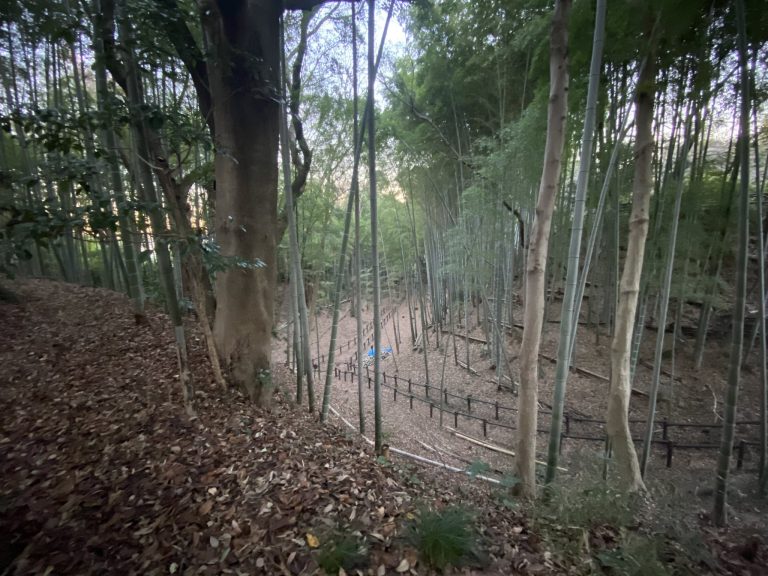
Tōrin-ji has a memorial connection with Koreans killed during the violence against Korean communities that followed the Great Kanto Earthquake of 1923. The earthquake struck the Kanto region and was followed by attacks on Korean and other minority communities. Tōrin-ji’s twenty-fourth abbot is said to have sheltered Koreans in the temple’s bamboo grove during the disaster.
Human remains collected after the earthquake were accepted by Tōrin-ji and another temple through the mediation of the abbot of a third temple. They were kept in Tōrin-ji’s main hall until an ossuary was established in 1961. During the war, the person who had gathered the remains prepared land for the memorial by excavating part of the hillside. Tōrin-ji’s twenty-sixth abbot expressed the principle that all people are equal before the Buddha. A memorial service for ancestors is held annually during the equinox period according to the traditional lunar calendar.
Remains
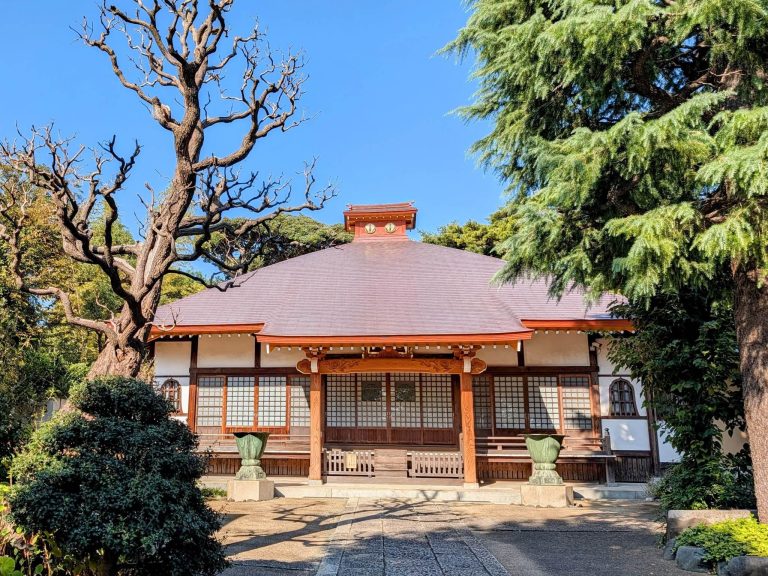
The temple complex contains a main hall, guest hall, priests’ quarters, and other halls. Its surviving layout reflects the buildings maintained and rebuilt on the present site after the temple moved there in 1834, while later twentieth-century rebuilding shaped the form of several principal structures.
Temple Buildings and Sacred Images
The main hall houses the principal image, an eleven-faced Kannon Bodhisattva. Kannon is associated with compassion, and the eleven-faced form represents multiple aspects of compassionate response. A smaller image of Kannon is kept within the principal image and is traditionally attributed to Gyōki, an eighth-century Japanese Buddhist monk known for religious organization, public works, and the establishment of temples and charitable facilities.
Stone Monument and Ossuary
A medieval stone five-ring stupa stands at the entrance to the cemetery. This type of Buddhist monument consists of five geometrical elements representing earth, water, fire, wind, and space. The stupa is traditionally regarded as the ancestral grave of the Masuda Kyūemon family, residents of Shinohara Village.
The grounds also contain a stone memorial tower for Korean victims of the 1923 massacre and an ossuary established in 1961 for the collected remains. Together, these features form the physical focus of Tōrin-ji’s memorial association with those who died in the violence following the earthquake.