Kumayama ruins: A Buddhist Stupa on Mount Kumayama


Site at a Glance
- Rating
- 4.2
- Popularity
- Low
- Country
- Japan
- Primary era
- Medieval
- External website
- Open
- Eras represented
- Medieval
- Civilizations
- Yamato
- Site type
- Religious
- Remains
- Stupa
On this page7 sections
History
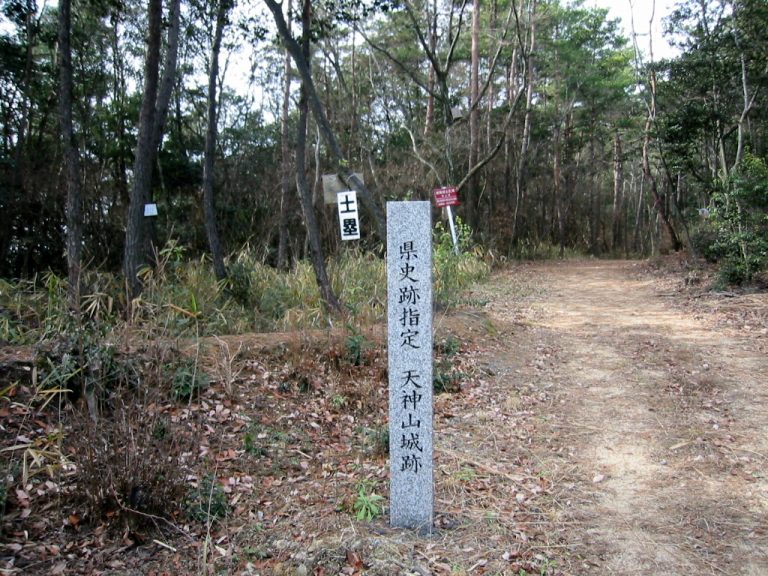
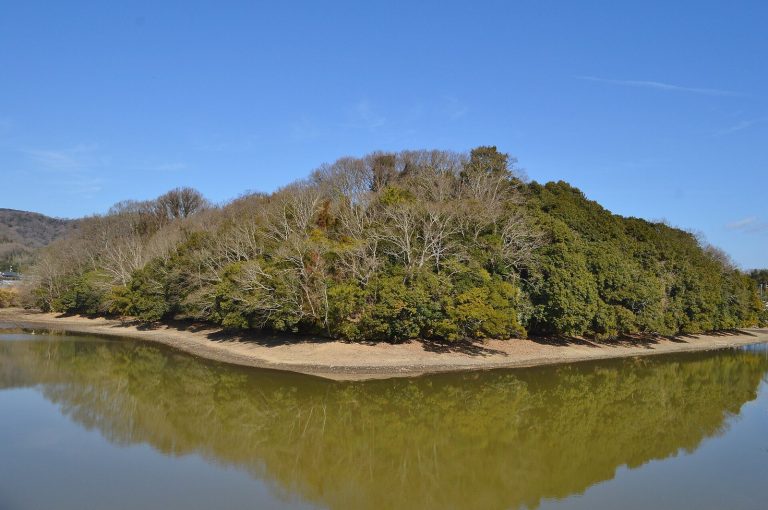
The Kumayama ruins are a Buddhist archaeological site in Japan, on Mount Kumayama in present-day Akaiwa, Okayama, generally regarded as having been built during the early Nara period. The monument stands near the summit of the 508-meter mountain, which has been considered sacred since ancient times.
A sacred mountain and early Buddhist monument
The structure is believed to have been built on an iwakura, a natural rock formation regarded as sacred and used for ritual activity. Religious practice associated with the site may reach back to the Yayoi period or earlier. The monument’s purpose was once understood in several different ways, including as a Buddhist ordination platform, a tomb, or a mound for sacred texts. Its form, niches, and associated objects have led more recent research to identify it as a Buddhist stupa, a monument connected with relics, memorial observance, or sacred writings.
Foundations of 32 masonry structures of different sizes have been identified at elevations above about 350 meters on Mount Kumayama. Together, these remains indicate that the monument belonged to a wider group of related constructions on the mountain.
Religious traditions and later interpretations
Local tradition attributes the monument to Ganjin, a Buddhist priest from Tang China who traveled to Japan in the eighth century and founded Tōshōdai-ji in Nara. A temple called Ryōzen-ji, which claimed to have been founded by Ganjin, stood near the monument until approximately the early Muromachi period.
In the modern period, the ruins acquired another religious interpretation through Oomoto, a Japanese new religious movement. Its founder and religious leader, Onisaburo Deguchi, regarded the structure as the tomb of Susanoo, a major deity in Japanese mythology and Shinto tradition associated with storms, the sea, and sword-bearing myths. Deguchi visited the ruins in 1930 and discussed them in Moon Mirror, one of Oomoto’s scriptures. The site was designated a National Historic Site of Japan on September 27, 1956.
Remains
Near the summit, the surviving monument is a stepped structure built from rhyolite masonry. A square base supports three smaller square platforms, producing a stepped-pyramid form approximately 3.5 meters high. The arrangement and deposited objects connect the monument with Buddhist stupas known as the Zutō in Nara and the Dotō in Sakai, Osaka, structures associated with the Asuka or early Nara period.
The stepped masonry monument
Platforms and niches
The lowest square base measures approximately 11.7 meters on each side. Above it, the first tier measures 7.7 meters per side and is 1 meter high, while the second measures 5.2 meters per side and is 1.2 meters high. The uppermost tier measures 3.5 meters per side and is also about 1.2 meters high. These four successive widths, approximately 11.7, 7.7, 5.2, and 3.5 meters from bottom to top, define the monument’s tapering profile.
Each side of the second tier contains a square horizontal niche centered in the masonry. The openings are approximately 65 to 90 centimeters high, 62 to 73 centimeters wide, and 90 to 136 centimeters deep. They are thought to have served as small shrines or receptacles for Buddhist images and other objects.
Central chamber and deposited objects
A vertical stone chamber occupies the center of the upper platform. Its lower section is square, approximately 74 by 81 centimeters, and extends about 2 meters deep. The chamber contained a ceramic cylindrical container measuring 162 centimeters in height. It consists of a flat cylindrical base, three stacked cylindrical sections, and a jewel-shaped upper element with flame-like projecting bands on four sides.
Wave-pattern decoration survives on both the inner and outer surfaces of the container, although parts of its exterior were thinly abraded or rubbed away. The container held a small sancai pot, made with several colored glazes traditionally including green, amber, and cream or white. It reportedly also held a leather scroll bearing an inscription. The scroll was stolen during illicit excavation in 1937 and remains missing, with no details of its inscription recorded. The cylindrical container is preserved at Tenri University in Tenri, Nara.