Jigen-ji Temple: Nozaki’s Soto Zen Kannon Temple in Japan


Site at a Glance
- Rating
- 4.1
- Popularity
- Low
- Country
- Japan
- Primary era
- Early Modern
- External website
- Open
- Eras represented
- Early Modern
- Civilizations
- Tokugawa
- Site type
- Religious
- Remains
- Temple
On this page11 sections
History
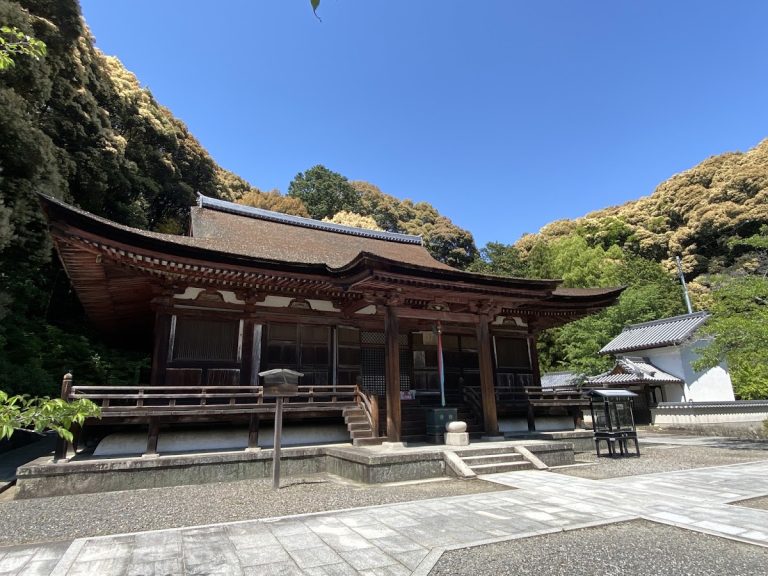
Jigen-ji Temple is a Soto Zen Buddhist temple in Daito, Osaka, Japan. Formally called Fukujusan Jigen Zenji and also known as Nozaki Kannon, it is traditionally dated to the Tenpyo Shoho era, from 749 to 757, and belongs to the Kawachi Saigoku Thirty-Three Kannon circuit as a special additional temple. This regional pilgrimage route links temples associated with Kannon, the Buddhist bodhisattva of compassion.
Foundation and Revival
The temple’s foundation tradition connects it with Gyoki, an influential Japanese Buddhist monk who lived from 668 to 749 and was credited with founding temples, organizing religious communities, and undertaking public works. A Brahmin monk said to have come from India told Gyoki that the area resembled Deer Park, near Varanasi, where Shakyamuni Buddha was traditionally believed to have preached his first sermon after enlightenment. Gyoki then carved an Eleven-Faced Kannon from white birch and enshrined it at the site. Tradition also says that this image was made from the same wood as the principal image of Hasedera, a Japanese temple especially associated with Kannon worship.
During the Heian period, a courtesan known as the Lady of Eguchi is said to have moved the temple to its present location and helped restore it after recovering from a serious illness. Jigen-ji regards her as its principal reviver. The relocation is also associated with possible involvement by the Shingon tradition, a major Japanese Buddhist school known for esoteric ritual and teachings.
Castle Warfare and Reconstruction
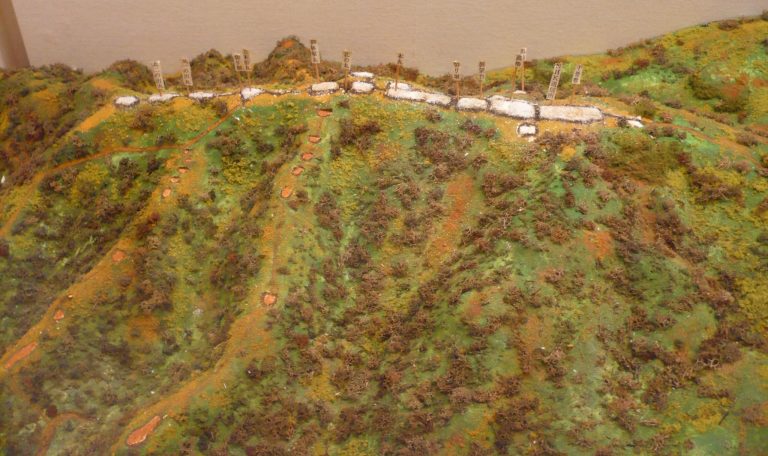
During the Muromachi period, the Hatakeyama clan, military governors of Kawachi, built Nozaki Castle behind the temple. Warfare connected with the castle brought decline to Jigen-ji. In 1565, the temple was caught in the fire of the battle between the Miyoshi Triumvirate and Matsunaga Hisahide, an event also known as the Battle of the Great Buddha Hall at Todai-ji. The temple was completely burned except for its principal image.
The priest Seigan rebuilt Jigen-ji in 1616. The Nozaki pilgrimage began in 1682 and grew increasingly popular during the Genroku and Hoei periods, from 1688 to 1710. As pilgrim activity increased, the settlement in front of the temple prospered.
Pilgrimage and Cultural Tradition
The annual Muenkyo Buddhist service, held in early May and traditionally known as the Nozaki Pilgrimage, has continued since the Edo period. It offers prayers of gratitude for all beings, whether or not they are connected to the worshippers. Other services take place in spring and autumn, while weekly Zen meditation meetings are held on Sundays and sutra-copying meetings on the eighteenth day of each month.
Historically, pilgrims could travel from Osaka by boat upstream to Fukano Pond, which formerly lay near the foot of Mount Ikoma. Boats ran from Hachikenya-hama at Tenmabashi to the pond. After the Yamato River was rerouted, the connected waterways included the Neyagawa and its tributary, the Yata River. A tradition held that pilgrims arriving by boat and those traveling by land exchanged insults, with the side winning the verbal contest believed to receive good fortune for the year.
Jigen-ji also became part of the literary and performing-arts tradition surrounding the pilgrimage. The temple appears in Chikamatsu Monzaemon’s puppet-theater and kabuki work The Woman-Killer Oil Hell and in Chikamatsu Hanji’s The New Version of Uta Zaimon, commonly called Nozaki Village. It is also associated with the rakugo performance Nozaki Pilgrimage, in which a single performer presents comic or dramatic narratives. The song Nozaki Kouta commemorates the pilgrimage through the tragic love story of Osome, a merchant’s daughter, and Hisamatsu, a shop assistant.
Later Damage and Continuing Observance
Heavy rains on July 12, 1972, caused a landslide that buried and completely destroyed the temple’s great study hall. The early-May Muenkyo service and the pilgrimage traditions continue to express the enduring cultural importance of Nozaki Kannon. From May 1 to 10, the approach from Nozaki Station to the temple is lined with fair stalls, continuing a public tradition associated with the pilgrimage.
Remains
Jigen-ji stands on the mid-slope of the northern Ikoma mountain range, overlooking the Osaka Plain. A mountain path from the precincts passes the ruins of Nozaki Castle and crosses a suspension bridge toward Mount Iimori and the ruins of Iimori Castle. The temple grounds include a nine-tiered stone pagoda, a Buddhist monument formed from stacked roofs that commonly serves as a reliquary or commemorative structure.
Principal Image
Eleven-Faced Kannon
The principal image is a wooden standing Eleven-Faced Kannon traditionally attributed to Gyoki. Kannon, also called Kanzeon Bosatsu, is the bodhisattva of compassion, while the Eleven-Faced form represents a manifestation associated with multiple aspects of compassionate aid. The statue is generally dated to the middle of the Heian period. It began as a standing Shō-Kannon, the single-faced form of Kannon, and was altered into its present Eleven-Faced form during the early Edo period. The image survived the fire of 1565 and remains identified with Jigen-ji’s Eleven-Faced Kannon tradition.
Pagoda and Treasures
Stone Pagoda
A nine-tiered stone pagoda stands within the precincts. Its stacked roofs form a vertical sacred monument and represent a Buddhist reliquary or commemorative structure.
Painting and Bashō Monument
The temple preserves a painting of Shakyamuni Buddha entering nirvana, called Shaka Nehan Zu, as a treasure. Its precincts also contain a stone monument inscribed with a poem by Matsuo Bashō, the Edo-period Japanese poet known for his haiku and travel writings.