Ishinohōden Kofun: A Terminal Kofun-Period Burial Chamber in Japan
Site at a Glance
- Rating
- 3.9
- Popularity
- Very Low
- Country
- Japan
- Primary era
- Medieval
- External website
- Open
- Eras represented
- Medieval
- Civilizations
- Yamato
- Site type
- Burial
- Remains
- Tomb
On this page7 sections
History
Ishinohōden Kofun is a terminal Kofun-period burial mound in Japan, located at Uchiage in Neyagawa, Osaka, and built around the middle of the seventh century by a powerful local elite. The Kofun period was the era of large elite burial mounds in Japan, conventionally dated from approximately the third to the seventh century. In its final phase, burial chambers became smaller but technically elaborate, and Ishinohōden is distinguished by a horizontal-entry stone chamber cut from massive granite.
A late Kofun-period elite tomb
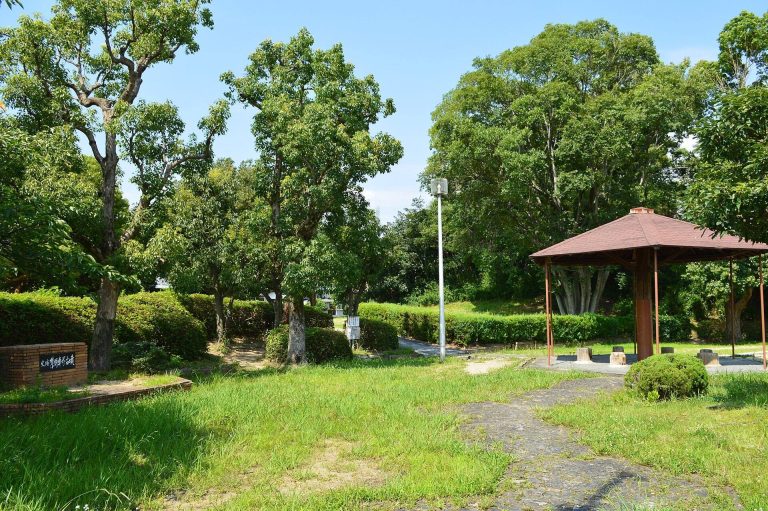
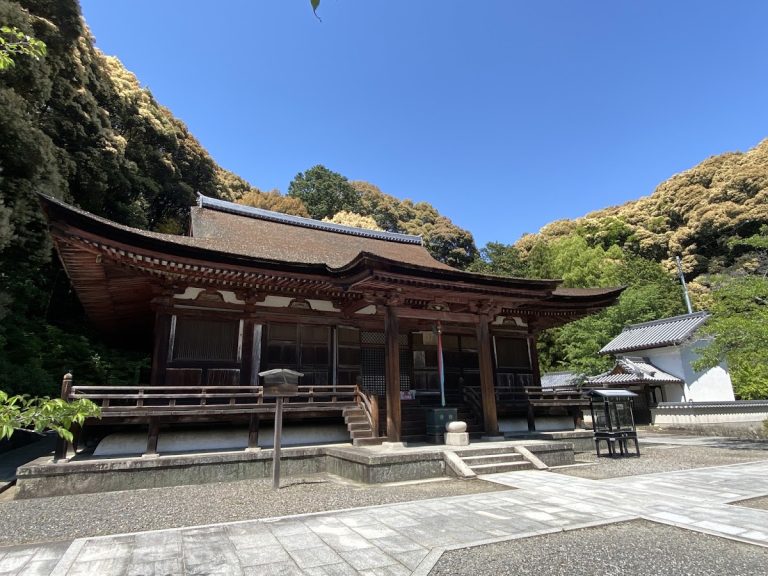
The tomb stands on a hillside at the northern end of the Ikoma Mountains, behind Uchiage Shrine, also known as Kora Jinja. Kora Jinja is a Shinto shrine. Ishinohōden was constructed as an isolated tomb after the sixth-century cemeteries known as the Uchiage Kofun Group and the Uchiage Shrine Kofun Group. Its side-entered chamber fits a burial tradition associated with ruling-class burials at the end of the Kofun period, supporting the interpretation that the monument belonged to an influential local figure.
The date is generally placed around the middle of the seventh century. Fragments of Sue ware, a high-fired ceramic tradition produced with kiln technology during the Kofun period, include material assigned to the early stage of the TK217 type, an archaeological classification used in Sue ware chronology. These finds support a seventh-century date, although one interpretation considers the pottery fragment intrusive rather than contemporary with the tomb.
Form, memory, and later investigation
The original shape of the monument remains uncertain. The surviving arrangement of stones has prompted an interpretation of an originally octagonal tomb, while the visible remains do not preserve a clear earthen mound. Medieval earthenware bowls were associated with beliefs concerning the tomb, showing that the site continued to hold meaning after its construction.
The burial chamber had been open for centuries. In 1774, a gilt-bronze burial vessel containing white bones was found nearby and reburied within the grounds of Gokurakuji Temple. The discovery was described in the 1801 publication Kawachi Meisho Zue. In 1874, Saisho Atsushi, the governor of Sakai Prefecture, sought permission to sell the vessel, after which its whereabouts became unknown.
Survey work by the archaeologist Sueji Umehara during the Taishō period was reported in 1914. Further measurement took place in 1978, followed by an excavation in 1988 connected with repairs to the entrance passage. The kofun area received designation as a National Historic Site of Japan on May 10, 1973.
Remains
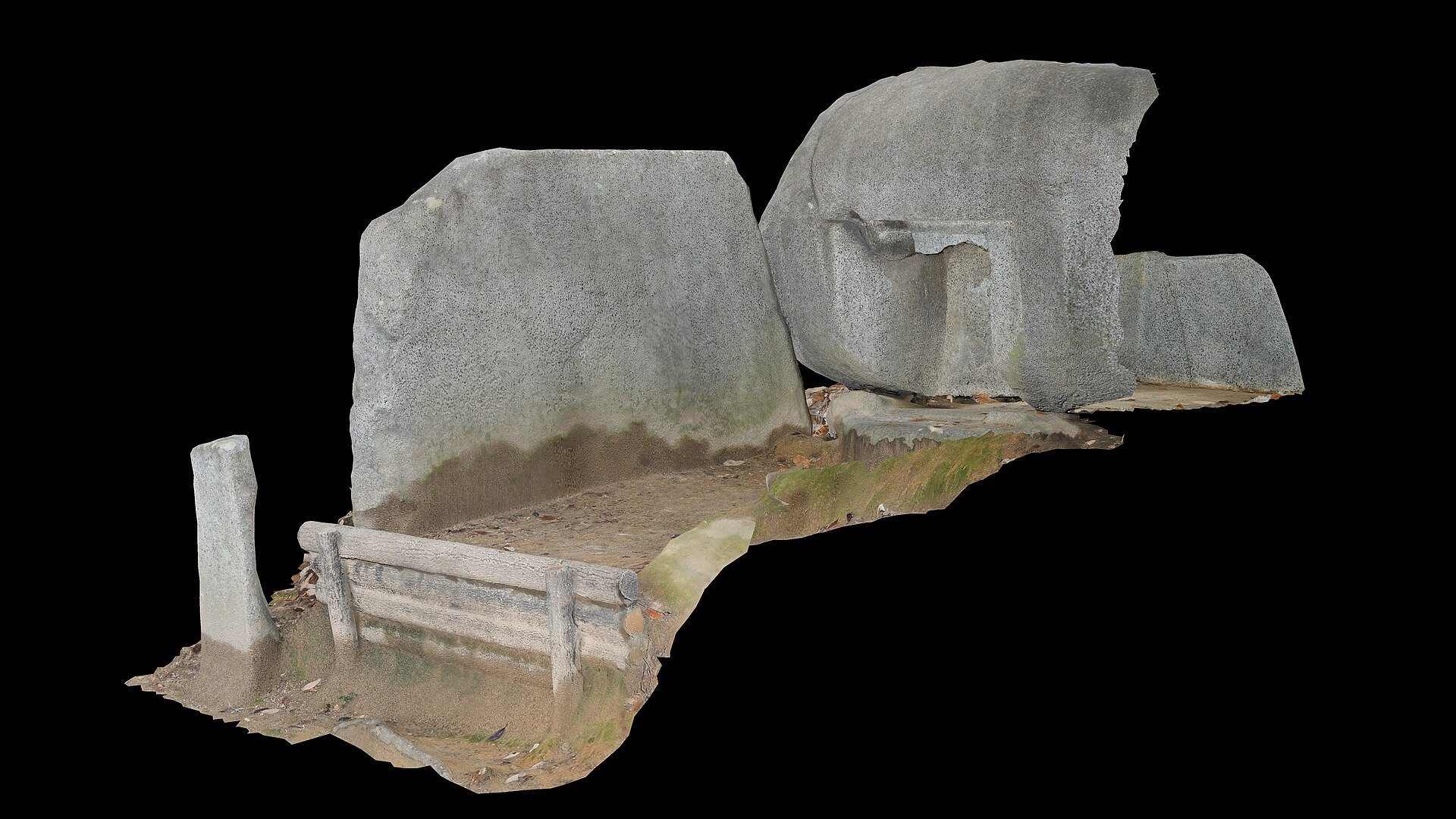
The surviving monument is centered on a south-facing horizontal-entry burial chamber made from two large granite monoliths hollowed out and fitted together. A paved area extends between the chamber and a stone alignment to the north, while additional megaliths define the approach at the front. Together, these elements preserve the tomb’s principal construction and the arrangement of its entrance precinct.
Granite burial chamber and entrance
The lower monolith was flattened to serve as the base. It measures approximately 3 metres from north to south and 0.10 metres in thickness. The upper capstone measures about 3.2 metres across and 1.7 metres thick. A passage cut into the capstone forms the chamber entrance. It is approximately 2.30 metres long, 0.55 metres wide, and 0.70 metres high at the front. Around 0.90 metres from the entrance, the passage widens at a right angle to about 0.90 metres, while its height decreases to approximately 0.68 metres.
Fittings and pivot holes at the front relate to a blocking door hinged on the west side. The door itself is missing, but circular depressions on the upper and lower surfaces beside the entrance mark the positions associated with its movement.
Entrance side stones
Two granite megaliths stand on either side of the chamber’s approach. The eastern side stone is a split block approximately 2.4 metres long, 1.5 metres high, and 0.40 metres thick. The western stone is a split block with a truncated triangular-pyramidal form and a maximum width of about 1.2 metres. Their arrangement defines the entrance passage and demonstrates the use of large, shaped stones beyond the chamber itself.
Northern stone alignment
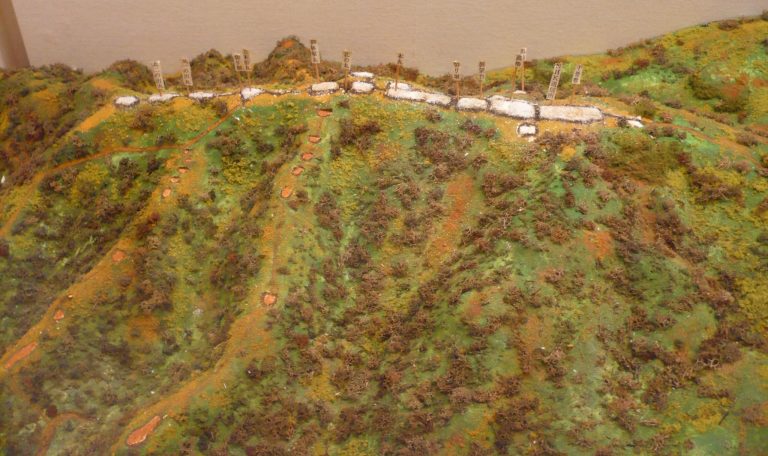
A short distance north of the chamber, four recognized stones form an alignment. Three lie in an east-west row, while the westernmost stone, found during the 1988 investigation, is set at an angle of 135 degrees to that line. The arrangement has been interpreted as a boundary for the burial precinct, as retaining stones for an earthen mound, or as supports retaining the natural ground. If the stones held an earthen mound, their geometry could indicate an originally octagonal form. Paving stones occupy the space between this alignment and the chamber.
Material associated with the kofun includes Sue ware fragments, including pieces assigned to the early stage of the TK217 type, and medieval earthenware bowls. The gilt-bronze burial vessel recovered in the Edo period is not a surviving object at the site.