Jōnokoshi Site: A Kofun-Period Ritual Waterworks and Settlement in Japan
Site at a Glance
- Rating
- 3.7
- Popularity
- Very Low
- Country
- Japan
- Primary era
- Classical
- Eras represented
- Classical, Medieval
- Civilizations
- Yamato
- Site type
- Religious
- Remains
- Sanctuary
On this page9 sections
History
Jōnokoshi Site is a Kofun-period settlement and ritual site in Japan, located in Hido, Iga, Mie Prefecture. Its principal ritual phase ran from the latter half of the fourth century to around the fifth century, during the later Early Kofun and Middle Kofun periods, when elite tombs, chiefly authority, settlements, and ritual practices were becoming increasingly complex. The site occupied the southeastern end of a small basin surrounded by low hills, with the Kizu River about 700 meters to the west.
A chiefly ritual complex
The scale of the waterworks and four large buildings indicates that an influential chiefly group organized the ceremonies at Jōnokoshi. The large ditch complex in the A District drew water from springs and incorporated channels, ponds, standing stones, and steps. Two further large buildings in the B District stood near the point where the Kitagawa stream emerged from a valley into the basin, and are associated with rituals involving water.
The four buildings have also been interpreted as a chiefly residence. Another interpretation regards them as a large ritual precinct established by the chiefly elite. Their scale has been compared with the main building and outer boundary of the elite residence at the Mitsudera I Site in Takasaki, an indication of the high status attributed to the group responsible for the Jōnokoshi ceremonies.
Later development and burial
During the Late Kofun period, the large ditch system was gradually filled while numerous small post-built structures were erected around it. The wider settlement continued from the Kofun period into the medieval period and covered approximately 13,000 square meters. It included at least 29 pit dwellings and more than 50 post-built buildings, later expanding to contain many warehouse-type structures.
The ritual complex was being buried during the Late Kofun period and had been completely covered by the Nara period. A Sue ware cup, a high-fired gray ceramic vessel, bears an ink inscription meaning “garden” and dates from this period of burial. The inscription is an important clue to the way the waterworks were understood or described at the time.
Investigation and preservation
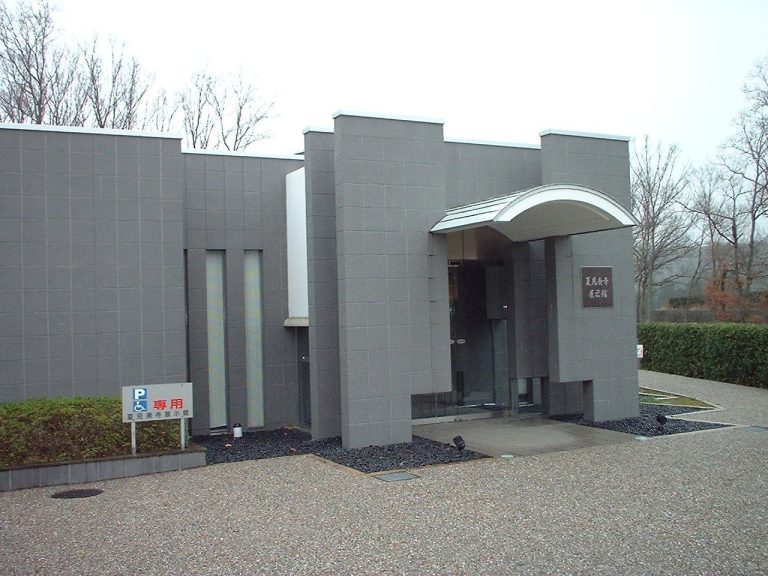
Distribution and trial surveys began in fiscal year 1990, followed by major excavation in fiscal year 1991, which identified the large ditch ritual complex. Investigations connected with preservation and site improvement continued in fiscal years 1992 and 1994, while road-improvement works led to another excavation in fiscal year 1996. Jōnokoshi became a Mie Prefectural Historic Site on February 21, 1992. Its central area was designated a National Historic Site and National Place of Scenic Beauty on October 29, 1993, recognizing both its archaeological importance and the distinctive character of its waterworks. After preservation and improvement works, it opened as the Jōnokoshi Site Archaeological Park in October 1997.
Remains
The archaeological area occupies the edge of a low-hill zone within a basin of approximately 1.5 square kilometers. It is divided into the A District on the plain and the B District on a hillside in a valley at the southeastern end of the A District. The preserved remains include the interconnected waterworks, their stone features, the central ritual area, and the positions of four large post-built buildings.
The A District waterworks
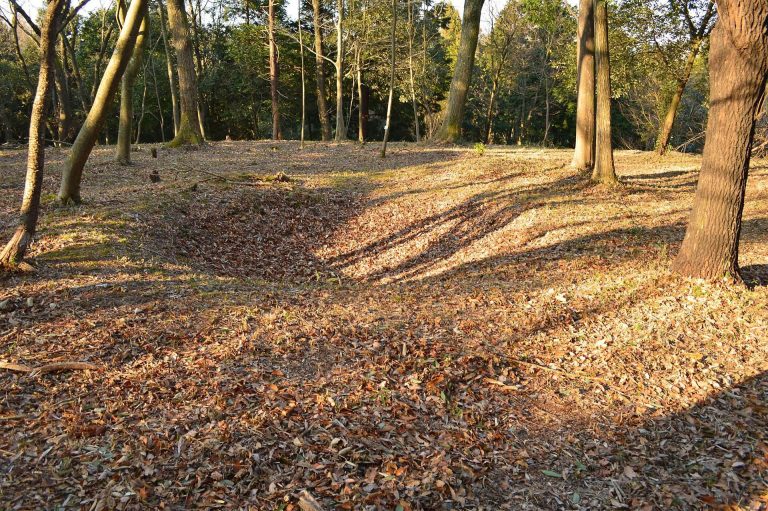
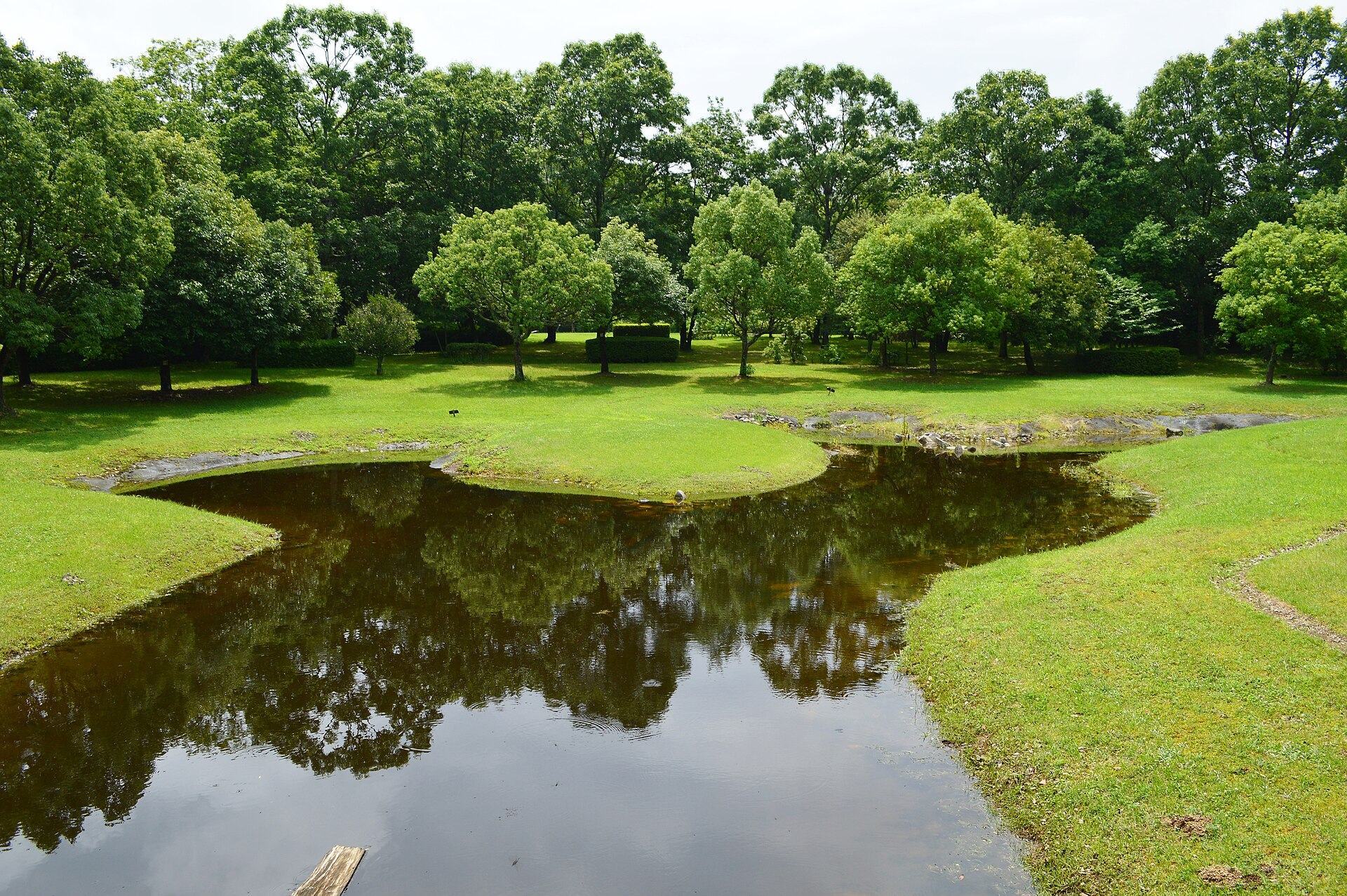
The A District contains the large ditch ritual complex, whose channels collected spring water from three sources. Two springs were lined with stones, and the channel slopes were strengthened with stone revetments, which stabilized the banks and controlled erosion. Artificial ponds and channels about two meters wide formed an interconnected system. Standing stones and steps marked points where channels joined, apparently helping regulate the flow and providing access down into the channels. At one junction, a projecting area with standing stones extended into the waterworks. Farther downstream, after the channels converged, the system continued as a broad excavated ditch without stone lining.
The central ritual area
At the center of the stone-lined channels was an oval open space measuring approximately 15 by 10 meters and enclosed with stones. This area is interpreted as the place where rituals were performed. The combination of winding channels, ponds, standing stones, and steps has been compared with the spatial aesthetics of later Japanese gardens. A box-like structure may have served as an additional ritual installation. Plant remains indicate that the area around the ditches was wooded during the ritual phase and that the water was exceptionally clean, supporting the interpretation of the springs as sacred water sources rather than facilities for ordinary agricultural use.
Large post-built buildings
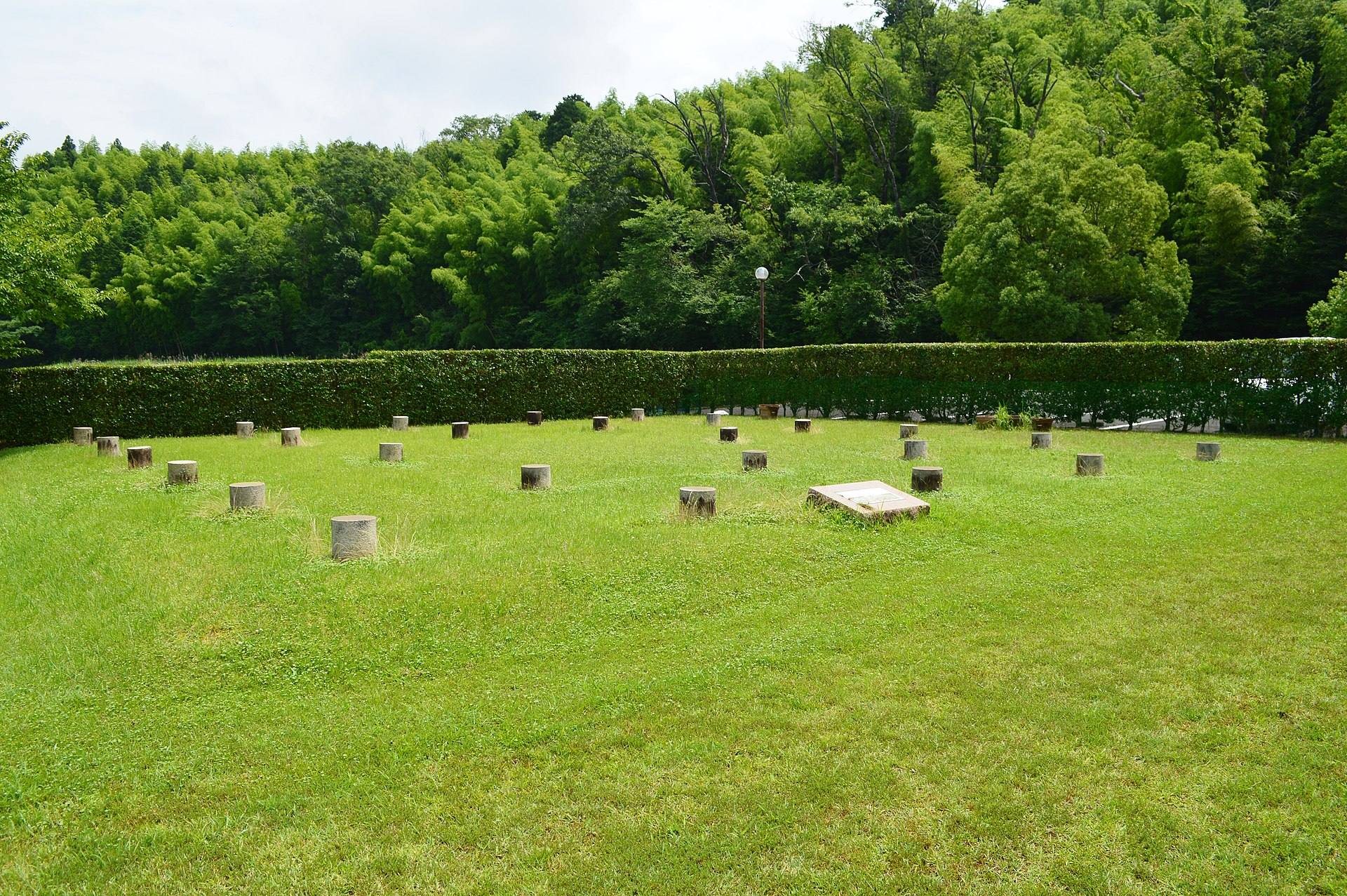
Four large post-built buildings, constructed by setting wooden columns into the ground, were identified, with two in each district. In the A District, they stood about 100 meters east of the ditch complex and were aligned east to west. Each had a two-bay-by-two-bay main body. Including eaves on all four sides, one measured five bays by four bays and the other four bays by four bays. In the B District, the corresponding buildings stood east to west on the hillside with aligned column lines. Both had two-bay-by-two-bay main bodies and measured five bays by four bays including their surrounding eaves. The eastern building was slightly larger and closely matched the size and form of the larger western building in the A District.
Pottery, wood, and plant remains
The ditch complex produced large quantities of pottery, wooden artifacts, and plant remains. Early Haji ware, a lower-fired earthenware tradition of the Kofun period, included unusually high proportions of small round-bottomed jars and high-footed cups. Some of the small jars were pierced through their bodies. Two rare Korean-style vessels were also recovered, consisting of a handled cooking pot and a jar.
Wooden finds included architectural parts such as doors, along with ritual objects including decorated bows and sword-shaped pieces. Numerous peach pits and a gourd from one of the spring sources accompanied earthenware jars, cups, and other wooden objects. Together, these finds help define the waterworks as a place of ritual activity. The channels, stone revetments, standing stones, steps, central oval space, and excavated building locations are preserved and presented within the archaeological park.