Mibu-Kurumazuka Kofun: A Terminal Kofun-Period Burial Mound in Japan


Site at a Glance
- Rating
- 3.9
- Popularity
- Very Low
- Country
- Japan
- Primary era
- Medieval
- External website
- Open
- Eras represented
- Medieval
- Civilizations
- Yamato
- Site type
- Burial
- Remains
- Burial Mound
On this page7 sections
History
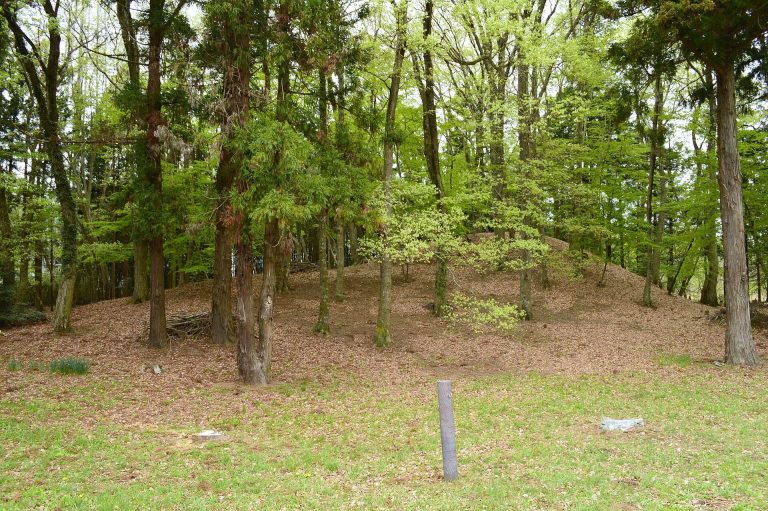
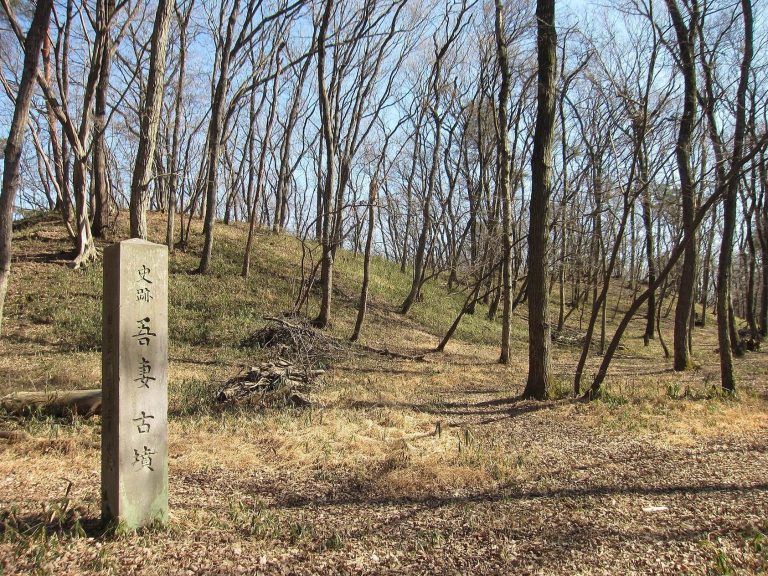
Mibu-Kurumazuka Kofun is a large round burial mound in Mibu, Japan, built during the first half of the seventh century in the terminal phase of the Kofun period. The Kofun period, named for Japan’s monumental burial mounds, was associated with powerful regional elites and the growth of larger political authorities. Built in the Shimotsuke region, the mound is the largest round kofun in Tochigi Prefecture and is regarded as the last large kofun constructed in the Kurokawa River basin.
Regional Power in the Terminal Kofun Period
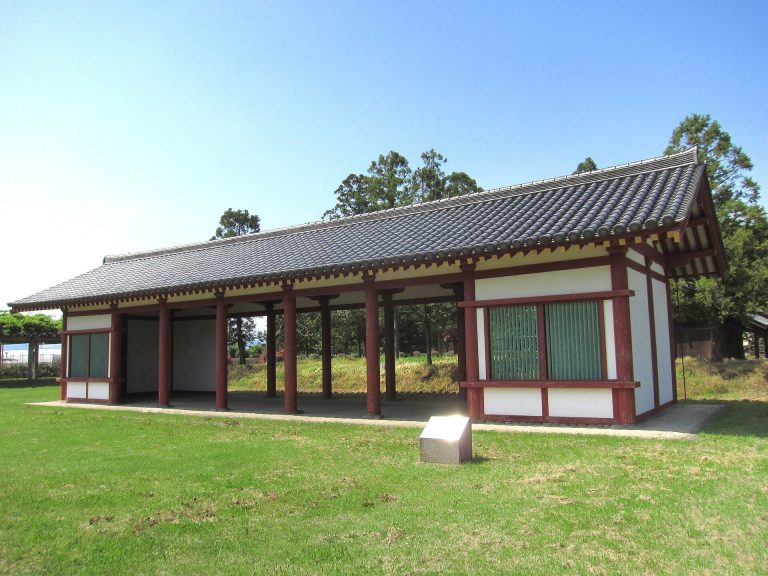
The mound followed Ushizuka Kofun in the Kurokawa River basin and formed part of the Mibu-area group of round burial mounds. Its exceptional size, together with the nearby concentration of large tumuli and the site of Shimotsuke Kokubun-ji, a provincial Buddhist temple established under the ancient state system, helps clarify the political situation of ancient Shimotsuke. The province corresponded broadly to present-day Tochigi Prefecture.
Construction took place during the transition from the Kofun period to the Asuka period. At that time, semi-independent local kings governed Shimotsuke while the Yamato state was developing greater political centralization. Mibu-Kurumazuka Kofun therefore belongs to a period when older regional authority and emerging centralized institutions existed alongside one another.
Later Knowledge and Investigation
The burial chamber had been robbed in antiquity and was already open by the Edo period, when written records described the mound. The site became a National Historic Site in 1926, and the protected area was expanded in 1978 to include the outer bank.
A boundary-confirmation survey in fiscal year 2009 identified the outer ditch. Further excavations took place from fiscal years 2014 to 2016 through work by the Mibu Town Board of Education, Ibaraki University, and Tokyo Gakugei University. Ushizuka Kofun lies immediately west of Mibu-Kurumazuka Kofun, while Atagozuka Kofun is about 500 meters to the south. Atagozuka has a different mound shape and a separate National Historic Site designation.
Remains
Mibu-Kurumazuka Kofun stands on a terrace above the left bank of the Kurokawa River. The round mound rises in three tiers within a broad system of banks and ditches. From the base of the surrounding moat system, it measures about 84 meters across and 11 meters high. The mound and its earthworks together occupy a complex approximately 135 meters wide.
Round Mound and Surface Features
The lowest tier measures about 84 meters in diameter, the middle tier 52 meters, and the upper tier 32 meters. The summit is relatively flat, while the unusually broad, level surface of the lowest tier creates a platform-like base characteristic of the regional Shimotsuke type of kofun. River cobbles were laid over the earthen surface as revetment stones, and traces of this covering survive. Approximately 50 long-bodied Sue ware jars were found on the summit. Sue ware was a hard, high-fired gray ceramic tradition of the Kofun period, and the jars appear to have served as mound decoration.
Surrounding Earthworks
An outer bank, surrounding moat, and outer ditch form an almost complete enclosure around the mound. The outer ditch creates a second ring of water-filled or formerly water-filled protection beyond the inner moat, while the excavated moat system included rings about 7.5 meters wide. These earthworks extend the physical layout beyond the mound itself and account for the complex’s overall width.
Stone Burial Chamber
The burial facility is a horizontal-entry stone chamber opening toward the south-southwest. It contains a square burial chamber and an entrance passage. The chamber is about 3 meters long, 2.8 meters wide, and 2.3 meters high. Its floor lies at the level of the mound’s first-tier platform.
The entrance passage measures about 2.4 meters long, 2.5 meters wide, and 2.3 meters high, with an entrance approximately 1.35 meters high. Carefully cut tuff blocks form the chamber. Each side wall, the rear wall, and the ceiling consists of a single stone, as do the two side walls and ceiling of the entrance passage. Tuff is a relatively soft volcanic rock that can be cut into large building blocks.