Sukyō-ji Temple: A Rinzai Zen Family Temple in Toyooka


Site at a Glance
- Rating
- 4.3
- Popularity
- Low
- Country
- Japan
- Primary era
- Medieval
- External website
- Open
- Eras represented
- Medieval
- Civilizations
- Ashikaga shogunate
- Site type
- Religious
- Remains
- Monastery
On this page11 sections
History
Yamana Foundation
Sukyō-ji Temple is a Rinzai Zen temple in Toyooka, Japan, founded in 1392 as the Yamana clan’s family temple at the foot of a mountain. Rinzai Zen is a Japanese tradition centered on disciplined meditation, direct insight, and kōan practice. The temple belongs to the Daitokuji branch, a network associated with the prominent Rinzai complex in Kyoto. Its founding patron was Yamana Ujikiyo, and its first abbot was a Zen master from Tōfukuji. Tradition connects the temple’s name with Ujikiyo’s posthumous Buddhist name. Sukyō-ji later served the lords of Izushi Castle and became known as Takuan-dera because of its association with Takuan Sōhō.
Takuan Sōhō and Revival
In 1591, Maeno Nagayasu, the lord of Izushi Castle, invited Kunpō Sōchū from Daitokuji to become the temple’s abbot. Kunpō was a disciple of Shunoku Sōen, and Takuan Sōhō is said to have entered his teaching at this time. After the Yamana clan became extinct, Sukyō-ji remained neglected for a long period. Takuan revived it in 1616 at the urging of Koide Yoshihide, the Izushi Castle lord.
Takuan was a Rinzai Zen monk, teacher, and calligrapher of the early Edo period. He served Tokugawa Iemitsu, the third shogun of the Tokugawa shogunate, but repeatedly returned to his native Izushi. In total, he spent more than 30 years at Sukyō-ji, where his grave remains within the precincts. A memorial service commemorating the 300th anniversary of his death took place at the temple on November 29, 1944. Hyōgo Prefecture has designated the temple garden a cultural monument, while Toyooka City has designated the Founding Abbot’s Hall and several associated artworks as cultural properties.
Remains
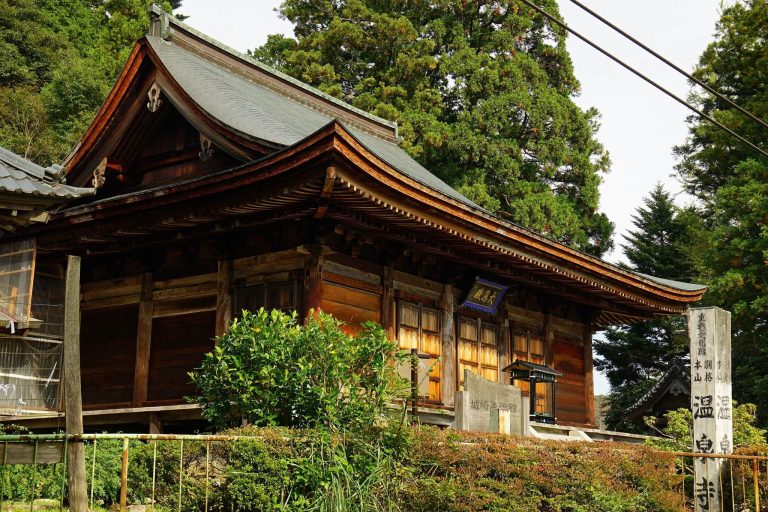
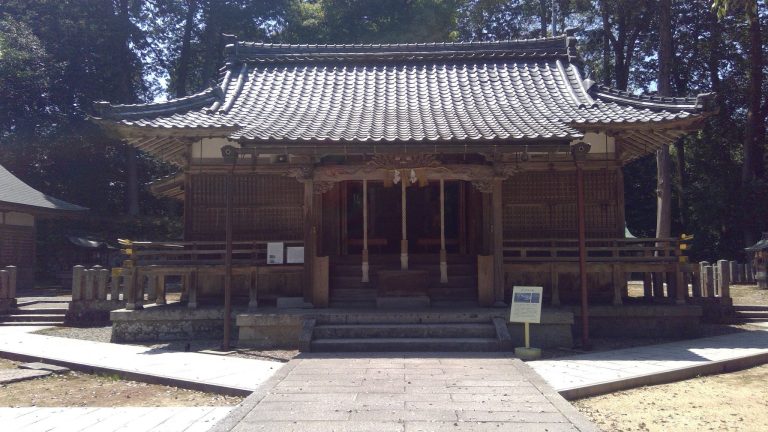
The surviving temple complex is organized around a main hall and its associated garden. The precincts also contain the Founding Abbot’s Hall, Takuan Sōhō’s grave, and artworks connected with the temple’s religious history.
Temple Complex
Main Hall
The main hall is a principal building of Sukyō-ji and is associated with the temple garden. Together they form the central architectural and landscaped elements identified within the precincts.
Garden
The garden belongs to the main hall complex and forms part of the temple’s surviving physical setting. Its historical status is reflected in its designation as a cultural monument by Hyōgo Prefecture.
Memorial and Artistic Features
Founding Abbot’s Hall
The Founding Abbot’s Hall is a named component of the temple complex that commemorates the abbot who established the institution. Toyooka City recognizes the hall as a cultural property.
Takuan Sōhō’s Grave
Takuan Sōhō’s grave lies within the temple precincts. It gives a physical focus to the monk’s long association with Sukyō-ji and his repeated returns to Izushi.
Portrait and Buddhist Paintings
The temple’s associated artworks include a self-inscribed portrait of Takuan Sōhō and paintings depicting Sakyamuni and the Sixteen Benevolent Deities. These guardian figures are traditionally associated with protecting Buddhist teaching and its practitioners. Toyooka City has designated the portrait and paintings as cultural properties.