Katori Shrine: A Shinto Shrine of Martial Protection in Tokyo


Site at a Glance
- Rating
- 4.1
- Popularity
- Medium
- Country
- Japan
- Primary era
- Unclassified
- External website
- Open
- Eras represented
- Unclassified
- Civilizations
- Unclassified
- Site type
- Religious
- Remains
- Sanctuary
On this page6 sections
History
Katori Shrine, also known as Kameido Katori Shrine, is a Shinto shrine in Tokyo, Japan, founded in 665. Its principal deity is Futsunushi no Kami, a Shinto deity associated with martial power and military achievement. The shrine became known for prayers seeking protection, victory, and success in martial practice.
Foundation and Sacred Tradition
Tradition connects the shrine’s foundation with Fujiwara no Kamatari, a seventh-century court noble traditionally regarded as the founder of the Fujiwara family. During a journey to eastern Japan, he is said to have brought his boat ashore at a place called “Turtle Island.” There he offered a sword and enshrined a divided spirit from Katori Jingu, a major shrine dedicated to Futsunushi no Kami. The act was intended to secure safe travel and honor the deity’s protection.
Victory and Martial Devotion
During the Tengyō era, from 938 to 947, Fujiwara no Hidesato prayed at Katori Shrine for victory in the campaign against Taira no Masakado, a military leader whose rebellion in eastern Japan was suppressed during that period. After the prayer was fulfilled, Hidesato dedicated a bow and arrows to the shrine and named them “Katsuya,” meaning “Victory Arrow.”
This association with victory encouraged devotion from successive emperors and from military figures such as Minamoto no Yoritomo, founder of Japan’s Kamakura shogunate, and Tokugawa Ieyasu, founder of the Tokugawa shogunate in the early seventeenth century. Martial artists and people undertaking martial-arts training also revered Futsunushi no Kami as an ancestral deity of martial practice.
Modern Religious Associations
In recent times, the chief priest presented Futsunushi no Kami as a “god of sports promotion.” After Katori Shrine was introduced on the ANN-affiliated television program Super J Channel, the number of sports-related worshippers increased sharply, bringing visitors from various places. The shrine is also a pilgrimage stop in the Kameido Seven Lucky Gods circuit, where it is associated with Daikoku and Ebisu.
Remains
Shrine Precinct
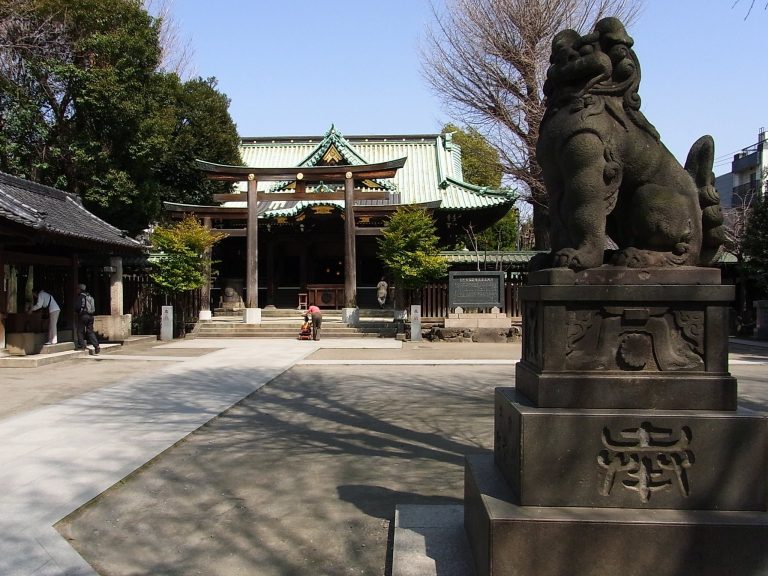
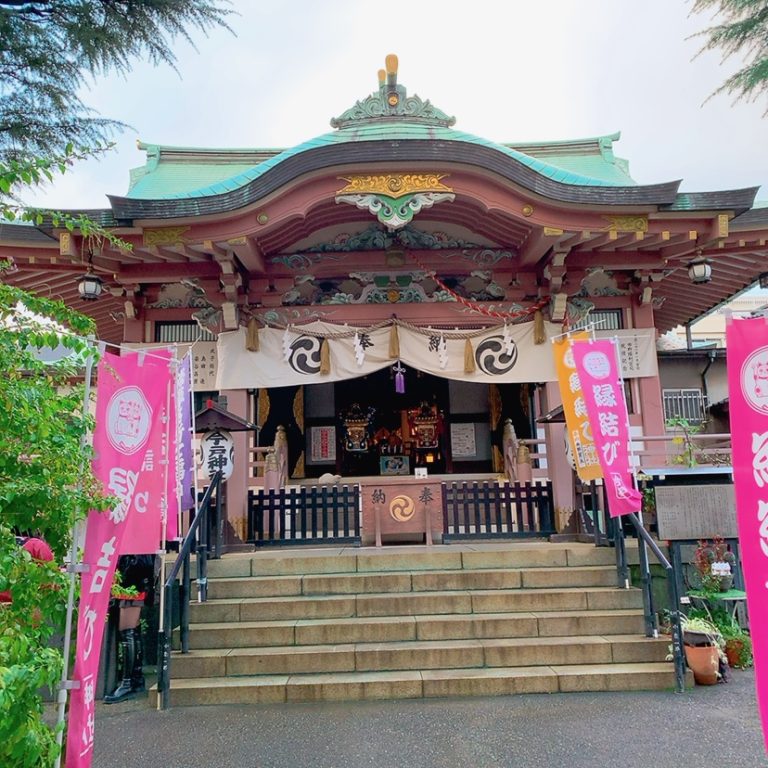
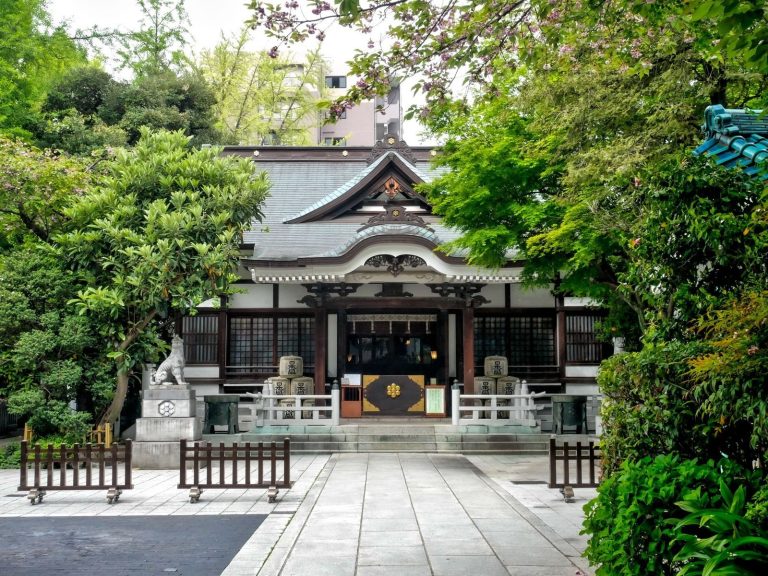
The shrine complex is situated in Kameido and includes the principal elements of a Shinto sacred precinct. A torii gate marks the entrance, while the worship hall is the building where visitors offer prayers. Together, these structures form the physical setting for the shrine’s continuing religious observances.