Mahmud al-Kurdi Mosque: A Mamluk Mosque in Cairo

Site at a Glance
- Rating
- 4.3
- Popularity
- Very Low
- Country
- Egypt
- Primary era
- Medieval
- Eras represented
- Medieval
- Civilizations
- Mamluk
- Site type
- Religious
- Remains
- Mosque
On this page4 sections
History
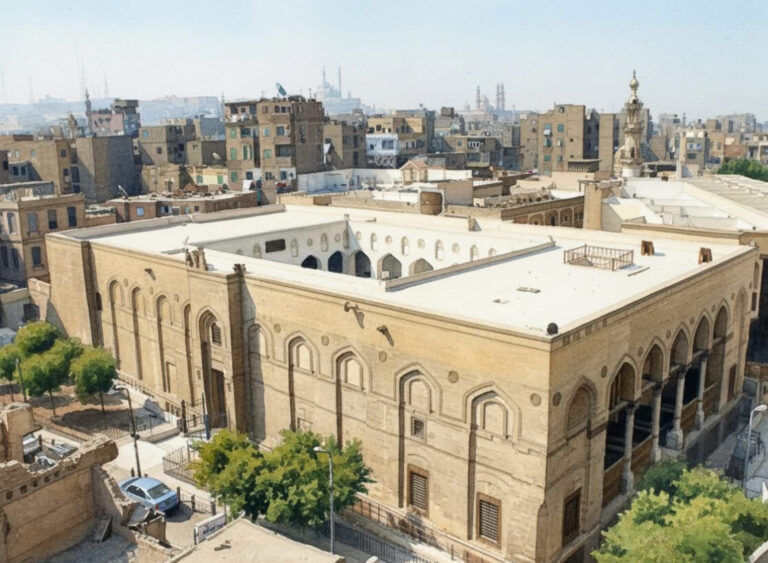
Mahmud al-Kurdi Mosque, also known as the Jamal al-Din Mahmud al-Istadar Mosque, is a Mamluk-period mosque in Cairo, Egypt. Built for the Islamic faith, it was completed in 1395 under the patronage of the amir Mahmud al-Kurdi, a high-ranking military and administrative official who served as ustadar, or majordomo, in the household administration of Sultan Barquq. The mosque remains active and forms part of the UNESCO World Heritage property of Historic Cairo.
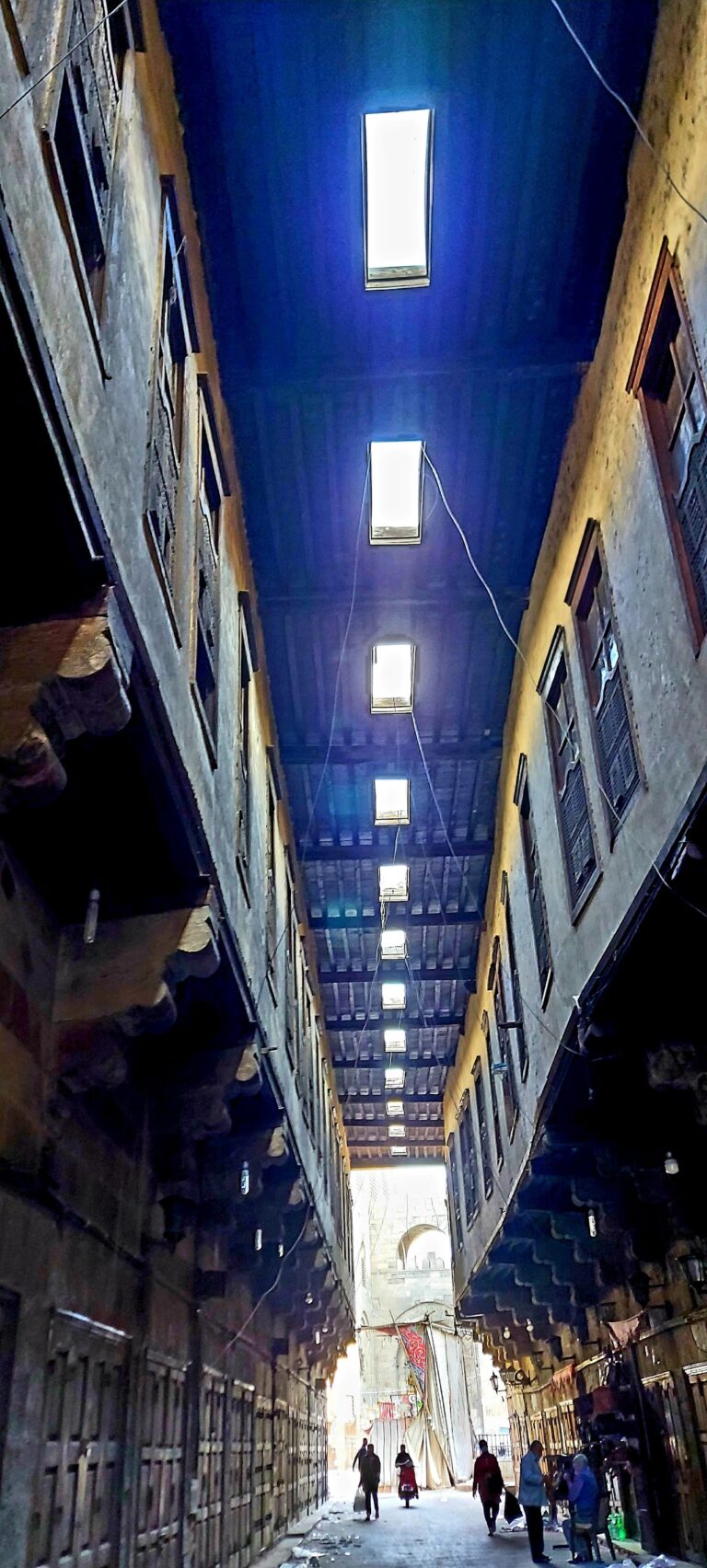
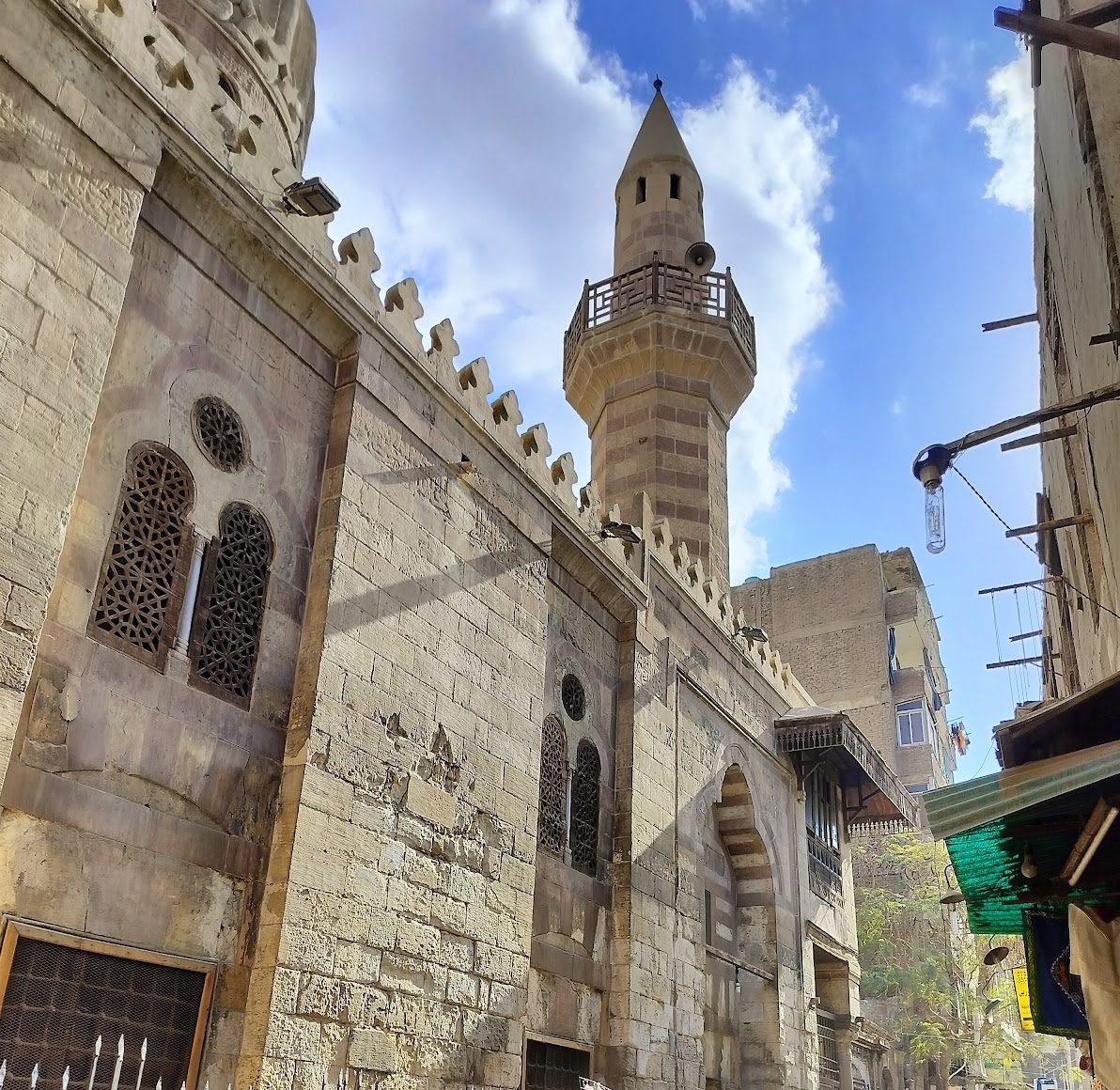
The mosque stands in the al-Darb al-Ahmar area of Islamic Cairo, just south of the Qasaba of Radwan Bey, also known as Tentmakers’ Street, which branches from Ahmad Maher Street. Restoration directed by Egypt’s Ministry of Antiquities began in 1979 and was completed in 2004. Afterward, the minaret was coated with white plaster.
Remains
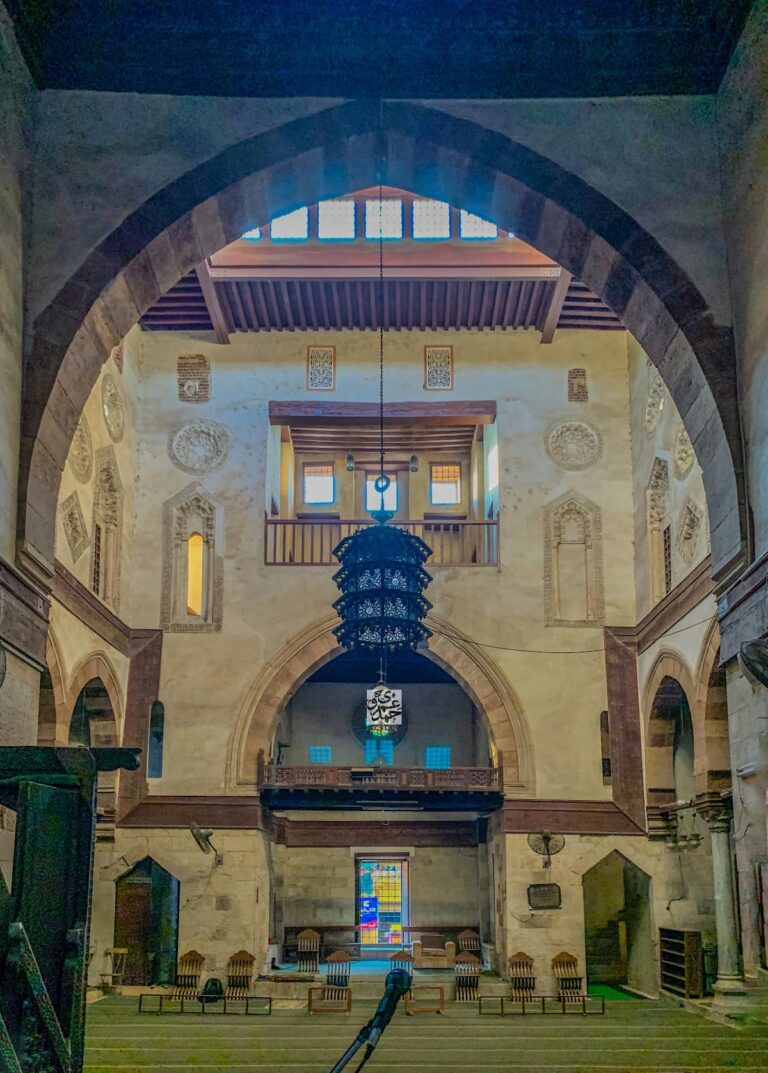
The surviving building is a small stone mosque organized around a single dome and one minaret. Its compact form combines an exterior marked by preserved carved decoration with an interior containing two iwans, vaulted or roofed halls opening onto a larger space. The interior resembles a qa’a, a reception hall associated with elite domestic and palace architecture, a resemblance that may indicate that the mosque was converted from a house.
Dome and Minaret
The dome rests on an eight-windowed drum and is decorated with a horizontal chevron pattern, formed by repeated V-shaped or zigzag bands in stone. This treatment belongs among the earliest uses of such decoration on stone domes and replaced the brick-and-plaster ribbing used on comparable domes before the fourteenth century. The minaret has a round form that was unusual for mosques of its period and later became widely used in Ottoman architecture.
Facade and Interior Decoration
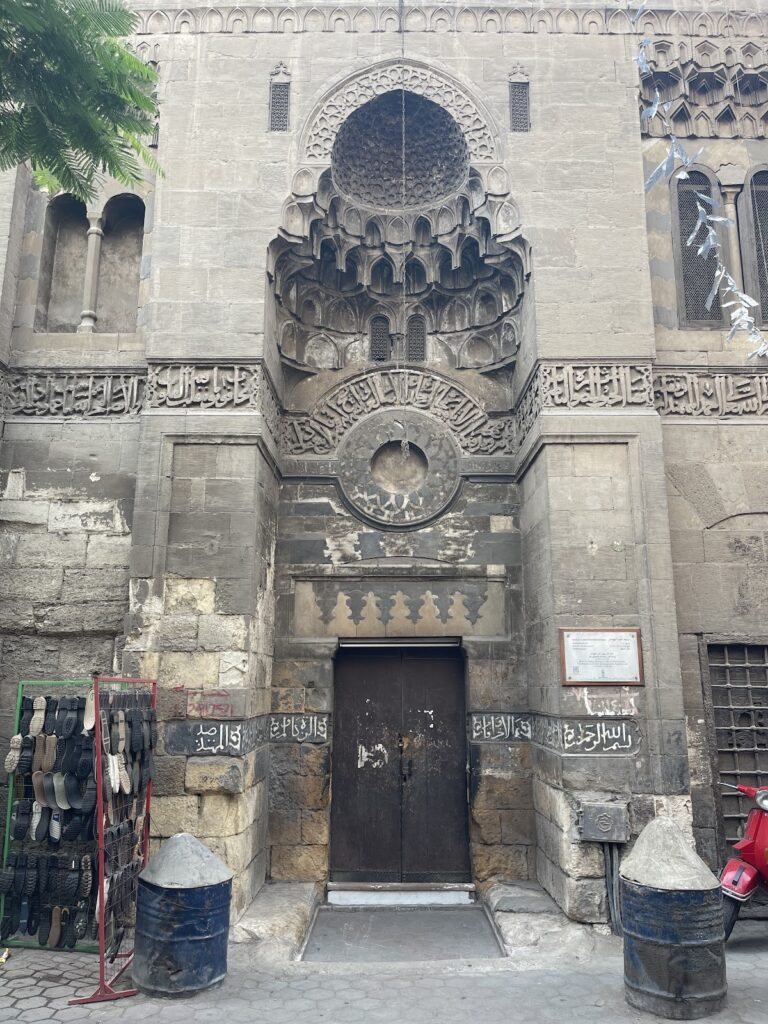
Original inscriptions and decorative work survive on the facade, window frames, and doors. The metal doors are covered with geometric star patterns and arabesque carvings, preserving the surface ornament of the entrance within the mosque’s restored fabric.