Certosa di Loreto: A Former Carthusian Monastery in Savona


Site at a Glance
- Rating
- 4.6
- Popularity
- Very Low
- Country
- Italy
- Primary era
- Medieval
- Eras represented
- Medieval
- Civilizations
- Duchy of Milan
- Site type
- Religious
- Remains
- Monastery
On this page10 sections
History
Certosa di Loreto is a former male Carthusian monastery in Savona, Italy, founded in the late fifteenth century. Carthusian communities combine solitary residence in individual cells with shared religious observances. Dedicated to Our Lady of Loreto, the monastery belonged to the Lombardy Province of the Carthusian Order and was associated ecclesiastically with the Diocese of Savona-Noli.
Foundation and development
The charterhouse was founded around 1492. Its establishment is attributed to Étienne Embrano, known as d’Orco, a merchant from Savona who had previously founded a pilgrimage chapel. The small monastery remained a poor house, supporting no more than four or five religious. Proposals to unite it with another community or enlarge it at the end of the sixteenth century were not carried out.
Suppression and later use
The French government suppressed the monastery in the early nineteenth century, ending its life as a Carthusian house. The complex is now inactive as a monastery, while its church continues to serve for religious services. It has also been used for classical concerts, art exhibitions, and conferences.
A fifteenth-century polyptych by Vincenzo Foppa, commissioned by Manfredo Fornari and entrusted to the charterhouse, is preserved in the Pinacoteca Civica di Savona.
Remains
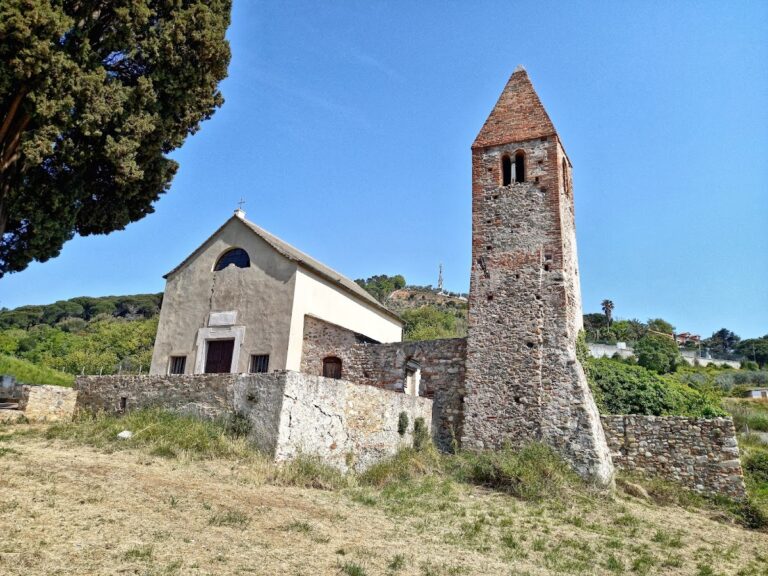
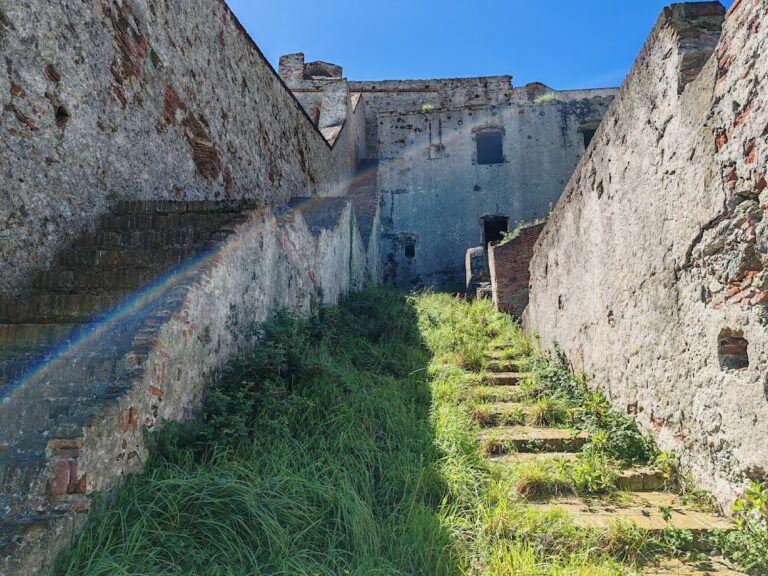
The complex stands on a hill just outside Savona, on the eastern side of the Letimbro valley. It follows Via Ranco, an ancient road connecting the city with the inland area, and may occupy the remains of an earlier castle of Loreto. The church sits at the highest point of the complex, while the monks’ cells descend toward the valley.
Church and surviving artworks
Church
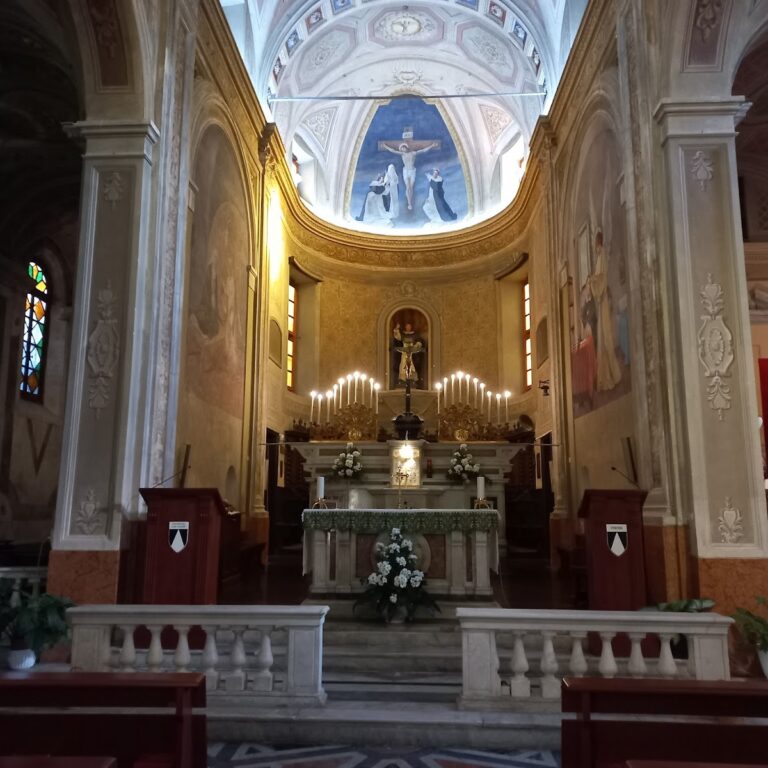
The church occupies the uppermost part of the former charterhouse and remains the principal active religious space within the complex. It contains a painting of Saint Michael the Archangel that has undergone recent restoration.
Paintings
Two restored paintings are associated with Certosa di Loreto. One is an anonymous canvas depicting Saint Michael the Archangel. The other is a seventeenth-century work by the Genoese painter Luciano Borzone, showing Saint Charles and Saint Theodore at prayer.
Monastic arrangement
Monks’ cells
The cells descend from the church toward the valley, reflecting the arrangement of a Carthusian house around the community’s combination of individual residence and shared worship.
Earlier castle remains
The charterhouse may have been established on the remains of an earlier castle of Loreto. This possible predecessor forms part of the complex’s archaeological and historical setting on the hill above the Letimbro valley.