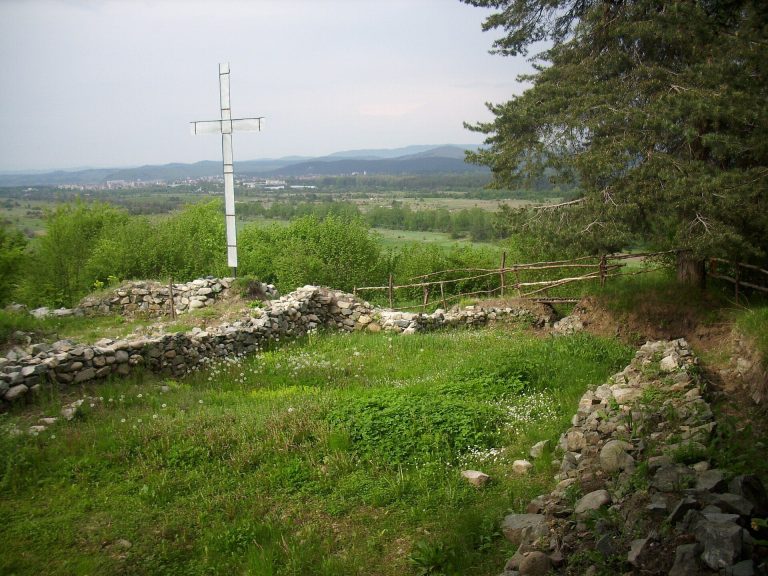
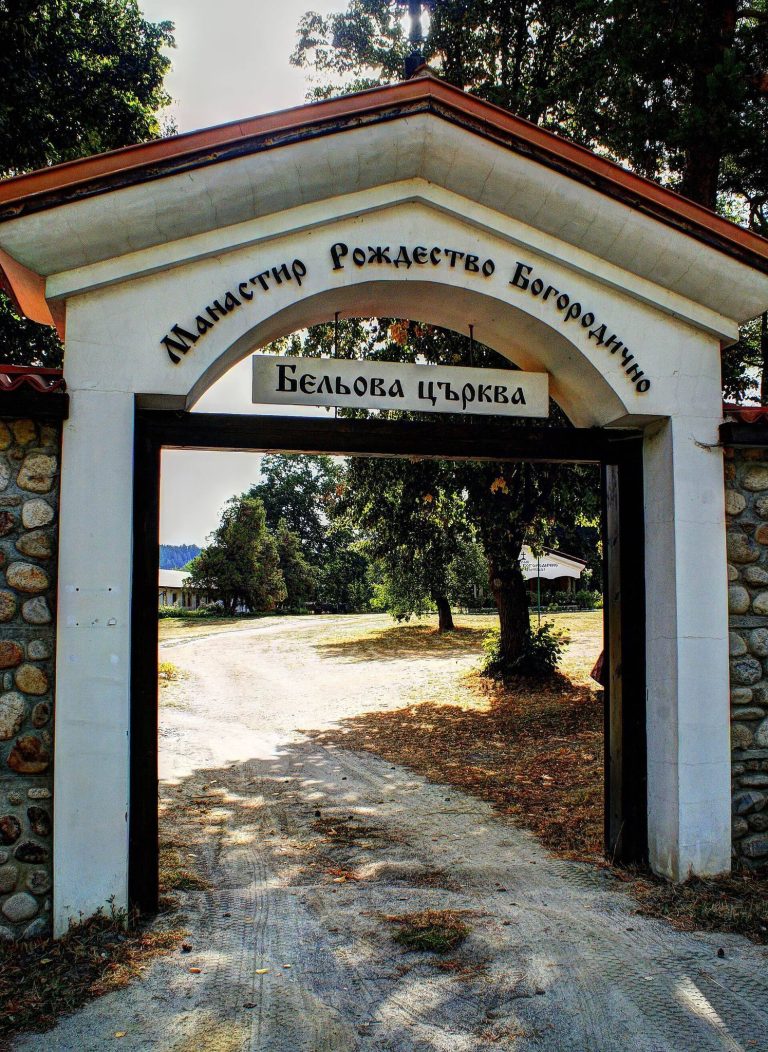
Church of Saint Petka, Belchin: A Late-Medieval Bulgarian Orthodox Church
Site at a Glance
- Rating
- 4.5
- Popularity
- Very Low
- Country
- Bulgaria
- Primary era
- Early Modern
- Eras represented
- Medieval, Early Modern, Modern
- Civilizations
- Bulgarian
- Site type
- Religious
- Remains
- Church
On this page9 sections
History
Church of Saint Petka is a late-medieval Bulgarian Orthodox church in Belchin, Bulgaria, whose present form was built in the seventeenth century over the foundations of a church dating from the thirteenth or fourteenth century. It remains an active church within the Sofia Diocese and Samokov deanery of the Bulgarian Orthodox Church and Bulgarian Patriarchate, and is protected as a cultural monument.
Medieval Foundations and Ottoman Period
The present building replaced an earlier church established in the thirteenth or fourteenth century. Its survival through periods of unrest in the Ottoman Empire is notable because churches and monasteries were frequently looted and burned during such disturbances.
National Revival and Modern Restoration
During the Bulgarian National Revival, a period of cultural, religious, and national renewal that developed mainly in the eighteenth and nineteenth centuries under Ottoman rule, the church’s main prayer area was enlarged. The building originally had interior wall paintings, but these were not preserved after a complete reconstruction.
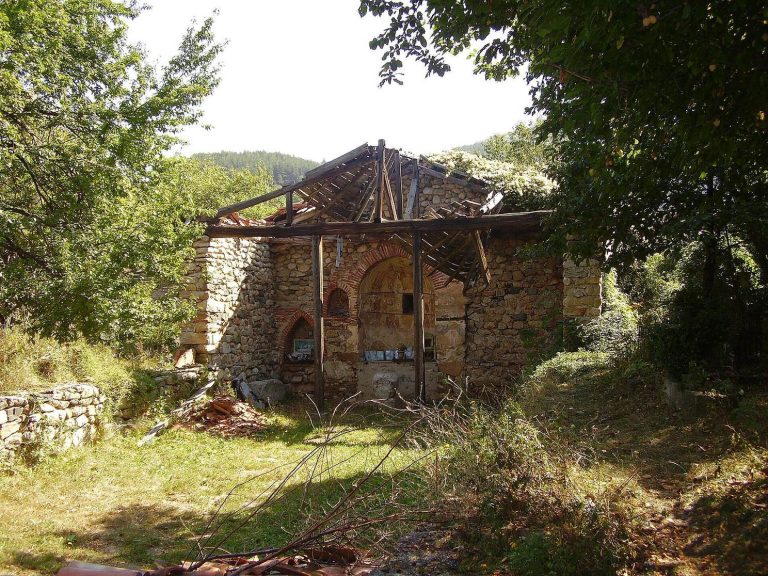
The first complete restoration took place in 1967. In the decades that followed, the church deteriorated, while its icons and carved decorations were dispersed among museums, private collections, and the other church in Belchin. Between 1991 and 2005, treasure hunters broke through the roof and excavated around the royal throne, leaving the building in ruins.
A comprehensive restoration began in 2006 to preserve the church’s original appearance as far as possible. The work was initiated by Simeon Peshov, a construction entrepreneur from Belchin, and his two sons, together with the Revival of Belchin Foundation and the church board. Glavbolgarstroy supported the work, which was directed by Traicho Velchev. The original icons returned on 27 September 2007, and Bishop Ioan of Znepole, a Sofia auxiliary bishop, consecrated the restored church on 14 October 2007. An ethnographic complex was also constructed nearby as part of the restoration initiative.
Remains
Church Building
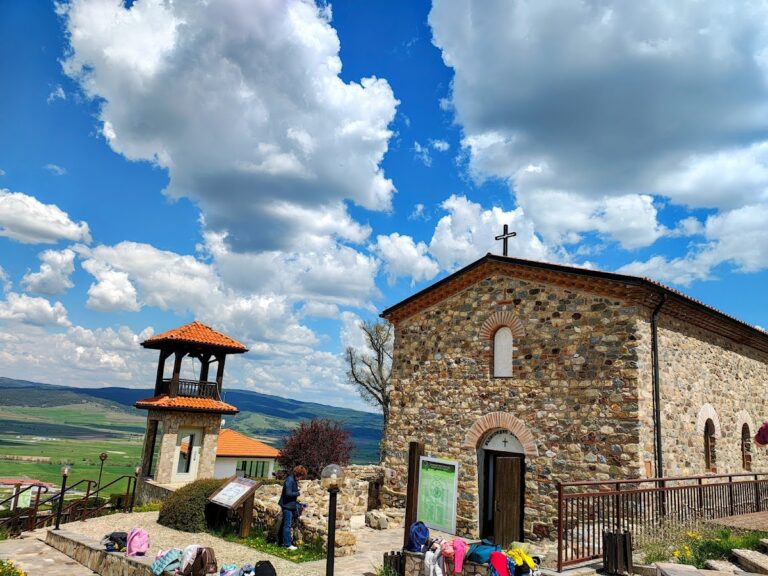
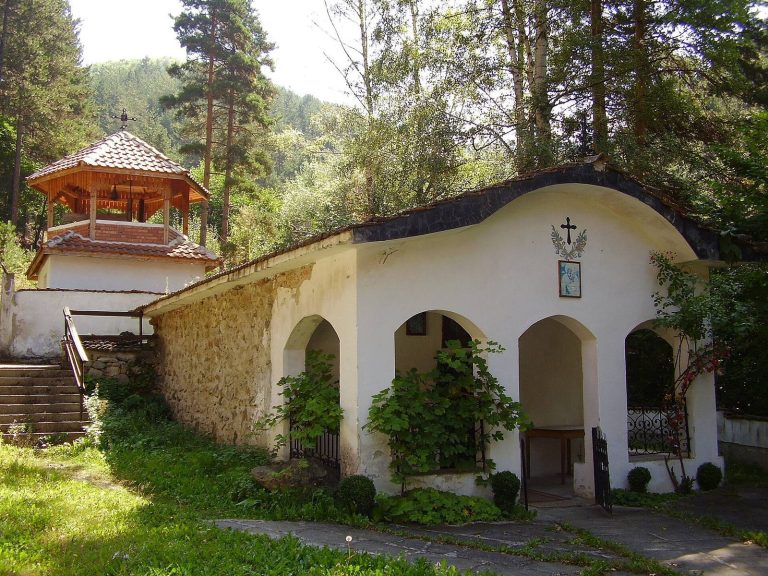
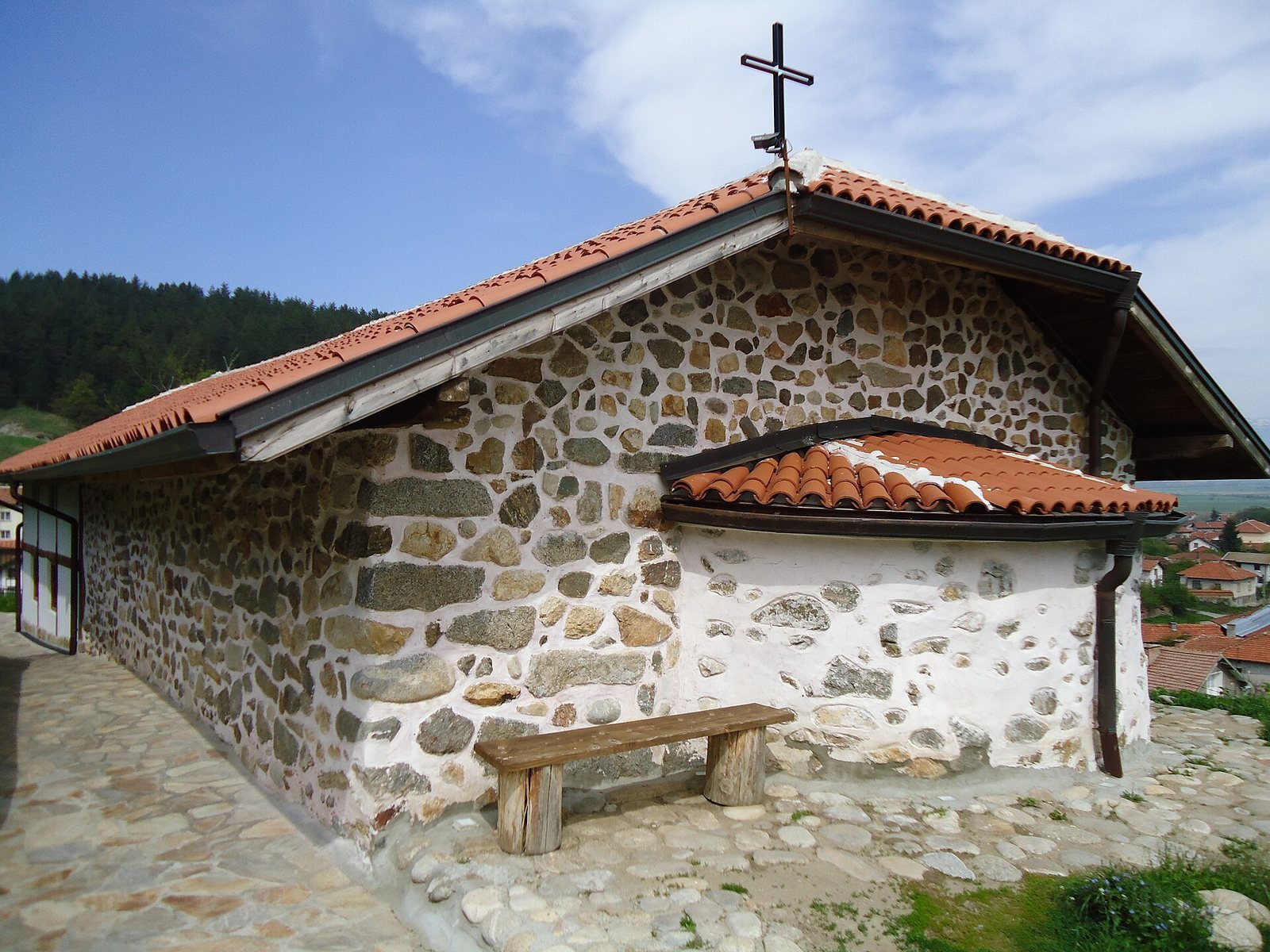
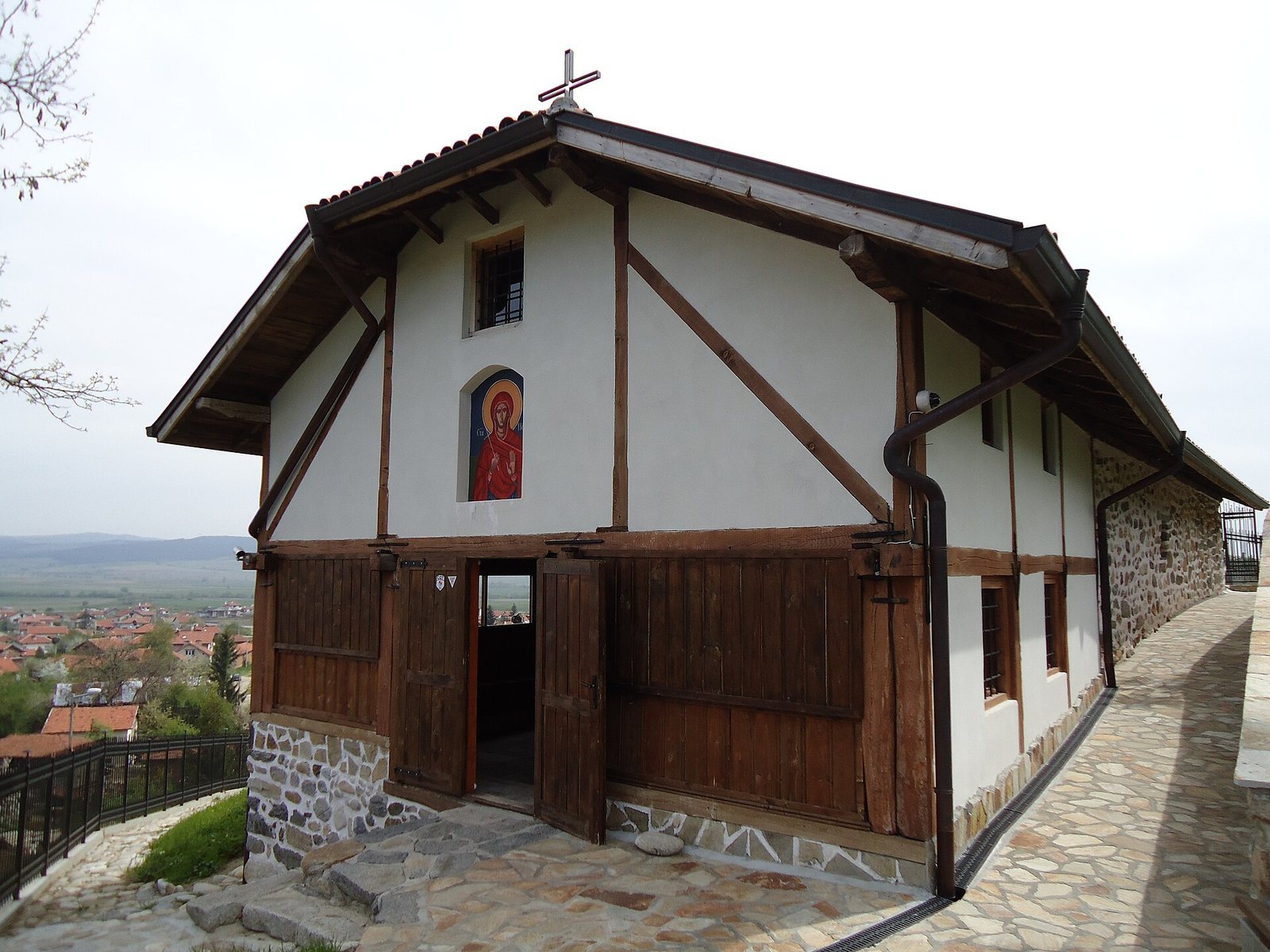
Church of Saint Petka is a single-nave cemetery church with a semicylindrical vault and a gabled roof. Its walls combine river stones and quarried stones bonded with mortar, with wooden tie elements reinforcing the structure. The entrance porch is built entirely of wood in an ethnographic style.
Interior Furnishings and Decoration
Icons
The church preserves numerous valuable icons, including works dating from 1653. These are regarded as rare examples of Bulgarian artistic production from the period before the National Revival. Notable examples include Jesus Enthroned with the Apostles and The Virgin and Child Enthroned with Prophets, both from 1653, along with Saint Nicholas and The Three Hierarchs, which date from the seventeenth century. The original principal altar icons of Christ and the Virgin Mary were kept for many years in the crypt of the St Alexander Nevsky Memorial Church before returning to Saint Petka in 2007.
Iconostasis
The iconostasis, the decorated screen separating the sanctuary from the nave in an Eastern Orthodox church, dates from the seventeenth to the nineteenth century. Its carvings were made in different periods and include floral motifs, acanthus leaves, volutes, vine leaves, dragons, and birds. The screen is regarded as an important monument of monumental wood carving.
Earlier Wall Paintings
Archaeological excavations in 2007 uncovered traces of the church’s earlier wall paintings. These surviving traces provide physical evidence of the painted interior that belonged to an earlier phase of the building.